 English
 русский
 Español
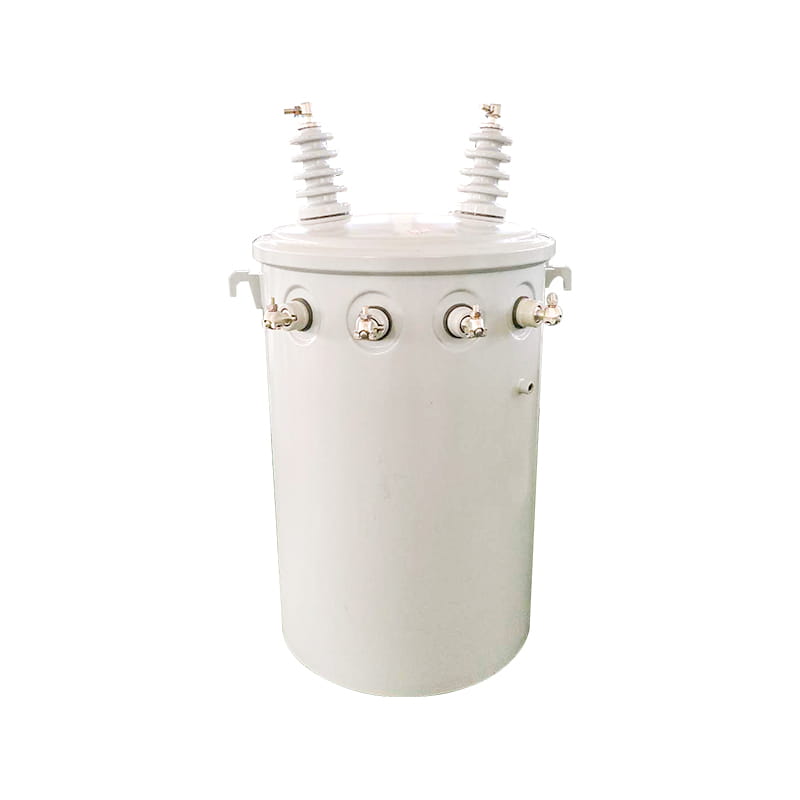
Energy-Saving Single-Phase Oil-Immersed Pole-Mounted Transformer
15KVA 13.8KV/0.4KV
See Details
Content
A transformer tan delta test is the closest thing our industry has to a routine health check for insulation. Instead of asking only whether the insulation still blocks current, it measures how much energy that insulation wastes as heat every time the winding is energised — and that figure starts moving long before a failure does.
For anyone responsible for oil-immersed power transformers, dry-type units or bushings, knowing what the test measures, how to run it properly, and which readings deserve a second look pays off quickly.
Every insulation system behaves like a capacitor with a small resistive leak. In a perfect capacitor, current would lead voltage by exactly 90 degrees. Real insulation loses part of that lead, and the angle by which it falls short is delta (δ). The tangent of that angle — tan δ — is the ratio of resistive current to capacitive current.
The same quantity appears under several names: dissipation factor, loss tangent, or power factor. When a tester reports power factor, it is tan δ multiplied by the cosine of δ, and because δ is small the two numbers are nearly identical in practice.
Two outputs matter on every measurement:
Both are reported as percentages, so a reading of 0.5 percent means tan δ = 0.005.
Insulation resistance and polarization index are excellent screening tests, but they are coarse. A winding can sit in the gigaohm range and still be wet enough to age quickly. Tan delta reacts much earlier to distributed moisture and to the slow breakdown of paper, oil and resin, which is why plants treat it as a trending tool rather than a pass-or-fail gate. The working rule is simple: the absolute number matters less than its trend, and the trend matters less than how it compares with sister units measured at the same temperature.
Most automatic test sets offer four configurations, and knowing which one you are using explains half of any surprising result:
Dielectric loss rises steeply with temperature, in many systems roughly doubling for every 10 °C. A measurement taken at 45 °C cannot be lined up against one taken at 20 °C without correction. Use the table in the applicable standard or in the manufacturer's report, and always note the actual temperature on the record sheet.
Transformer oil is assessed separately, usually in a dedicated cell following IEC 60247 or ASTM D924. Fresh, dry oil typically shows a dissipation factor well below 0.005 at 90 °C. A slow drift upward signals oxidation products, moisture or dissolved contaminants, often before breakdown voltage begins to fall.
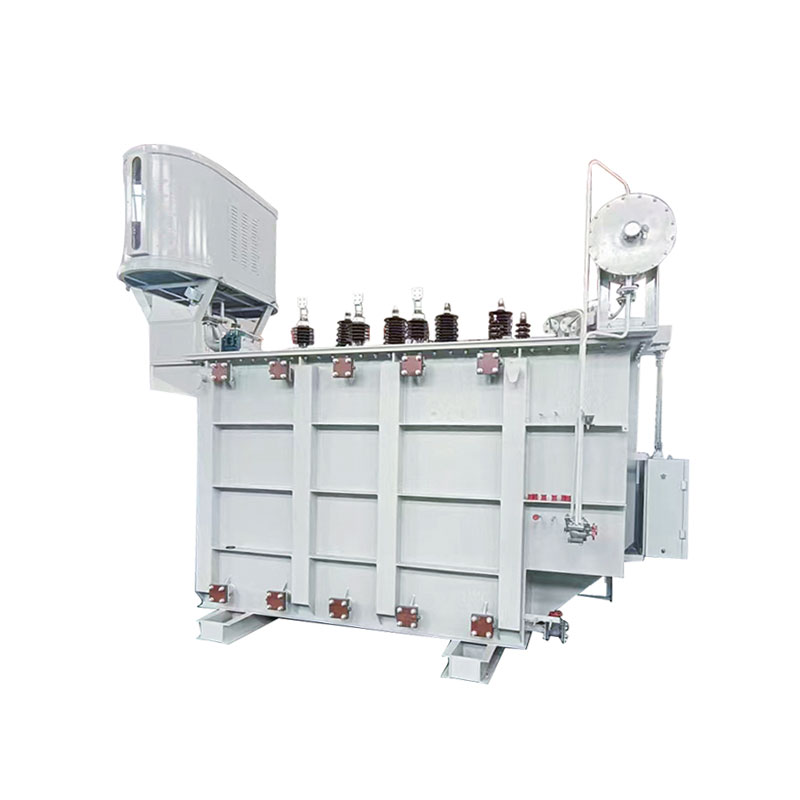 20000 kVA 35 kV Oil-Immersed Power TransformerThis oil-immersed transformer suits 35 kV indoor distribution, substations, and industrial applications, where oil condition monitoring supports reliable operation.View Product →
Reading oil tan delta alongside breakdown voltage and moisture content gives a far clearer picture than any one of the three on its own.
The figures below are a reference for interpretation rather than an acceptance standard. Your own fleet baseline and the trend across previous tests always take priority.
| Insulation or equipment | Typical new value | Worth investigating when |
|---|---|---|
| Oil-immersed power transformer windings | 0.2 – 0.5 % | Above 0.7 % or doubled since the last test |
| Oil-immersed distribution transformer windings | 0.3 – 0.8 % | Above 1.0 % or climbing steadily |
| Resin-cast dry-type windings | 0.1 – 0.5 % | Above 0.8 % or a change greater than 20 % |
| Oil-impregnated paper bushings | 0.2 – 0.6 % | Above 0.8 % or capacitance drift over 5 % |
| Transformer oil | Below 0.5 % | Above 1 % or rising at each sampling |
On a 110 kV or 220 kV transformer the bushing is usually the weakest link, and it is easy to track because the nameplate capacitance provides a fixed reference. A capacitance rise of more than a few percent, together with a tan delta that has crept upward since commissioning, almost always means moisture ingress or paper degradation inside the bushing.
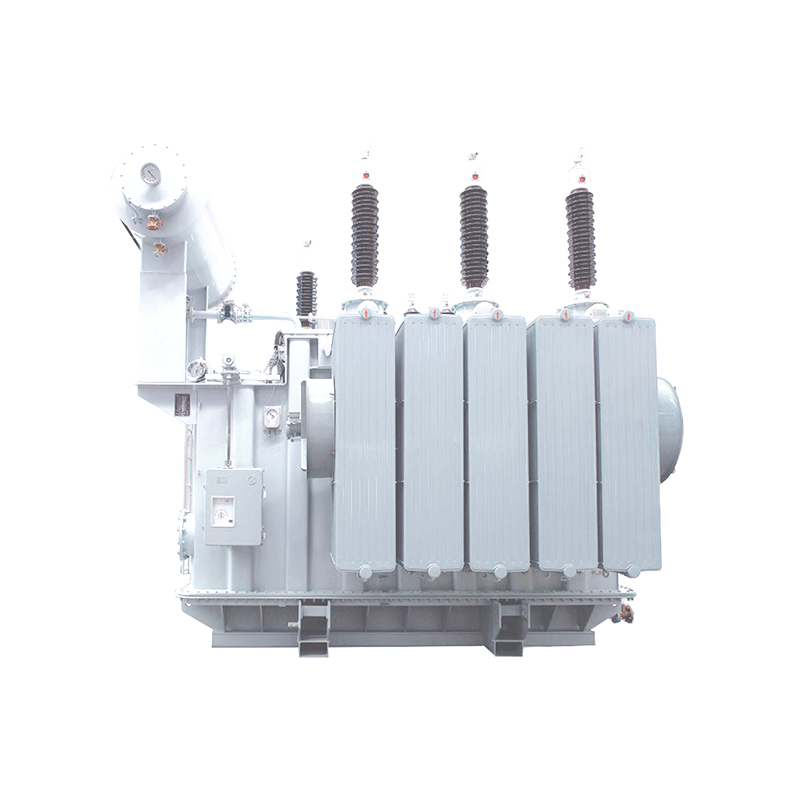 5 MVA 110 kV Ultra-High Voltage Power TransformerAt up to 110 kV, this 5 MVA transformer suits transmission and distribution systems where bushing and winding insulation trends are closely monitored.View Product →
Windings at these voltage levels benefit most when readings at several voltage steps are compared against the factory baseline taken before shipment — that baseline is the most useful document in the test folder.
Resin-cast windings start from a much lower loss level and change far more slowly than oil-paper insulation, so thresholds shift. Values near 0.1 to 0.5 percent are normal, and a rise of 20 percent against the previous reading deserves attention, because resin does not absorb moisture evenly — it enters through cracks, delamination or poorly sealed terminations.
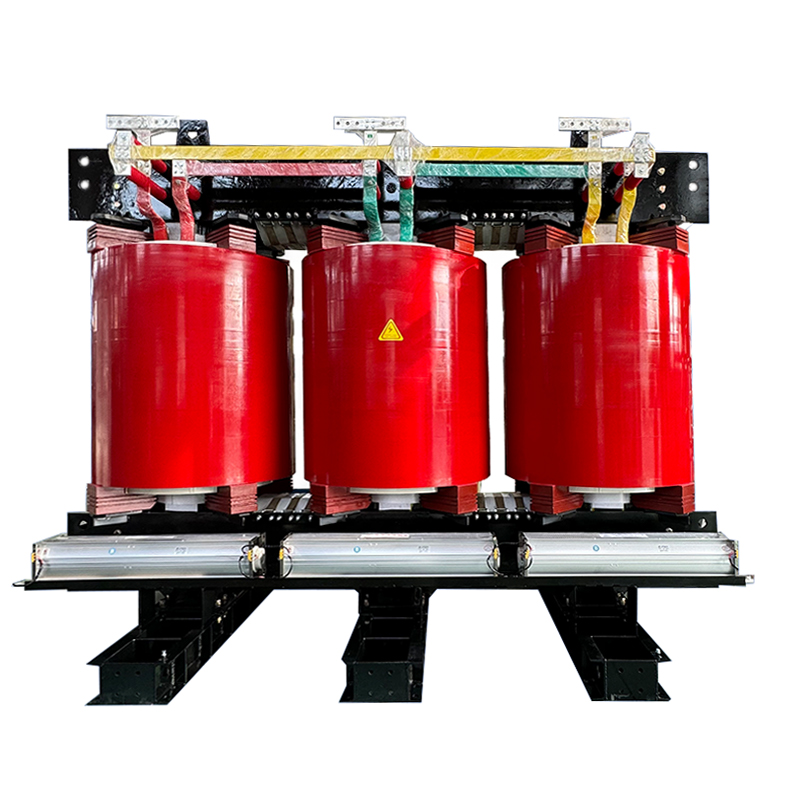
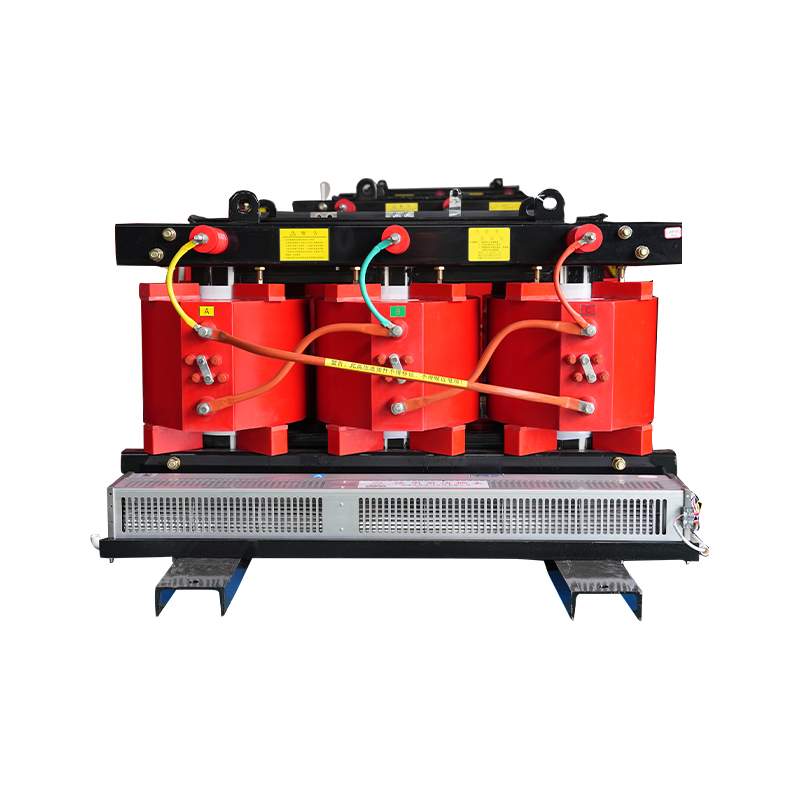
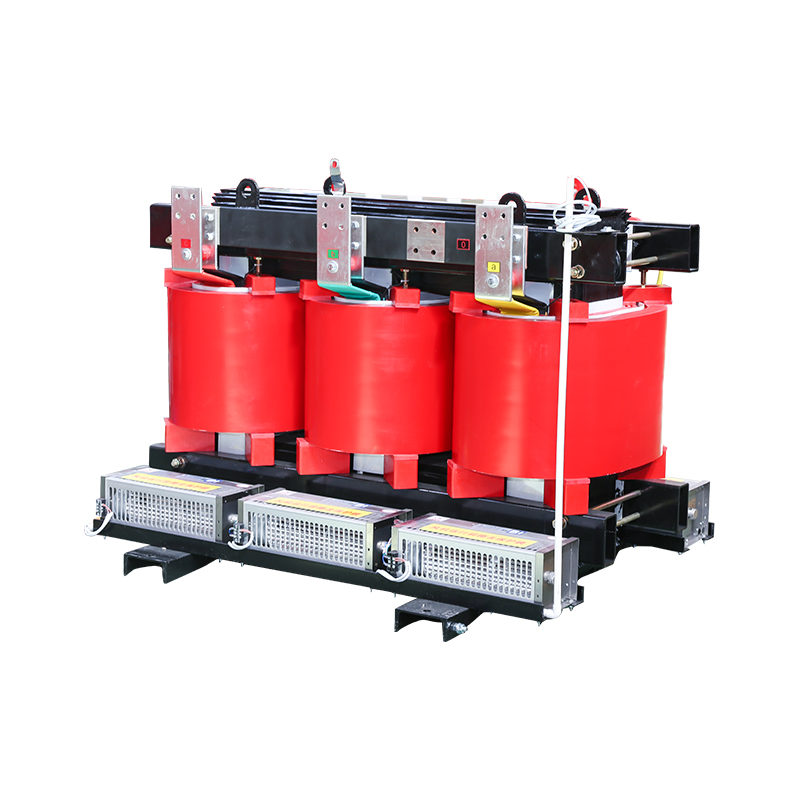 1000 kVA 11 kV Resin-Cast Three-Phase Dry-Type TransformerWith resin-cast windings instead of oil, this dry-type transformer offers low maintenance and suits indoor, urban, or harsh environments.View Product →
Guard connections and UST measurements help here, since surface leakage on a dusty dry-type winding can double the apparent loss with nothing wrong inside the insulation itself.
Tan delta tells you how much, rarely why. Pairing it with insulation resistance and polarization index, capacitance measurements on windings and bushings, oil moisture and acidity, and dissolved gas analysis closes that gap. Our DGA testing guide covers interpretation of those gas results in detail.
Building transformers for grids, industrial plants, mines and renewable projects gives our engineers a particular interest in this test. Insulation decisions made at the drawing stage — paper thickness, oil clearances, resin formulation, drying cycles — all show up later as numbers on a tan delta record, and the design that starts low and stays low for twenty years is the one worth the extra material.
Units leaving our works in Hai'an are routine-tested against nameplate data before shipment, and that baseline travels with the transformer so the first field measurement has something honest to compare against. If you would like to know more about how we build and test transformers, our engineers are glad to talk through the details.
A transformer tan delta test will not tell you everything about an insulation system, but it tells you early, cheaply, and without a long outage. Run it consistently, keep the records, correct for temperature, and the numbers will warn you about moisture and ageing long before they become a failure.
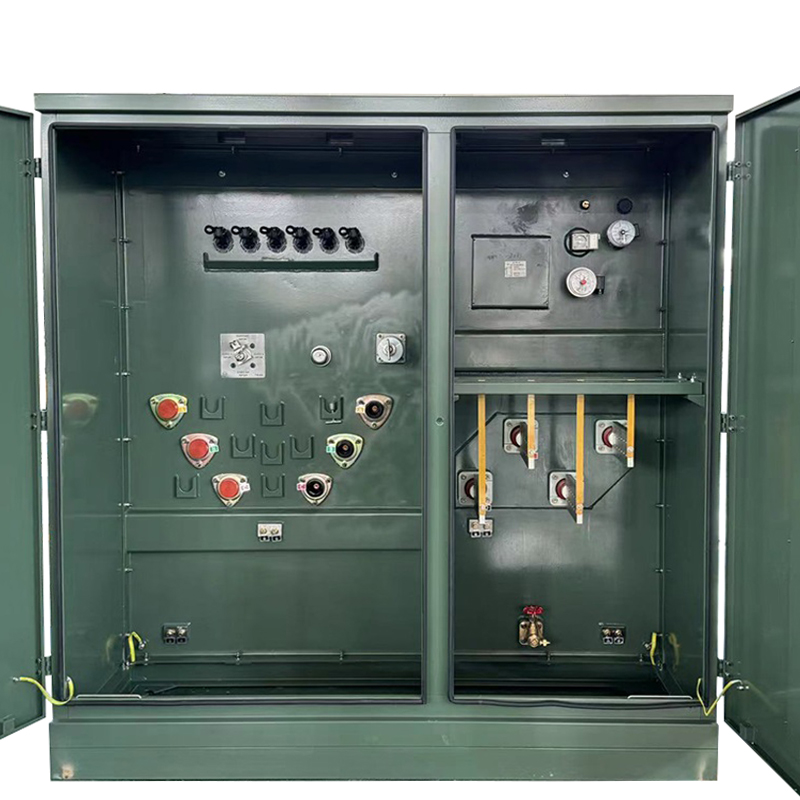
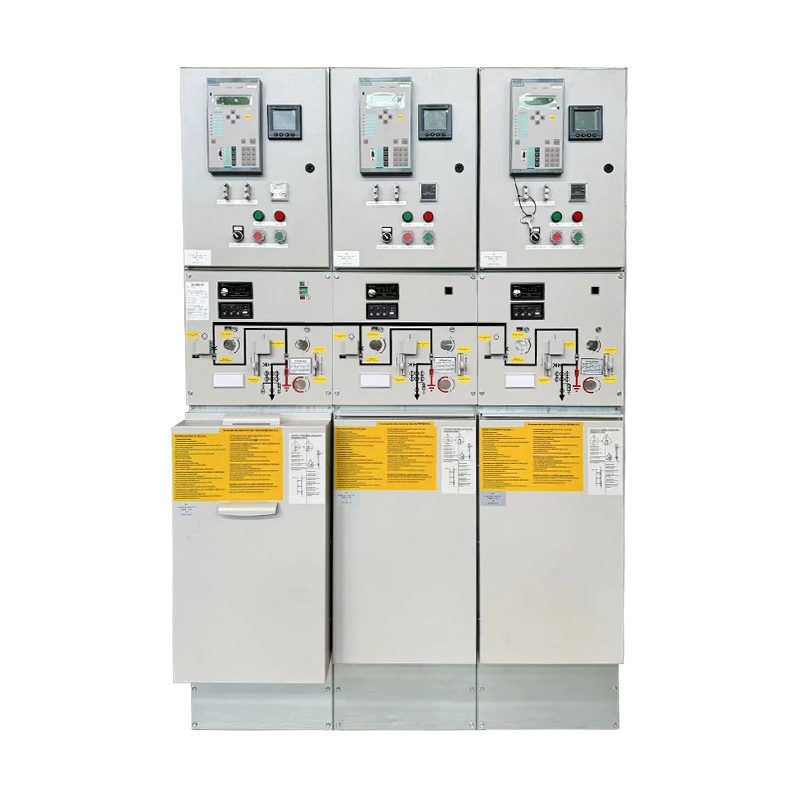
A Cabinet-Type Outdoor Prefabricated Substation, which is a compact, all-in-one electrical distribution solution designed for outdoor installation. Th...
See Details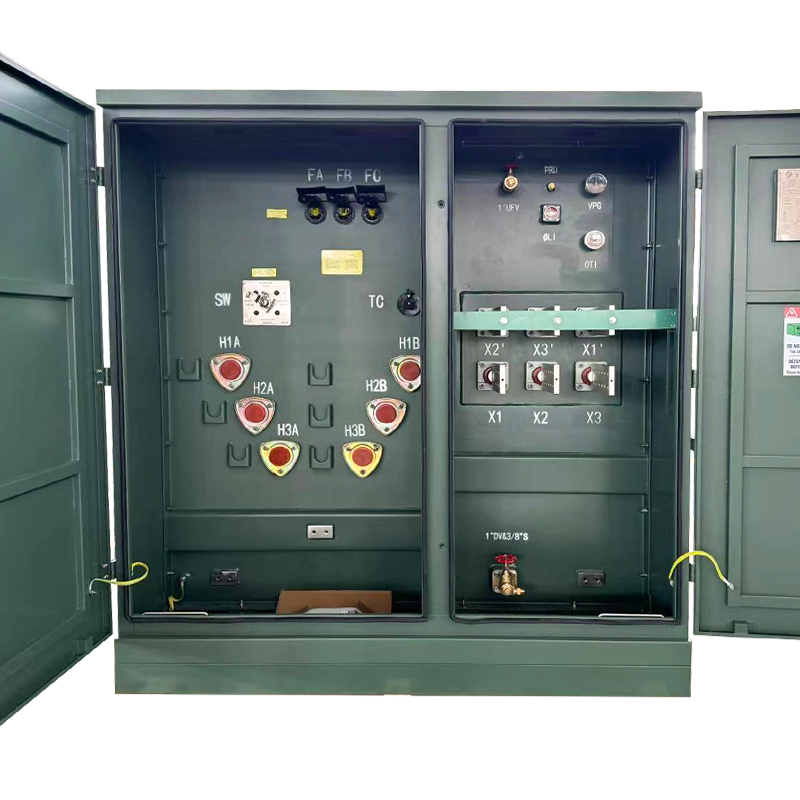
Base kVA: 45 kVA to 12,000 kVA Primary voltage: 2400 V to 46,000 V Secondary voltage: 120 V to 24,940V Basic lmpulse Level (BIL): 30kV to 250kV
See Details
Copyright © Jiangsu Dingxin Electric Co., Ltd. Rights Reserved.

Energy Efficient Transformers Manufacturers Electrical Transformers Factory
Contact Us