 English
 русский
 Español
50KVA Single-Phase Pole-Mounted Oil-Immersed Transformer
50KVA 34.5KV/0.48KV
See Details
Content
A boosting transformer is one of the least glamorous devices in an electrical room and one of the most useful. Instead of rebuilding a service or replacing machinery, it takes the voltage you already have and lifts it by a small, controlled amount until motors, compressors and control boards sit comfortably inside their nameplate window. For anyone dealing with chronic low voltage at the far end of a feeder, that modest correction is often the entire solution.
This guide walks through what a boosting transformer actually is, how the boosting action is produced inside the windings, where it earns its keep, and how to size one without guessing. It also explains where boosting stops being the right answer and a different class of transformer should take over.
In everyday electrical language, the device most engineers mean by "boosting transformer" is a buck-boost transformer: a compact two-winding unit whose secondary is connected in series with the line rather than feeding a separate circuit. Wired one way, it adds voltage to the supply, which is boosting. Wired the other way, it subtracts voltage, which is bucking. The same piece of hardware does both jobs, and the choice is made on site with a handful of connections.
Two characteristics separate it from an ordinary step-up transformer. The first is size. A buck-boost unit is rated for the voltage difference it creates, not for the whole load, so a 1 kVA unit can correct the voltage feeding a 10 kVA load. The second is isolation. Because a buck-boost transformer is connected as an autotransformer, there is no galvanic separation between input and output; the load still shares a direct electrical path with the supply.
The boosting range is deliberately modest. Most designs handle a correction of well under 30 percent, which covers the vast majority of real-world voltage complaints. If you need 208 V to become 480 V, that is a step-up isolation transformer with an entirely different set of code, protection and safety considerations, not a boosting transformer.
Inside a buck-boost transformer there are two windings. One is connected across the supply and behaves like a normal primary. The other is placed in series with the load, so its voltage adds to or subtracts from the line voltage depending on polarity. Common designs produce low secondary voltages such as 12, 16, 24 or 32 V, and by combining taps you can obtain a useful ladder of correction steps, typically including 8, 16, 24 and 32 V in either direction.
Because only the boost portion of the power passes through the magnetic circuit, the required transformer rating is a fraction of the load rating. A practical relationship is:
Consider a 10 kVA load where the measured supply is 208 V and the equipment wants 230 V. The difference is 22 V, which is roughly 9.6 percent of 230 V, so a transformer of about 1 kVA is enough. That arithmetic only holds for the autotransformer connection. If the same unit is wired as a two-winding isolating transformer, it must carry the full load kVA and the numbers change completely.
Boosting is one tool among several. The table below sets out how the main options differ in range, isolation and typical application, which is usually the fastest way to decide whether a boosting transformer is even in the running.
| Option | Typical voltage change | Isolation | Typical application |
|---|---|---|---|
| Buck-boost transformer | About 5% to 20% up or down | None (autotransformer connection) | Correcting one load or one panel branch |
| Step-up isolation transformer | Any ratio required | Full two-winding isolation | Feeding a separate system or voltage class |
| Distribution transformer with taps | Roughly 2.5% per tap step | Two-winding, no autotransformer link | Utility and industrial feeders needing adjustment |
| Single-phase pole-mounted transformer | Medium voltage down to 240/120 V | Two-winding | Rural, remote and scattered single-phase loads |
Boosting transformers solve a specific and very common family of problems. They are worth considering when:
Utilities approach the same problem from the supply side. On long rural feeders, voltage is held up by choosing the right transformer for the load and setting taps carefully. Low-loss single-phase pole-mounted units with amorphous alloy cores are popular here because their no-load losses stay low even when the line runs lightly loaded for most of the day. Our energy-saving single-phase pole-mounted oil-immersed transformer was developed for exactly this kind of duty, and the economics of that choice are discussed in this article on the cost-effectiveness of energy-saving single-phase pole-mounted transformers.
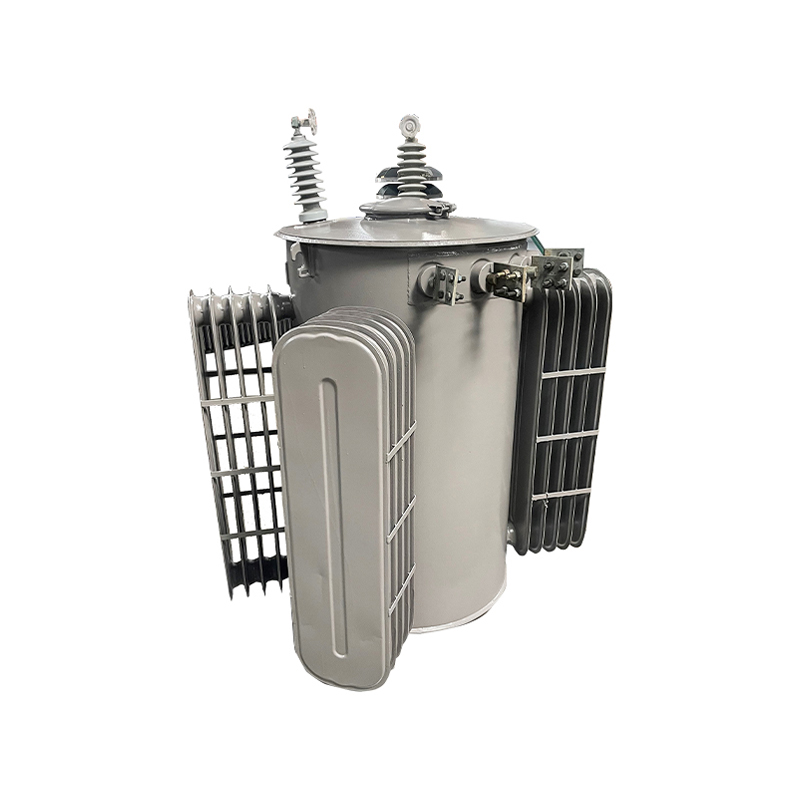 Energy-Saving Single-Phase Pole-Mounted Oil-Immersed TransformerA 15KVA, 13.8KV/0.4KV single-phase oil-immersed pole-mounted distribution transformer, with core design intended to reduce losses where three-phase supply is unnecessary.View Product →
Voltage problems are easy to misdiagnose, so it is worth working through the sequence rather than ordering on instinct.
Buck-boost units handle small corrections, but most of the voltage work in a network happens at higher levels. Step-down distribution transformers bring medium voltage to usable levels, power transformers move bulk energy between voltage classes, and dry-type or pad-mounted units place that transformation close to where the electricity is consumed. A boosting device is usually the last small adjustment in that chain.
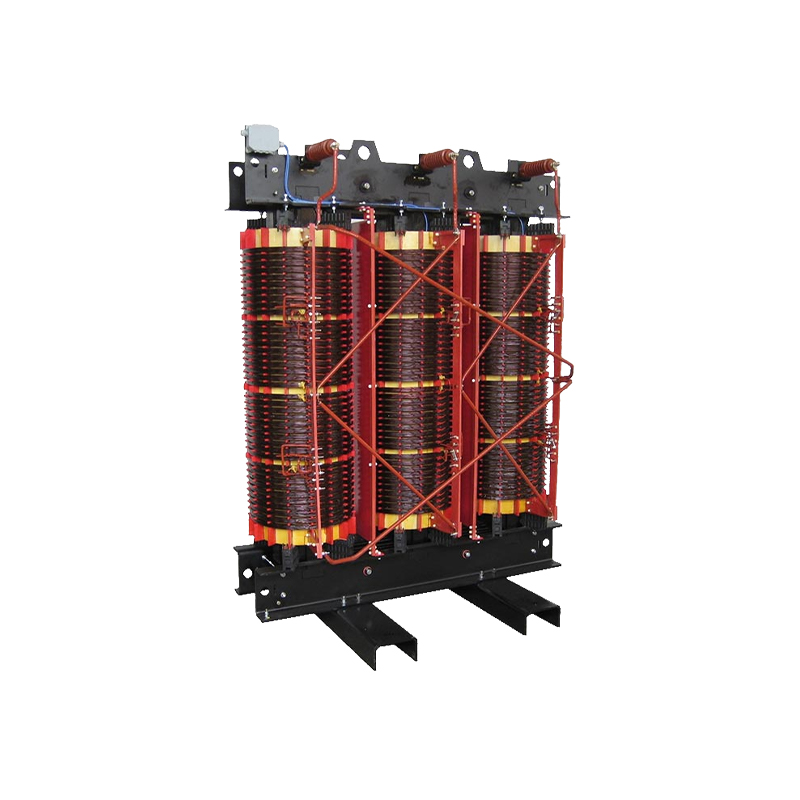
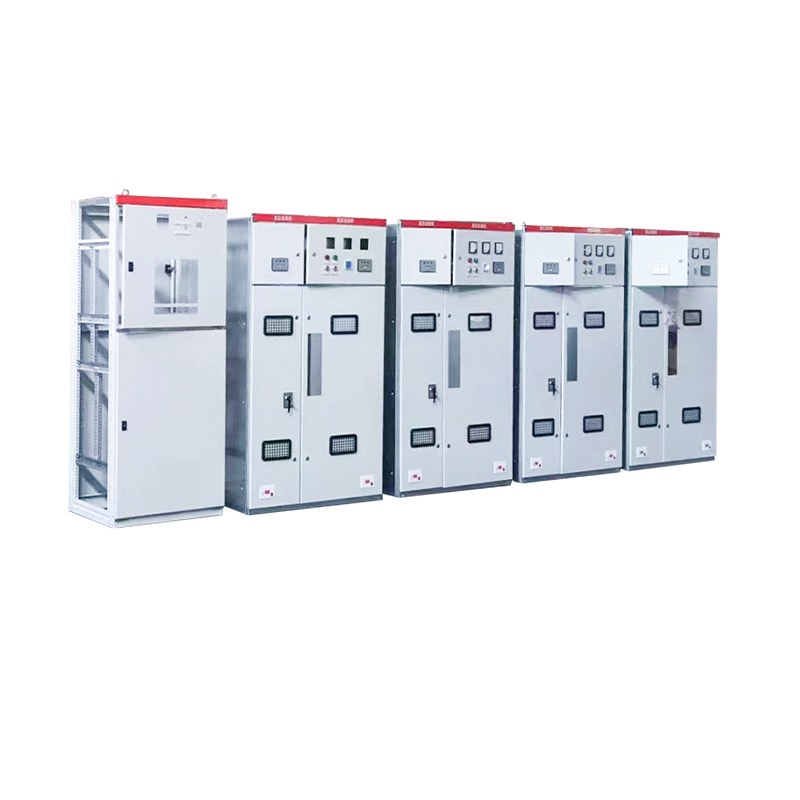
Our production covers the rest of it: oil-immersed distribution transformers including amorphous alloy types, 35 kV oil-immersed power transformers, 110 kV and 220 kV power transformers, resin-cast and non-encapsulated dry-type transformers, pad-mounted and prefabricated substations, phase-shifting rectifier transformers for industrial drives, and the switchgear and stainless steel housings that complete an installation. The company profile on our About page sets out the plant, the certifications and the voltage range we build to.
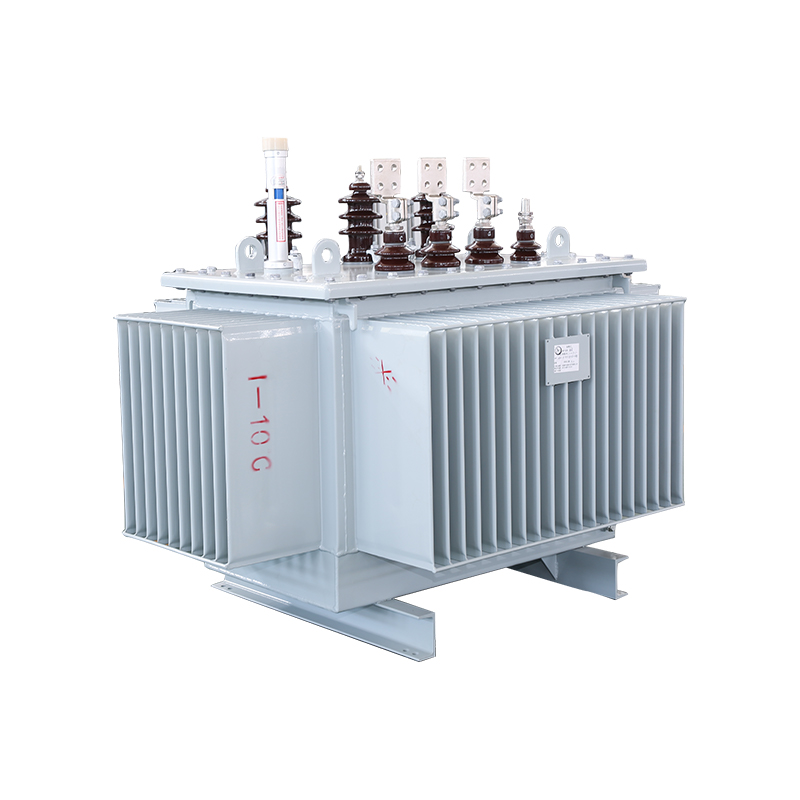 Amorphous Alloy Oil-Immersed Three-Phase Distribution TransformerA 200KVA 10KV oil-immersed three-phase transformer using an amorphous metal core to reduce hysteresis and eddy current losses in distribution applications.View Product →
A boosting transformer is simple, but it is not maintenance-free. Terminations should be torqued to specification and rechecked after the first few load cycles, because loose connections create heat and voltage drop that quietly cancel out the correction you just paid for. Mounting close to the load keeps conductors short, which matters more than most people expect on a low-voltage circuit carrying significant current.
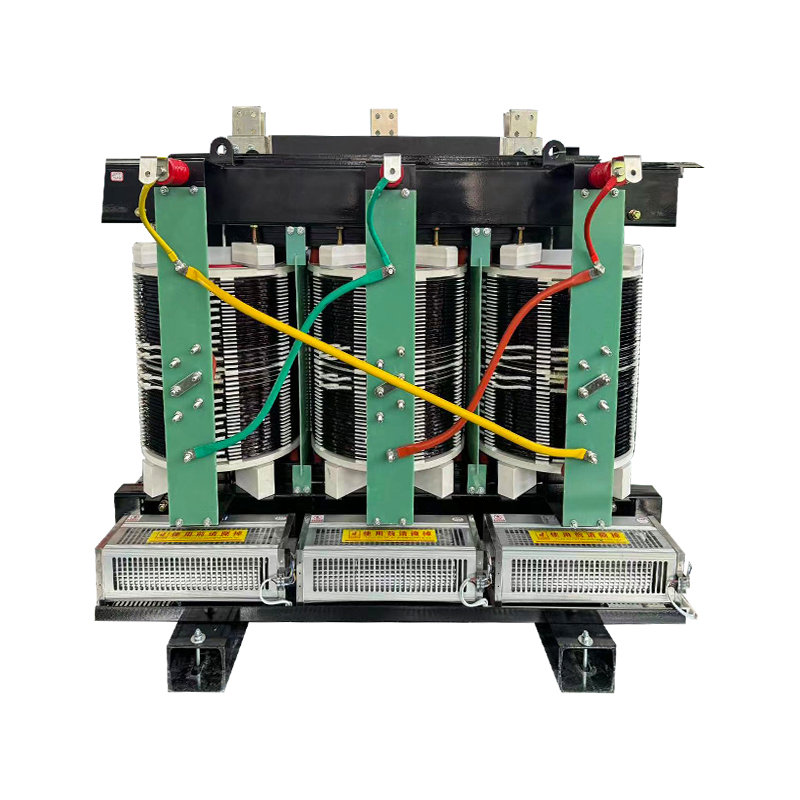
Indoor installations near load centres often call for dry-type equipment. Resin-cast dry-type transformers avoid oil entirely, tolerate humid or dusty plant rooms reasonably well, and are straightforward to inspect: check for dust build-up on the windings, listen for changes in hum, and record temperature readings so that a slow drift becomes visible before it becomes a failure. A resin-cast three-phase dry-type unit is a sensible choice where a boosting adjustment has to sit inside a building rather than at the fence line.
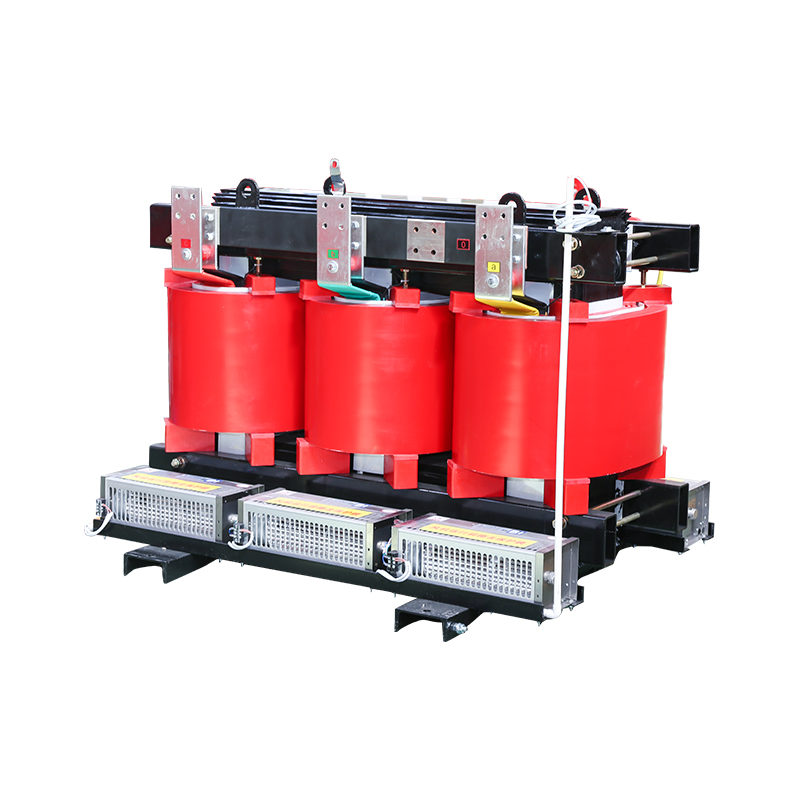 Resin-Cast Three-Phase Dry-Type Transformer 1000KVA 11KVA 1000KVA 11KV resin-cast dry-type unit suited to indoor load-centre installations, using epoxy insulation for low maintenance and reduced fire hazard.View Product →
A boosting transformer will not repair a weak distribution system, and it is not meant to. What it does extremely well is close a narrow gap between the voltage a supply delivers and the voltage a load needs, at a fraction of the cost and space of a larger transformer. Measure first, size the correction carefully, confirm that the autotransformer connection suits your protection and grounding arrangements, and the device will quietly do its job for years.
If you are weighing a boosting correction against a broader upgrade, our engineering team is happy to look at the measured voltages, the load profile and the application, and tell you honestly which route makes sense for your site.
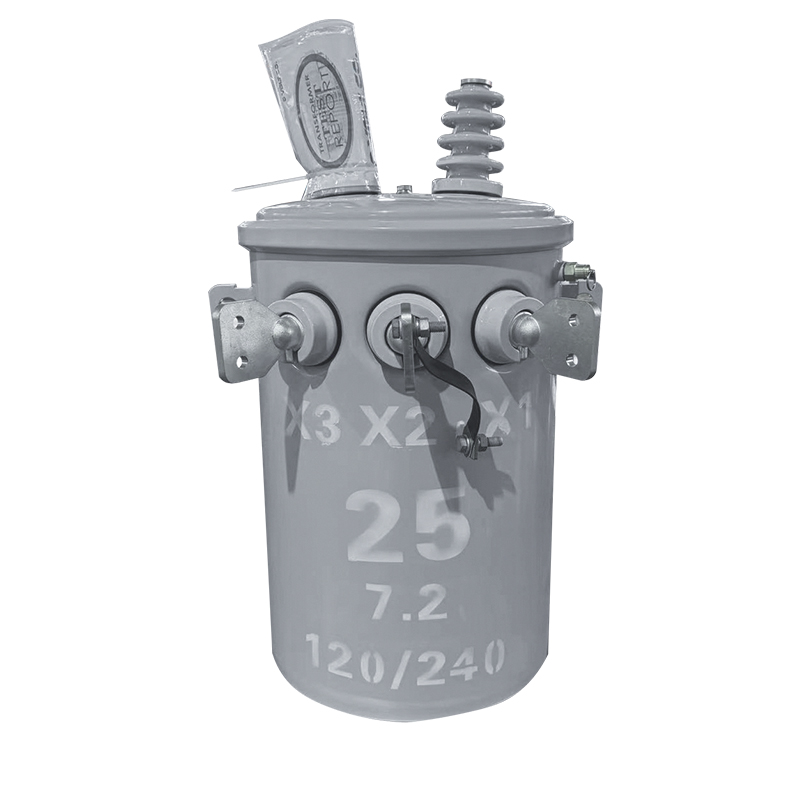
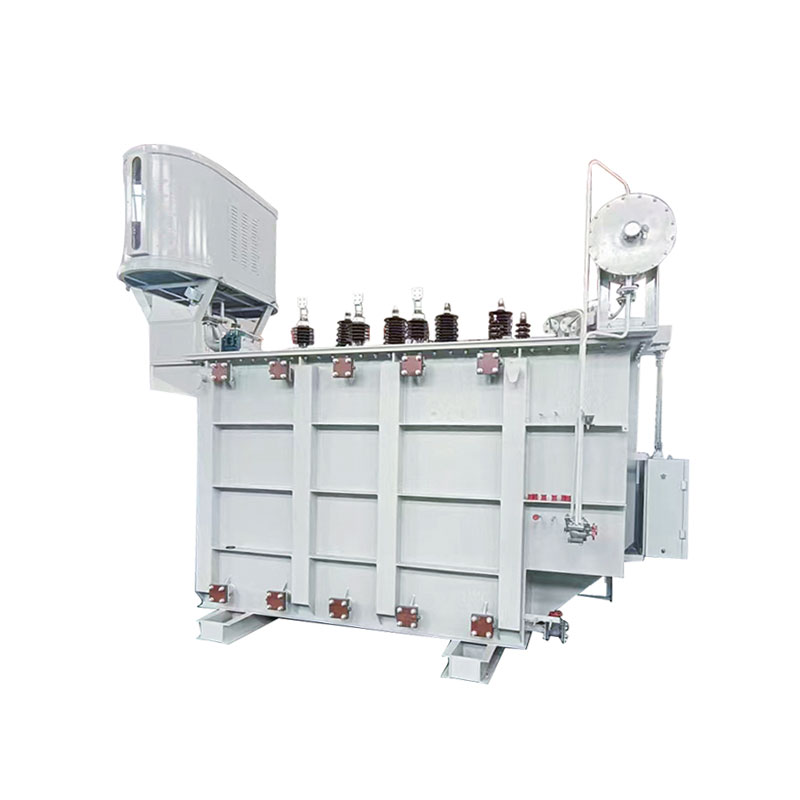
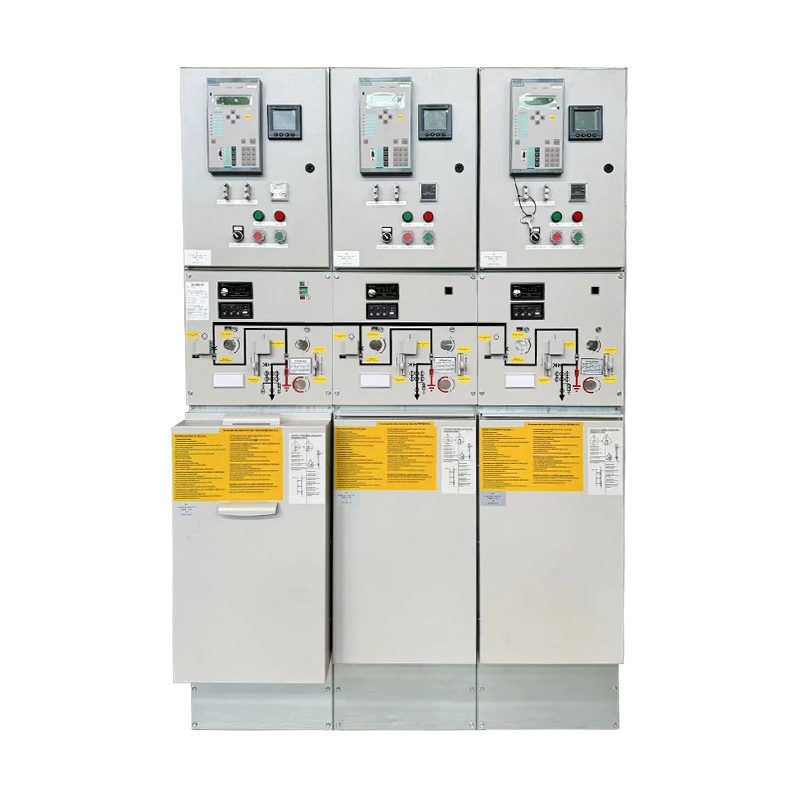
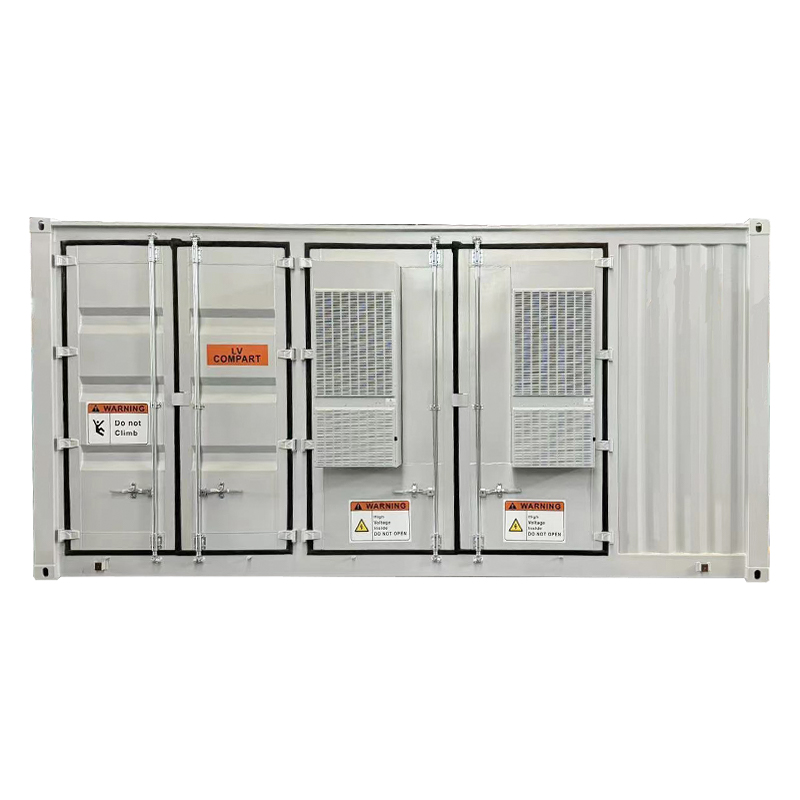
A Cabinet-Type Outdoor Prefabricated Substation, which is a compact, all-in-one electrical distribution solution designed for outdoor installation. Th...
See Details
Copyright © Jiangsu Dingxin Electric Co., Ltd. Rights Reserved.

Energy Efficient Transformers Manufacturers Electrical Transformers Factory
Contact Us