 English
 русский
 Español
Three-Phase Transformer With Oil Pillow
630KVA 11KV
See Details
Content
When you manage oil-immersed transformers, the insulating oil inside the tank is more than just a coolant — it is a silent witness to everything happening within the windings and core. Dissolved Gas Analysis (DGA) testing reads that witness statement by measuring the types and quantities of gases dissolved in the oil. These gases are generated by the thermal and electrical stresses placed on the insulation system during operation.
The principle has been known since 1928, and it remains the most cost-effective early fault detection tool available to maintenance engineers. DGA matters because it identifies developing problems — such as overheating, partial discharge, or arcing — while they are still manageable. Catching a fault at the incipient stage can prevent a catastrophic transformer failure, which in turn avoids unplanned outages, expensive repairs, and potential safety hazards. Alongside a complete oil-immersed transformer product range from a manufacturer with rigorous quality control, a solid DGA program forms the backbone of any proactive asset management strategy.
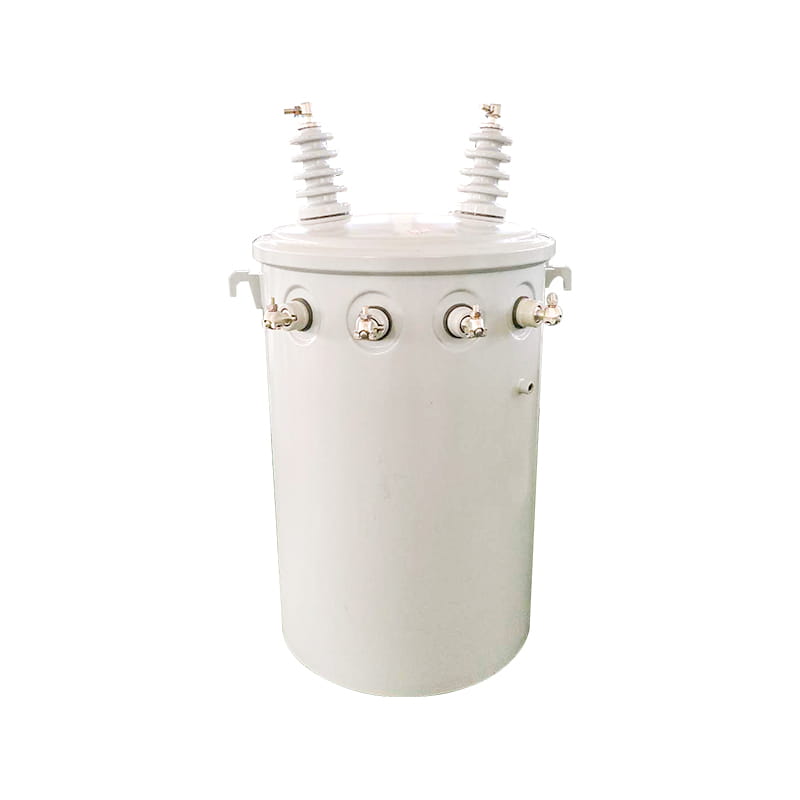 Oil Immersed Transformer Manufacturers, OEM/ODM FactoryJiangsu Dingxin Electric is China Custom Oil Immersed Transformer Manufacturers and OEM/ODM Oil Immersed Transformers Factory, Custom Oil...View Product →
Approximately one-third of an oil-immersed transformer's insulation system consists of liquid dielectric oil, with the rest being cellulose paper and pressboard. Both materials degrade under thermal and electrical stress, and they produce characteristic gases as they break down. These gases — hydrogen, methane, ethane, ethylene, acetylene, carbon monoxide, and carbon dioxide — dissolve into the oil at concentrations proportional to the severity of the stress.
During DGA testing, a sample of oil is extracted from the transformer and analyzed using gas chromatography. This technique separates the gas mixture into its individual components, allowing precise identification and quantification of each gas. The resulting gas profile provides a fingerprint of the transformer's internal condition.
Because gases remain dissolved in oil rather than escaping as free bubbles (in most cases), DGA can detect faults even in sealed transformers where visual inspection is impossible. This makes it uniquely suited to oil-filled equipment — whereas dry-type transformers rely on different diagnostic approaches, such as the testing and troubleshooting methods for dry-type transformers, which focus on insulation resistance and winding temperature rather than oil chemistry.
Each fault type in a transformer produces a distinct combination of gases. Understanding these relationships is foundational to interpreting DGA data.
A single gas in isolation rarely tells the full story. The most reliable DGA interpretation uses gas combinations. Here is a quick reference for common fault patterns:
| Fault Type | Key Gases | Typical Cause |
|---|---|---|
| Partial discharge | High H₂, moderate CH₄ | Corona in voids or sharp edges |
| Oil overheating | High C₂H₄, C₂H₆ | Overloaded windings, poor cooling |
| Cellulose overheating | High CO, CO₂ | Paper insulation degradation |
| Arcing | High C₂H₂, H₂ | Severe electrical discharge |
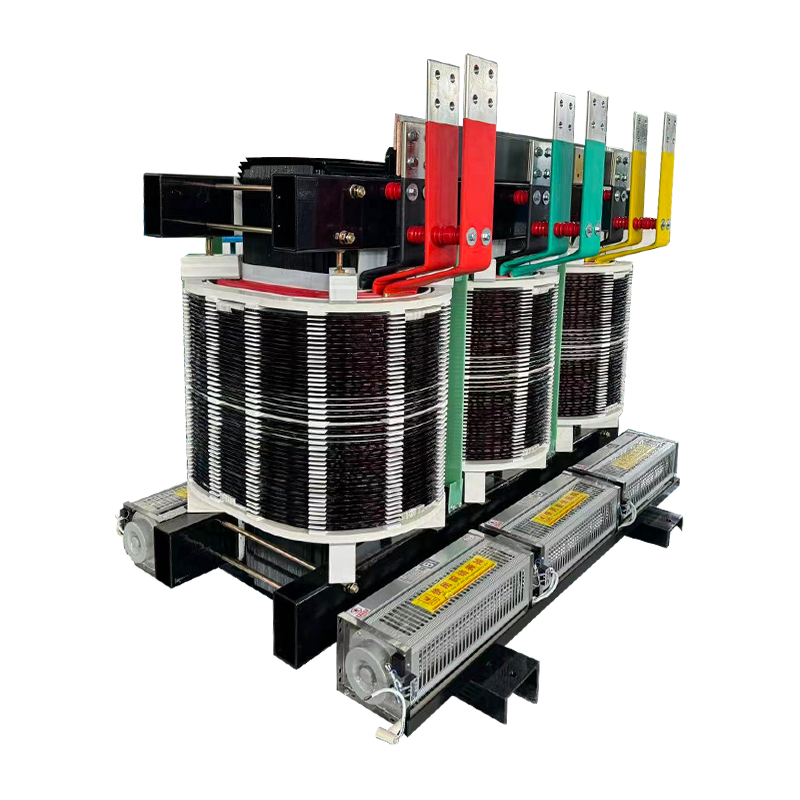
Special attention should be paid to fault modes in phase-shifting rectifier transformers, where harmonic currents and thermal cycling place additional stress on the insulation system, making gas production patterns more complex.
DGA testing can be performed in several ways, each with its own trade-offs:
Regardless of the method, proper sampling is non-negotiable. The sampling container must be scrupulously clean and airtight. Any leakage allows dissolved gases to escape or atmospheric gases to enter, both of which render the results meaningless. The sampling valve must be cleaned and flushed with oil before drawing the sample to avoid contamination from stagnant oil. Additionally, verifying oil level and checking for leaks at the sampling point is part of good practice — you should always review the causes and risks of transformer oil leakage before relying on any oil-based diagnostic.
While the technical community generally aligns with standards such as IEC 60599 and IEEE C57.104 for interpretation and recommended practices, the most valuable reference for your specific unit is its own historical DGA trend. We strongly recommend establishing a baseline DGA test on new transformers before they are placed in service — not after months of operation — so that future comparisons track changes relative to that initial condition.
Once the laboratory report arrives, the task is to separate normal aging from developing trouble. The most common interpretation methods include ratio-based approaches like the Duval Triangle and Roger's Ratio, which classify faults by comparing relative concentrations of specific gases. These methods are useful diagnostic shortcuts, but they are not infallible and should be used alongside other evidence.
More important than any single result is the gassing rate — how quickly gas concentrations are rising. A transformer with a stable gas level at a moderately high concentration may be less urgent than one where gas levels are doubling every month from a low baseline. Rapid gas generation typically signals active deterioration that demands immediate attention.
Trend analysis over multiple samples, taken months or years apart, provides the clearest picture of transformer health. For sampling frequency, a practical schedule is:
When interpreting results, maintain a four-tier judgment framework — normal, needs attention, needs re-test soon, and needs shutdown for inspection. This approach prevents both panic over minor fluctuations and complacency about real deterioration.
DGA is a powerful tool, but its value depends entirely on data quality. Common mistakes lead to incorrect conclusions, which are worse than no testing at all because they either trigger unnecessary maintenance or lull you into a false sense of security.
For a comprehensive assessment, pair DGA with moisture analysis, dielectric strength testing, and furan analysis in the same sampling session. Together, these tests give a complete picture of oil condition and insulation aging. Also remember that DGA is only one part of a broader inspection routine — a complete transformer maintenance and inspection program includes electrical tests, visual checks, and thermal imaging.
When DGA flags an anomaly, the path forward depends on severity and gas generation rate. Here is a practical decision framework:
DGA does not operate alone. It must be integrated with the transformer's overall condition monitoring program, including sweep frequency response analysis (SFRA) and dissolved moisture tracking. When a fault proves severe enough to require replacement, the choice of the next transformer becomes critical. Units with superior insulation systems and proven cooling designs — such as those found in 35kV oil-immersed power transformer specifications — typically show cleaner initial DGA baselines and more stable long-term gas trends. The amorphous alloy oil-immersed transformer design additionally reduces core losses, which lowers operating temperatures and consequently reduces thermal stress on the oil and paper insulation — a direct pathway to fewer gas-generating events.
DGA testing is the highest-return diagnostic available for oil-immersed transformer maintenance. It tells you what is happening inside the tank without opening it, and it gives you the lead time to act before a small problem becomes an expensive failure.
Make DGA a scheduled part of your asset management system. Establish clean baselines for new equipment, sample at consistent intervals, and track trends rather than isolated data points. As a manufacturer, we emphasize that transformer quality begins at the factory — careful vacuum drying, proper oil treatment, and strict quality control produce a unit with low initial gas content and a healthy starting point for DGA monitoring. Protect that investment with disciplined testing, and your transformers will reward you with decades of reliable service.
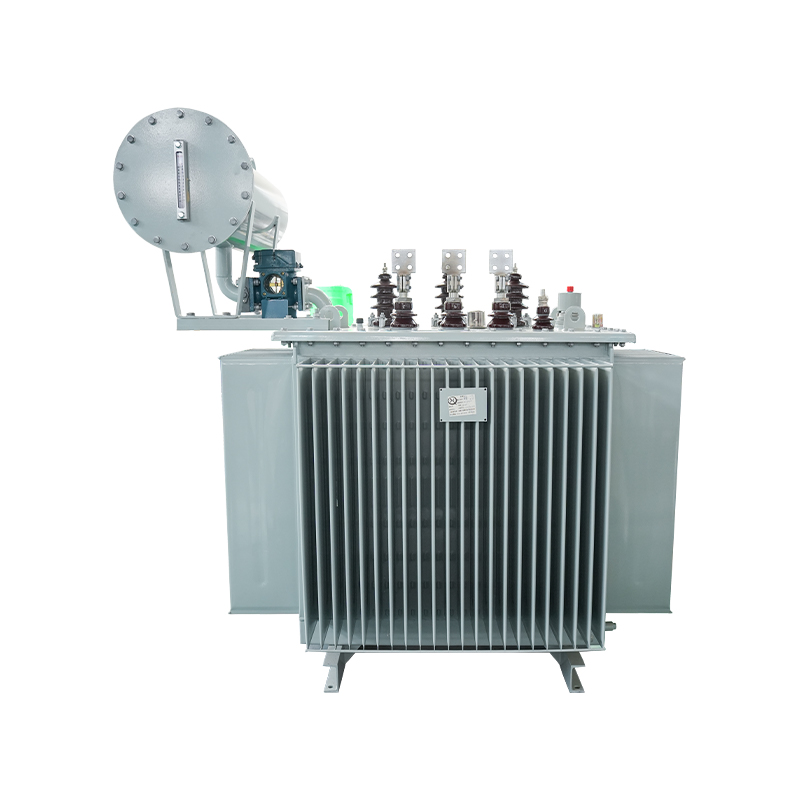
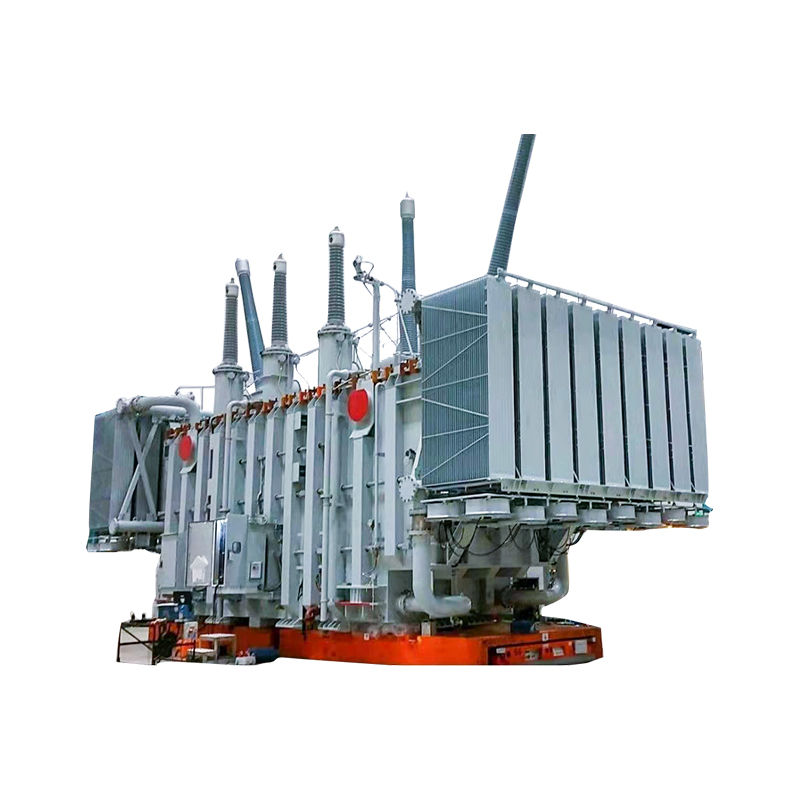
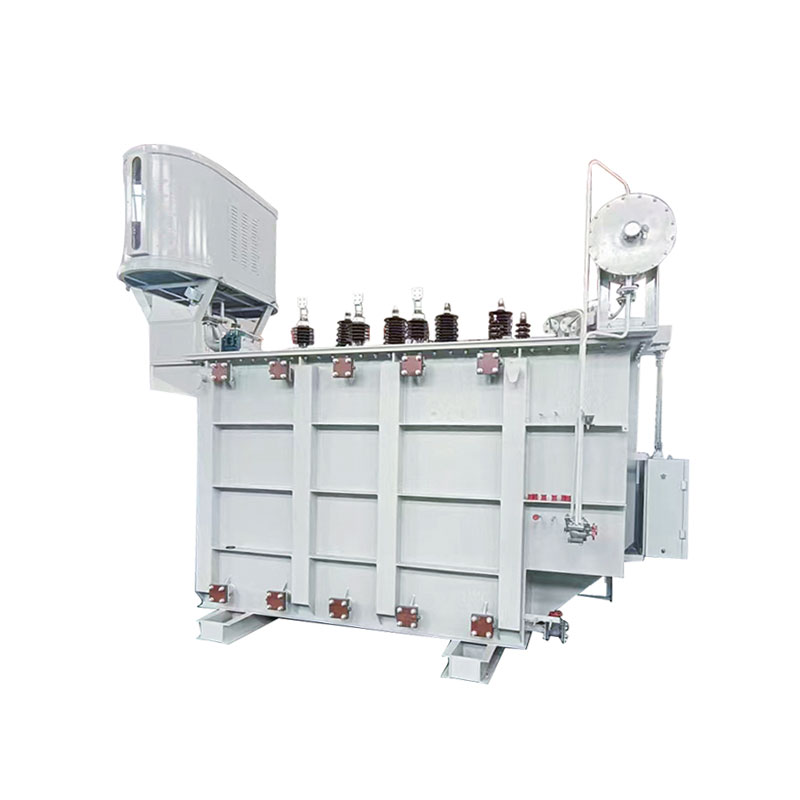
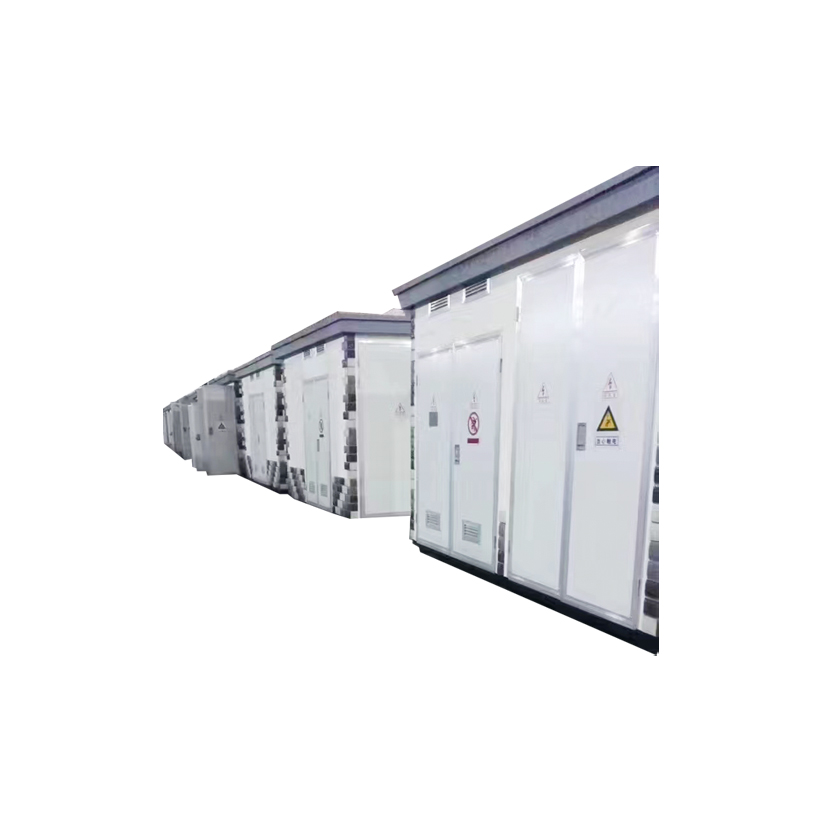
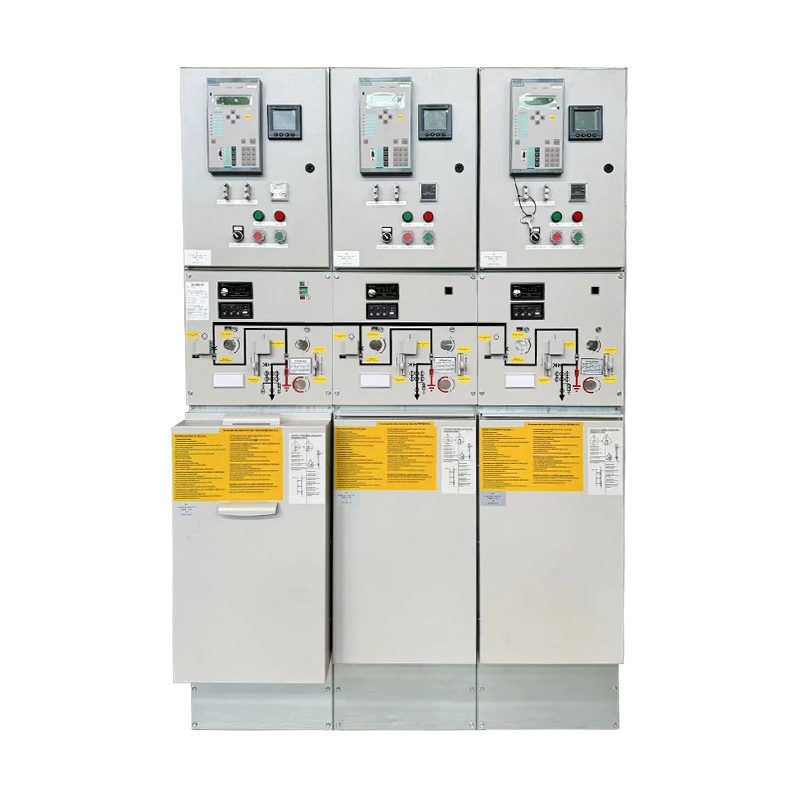
A Cabinet-Type Outdoor Prefabricated Substation, which is a compact, all-in-one electrical distribution solution designed for outdoor installation. Th...
See Details
Copyright © Jiangsu Dingxin Electric Co., Ltd. Rights Reserved.

Energy Efficient Transformers Manufacturers Electrical Transformers Factory
Contact Us