 English
 русский
 Español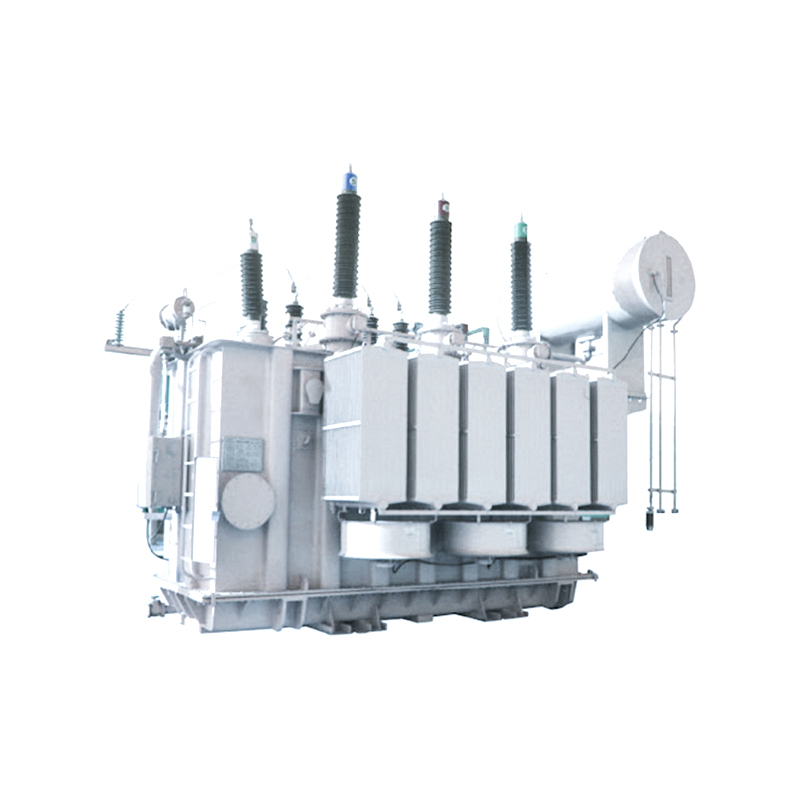
110kv Ultra-High Voltage Power Transformer
5MVA 110KV
See Details
Content
A dry-type transformer is often installed and then forgotten — tucked into a basement, a rooftop electrical room, or an industrial switchgear bay. Because it runs silently and requires no oil management, operators sometimes assume it needs little attention. That assumption is costly. Field data consistently shows that over 70% of transformer failures are preventable with timely inspection and routine maintenance.
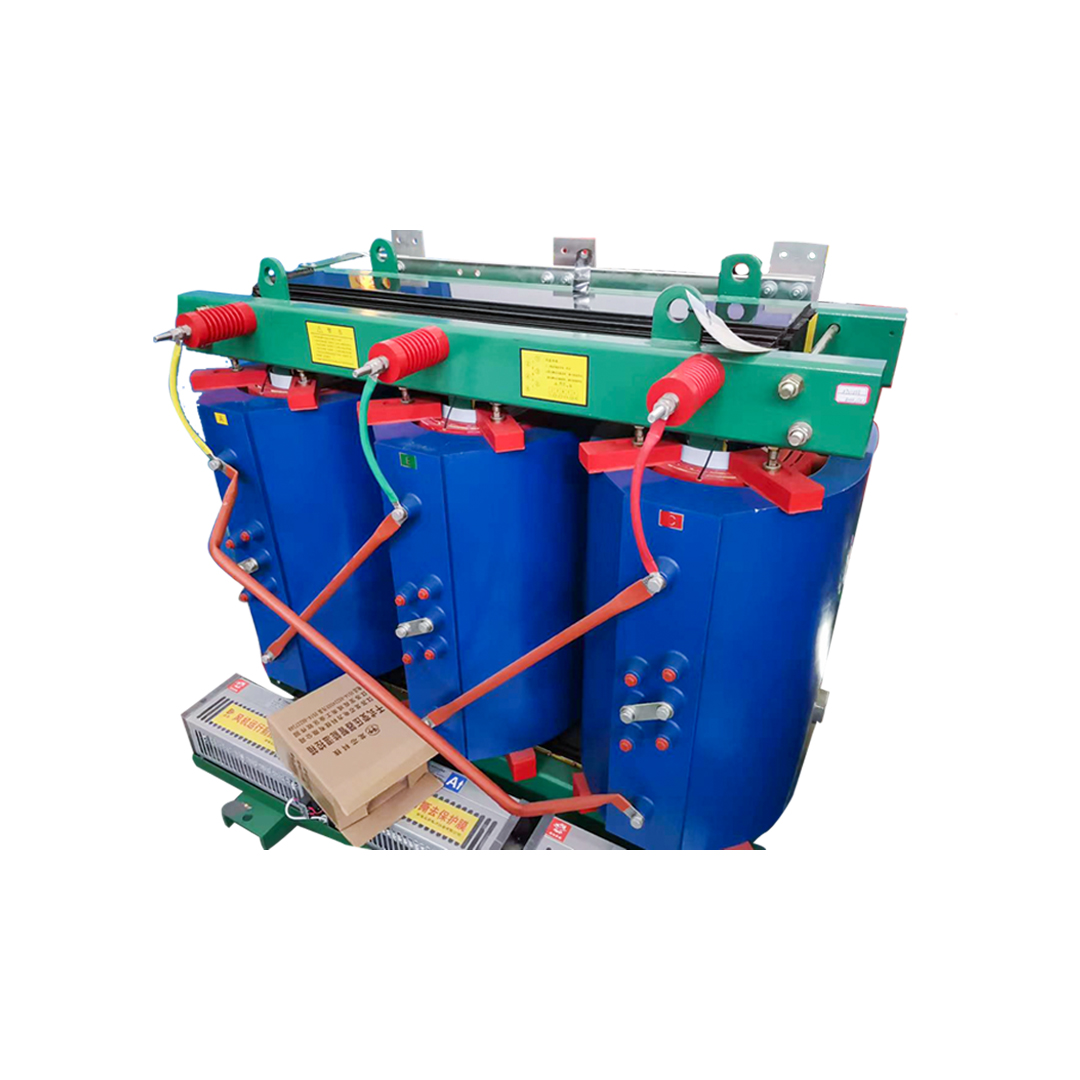
Dry-type transformers rely on solid insulation materials — typically epoxy resin or glass-fiber composites — and air cooling rather than oil. While this design eliminates the risks of oil leaks and oil-related fires, it introduces its own vulnerabilities: dust accumulation on windings, moisture ingress in humid environments, insulation degradation from thermal cycling, and loose electrical connections from vibration. None of these issues announce themselves loudly. They develop slowly, and when they reach a critical threshold, the result is often an unplanned outage or a catastrophic winding failure.
A structured maintenance program addresses each of these failure modes before they escalate. This guide walks through the full maintenance cycle — from visual inspection through electrical testing — and shows how to build a preventive schedule that matches the actual operating environment of your equipment.
Visual inspections are the first line of defense. They cost nothing but time, and when performed consistently — ideally every one to three months — they catch the majority of developing problems before any instrument is needed. A proper inspection covers five areas.
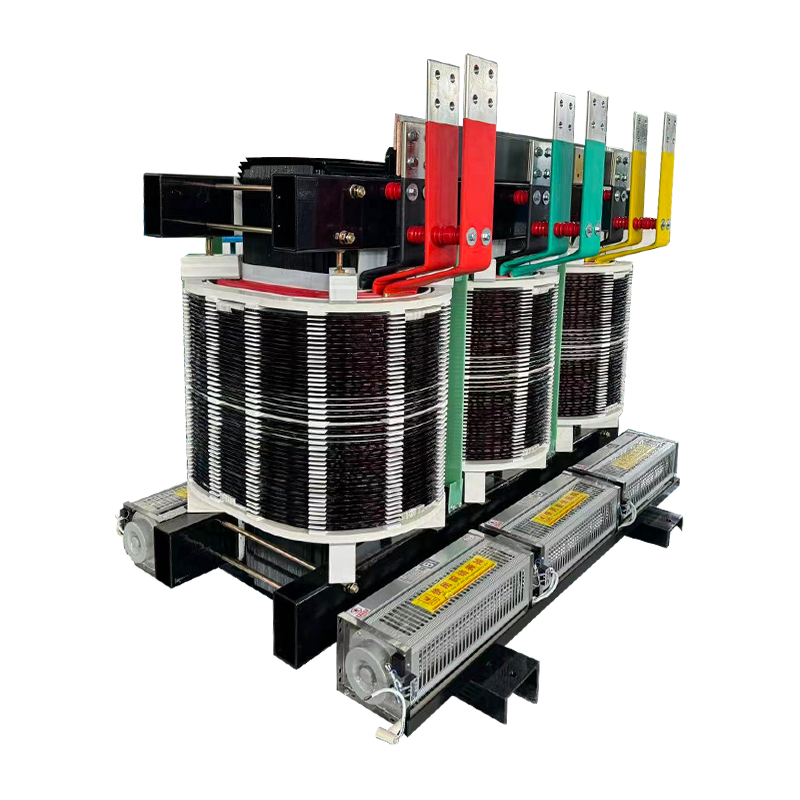
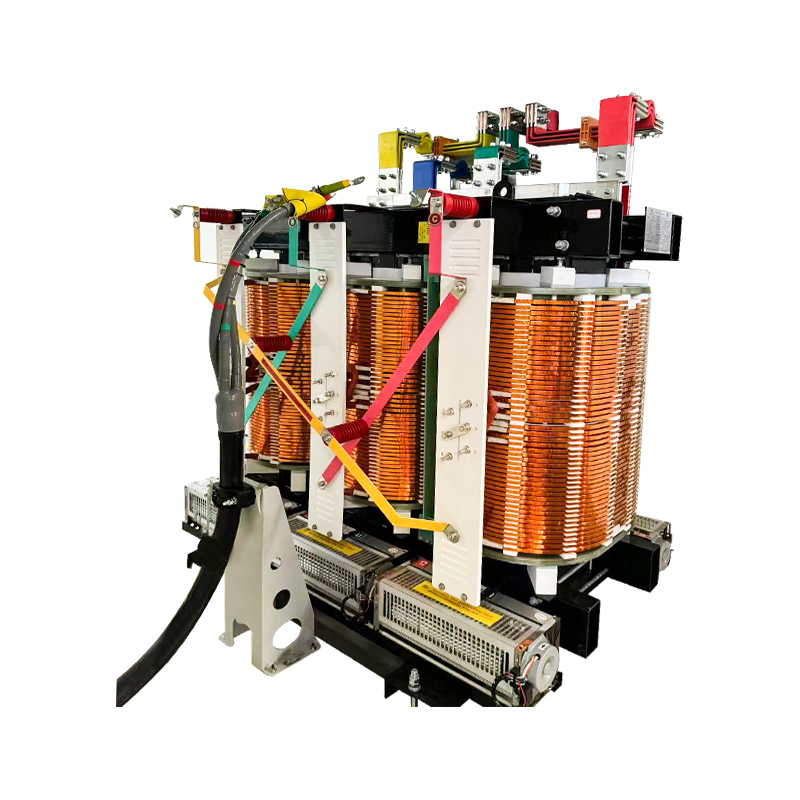
Examine the surface of the high-voltage and low-voltage windings under good lighting. Look for discoloration ranging from light yellow to dark brown or black — these color gradients indicate increasing levels of thermal stress. Fresh epoxy resin is typically pale green or off-white; any brown staining around the coil ends or on the core limbs signals that operating temperatures have been exceeding design limits. Note the location and approximate area of any discoloration for trend tracking.
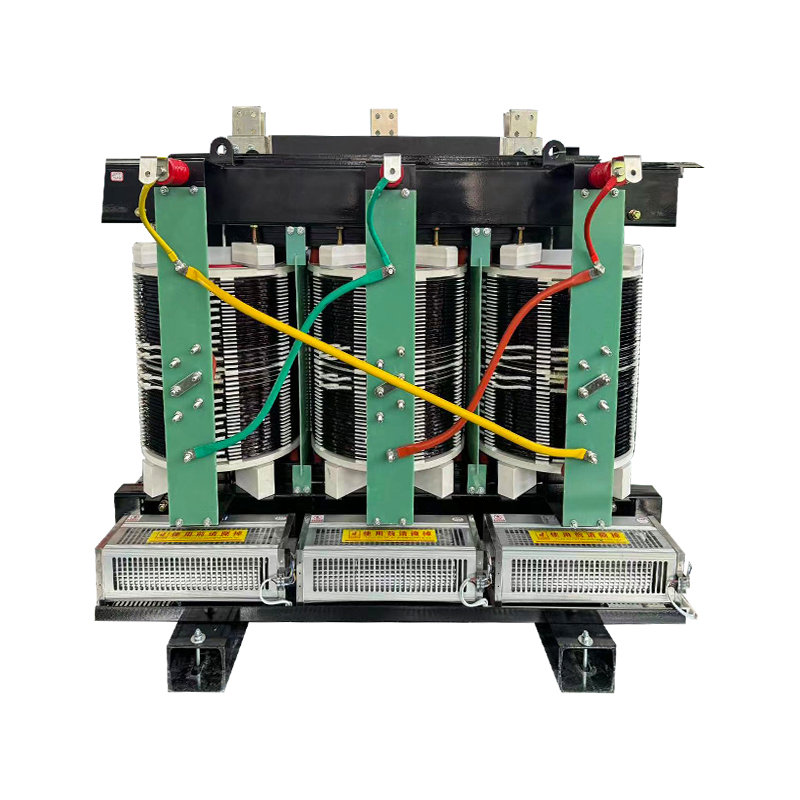
Check all bus bar connections, cable lugs, and terminal block fasteners. Vibration during normal transformer operation gradually loosens bolted connections, increasing contact resistance. A connection with elevated resistance generates localized heat, which accelerates insulation aging in the surrounding area. Look for heat discoloration on terminal surfaces, white or powdery oxidation on copper contacts, and any evidence of arcing marks. Tighten connections found to be below specified torque values immediately.
Inspect the transformer enclosure for physical damage — dents, corrosion, or door seals that no longer seat correctly. More importantly, verify that ventilation openings are unobstructed. A blocked air inlet or outlet can raise internal operating temperatures by 10°C or more, which according to the Arrhenius thermal aging model reduces insulation service life by approximately half for every 10°C sustained increase. Ensure that the clearance zones specified by the manufacturer around the enclosure remain free of stored materials or new equipment placed in the vicinity.
Confirm that the tap changer is set to the correct position for the current network voltage and that its locking mechanism is fully engaged. An improperly locked tap changer can vibrate out of position under load, introducing voltage imbalance or, in the worst case, an open-circuit condition on the energized winding.
In environments with high humidity or significant temperature swings, check the lower sections of the enclosure for water droplets or rust streaks. Condensation on winding surfaces is a serious concern: water dramatically lowers surface resistivity and can initiate partial discharge activity that is not visible but rapidly erodes epoxy insulation.
Dust is the most common maintenance issue for dry-type transformers installed in industrial facilities, construction sites, or locations near HVAC intakes. A layer of conductive or hygroscopic dust on winding surfaces reduces creepage distances and can initiate surface tracking — a progressive carbonization path across the insulation surface that eventually leads to flashover.
Cleaning should always be performed with the transformer de-energized and locked out. Allow adequate cool-down time after disconnection — typically 30 minutes at minimum for units that were operating under load.
Use a clean, dry industrial vacuum cleaner with a non-metallic nozzle to remove loose dust from coil surfaces, core fins, and the bottom of the enclosure. Follow with filtered compressed air at low pressure (no more than 0.2 MPa) directed along the winding ducts to clear deposits from internal passages. Avoid blowing compressed air across the winding surface at high angles, as this can drive particles deeper into narrow gaps between the coil and core.
When dust has combined with moisture or oil vapor to form a sticky film, dry vacuuming alone is insufficient. Use a lint-free cloth lightly dampened with isopropyl alcohol (concentration 99% or higher) to wipe exposed winding surfaces. Allow complete drying before re-energizing — typically 4 to 8 hours in a ventilated room at 20°C or above. If the environment is particularly humid, a low-temperature drying oven or portable heat gun on the lowest setting can be used to accelerate moisture removal before the transformer is returned to service.
| Installation Environment | Recommended Cleaning Interval |
|---|---|
| Clean office or commercial building | Once per year |
| Light industrial, moderate dust | Every 6 months |
| Heavy industrial, high dust or chemical vapor | Every 3 months |
| Coastal or high-humidity environment | Every 3 months, with post-cleaning drying |
Temperature is the single most important operating parameter for a dry-type transformer. Insulation thermal class determines the maximum allowable winding temperature: Class F insulation is rated to 155°C, Class H to 180°C. Sustained operation above these thresholds accelerates molecular degradation of the resin system. Each 10°C of sustained overtemperature roughly halves the remaining insulation life.
Most modern dry-type transformers are equipped with embedded Pt100 resistance temperature detectors (RTDs) or thermistor probes positioned in the hottest zone of the low-voltage winding. These connect to a temperature controller mounted on the enclosure door that provides a real-time readout, alarm output at a configurable threshold (typically 20°C below maximum), and trip output for emergency de-energization.
During maintenance rounds, verify that the temperature controller display matches expected values for the current load level. A sudden unexplained rise in reported temperature — without a corresponding increase in load — may indicate a failing cooling fan, a blocked ventilation duct, or the early stages of a developing inter-turn fault.
For installations without embedded sensors, or as a supplementary check, an infrared thermography camera provides a fast and non-contact thermal survey of the entire transformer during operation. Scanning from a safe distance with the enclosure door open (where local safety rules permit) reveals thermal anomalies that point-source sensors may miss — particularly asymmetric heating between phases, which can indicate load imbalance or a developing fault in one winding leg.
Transformers fitted with forced-air cooling fans should have their fans inspected every six months. Check for bearing noise by listening for grinding or irregular rotation when the fans are powered. Confirm that the fan blades rotate freely without wobble and that the airflow direction matches the arrow markings on the fan guard. Replace fans approaching their rated bearing life (typically 20,000 to 30,000 hours of operation) proactively, before failure occurs.
Electrical testing during planned outages provides quantitative data that visual inspection cannot. Two tests are fundamental to any maintenance program: insulation resistance measurement and winding resistance measurement.
Use a calibrated insulation resistance tester (megohmmeter) to measure resistance between each winding and ground, and between the high-voltage and low-voltage windings. Apply the test voltage appropriate for the winding voltage class — typically 1,000 V DC for windings rated up to 1 kV, and 2,500 V DC or 5,000 V DC for medium-voltage windings. Record the one-minute reading.
Acceptable IR values vary by winding voltage class, temperature, and insulation type, but as a general benchmark, readings below 100 MΩ for a medium-voltage winding at 20°C warrant investigation. More valuable than any single reading is the trend: a consistent downward trend across multiple test intervals — even if individual readings remain above minimum thresholds — indicates progressive insulation degradation and should trigger a more detailed diagnostic assessment.
The Polarization Index (PI) — calculated as the ratio of the 10-minute reading to the 1-minute reading — provides additional information about insulation condition. A PI value above 2.0 is generally considered healthy; values below 1.5 suggest moisture contamination or significant aging of the insulation system.
DC winding resistance measurement detects issues that IR testing does not: loose tap changer contacts, broken conductor strands, and high-resistance solder joints. Measure each phase winding individually and compare to the factory test report values (corrected for temperature). A deviation greater than 2% from factory values, or a significant discrepancy between phases, is a clear indicator requiring follow-up investigation before the transformer is returned to service.
| Test | Recommended Frequency | Primary Purpose |
|---|---|---|
| Insulation Resistance (IR) | Annually (or after any flood/moisture event) | Detect moisture ingress and insulation aging |
| Polarization Index (PI) | Annually, combined with IR test | Assess overall insulation quality |
| Winding Resistance | Every 2–3 years or after tap changer adjustment | Detect loose connections and conductor defects |
| Infrared Thermography | Annually, under representative load | Identify hot spots and cooling anomalies |
| Connection Torque Check | Every 2 years or after any significant vibration event | Prevent high-resistance joints |
Experienced maintenance personnel develop a feel for what a healthy transformer looks and sounds like. Any deviation from the baseline condition warrants logging and investigation. The following signs are among the most reliable early indicators of developing problems.
A preventive maintenance schedule that exists only on paper provides no protection. It must be tied to a work order system, assigned to responsible personnel, and documented with dated records that allow historical comparison. The structure below provides a practical framework that can be adapted to the actual operating conditions of any facility.
For H-class insulation dry-type transformers operating in demanding environments — high ambient temperatures, heavy continuous loading, or significant harmonic content in the supply — it is advisable to move some annual tasks to a semi-annual frequency and to add winding resistance testing to the annual schedule from the outset.
Most routine maintenance activities fall within the capability of a qualified in-house electrical maintenance team. However, certain findings require factory-level expertise or specialized equipment that most facilities do not possess. The following situations call for direct engagement with the transformer manufacturer.
Proactive communication with the manufacturer is always preferable to reactive repair. Most transformer manufacturers maintain records of factory test results and design parameters that are essential for accurate diagnosis. When reaching out for support, provide the nameplate data, the date of manufacture, a summary of maintenance history, and the specific test values or observations that prompted the inquiry. If you are evaluating a new installation or need to discuss service options for existing equipment, you are welcome to contact our technical team for guidance.
A well-maintained dry-type transformer reliably serves its rated life of 25 to 30 years. The investment in a consistent maintenance program — measured in hours of technician time and modest test equipment costs — is small relative to the cost of an unplanned failure, emergency replacement, and the downstream production losses that a transformer outage can trigger. Prevention, in this case, is not merely better than cure. It is significantly cheaper.

Copyright © Jiangsu Dingxin Electric Co., Ltd. Rights Reserved.

Energy Efficient Transformers Manufacturers Electrical Transformers Factory
Contact Us