 English
 русский
 Español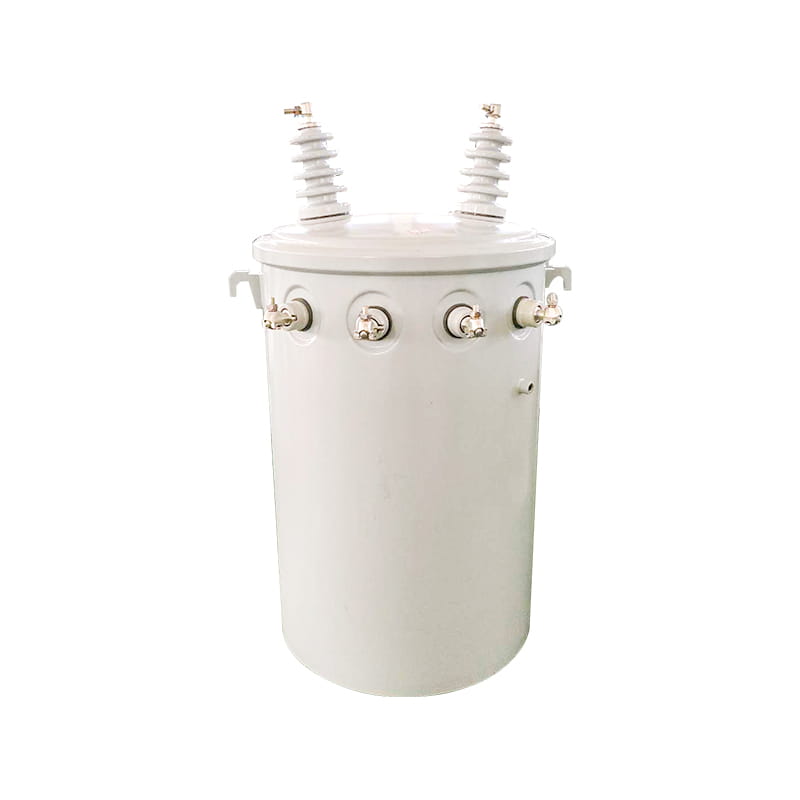
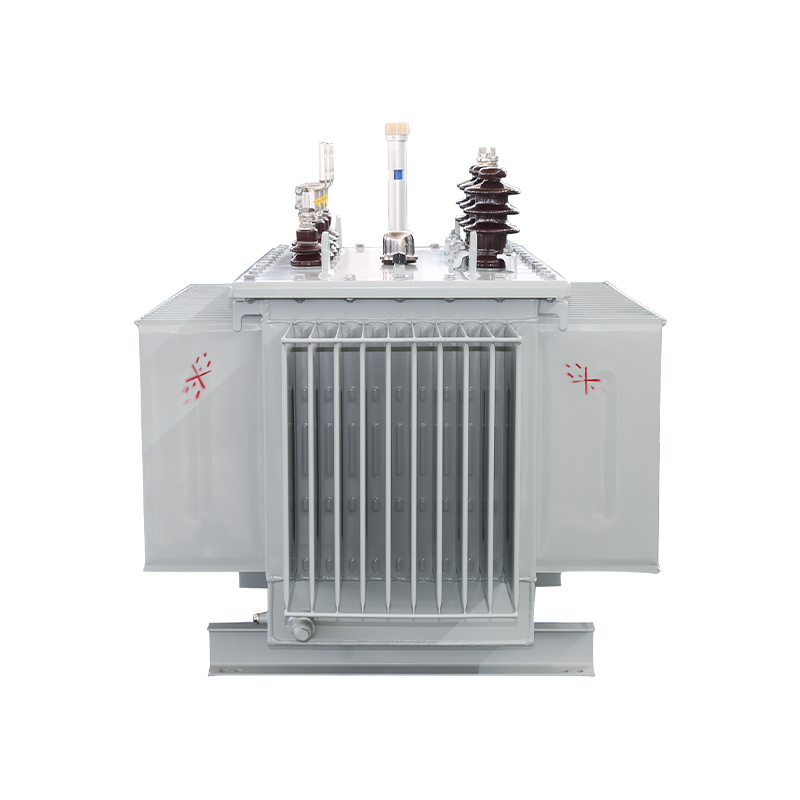
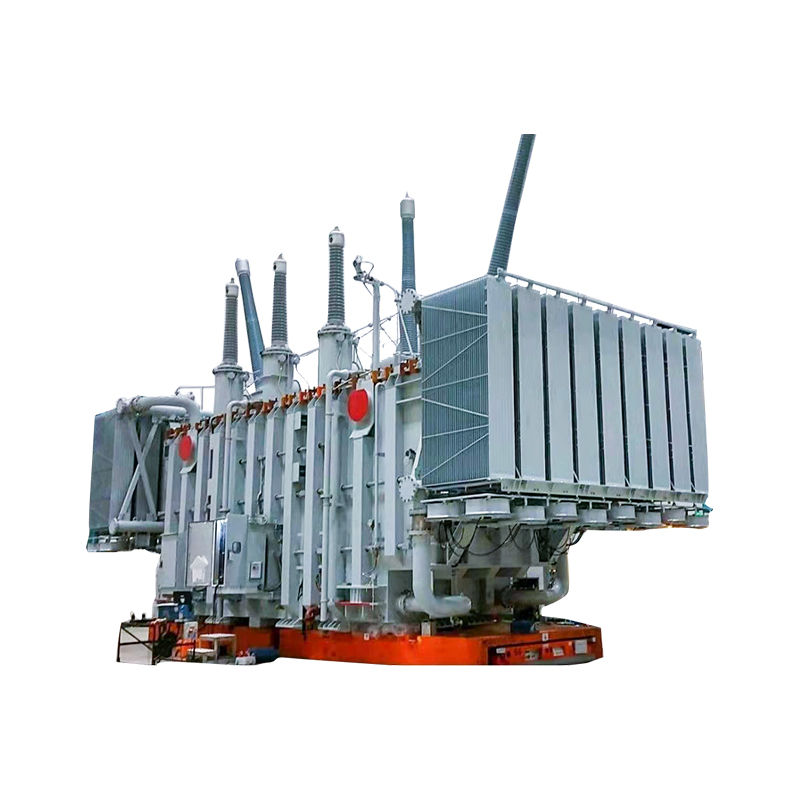
Amorphous Alloy Oil-Immersed Three-Phase Transformer
200KVA 10KV
See Details
Content
A single drop per minute leaking from a 40-year-old substation transformer may seem trivial — until that slow seep escalates into a 1,000-gallon spill that triggers an EPA fine of $50,000 per day. Transformer oil leakage is never a minor issue; it's a leading indicator of mechanical deterioration, a compliance liability, and a direct threat to uptime. Yet too many maintenance teams still treat it as a visual annoyance instead of a critical system failure. The real cost surfaces when you weigh a $500 gasket replacement against $150,000 in emergency cleanup and lost production.
This article moves straight past surface-level symptoms and into actionable engineering decisions. You will learn how to pinpoint leak origins by location, how to classify risk using leak rate data, and how to choose between repair and replacement based on a quantifiable decision matrix. The guidance draws on field-tested methods for detection, EPA spill reporting obligations, and factory-level design features that prevent leaks before the first drop falls.
Leaks occur when the containment system fails under thermal cycling, vibration, or corrosion. The root cause is almost always one of four culprits: degraded gaskets, compromised welds, corrosion-thinned metal, or loosened bolts. Identifying which one you are dealing with starts by looking at where the oil appears. Leak location is the fastest path to a root cause diagnosis.
Gaskets account for roughly 60% of all reported oil leaks. Over time, the elastomeric materials — often nitrile or cork — lose compressibility and take a permanent set, especially at bushing turrets and flanged radiator connections. Weld defects, by contrast, are more common in older tanks and can manifest as hairline cracks at stress risers near lifting lugs or base reinforcements. Corrosion is insidious: a pinhole in a radiator fin may weep less than one drop per hour, but without intervention, the surrounding metal will continue to thin. Bolts loosen due to thermal expansion cycles; a flange that was properly torqued at 60 Nm can lose 15–20% of its clamping force within three years if not rechecked.
| Location | Most Frequent Cause | Initial Symptom | Recommended Priority |
|---|---|---|---|
| Bushing gasket | Gasket aging / compression set | Wet ring around porcelain | Plan 30-day repair |
| Radiator fin or header seam | Corrosion or weld fatigue | Staining, crusty deposits | Emergency if active dripping |
| Main tank weld | Weld defect or stress cracking | Fine oil mist, dirt accumulation | Immediate shutdown if crack propagates |
| Flange / valve / drain | Loose bolts, gasket failure | Seepage, slow drip | Tighten bolts, monitor for 2 weeks |
Not all leaks demand an immediate outage, but the threshold between manageable and catastrophic is narrower than it appears. A leak that saturates the ground introduces a fire risk: transformer oil has a flash point around 150°C, and pooled oil near a cable trench becomes an accelerant if an internal fault occurs. Environmental liability is equally pressing — one barrel (42 gallons) of spilled oil can migrate into drainage systems and trigger mandatory reporting under the U.S. EPA’s Spill Prevention, Control, and Countermeasure (SPCC) rule.
We recommend a three-tier classification based on leak rate. Field teams can gauge leak severity by counting drops per minute with a stopwatch and a clean rag. The resulting category dictates the response clock.
| Leak Rate | Risk Level | Max Response Time | EPA Report Trigger |
|---|---|---|---|
| <5 drops/min (seepage) | Low | 30 days | Not required if contained |
| 5–30 drops/min (active drip) | Medium | 7 days | Required if >42 gal cumulative in 24h |
| >30 drops/min or continuous stream | High | Immediate shutdown | Mandatory within 15 minutes of discovery |
Beyond the regulatory clock, a high-risk leak almost always coincides with degraded insulation. Oil loss exposes windings to air and moisture, accelerating paper cellulose breakdown. A transformer that loses 10% of its oil volume can see its BIL (Basic Insulation Level) drop by an estimated 20%, compounding the outage risk.
Early detection transforms a $300 material repair into a planned maintenance task instead of a $100,000 emergency. The right detection method depends on asset criticality, budget, and how much risk you are willing to absorb between inspections. Below we compare the five most common approaches.
| Method | Detection Precision | Response Time | Installed Cost (USD) | Best For |
|---|---|---|---|---|
| Manual visual inspection | Moderate — catches drips, misses micro-seeps | Days to weeks | $0–$500 (labor only) | Small substations, budget-constrained |
| Oil level gauge & trending | Coarse — only detects cumulative loss | Weeks | $200–$800 | All transformers; baseline monitoring |
| Dissolved gas analysis (DGA) | Indirect — flags arcing, not leak location | Hours (lab) or online | $3,000–$15,000 | Critical units; complements leak detection |
| Capacitive printed sensor | High — detects first drop, pinpoints area | Seconds | $1,200–$3,500 | Oil-filled transformers indoors/outdoors |
| Infrared thermography | Good — identifies temperature anomalies from leaking oil | Minutes (scan) | $500–$2,000 per annual scan | Routine thermal surveys |
Capacitive sensors offer an advantage for transformers where oil loss could go unnoticed for months. These sensors wrap around flanges and produce a signal the moment mineral oil bridges the electrode pattern, giving control rooms a real-time alarm. Meanwhile, a quarterly infrared scan catches leaks indirectly by highlighting cooler spots where evaporating oil absorbs heat. The most cost-effective strategy pairs monthly visual checks with an annual DGA sample and an infrared sweep every six months on assets above 10 MVA.
Throwing sealant at a 35-year-old unit with multiple weld cracks is often worse than doing nothing — it delays the inevitable while adding man-hours and material cost. A rational decision framework weighs three variables: remaining service life, repairability of the leak location, and repair cost relative to new unit price.
Oil-immersed transformers that have exceeded 80% of their design life and present leaks at multiple tank welds are strong candidates for replacement. Conversely, a leak confined to a replaceable gasket on a well-maintained 10-year-old unit is a straightforward repair. If cumulative repair costs exceed 30% of a new transformer’s factory price, replacement becomes economically superior under a 10-year TCO model.
| Condition | Recommendation | Cost Estimate (Typical) |
|---|---|---|
| Remaining life <5 years; tank crack | Replace immediately | $25,000–$80,000 (new unit) |
| Remaining life >10 years; gasket leak only | Repair gasket, retorque bolts | $500–$3,000 |
| Multiple flange leaks; repair >30% of new cost | Evaluate power transformer replacement with improved design | Varies; compare TCO |
| Weld crack on accessible flat plate | Repair with certified welder, oil drained | $2,000–$8,000 |
| Severe corrosion on tank body | Replace tank or complete unit | $15,000–$45,000 |
When replacement is justified, selecting a unit designed with full-penetration welds and double-gasketed flanges dramatically reduces future leak risk. The long-term avoided maintenance cost can pay back the initial premium within the first oil change interval.
Before any repair, isolate the transformer, verify zero energy, and collect the leaking oil in a containment pan. The three most frequent field repairs involve gaskets, bolts, and non-structural tank surfaces.
A disciplined checklist eliminates 80% of sudden oil loss incidents by catching deterioration in the earliest stages. We recommend a quarterly inspection for transformers in continuous service, with annual deep dives that include oil sampling.
In the United States, a release that exceeds 42 gallons in any 24-hour period — or any amount that reaches navigable water — must be reported immediately to the National Response Center under SPCC regulations (40 CFR Part 112). Failure to report carries a penalty of up to $50,000 per day until corrected. Even a slow drip can accumulate to that threshold faster than maintenance logs suggest: a leak of 7 drops per minute on a 10,000-gallon unit can exceed a barrel in just under 48 hours.
OSHA’s HazCom standard (29 CFR 1910.1200) further requires that any employee handling transformer oil must have access to the safety data sheet, which notes the oil’s irritant classification and potential PCB content if the transformer predates 1979. All spill response materials — booms, absorbent pads, and a sealed recovery container — must be staged within 50 feet of the transformer and listed in the facility’s SPCC plan.
Leakage is not just an aging problem; it is a design quality indicator. Transformers manufactured with continuous welded seams, double gaskets on bushing pockets, and corrosion-resistant tank coatings show an average of 80% fewer leak incidents over a 25-year life than those built with cheaper bolted designs. When specifying new equipment, these five design parameters make a measurable difference:
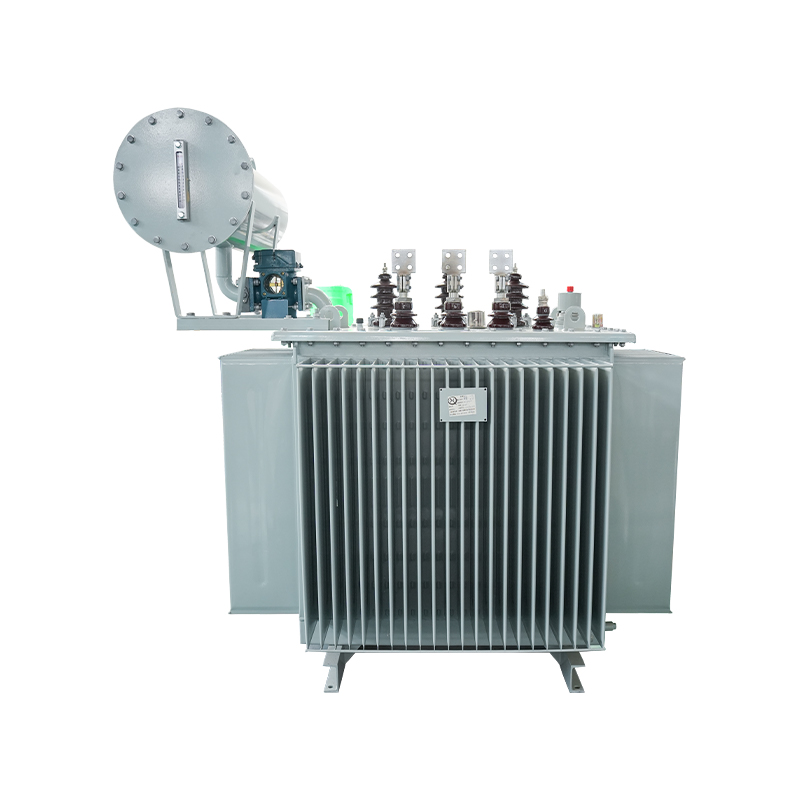
Choosing a transformer built to these standards — such as those available in the oil-immersed transformer product line — shifts the risk profile from reactive to preventive. The small upfront investment in design quality pays back many times over in avoided spill expenses, regulatory fines, and service interruptions.

Copyright © Jiangsu Dingxin Electric Co., Ltd. Rights Reserved.

Energy Efficient Transformers Manufacturers Electrical Transformers Factory
Contact Us