 English
 русский
 Español
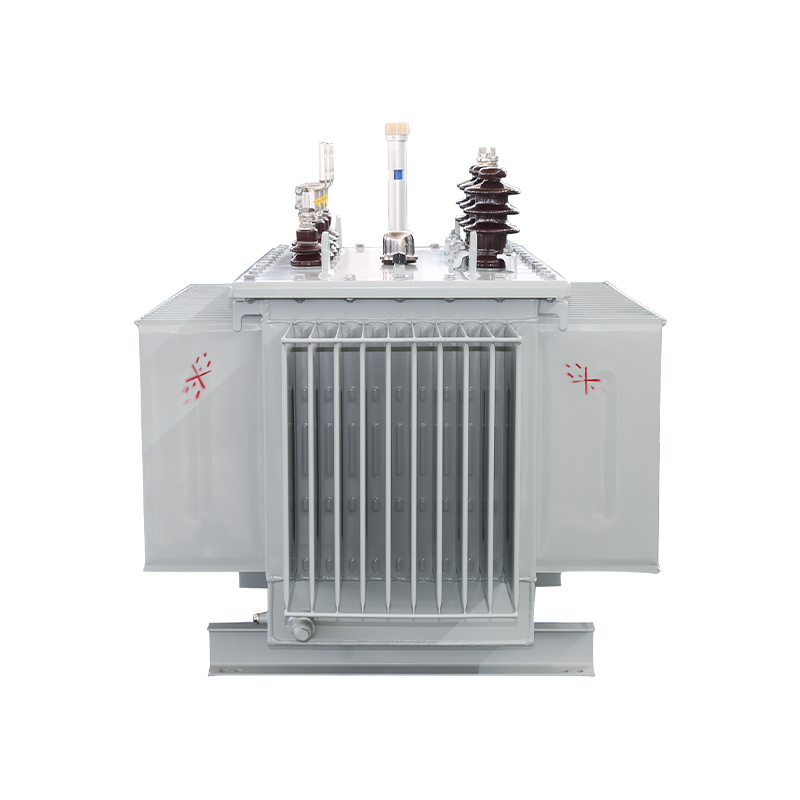
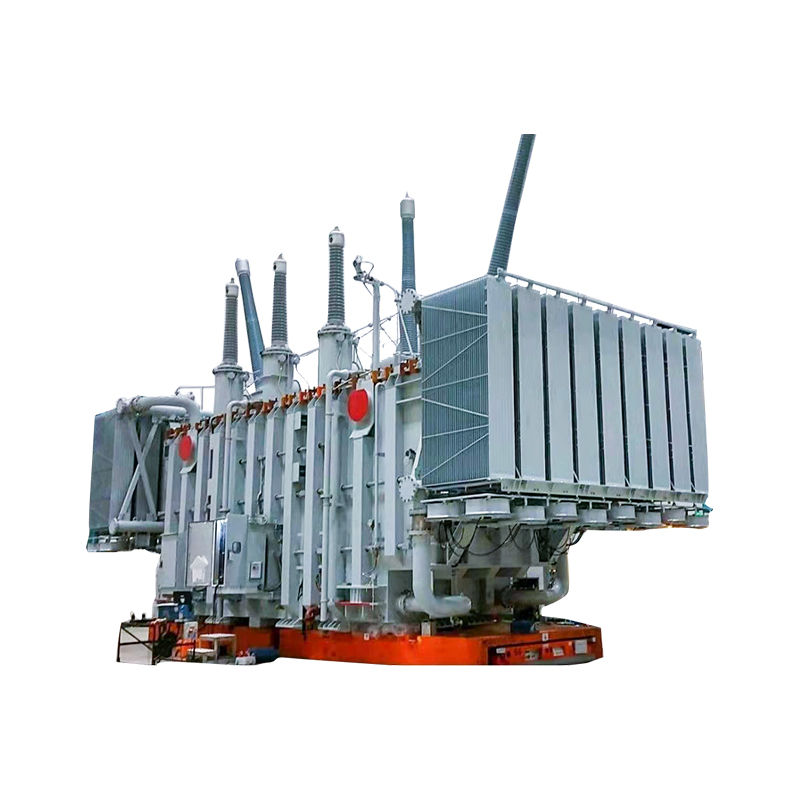
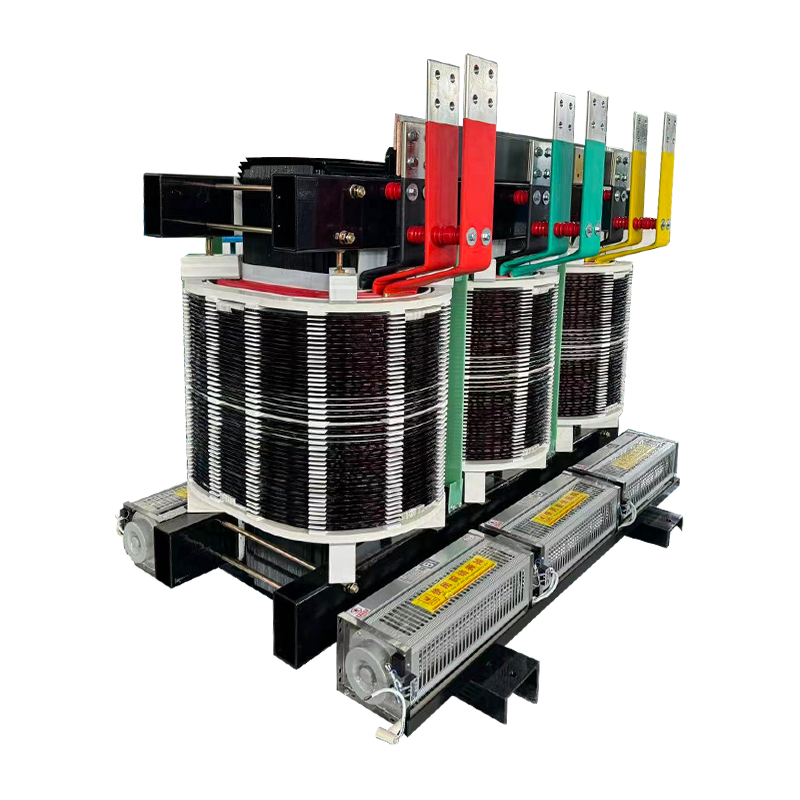
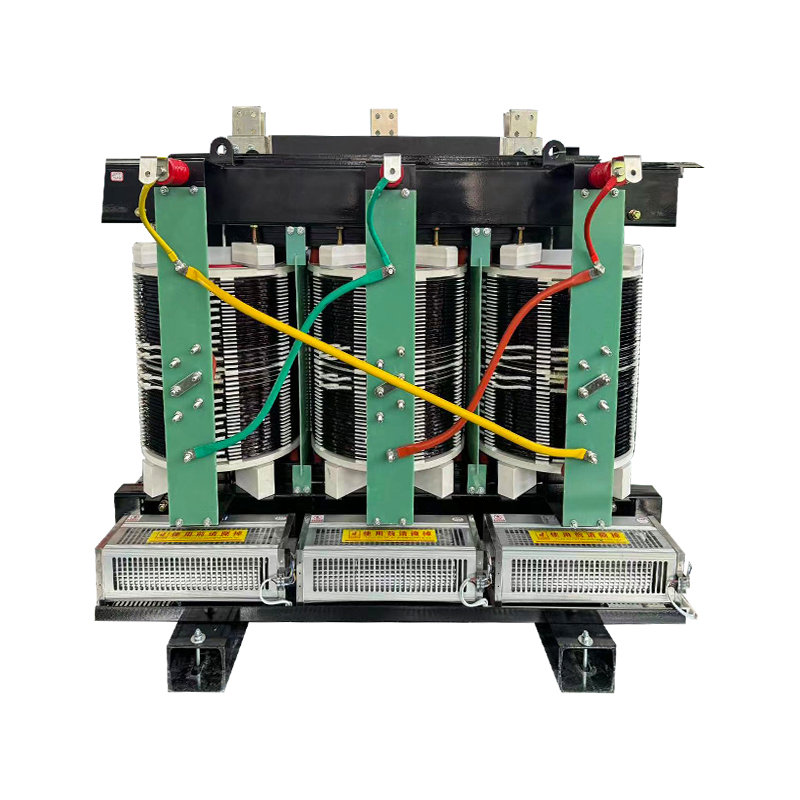
Amorphous Alloy Oil-Immersed Three-Phase Transformer
200KVA 10KV
See Details
Content
A voltage deviation of just 5% can reduce induction motor lifespan by up to 50%. That single statistic explains why load tap changers exist. A load tap changer (LTC) is an electromechanical device integrated into a power transformer that adjusts the transformer’s output voltage while the transformer remains energized and under load. It does so by moving the connection point on one winding through a series of fixed taps, altering the effective turns ratio in discrete steps. Typical regulation range is ±10% of nominal voltage, with step sizes between 0.625% and 1.25% per step.
Without an LTC, voltage regulation can only be performed when the transformer is de-energized, using a no-load tap changer (NLTC). The LTC’s ability to change taps under full load makes it essential for grids and industrial plants where load fluctuates continuously. A failed LTC can trigger cascading outages, so its reliability directly affects system stability. Below is a side-by-side comparison that captures the fundamental difference.
| Feature | No-Load Tap Changer (NLTC) | Load Tap Changer (LTC) |
|---|---|---|
| Voltage adjustment timing | Only when de-energized | Anytime, under full load |
| Load capability during adjustment | No load permitted | Maintains rated load |
| Typical applications | Fixed-ratio distribution, backup units | Grid substations, industrial processes, renewables |
| Cost (relative) | Lower | Moderate to high |
| Complexity | Simple mechanical switch | Motor drive, diverter switch, transition resistors/reactors |
Inside a power transformer, LTCs are most commonly deployed on the high-voltage winding, where the current is lower and the tap-changer contacts deal with less stress. Whether you are specifying a new substation transformer or managing an aging fleet, understanding exactly what a load tap changer is lays the groundwork for all subsequent decisions on design, diagnostics, and maintenance.
An LTC operates through a closed‑loop control sequence that bridges voltage sensing, mechanical motion, and arc‑free current transfer. The goal is to change the effective number of turns on the regulating winding without ever interrupting load current. The sequence unfolds in four discrete stages, coordinated by a motor‑driven mechanism:
This entire process occurs without any visible interruption. The resistor‑type LTC achieves switching by momentarily introducing a resistance that absorbs energy during the make‑before‑break operation. A reactor‑type LTC uses small inductors to achieve a similar effect but with unique advantages for high‑speed, frequent operation. Both designs are common, and the choice bears directly on maintenance intervals and overall transformer cost.
Operators who monitor dissolved gas levels in transformer oil can spot abnormal diverter‑switch arcing long before a mechanical failure occurs. That insight makes diagnostic data one of the most practical tools for extending LTC service life.
Two predominant architectures dominate the LTC landscape: the resistor‑type (fast‑step) and the reactor‑type (prolonged‑transition). Their internal switching mechanisms differ in how they handle the momentary formation of two parallel current paths during a tap change. This single difference cascades into contrasting profiles for switching speed, maintenance demand, and installed cost.
| Feature | Resistor-Type LTC | Reactor-Type LTC |
|---|---|---|
| Arc suppression method | Transition resistors briefly inserted | Center‑tapped reactor provides impedance |
| Switching speed | 40–60 ms per step | 0.5–2.0 seconds per step (prolonged bridging) |
| Maintenance frequency | Contacts inspection every 3–5 years or 10,000 operations | Longer intervals; mechanically less demanding on contacts |
| Initial cost | Lower capital cost, widely available | Higher upfront investment |
| Typical voltage class | Up to 220 kV, distribution and sub‑transmission | Often preferred above 345 kV, where frequent and smooth control is vital |
| Heat generation during switching | Resistors dissipate energy as heat | Reactor impedance limits circulating current without significant resistive heating |
Resistor‑type LTCs are the workhorse choice for most medium‑voltage and sub‑transmission applications because they are compact and cost‑effective. However, after many thousands of operations, resistor heating and contact erosion demand disciplined oil filtering and timely contact replacement. Reactor‑type designs, originally developed for North American networks, tolerate higher daily switching frequencies with slower, softer transitions. Utility planners often pair reactor‑type LTCs with oil‑immersed power transformers in transmission substations where double‑digit daily tap changes are normal.
For industrial operations that cycle taps every few minutes to compensate for arc furnace loads, the reactor‑type’s mechanical endurance can translate into a full extra year between major inspections. Selecting between these two types is not a one‑size‑fits‑all decision; it starts with a clear count of expected daily operations and the value placed on minimized downtime.
LTCs are deployed wherever voltage must stay within a narrow band despite wide load swings. Three environments account for over 90% of all LTC installations worldwide.
In each scenario, the LTC transforms a passive transformer into an active voltage‑regulating node. That active capability is now mandatory in many grid codes, especially in regions with high renewable penetration. When specifying equipment for these applications, experienced engineers often turn to manufacturers that offer customizable LTC configurations, including dry‑type transformers with LTC options for indoor, fire‑sensitive environments.
LTCs contain the highest density of moving mechanical contacts inside a transformer, which makes them the component most likely to fail. CIGRE data indicates that LTC issues contribute to roughly 30% of all power transformer failures. Spotting deterioration early avoids unplanned outages that can cost industrial users hundreds of thousands of dollars per day.
| Failure Mode | Symptoms | Diagnostic Method | Preventive Measure |
|---|---|---|---|
| Diverter switch contact erosion | Sporadic voltage fluctuations, increased acetylene (C₂H₂) in oil | Dissolved gas analysis (DGA), static contact resistance measurement | Contact inspection every 10,000 operations, use of arc‑resistant alloys |
| Mechanism stalling or misoperation | Failed tap changes, motor current spikes, control alarms | Motor torque signature analysis, visual inspection of drive linkages | Semi‑annual lubrication, replacement of worn bearings and springs |
| Insulating oil degradation | High acidity, increased power factor, sludge formation | Oil dielectric breakdown test, interfacial tension, inhibitor content check | Yearly oil filtration or replacement, use of inhibited oil |
| Selector switch misalignment | Mechanical noise, partial discharge activity, tap position discrepancy | Internal visual inspection (borescope), dynamic resistance measurement | Follow manufacturer torque specifications, regular limit‑switch calibration |
DGA remains the single most valuable early‑warning tool. A sudden jump in acetylene (C₂H₂) often signals severe arcing inside the diverter compartment, while an upward trend in ethylene (C₂H₄) points to thermal coking of oil near overheated contacts. Combined with infrared thermography of the LTC compartment and tap‑position tracking, operators now can schedule corrective maintenance before a forced outage occurs.
Preventive maintenance on an LTC is a balance between catching wear before it causes a failure and avoiding unnecessary intrusion that itself disturbs stable connections. The following checklist structures a pragmatic approach based on service experience.
Budgeting for LTC maintenance is straightforward: a major overhaul (full diverter replacement plus oil treatment) typically costs between 10% and 20% of the transformer’s original purchase price, with the work performed every 15 to 20 years. Spreading that cost across the asset’s 30‑year life makes a strong case for never deferring annual oil analysis.
Selecting an LTC involves more than picking a part number from a catalog. The decision must align the tap‑changer’s capabilities with the electrical, mechanical, and economic realities of the installation. Start by populating a decision matrix with your specific data.
| Factor | What to Evaluate | Impact on LTC Choice |
|---|---|---|
| System voltage & MVA rating | Primary voltage, transformer capacity | Determines insulation level, number of steps, and whether resistor or reactor type is suitable |
| Regulation range & step size | Needed voltage band (±10% typical), per‑step resolution | Finer steps (0.625%) suit sensitive electronics; coarser steps reduce cost and complexity |
| Daily operation frequency | Expected tap changes per day under normal and contingency conditions | Above 30 operations/day, reactor‑type often provides better endurance |
| Environmental conditions | Ambient temperature, humidity, pollution, indoor vs outdoor | Dictates enclosure sealing, paint specification, and oil preservation system design |
| Lifecycle budget | Upfront cost vs projected maintenance and downtime costs over 25+ years | Higher initial investment in reactor‑type may pay back in reduced maintenance outages |
A new 50 MVA, 115 kV substation transformer intended for a utility with a history of 40 tap changes per day would lean toward a reactor‑type LTC, despite the higher capital outlay, because the avoided contact renewal outages over a decade deliver a lower total cost of ownership. Conversely, a 12.47 kV industrial distribution transformer making only five adjustments per day is well served by a modern resistor‑type LTC with condition‑based monitoring.
Ultimately, the correct LTC selection is a function of operating philosophy, not just specifications. Partnering with a manufacturer that can provide factory‑integrated LTC solutions—and the diagnostic support to monitor them—ensures that the transformer operates reliably across every season of demand.

Copyright © Jiangsu Dingxin Electric Co., Ltd. Rights Reserved.

Energy Efficient Transformers Manufacturers Electrical Transformers Factory
Contact Us