 English
 русский
 Español
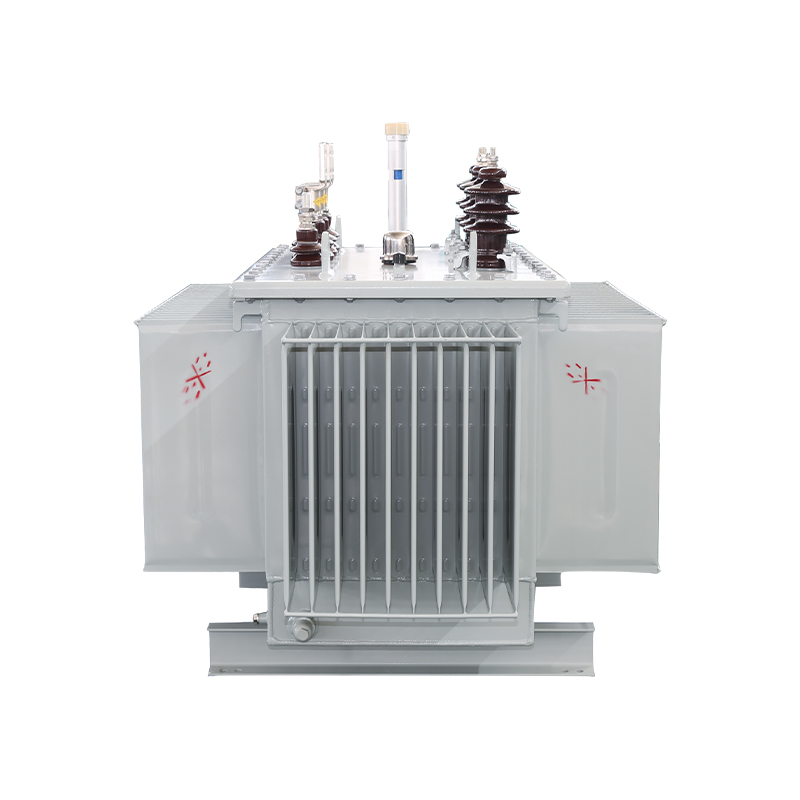
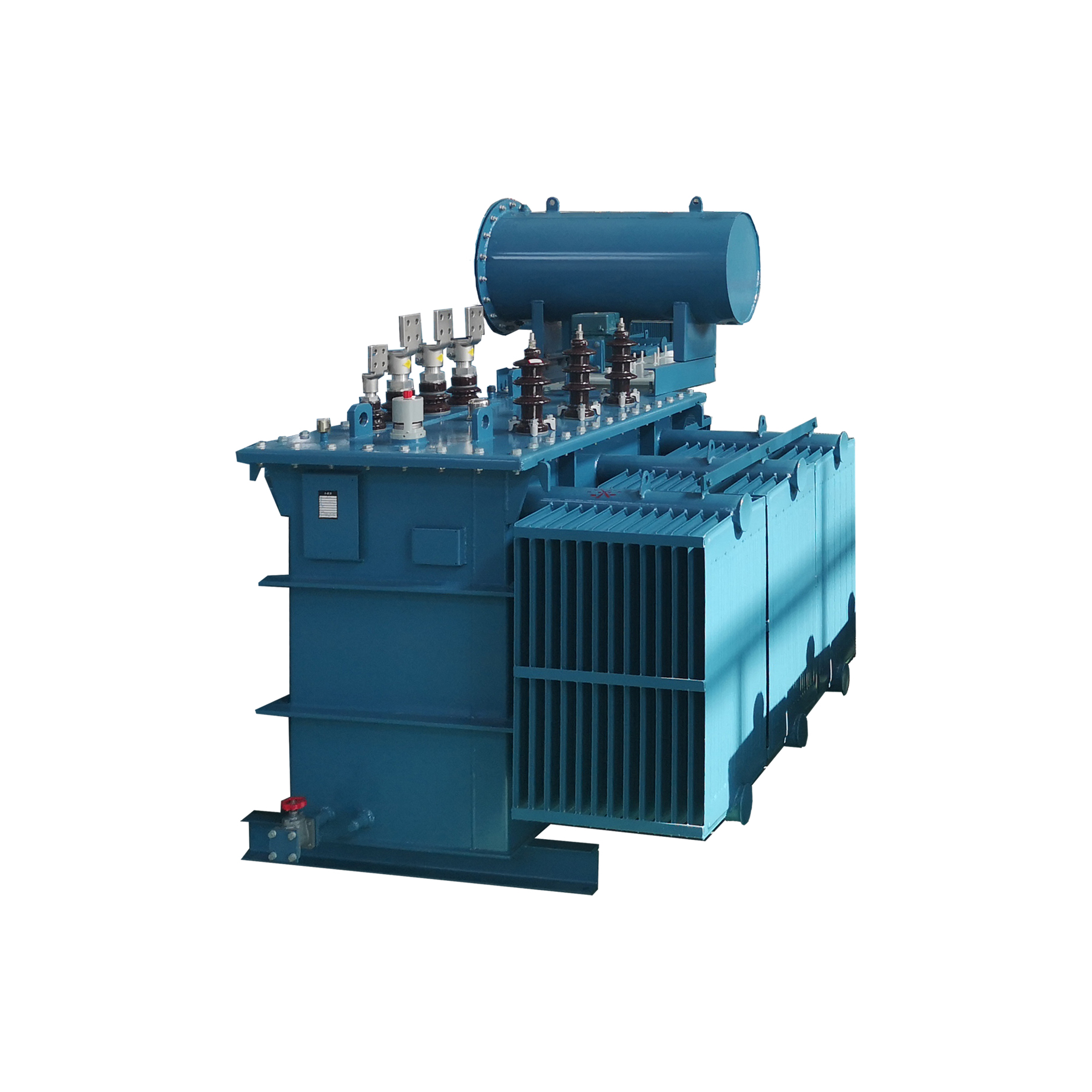
Amorphous Alloy Oil-Immersed Three-Phase Transformer
200KVA 10KV
See Details
Content
Anyone who has placed a purchase order for a large power transformer in the past few years knows the feeling. The technical discussion moves quickly; then the calendar takes over. Lead times that sat comfortably at 30 to 50 weeks before 2022 now stretch well past a year for medium and large power transformers, and buyers are regularly asked to reserve a production slot months before the final drawings are signed.
We build transformers for a living, so we watch this timeline from the inside every day. What follows is a practical view of transformer lead times in 2026: what is realistic by product type, which stages genuinely decide your delivery date, and — most useful of all — the parts of the schedule a buyer can still influence.
A lead time is not one number. It is the sum of engineering, material procurement, manufacturing, testing and transport, and in 2026 several of those stages are still under pressure.
The pressure is not evenly spread. Standard oil-immersed distribution transformers in the 50 kVA to 2,500 kVA range have loosened noticeably, and many factories now quote in weeks rather than quarters. Large power transformers above roughly 100 MVA, and anything needing a bespoke design or an unusual test programme, remain the slowest items in the chain, with some projects planning two years or more from order to energisation.
The ranges below are the ones we and our customers are working with in 2026. Treat them as planning figures rather than promises, because specification, material availability and available factory slots all move the date.
| Transformer type | Typical rating range | Indicative lead time |
|---|---|---|
| Oil-immersed distribution transformer | 50–2,500 kVA, up to 35 kV | 8–16 weeks |
| Resin-cast dry-type transformer | Up to 2,500 kVA, 10–35 kV | 10–18 weeks |
| 35 kV oil-immersed power transformer | 5–63 MVA | 16–28 weeks |
| 110 kV power transformer | 20–90 MVA, lightly customised | 30–50 weeks |
| 220 kV low-loss power transformer | 100 MVA and above | 60–110 weeks |
| Prefabricated and pad-mounted substation | Standard configuration | 12–20 weeks |
| Phase-shifting rectifier or special transformer | Design dependent | 20–40 weeks |
Two practical notes. A quoted lead time normally starts at order confirmation, but the clock you actually care about starts earlier, at specification freeze. And a factory that already builds a similar unit will always be faster than one designing from a blank sheet.
Every transformer begins as a set of drawings that the buyer, and sometimes the end user's consultant, must approve. In our experience this is where projects lose time quietly. A week of unanswered comments in the design office becomes a week added to every later milestone, because the winding shop cannot release material until the drawings are frozen.
Once the design is fixed, the factory orders core steel, conductor, bushings, tap changers and insulation. These items set the floor for the whole schedule. The conductor choice alone changes cost and how quickly the winding shop can be supplied, which is why we explain the trade-offs in this comparison of copper and aluminium windings: copper vs aluminium windings in transformers.
Core cutting, winding, insulation assembly, vacuum drying and oil impregnation follow a fixed physical sequence. Drying cannot be rushed without risking moisture in the insulation and a shorter service life. For a large unit this stage alone can run eight to fourteen weeks, and project pressure does not change the physics.
Routine tests, temperature-rise tests, impulse tests and a witnessed factory acceptance test add two to five weeks depending on the unit and the standard applied. Booking the buyer's inspection team early matters too; a missed test window can push shipment back by a fortnight.
Large transformers travel on special trailers or by sea with heavy-lift handling. Route surveys, permits, crane arrangements and customs clearance all consume calendar time. Just as often, the foundation and oil bund are not ready when the unit arrives, and the transformer waits at site for reasons the manufacturer cannot fix.
None of this means buyers are powerless. In the projects we have delivered, the schedules that held were the ones where the buyer managed a handful of decisions early:
It is worth being clear about what any manufacturer can and cannot do. A factory can hold a slot, sequence production sensibly and shorten the approval loop. It cannot manufacture grain-oriented steel or conjure up a spare high-voltage test bay. What a well-organised plant can offer is a dated plan, honest updates and no surprises at the end.
That is how we work at our facility in Hai'an, Jiangsu. Our range covers 110 kV and 220 kV power transformers, oil-immersed and dry-type distribution units, pad-mounted and prefabricated substations, phase-shifting rectifier transformers and switchgear, with a declared annual capacity of 5,000 MVA and ISO 9001, ISO 14001 and ISO 45001 certification. You can see how the factory is organised and certified on our about page.
For transmission-level projects, a 100 MVA 220 kV low-loss power transformer is the kind of unit where early slot reservation matters most, since it involves long-lead bushings, a large tank and a full test programme.
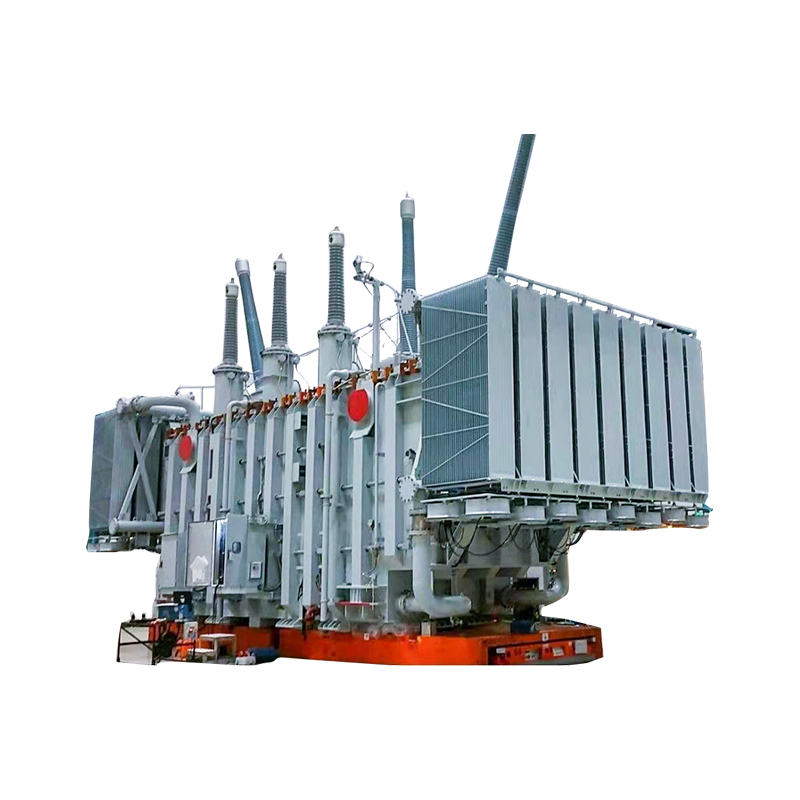 100 MVA 220 kV Low Loss Power TransformerFor transmission-level projects, this 100 MVA 220 kV low-loss transformer supports long-distance transmission with protection features and long-lead components requiring early planning.View Product →
Where the project is a substation rather than a single transmission asset, a 35 kV oil-immersed power transformer is usually a faster conversation, because the design is well established and the material package is simpler.
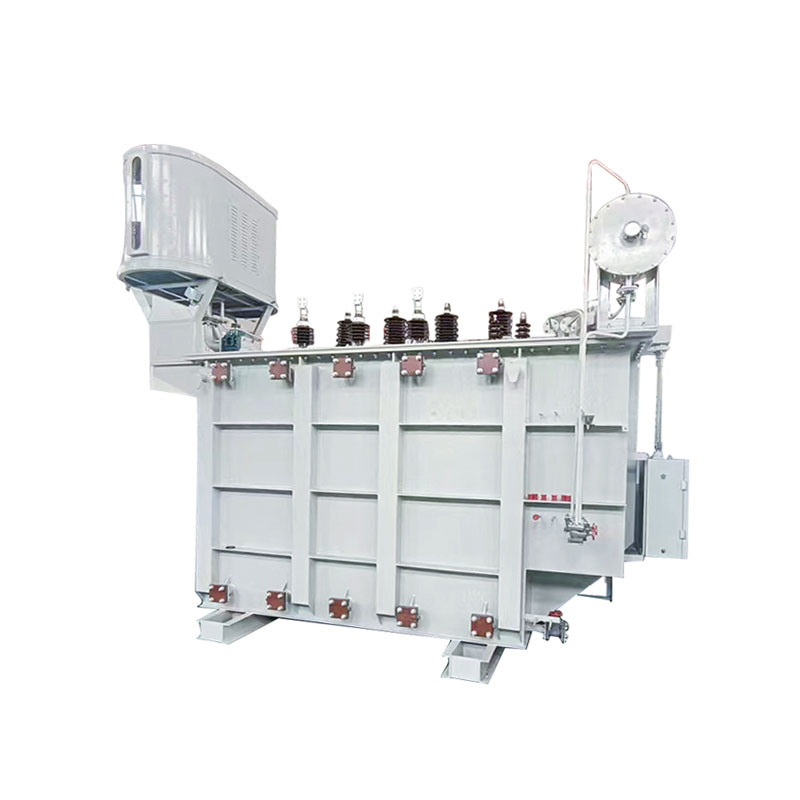 35 kV Oil-Immersed Power Transformer for SubstationsFor substation projects, this established 35 kV oil-immersed transformer suits indoor distribution, infrastructure and industrial use with simpler material package.View Product →
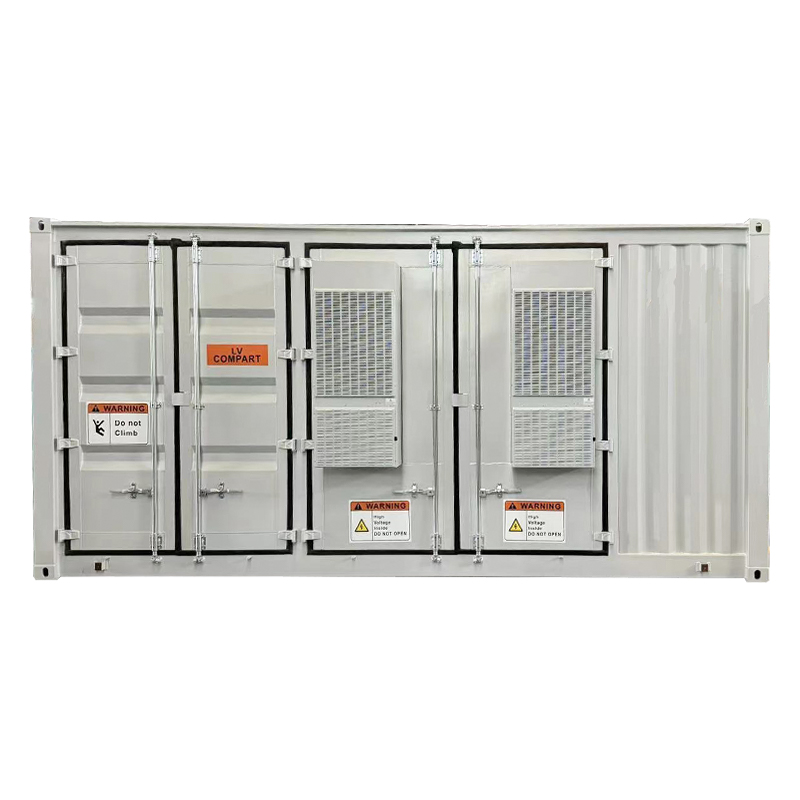
And for urban distribution, ports and industrial parks, a prefabricated compact substation arrives assembled and tested, which removes several weeks of on-site civil and electrical work from the critical path.
 Outdoor Prefabricated Compact Substation 3000 kVA 24.94-12.47 kVFor urban distribution, ports and industrial parks, this assembled and tested outdoor compact substation reduces on-site civil and electrical work.View Product →
A workable schedule for a large power transformer usually looks something like this:
Shorter and longer variants exist, but the sequence rarely changes. Sharing it with the wider project team early is one of the simplest ways to avoid a late surprise.
Transformer lead times in 2026 are steadier than at the peak of the shortage, but they are still long enough to reshape a project schedule. The buyers who come out ahead are not the ones who negotiate hardest on price. They are the ones who freeze the specification early, approve drawings quickly, commit to long-lead items without hesitation and keep the site ready for the day the unit arrives.
If you are working on a project and need a realistic date rather than a vague promise, send us the specification. We will tell you what our factory can hold, what the materials allow and where the risks sit — even when the honest answer is that the calendar is tight.
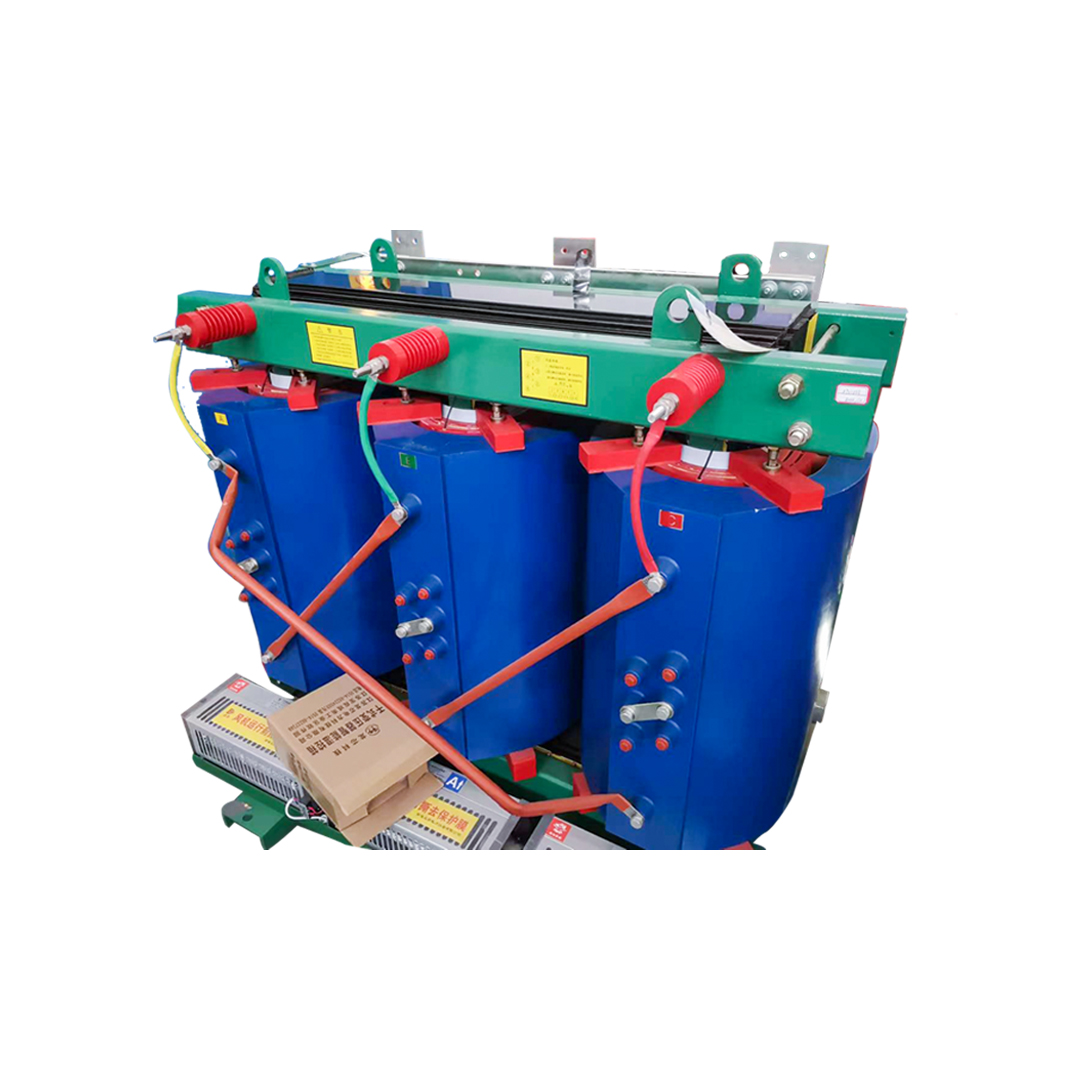
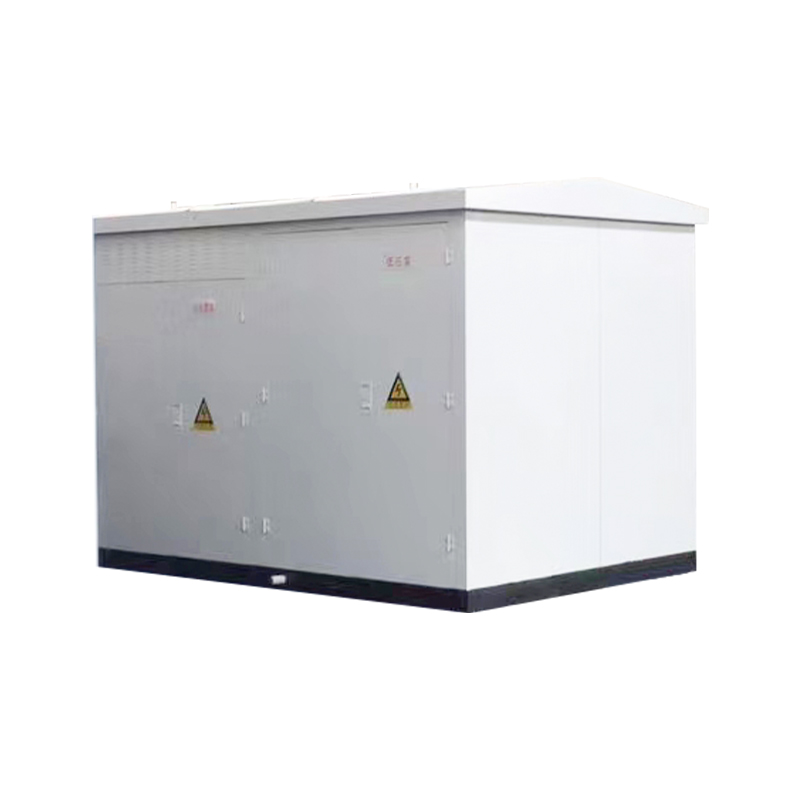
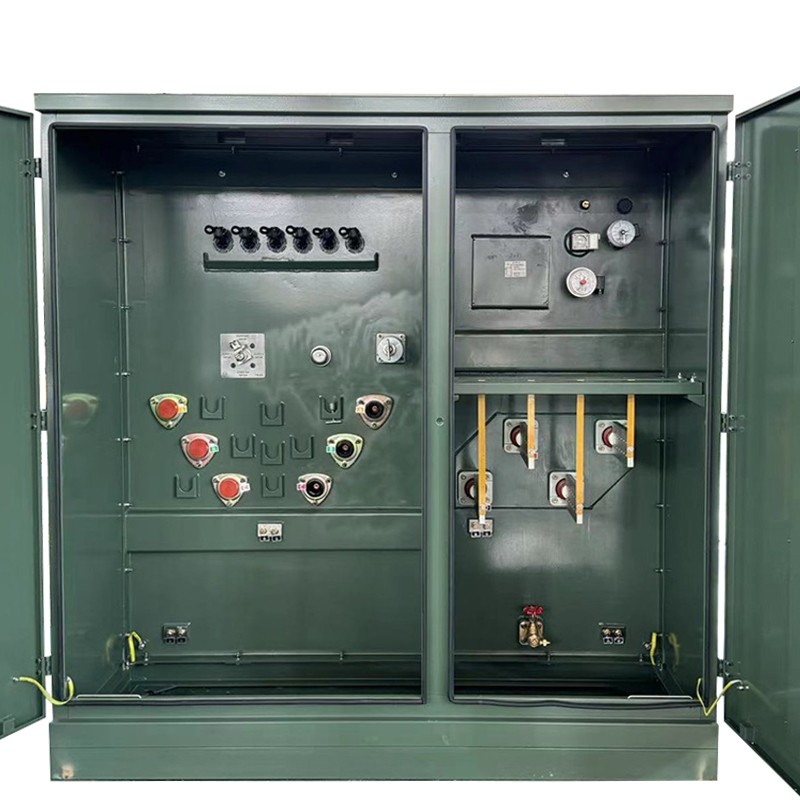
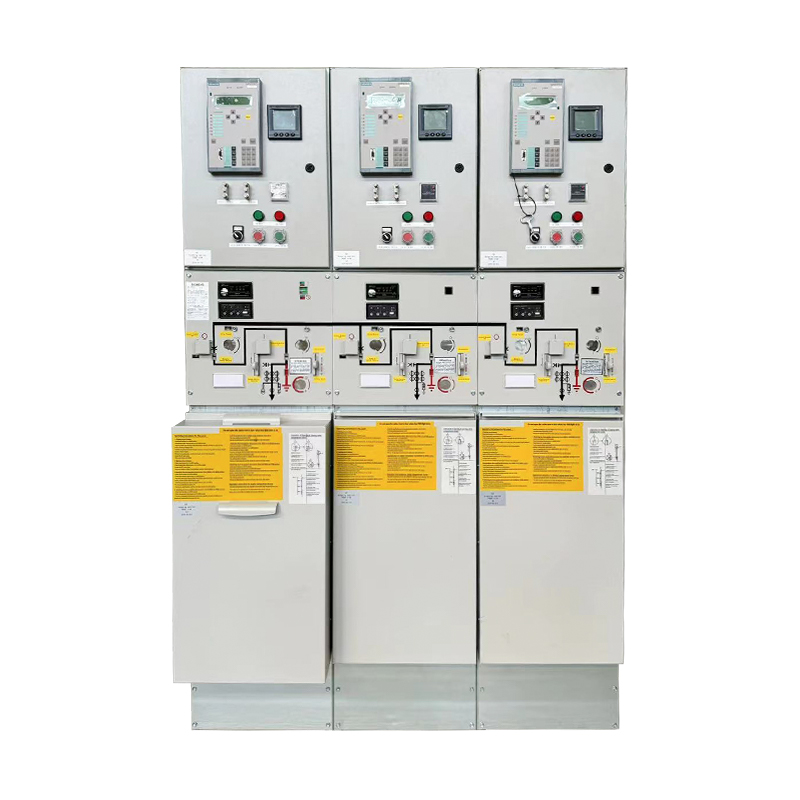
A Cabinet-Type Outdoor Prefabricated Substation, which is a compact, all-in-one electrical distribution solution designed for outdoor installation. Th...
See Details
Copyright © Jiangsu Dingxin Electric Co., Ltd. Rights Reserved.

Energy Efficient Transformers Manufacturers Electrical Transformers Factory
Contact Us