 English
 русский
 Español
50KVA Single-Phase Pole-Mounted Oil-Immersed Transformer
50KVA 34.5KV/0.48KV
See Details
Content
Every transformer order we process eventually comes down to one question: copper or aluminum windings? It sounds straightforward, but the answer affects your upfront purchase price, your long-term energy bill, the operating temperature of the unit, and even how quickly we can ship it. There is no universally "correct" choice — only the right choice for your specific load profile, installation environment, and budget horizon.
This article walks through each of the four key dimensions — cost, load losses, temperature rise, and lead time — so you can enter your next procurement discussion with clear expectations and the right questions to ask your supplier.
Copper consistently trades at a significant premium over aluminum. As a reference point, copper LME spot prices typically run 3.5× to 4.5× higher per kilogram than aluminum. Because windings can account for 25–40% of a transformer's total material cost, this difference translates directly into purchase price.
For a 1,000 kVA distribution transformer, the winding material cost difference alone can be $800–$2,500 USD depending on winding weight and copper market conditions at the time of order. Aluminum-wound units are therefore attractive for projects with tight capital budgets or where large quantities are being procured at once.
However, the raw material price is only part of the story. Aluminum's lower conductivity means larger cross-section conductors are required to carry the same current. This partially offsets the weight savings and adds labor in winding and insulation work. In practice, the finished price advantage of aluminum over copper windings for a given transformer rating is typically 10%–20%, not 3–4×.
Copper prices are notably more volatile than aluminum. If you are placing a large forward order or locking in a long-term supply contract, the metal market conditions at the time of negotiation can shift the economics significantly. We recommend reviewing LME copper trends over the prior 12 months before assuming a fixed price advantage for either material.
Load losses — also called copper losses or I²R losses — are generated by current flowing through the resistance of the windings. They are the dominant variable loss in a transformer and scale with the square of the load current. This is where the material choice has its largest lifetime impact.
Copper's electrical resistivity is approximately 1.68 µΩ·cm, versus aluminum's 2.65 µΩ·cm — about 58% higher. Even after compensating with a larger conductor cross-section, aluminum-wound transformers typically show 10%–20% higher load losses at full rated load compared to an equivalent copper-wound design.
| Parameter | Copper Windings | Aluminum Windings |
|---|---|---|
| Typical load losses (W) | ~10,000 | ~11,500–12,000 |
| Annual energy loss (8,000 h operation) | ~80,000 kWh | ~92,000–96,000 kWh |
| Extra annual loss cost (@$0.10/kWh) | — | +$1,200–$1,600/year |
Over a 20-year service life, that energy cost differential can total $24,000–$32,000 USD on a single 1,000 kVA unit — significantly exceeding the initial material cost savings. For high-load-factor applications such as data centers, industrial plants, or continuous process facilities, copper windings typically offer the better total cost of ownership. Aluminum windings make more economic sense for lightly loaded or intermittent-duty applications.
Higher resistivity in aluminum windings means more heat generated per unit of current. Combined with the fact that aluminum has a lower thermal conductivity than copper (205 W/m·K vs. 401 W/m·K), aluminum-wound transformers inherently tend toward higher operating temperatures under the same load conditions.
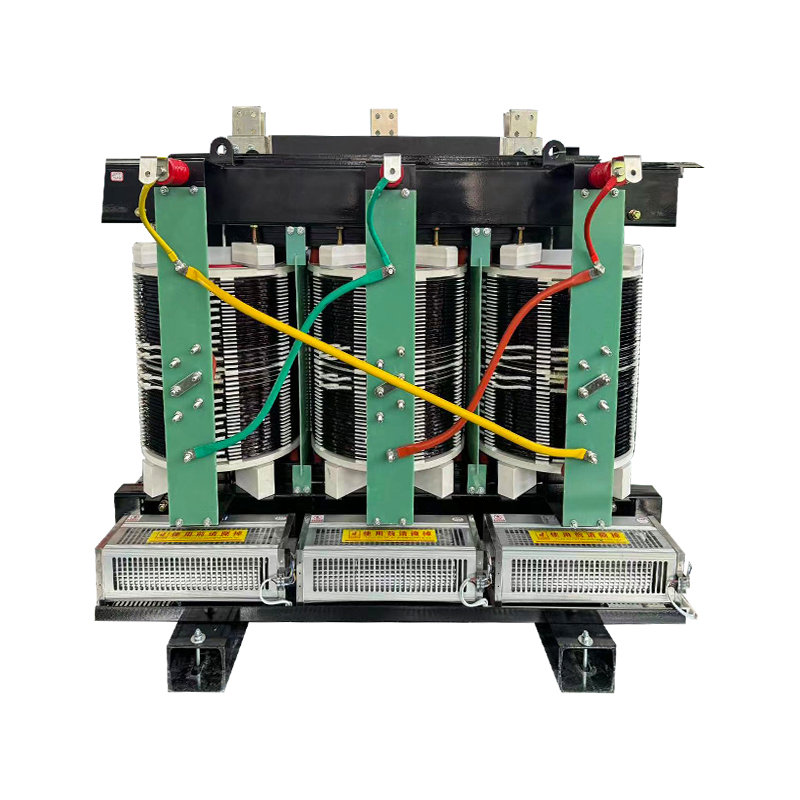
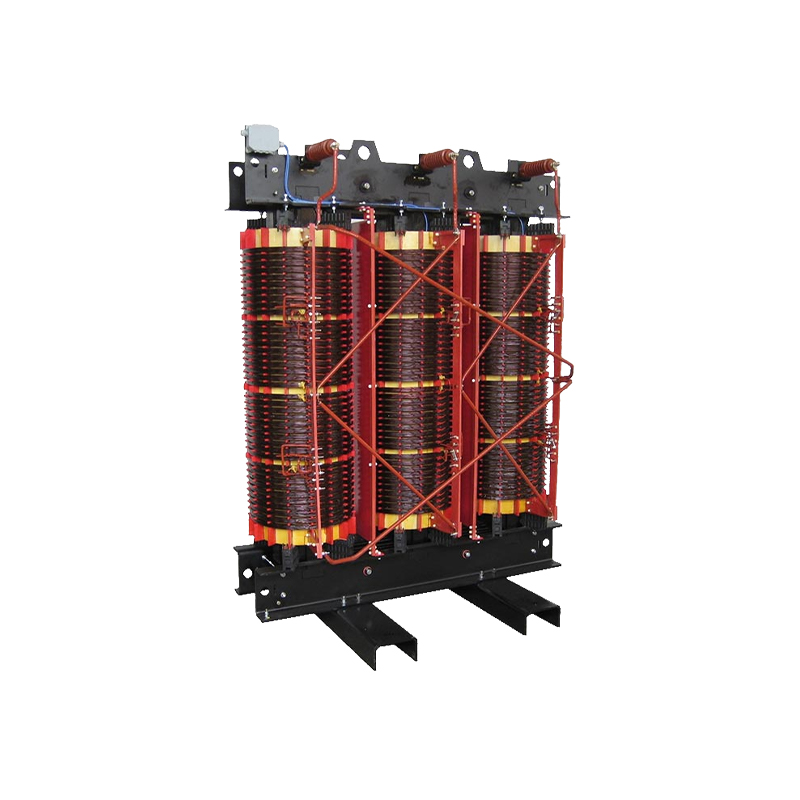
In dry-type transformers, insulation life is governed by the Arrhenius aging equation: every 6–10°C increase in winding temperature roughly halves the insulation life. An aluminum-wound dry-type transformer running at 5–8°C higher than a comparable copper unit will therefore age its insulation meaningfully faster under identical load cycles. This is one reason why demanding applications — such as traction, mining, or high-ambient-temperature installations — almost universally specify copper windings.
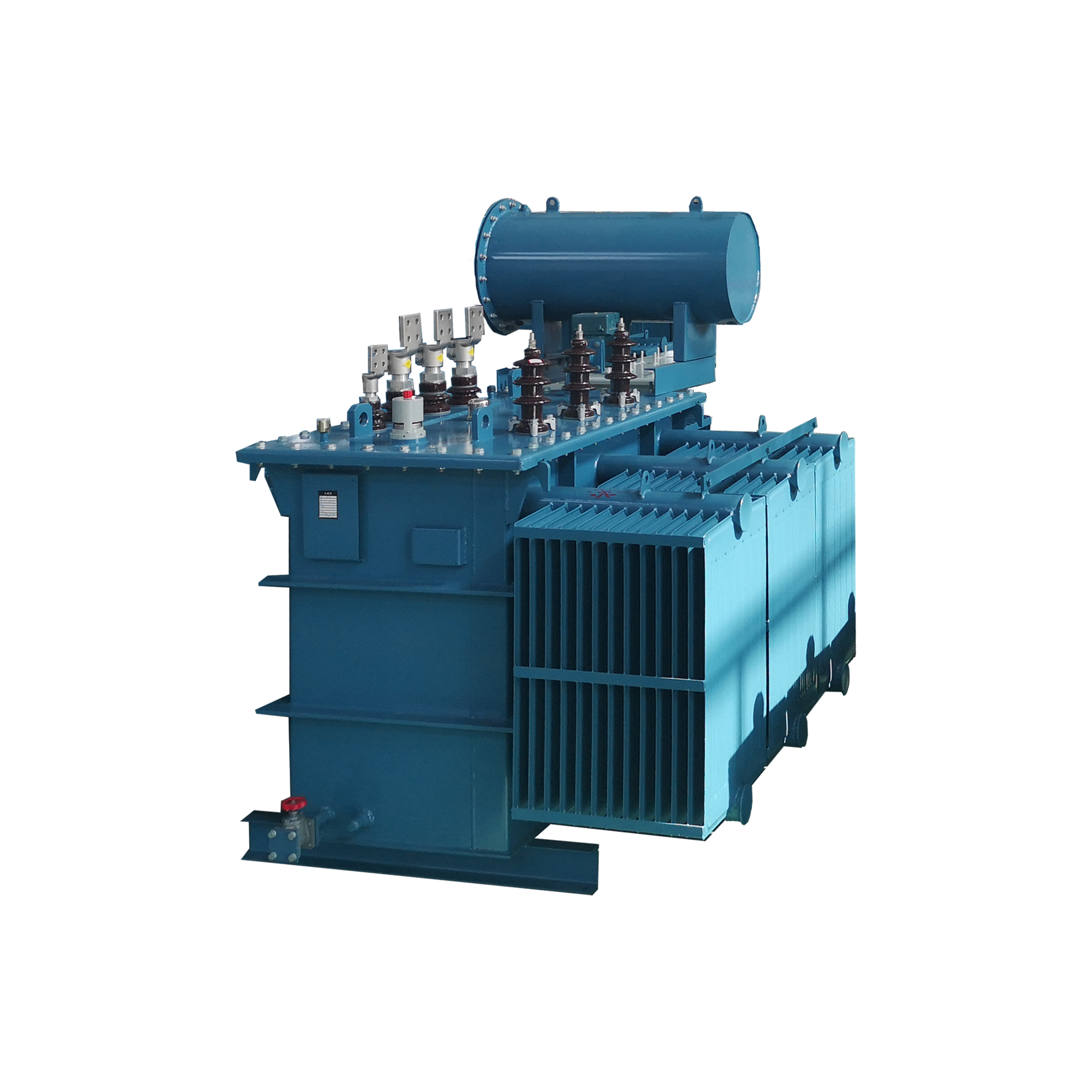
For oil-immersed designs, the oil provides additional heat dissipation that partially mitigates the temperature rise difference between the two winding materials, but the effect does not fully disappear. Specifying a higher temperature rise class (e.g., 100 K vs. 75 K) for aluminum-wound oil transformers is common practice.
Copper-wound transformers generally offer more headroom for short-term overload because they start from a lower base temperature. If your load profile includes regular peak demands that exceed the nameplate rating — common in commercial buildings and manufacturing lines — copper windings provide a measurable safety margin that aluminum cannot match at equal ratings.
This is the dimension buyers least often think about upfront, yet it frequently becomes the deciding factor when a project schedule is tight.
Aluminum conductor strip and rod are more widely available globally than high-purity copper winding wire of equivalent cross-sections. During periods of copper supply tightness — which occur more frequently due to copper's broader industrial demand base — lead times for copper-wound transformers can extend by 2–6 weeks compared to baseline. Aluminum is less subject to these supply shocks.
Aluminum is softer and more prone to oxidation at connection points, requiring additional processing steps such as anti-oxidant compound application and specialized termination hardware. These steps add some production time relative to copper. However, because aluminum conductors are lighter, handling during winding is easier, which can partially offset the extra work.
In practice, for standard ratings within our production schedule, neither material creates a dramatically different lead time — the difference is typically within 1–2 weeks for units up to 2,500 kVA. For large power transformers above 10 MVA, copper availability can be a more significant scheduling variable, and we recommend confirming material availability before finalizing your project timeline.
| Dimension | Copper Windings | Aluminum Windings | Advantage |
|---|---|---|---|
| Purchase price | Higher | 10–20% lower | Aluminum |
| Load losses | Lower (baseline) | 10–20% higher | Copper |
| Temperature rise | Lower; more overload headroom | 5–8°C higher typical | Copper |
| Lead time stability | More sensitive to Cu supply cycles | More stable supply | Aluminum |
| 20-year TCO (high load factor) | Lower overall | Higher due to running losses | Copper |
Based on our experience supplying transformers to utilities, industrial plants, and infrastructure projects across multiple continents, here is a practical breakdown:
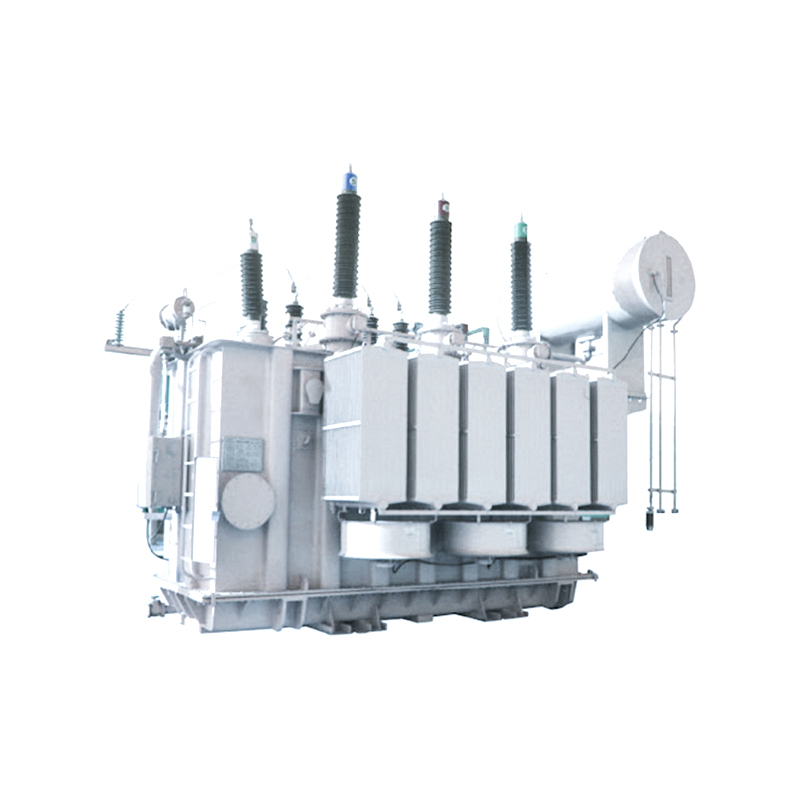
At Jiangsu Dingxin Electric, we manufacture both copper-wound and aluminum-wound transformers across our product range, including dry-type transformers, oil-immersed transformers, and high-voltage power transformers up to 220 kV. Our engineering team performs a loss capitalization calculation for every significant order — applying the customer's actual energy tariff and load profile to determine which winding material yields the lower 20-year total cost.
We do not apply a one-size-fits-all answer. A pad-mounted transformer serving a residential subdivision with a 35% average load factor will be evaluated differently from a phase-shifting rectifier transformer running continuous industrial loads. The winding material recommendation follows the numbers, not convention.
If you are evaluating a transformer procurement and are unsure which winding configuration is right for your project, we are happy to run the analysis using your load data. Providing us with your average load factor, annual operating hours, and local electricity cost is enough to produce a meaningful comparison.
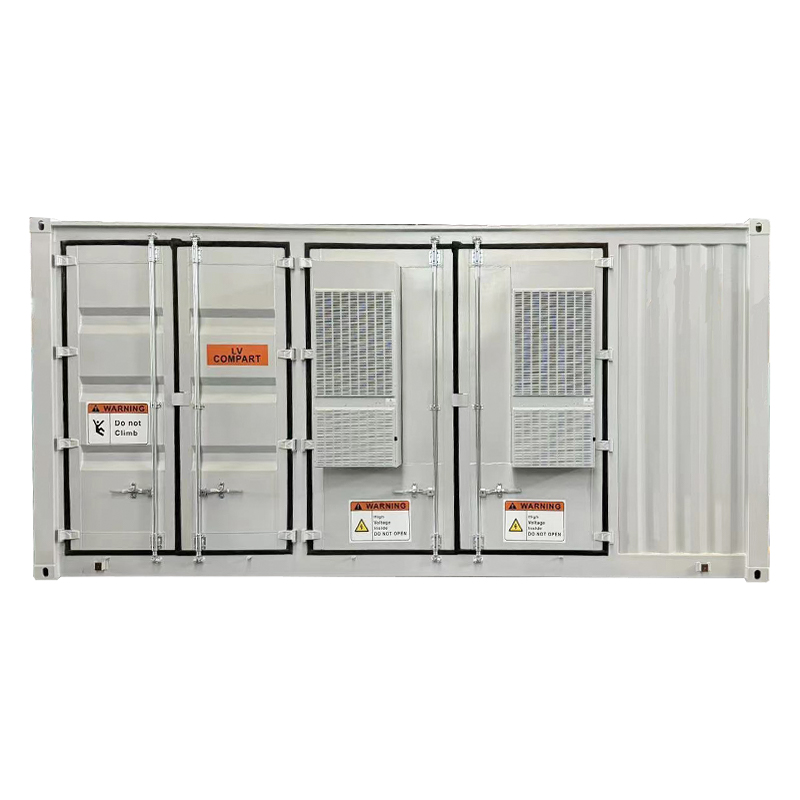
A Cabinet-Type Outdoor Prefabricated Substation, which is a compact, all-in-one electrical distribution solution designed for outdoor installation. Th...
See Details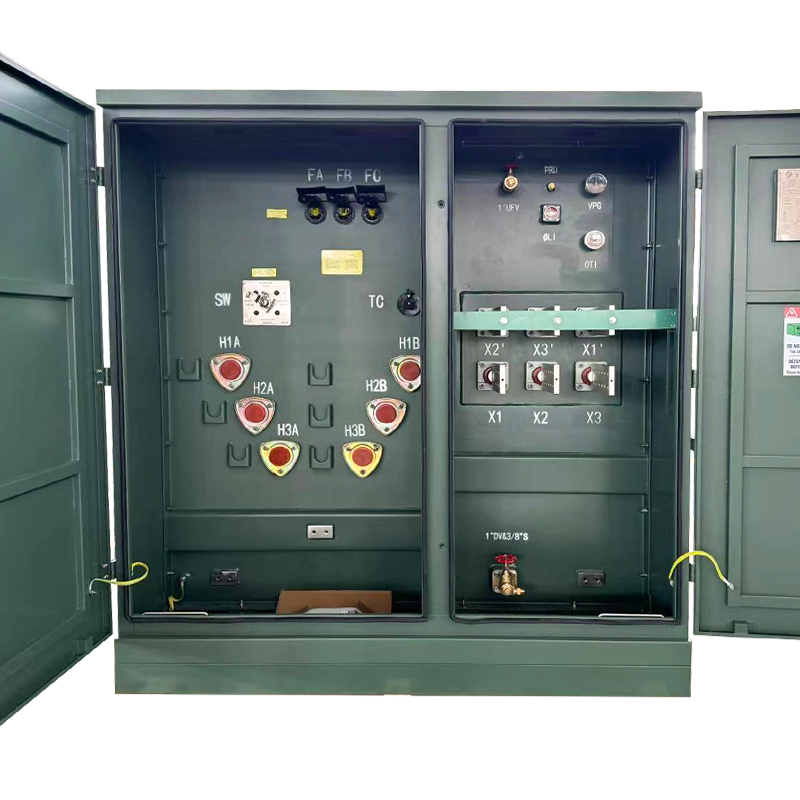
Base kVA: 45 kVA to 12,000 kVA Primary voltage: 2400 V to 46,000 V Secondary voltage: 120 V to 24,940V Basic lmpulse Level (BIL): 30kV to 250kV
See Details
Copyright © Jiangsu Dingxin Electric Co., Ltd. Rights Reserved.

Energy Efficient Transformers Manufacturers Electrical Transformers Factory
Contact Us