 English
 русский
 Español
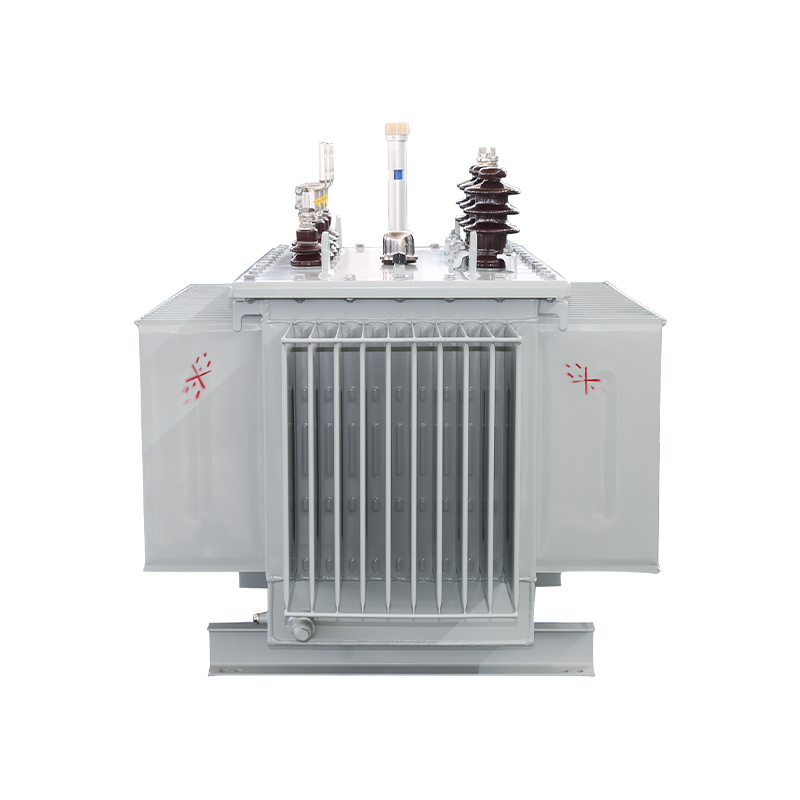
50KVA Single-Phase Pole-Mounted Oil-Immersed Transformer
50KVA 34.5KV/0.48KV
See Details
Content
An Outdoor Prefabricated Substation consolidates key distribution functions—medium-voltage incoming/outgoing switching, a distribution transformer, low-voltage distribution, and auxiliary systems—into a factory-built, weather-resistant enclosure. Compared with a traditional on-site substation build, the intent is straightforward: reduce field interfaces, shorten commissioning, and improve quality consistency by shifting more work into controlled manufacturing.
It is typically selected when the site has one or more of the following constraints: limited footprint, aggressive energization schedule, remote locations with difficult field labor, harsh outdoor environments (humidity, dust, salt fog), or a need for standardized repeatable deployments (e.g., industrial parks, ports, mines, renewable energy collection points, and residential/commercial distribution nodes).
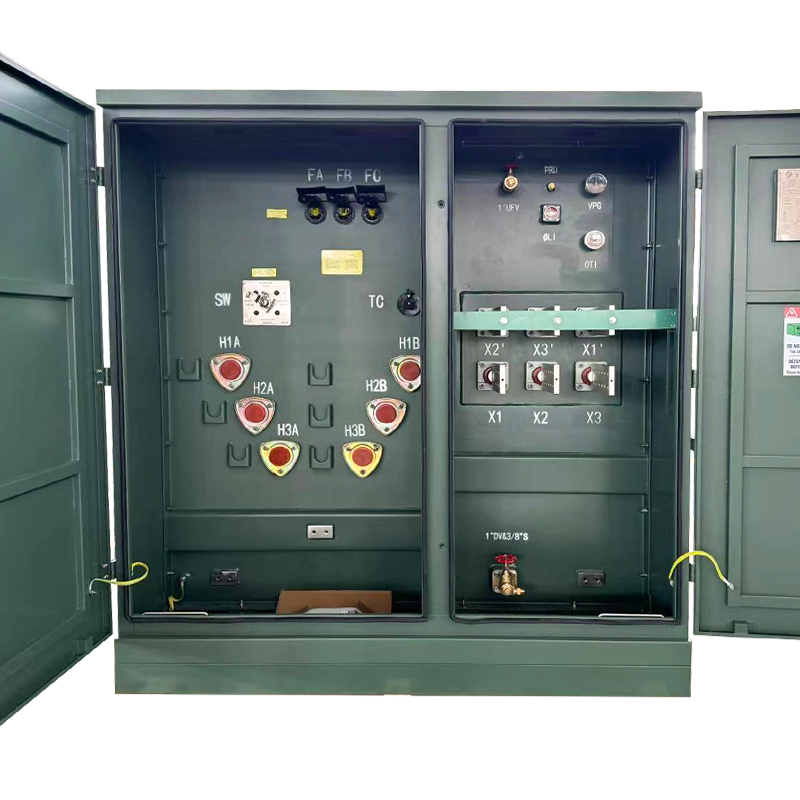
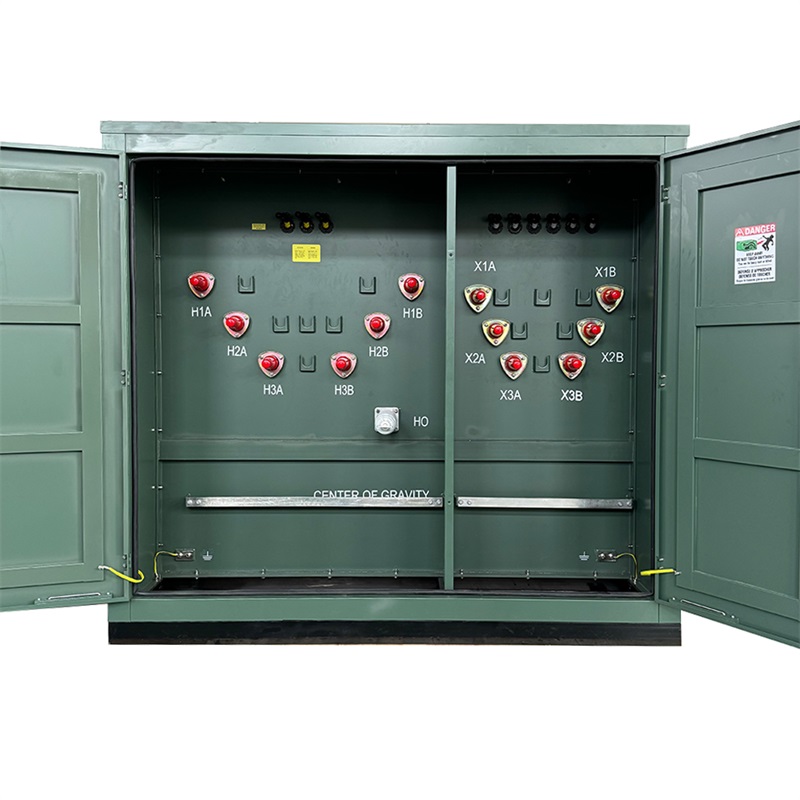
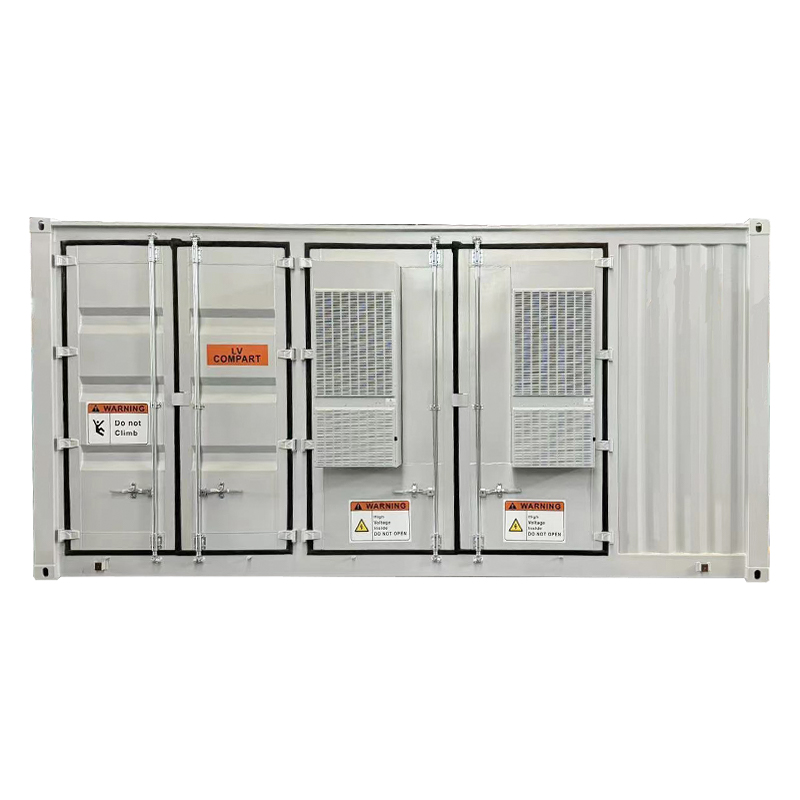
In cabinet-type designs, multiple functions are integrated into one compact housing to simplify installation and operation. If you are evaluating this format, you may want to review a representative cabinet-type outdoor prefabricated substation configuration to align expectations on layout, maintainability, and interfaces.
A practical specification starts with function. Most Outdoor Prefabricated Substations can be described as four coordinated blocks, each with clear interface responsibilities:
The engineering goal is to keep fault levels, protection curves, and thermal limits consistent across the entire assembly. For example, MV device ratings must align with transformer impedance and the downstream LV short-circuit withstand so the substation behaves as a coordinated system rather than a set of unrelated parts.
Outdoor reliability is strongly influenced by enclosure design. For cabinet-type Outdoor Prefabricated Substations, the housing commonly uses stainless steel, aluminum alloy, or steel plate to achieve corrosion resistance and moisture protection, while maintaining structural integrity for transport and installation.
In practical procurement, request your supplier to document how the enclosure manages these recurring outdoor risks:
| Approach | Typical Strength | Typical Trade-Off | Best Fit |
|---|---|---|---|
| Cabinet-type prefabricated | Compact footprint; fast placement; integrated protection/control | Layout must be optimized for access and heat removal | Industrial/commercial distribution; constrained sites |
| Containerized substation | Large equipment capacity; modular expansion | Transport logistics and lifting requirements can be higher | Renewables and temporary power hubs; staged projects |
| Traditional on-site build | Custom civil architecture; flexible room layout | Longer schedule; more field interfaces and workmanship variability | Large permanent substations with significant civil scope |
Most problems in prefabricated substation projects come from incomplete load definition rather than manufacturing. A robust sizing method aligns the transformer rating, feeder count, and protection philosophy to actual operating conditions.
If a facility has a measured peak demand of 720 kW at 0.90 power factor, the apparent power is approximately 800 kVA. If you want headroom for seasonal growth, motor starting, and future feeders, many buyers step up to the next standard rating (for example, 1000 kVA) and confirm temperature rise and ventilation strategy for the actual ambient profile.
A well-scoped checklist reduces change orders and can materially compress commissioning. As a manufacturer, we typically recommend defining “must-have” requirements first (fault level, feeders, protection) and then refining “nice-to-have” options (remote monitoring, power quality) so the design remains both compliant and cost-effective.
For Outdoor Prefabricated Substations, safety is not only about component ratings; it is about how the system prevents incorrect operations under pressure. In procurement discussions, request evidence that the design supports safe switching and safe maintenance.
A cabinet-type solution is often selected specifically because it is engineered for outdoor conditions and operational clarity. For example, a robust, weather-resistant enclosure integrating breakers, transformer, and auxiliaries reduces exposed interfaces and can lower the probability of moisture-driven failures when installed correctly.
The business case for prefabrication typically improves when you quantify what shifts from the site to the factory. While civil preparation (foundation, trenching, grounding) still matters, factory integration reduces the number of field terminations, alignment tasks, and rework cycles that commonly drive delays.
A well-designed cabinet also supports easier maintenance through accessible compartments and straightforward service operations, which can meaningfully extend lifecycle reliability when routine inspections are performed and condensation control is maintained.
When comparing Outdoor Prefabricated Substation suppliers, price alone is rarely the determining factor in total project cost. Instead, focus on manufacturing controls, documentation discipline, and the ability to customize without compromising quality.
If your project requires a compact, all-in-one outdoor solution integrating switching, transformer, and auxiliary equipment within a weather-resistant cabinet, you can reference our Outdoor Prefabricated Substation product category to compare cabinet-type formats and align an RFQ with practical configuration options.
Conclusion: A well-specified Outdoor Prefabricated Substation reduces site uncertainty by moving critical integration work into manufacturing, where interfaces can be controlled, tested, and documented. When you define fault level, feeder needs, environmental conditions, and service expectations upfront, cabinet-type prefabricated solutions become a reliable path to faster energization with lower operational risk.
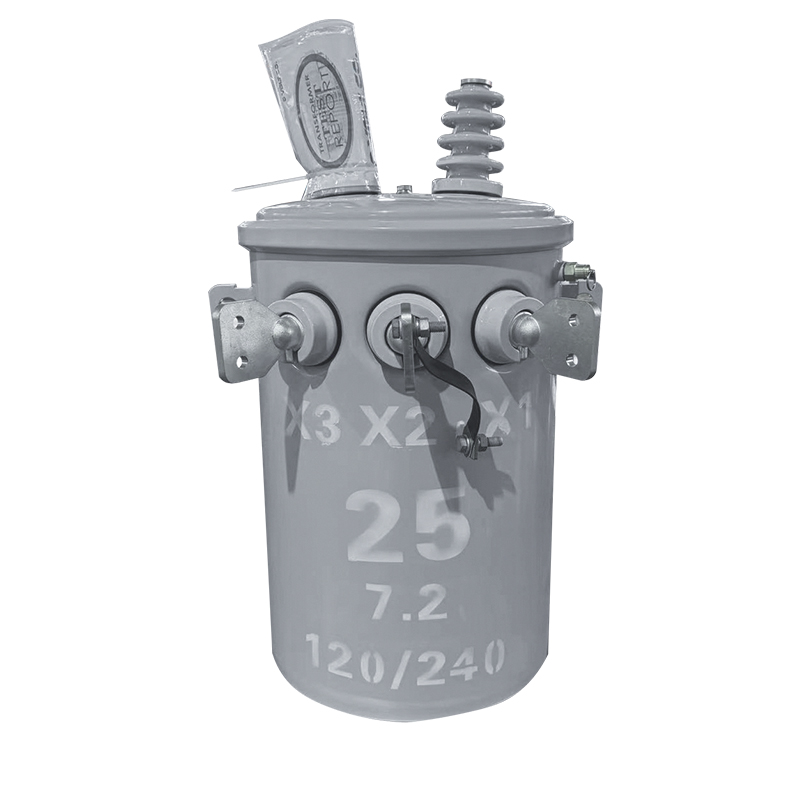
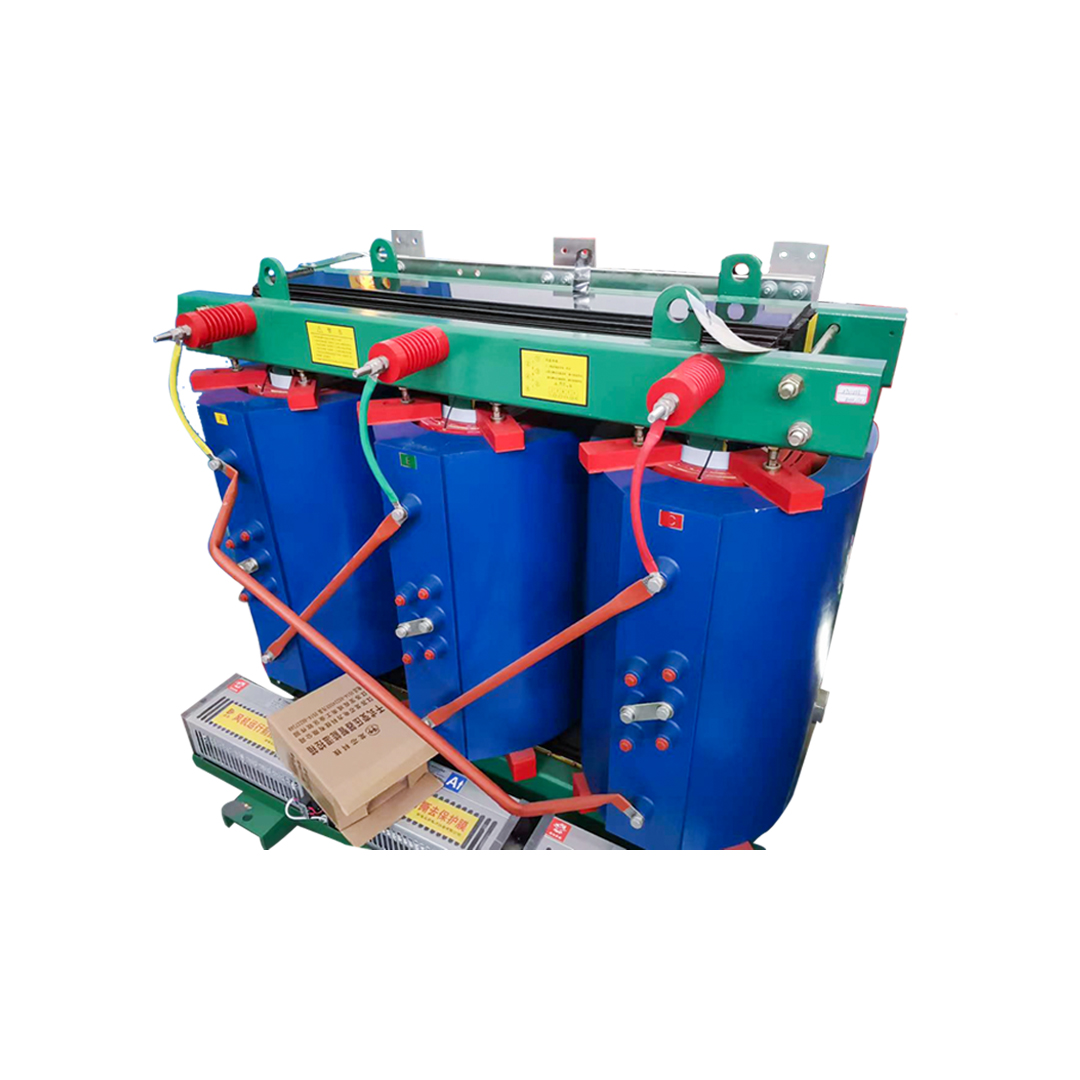
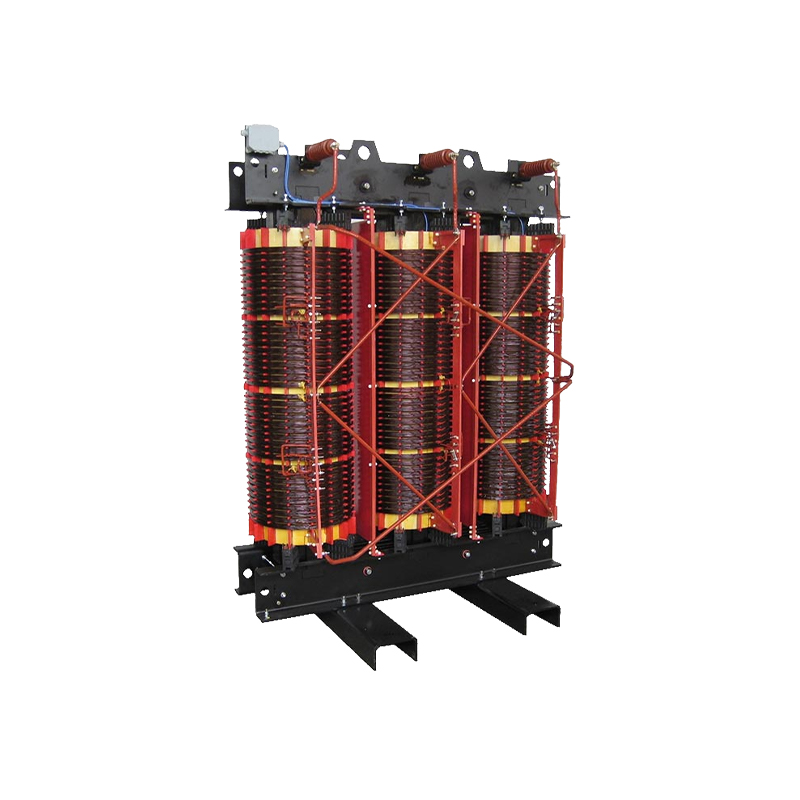
Base kVA: 45 kVA to 12,000 kVA Primary voltage: 2400 V to 46,000 V Secondary voltage: 120 V to 24,940V Basic lmpulse Level (BIL): 30kV to 250kV
See Details
Copyright © Jiangsu Dingxin Electric Co., Ltd. Rights Reserved.

Energy Efficient Transformers Manufacturers Electrical Transformers Factory
Contact Us