 English
 русский
 Español
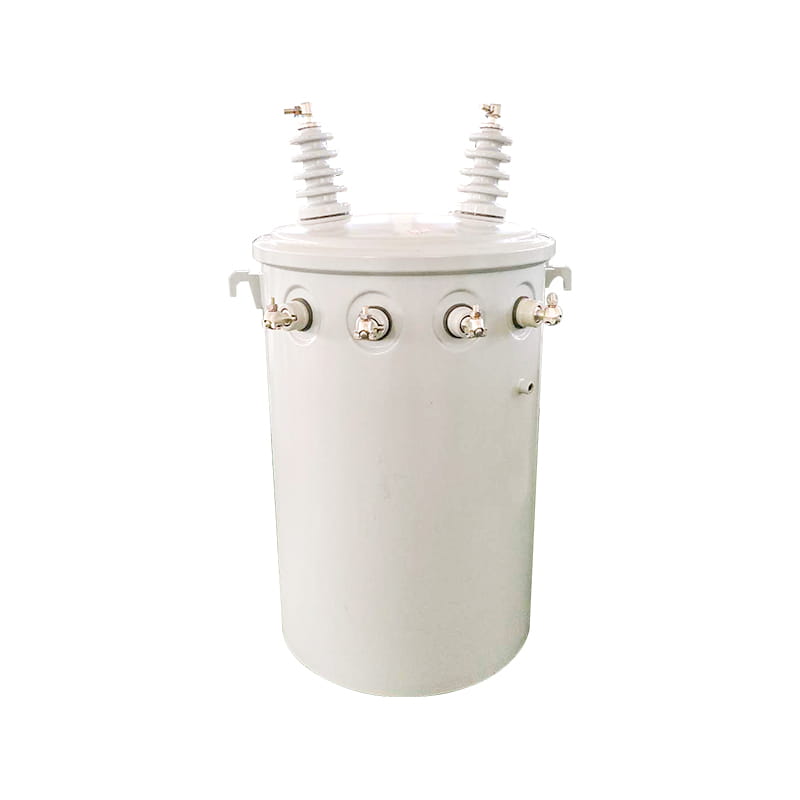
Energy-Saving Single-Phase Oil-Immersed Pole-Mounted Transformer
15KVA 13.8KV/0.4KV
See Details
Content
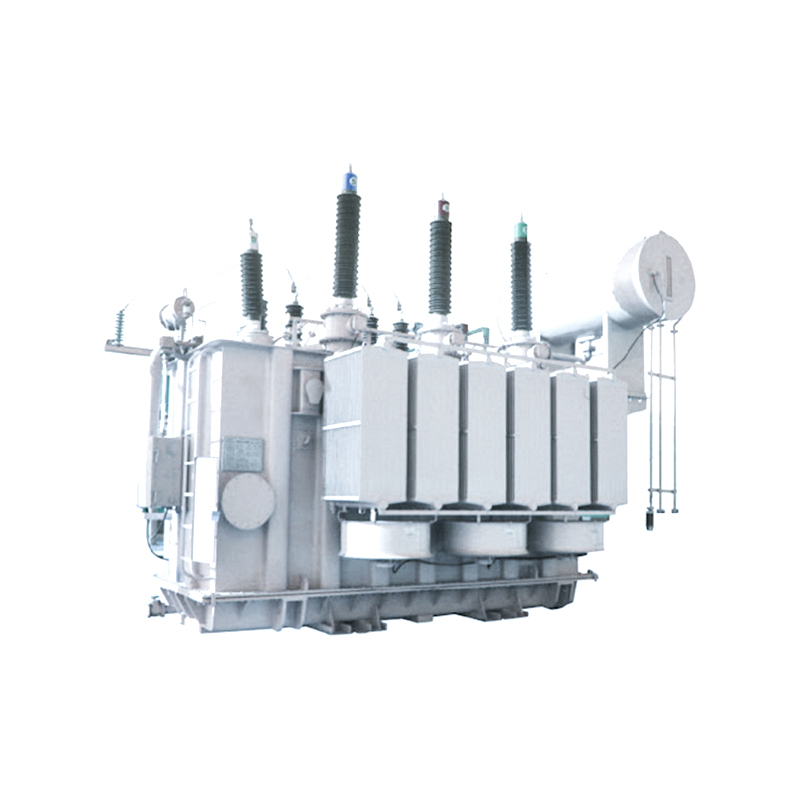
A 35kV power transformer is typically deployed at the sub-transmission / primary distribution boundary, where utilities and industrial operators need a dependable step-down (or step-up) interface between a higher-voltage source and medium-voltage feeders. In practice, this transformer is often installed in a substation and feeds multiple outgoing circuits—industrial parks, municipal distribution, mines, ports, and mixed commercial loads—where stability and fault withstand capability matter as much as efficiency.
From an engineering perspective, a 35kV unit is not selected by “voltage class” alone. The selection hinges on how the transformer will behave under daily loading cycles, its thermal margin, protection coordination, and its lifetime energy cost. When you evaluate models and configurations, it helps to compare manufacturer-provided loss and regulation data rather than relying on nameplate kVA alone.
If you are sourcing for a substation or industrial feeder, it is usually best to start with a product family that already supports the common 35kV configurations and documented technical parameters, then finalize customization (vector group, tap range, impedance target, accessories) with the manufacturer. For reference, our 35kV portfolio is summarized on the 35kV power transformer page.
Procurement delays often come from incomplete technical inputs. The items below are the ones that most directly impact manufacturability, performance, and compliance:
A practical way to reduce risk is to issue a one-page “technical freeze” sheet before the purchase order is released: voltage ratio, vector group, taps, impedance target, cooling/insulation class, and accessory list. This short document prevents late-stage revisions that extend production lead time.
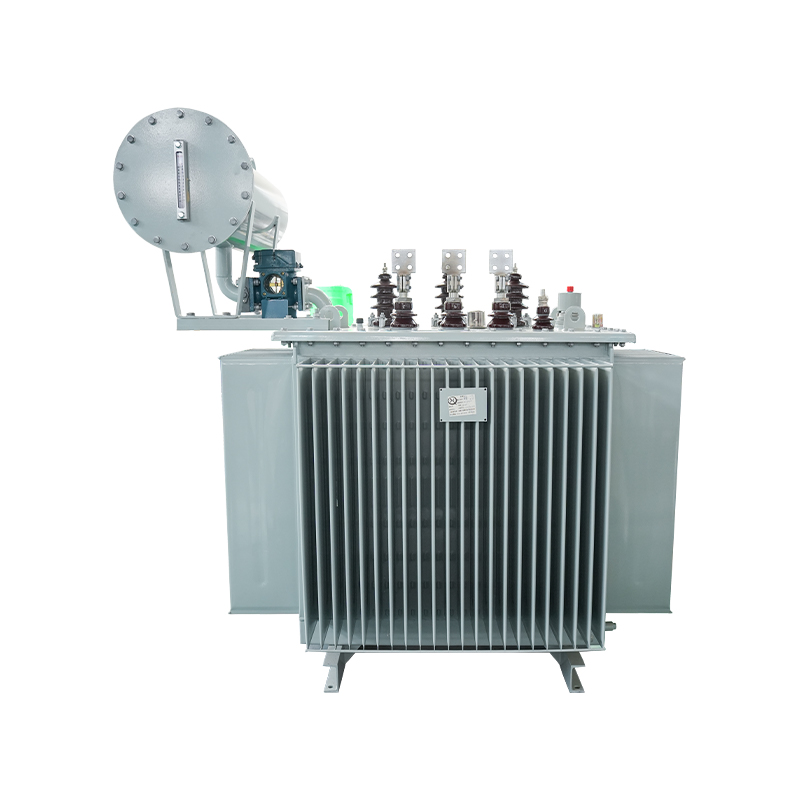
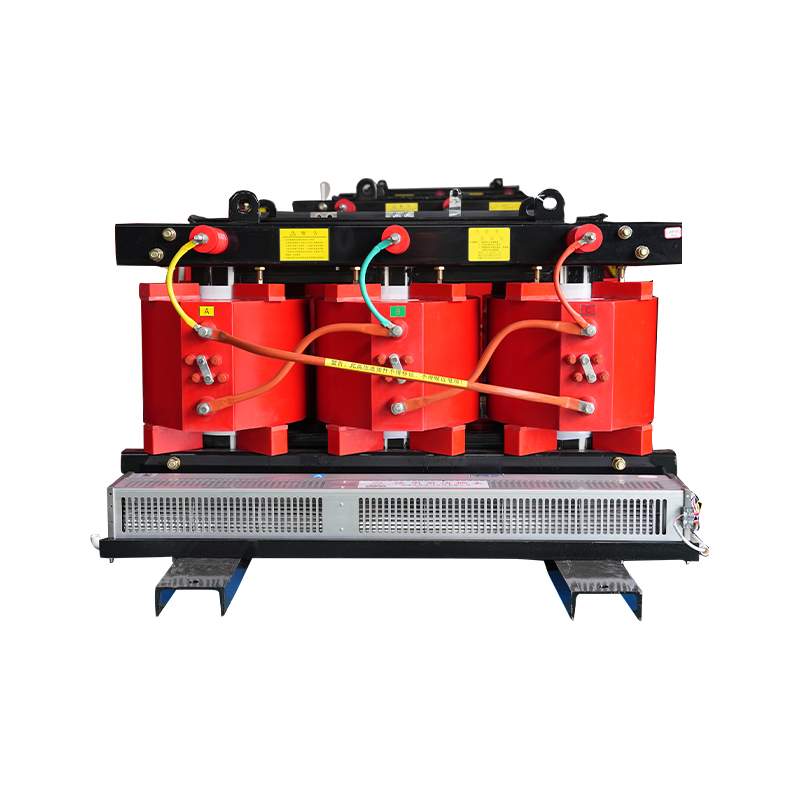
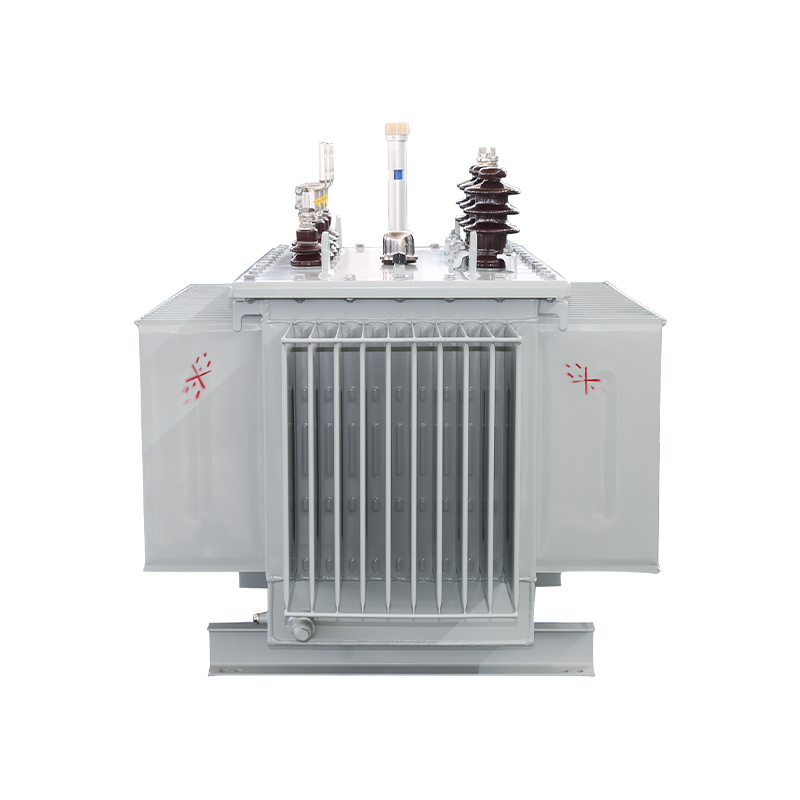
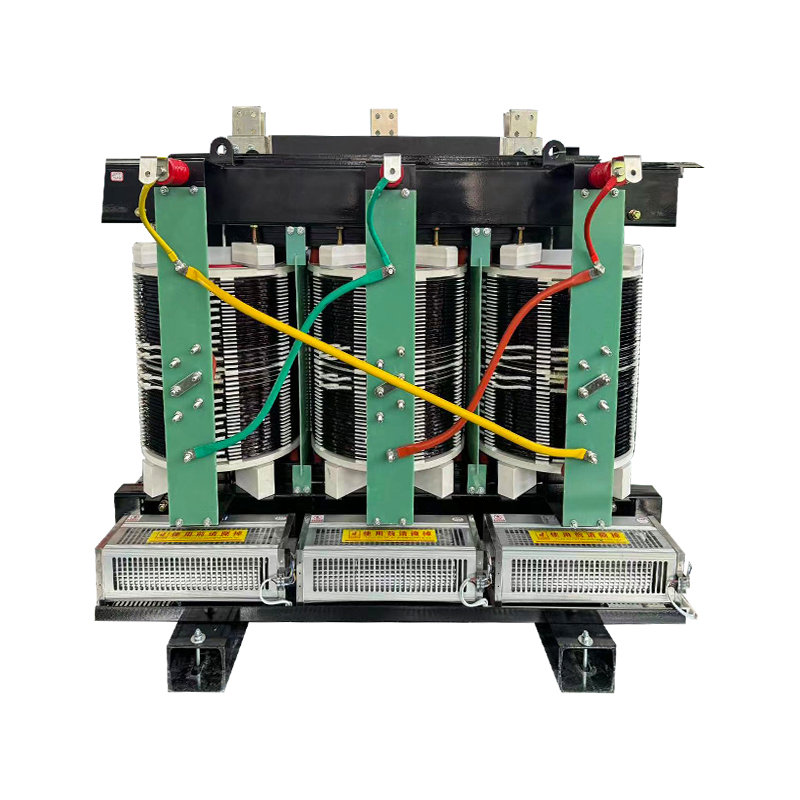
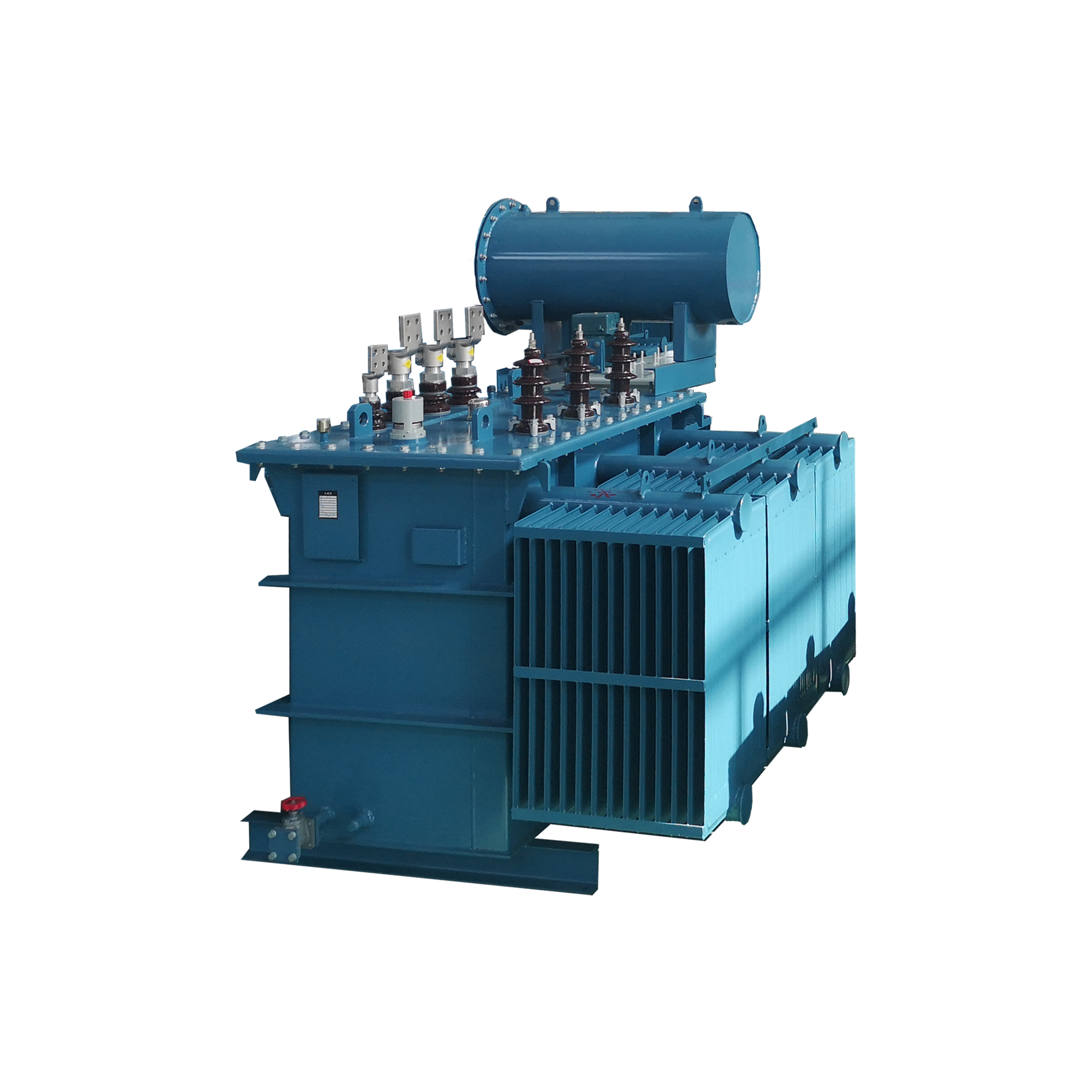
At 35kV, both oil-immersed and dry-type technologies are widely used. The correct choice depends on fire safety, location constraints, and maintenance philosophy—more than “preference.” As a rule of thumb, choose the technology that reduces total project risk (civil works, firefighting requirements, downtime cost), not just transformer purchase price.
| Selection factor | Oil-immersed (typical fit) | Dry-type (typical fit) |
|---|---|---|
| Installation location | Outdoor substations, yards, containerized skids | Indoor substations, buildings with limited oil containment options |
| Fire / environmental constraints | Requires bunding/containment, fire strategy | Often preferred where oil is restricted |
| Maintenance approach | Oil testing/sampling supports condition-based maintenance | Less fluid-related work; emphasis on ventilation/cleanliness |
| Cooling and overload tolerance | Good thermal behavior; common for higher kVA | Well-suited to indoor constraints; ensure airflow design |
If your project is indoor (or has strict environmental constraints), a 35kV dry-type selection can simplify civil works. If the unit is outdoor and you need higher ratings with robust cooling margin, an oil-immersed design is commonly selected—provided oil containment and fire mitigation are engineered properly.
Losses are not just technical “fine print.” For many substations, no-load loss runs 24/7 regardless of loading, so it becomes an annual energy expense you can estimate immediately. Load loss scales with current and becomes significant when the transformer operates near rated capacity for long periods.
Example: if a 35kV transformer has a no-load loss of 544 W, the annual energy consumed by core loss alone is approximately 4,765 kWh/year (0.544 kW × 8,760 h). This is why comparing no-load loss across compliant designs is a practical way to reduce long-term operating cost—especially for lightly loaded sites.
Below is a small excerpt-style comparison using representative 35kV ratings and loss values commonly shown in manufacturer parameter tables. These values illustrate how quickly losses scale with rating and technology, and why it is important to request the exact loss schedule for your specified kVA and voltage ratio.
| Type | Rating | No-load loss (W) | Load loss (W) | No-load current (%) |
|---|---|---|---|---|
| Oil-immersed | S13-500/35 | 544 | 6910/6580 | 0.85 |
| Oil-immersed | S13-1000/35 | 920 | 11500 | 0.65 |
| Dry-type | SCB10-315/35 | 1160 | 4170 | 2.0 |
| Dry-type | SCB10-1600/35 | 3650 | 15390 | 1.7 |
When you compare bids, ask suppliers to state the reference temperature and test method behind each “load loss” value and whether the bid includes accessories that affect loss (fans, control power). A transparent loss statement makes lifecycle cost comparisons defensible during technical evaluation.
A 35kV transformer must “fit” the upstream and downstream network. Three parameters drive most compatibility issues:
Common downstream voltages include 10–11kV class networks and low-voltage distribution (e.g., 0.4kV). The correct ratio depends on your feeder design and the allowable voltage drop under peak load. If you are interconnecting with inverters, large motors, or arc furnaces, confirm how their operating range aligns with the transformer’s regulation and tap settings.
For many 35kV projects, off-circuit tap selections such as ±5% and ±2×2.5% are used to keep the downstream bus within limits across seasonal loading. If your site expects frequent voltage adjustments, discuss whether an on-load tap changer is warranted; otherwise, an off-circuit arrangement is often appropriate and simpler.
Vector group selection (for example Dyn11 or Yyn0) affects grounding behavior, the path for zero-sequence currents, and harmonic handling. In industrial sites with unbalanced loads or significant power electronics, confirming the vector group early helps avoid downstream protection and power-quality surprises.
If you need a fast way to converge on the right configuration, provide the one-line diagram, upstream short-circuit level, downstream feeder count, and grounding philosophy. A manufacturer can then propose a configuration with impedance and vector group aligned to your protection plan.
For medium-voltage substations, project risk is reduced when the transformer is designed and tested to a recognized standard and the documentation package is complete. For many buyers, IEC alignment and clear test reporting are as important as the electrical design itself.
A well-structured documentation set (GA drawing, schematic, foundation loads, terminal arrangement, oil/temperature accessory list, test reports) typically shortens commissioning time because site teams can validate installation and wiring without assumptions.
Even a correctly specified 35kV transformer can underperform if installation and maintenance are not planned. The goal is to maintain dielectric integrity, keep temperatures within design limits, and ensure protective systems trip correctly during faults.
If you operate critical loads, integrating transformer alarms into SCADA and logging temperature/loading data enables condition-based maintenance. In many cases, early trend changes (temperature rise at the same load, increasing no-load current, abnormal sound) provide actionable warning before an outage occurs.
A precise, comparable quotation requires consistent inputs. From a manufacturer’s standpoint, the fastest way to deliver an accurate technical proposal is to receive the following in one package:
Once these inputs are fixed, the manufacturer can propose an optimized design (materials, structure, and loss performance) and align production/testing to your schedule. If you want to review the 35kV oil-immersed and dry-type options in one place, the 35kV power transformer supplier page provides representative parameters and model ranges that can be used as a starting point for technical discussion.
A well-specified order typically results in fewer clarification cycles, fewer drawing revisions, and faster site commissioning—because the transformer arrives aligned to the electrical network and the installation conditions from day one.
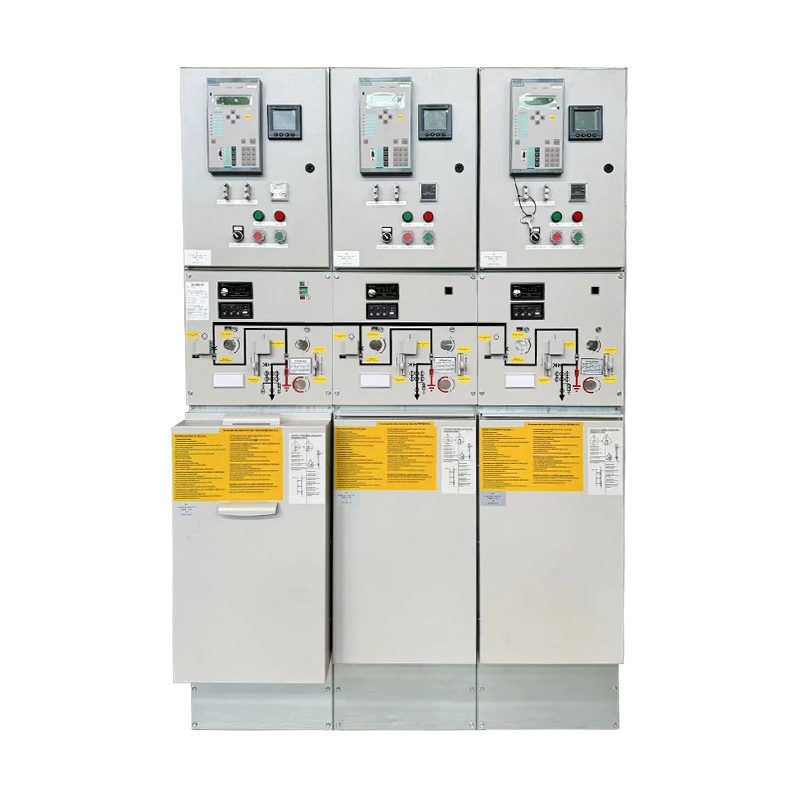
A Cabinet-Type Outdoor Prefabricated Substation, which is a compact, all-in-one electrical distribution solution designed for outdoor installation. Th...
See Details
Copyright © Jiangsu Dingxin Electric Co., Ltd. Rights Reserved.

Energy Efficient Transformers Manufacturers Electrical Transformers Factory
Contact Us