 English
 русский
 Español
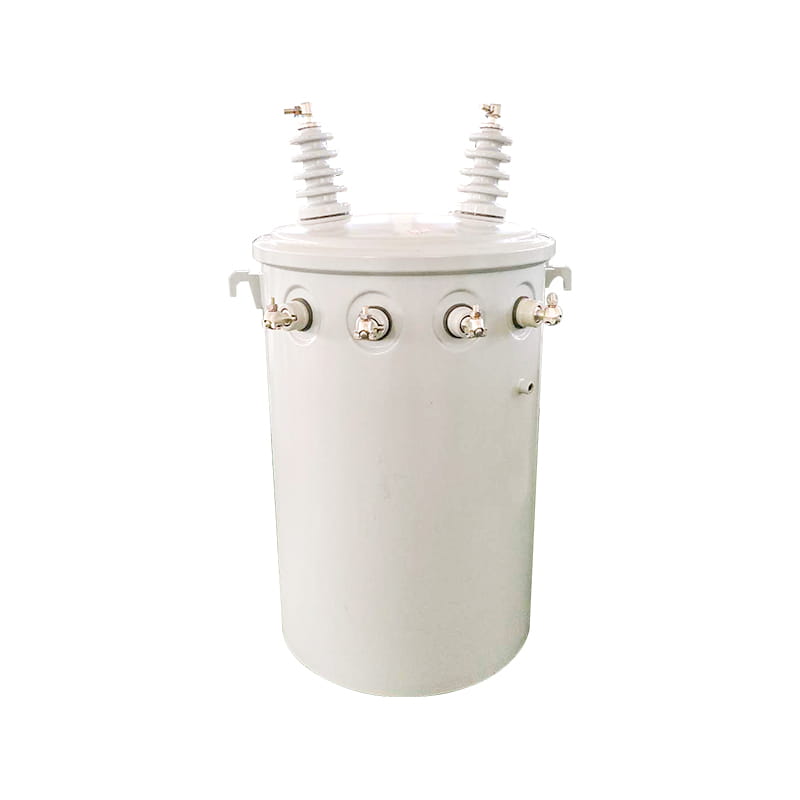
Energy-Saving Single-Phase Oil-Immersed Pole-Mounted Transformer
15KVA 13.8KV/0.4KV
See Details
Content
A single unplanned site change on a substation project rarely appears catastrophic in isolation. A bushing position that doesn't align with the switchgear bus costs a few hours of remedial work. A secondary cable that arrives 200mm short costs a day of re-pulling. But these events cluster — and when they cluster at the same point in the schedule, during commissioning week with an energization deadline bearing down, their cost multiplies beyond the direct labour bill. Specialist engineers are recalled. Crane hire is extended. Network operators reschedule outage windows. Liquidated damages clauses activate.
Studies of utility-scale electrical infrastructure projects consistently identify interface management failures — particularly between equipment supplied by different vendors — as the leading non-weather cause of commissioning delays. For outdoor prefabricated substation solutions that integrate switchgear, transformers, and an enclosure structure, the manufacturing philosophy directly determines how much of this interface risk is absorbed at the factory versus exported to site. The difference between a well-integrated unit and a loosely coordinated assembly of separately procured components can represent three to six weeks of commissioning schedule — and a proportional difference in total project cost.
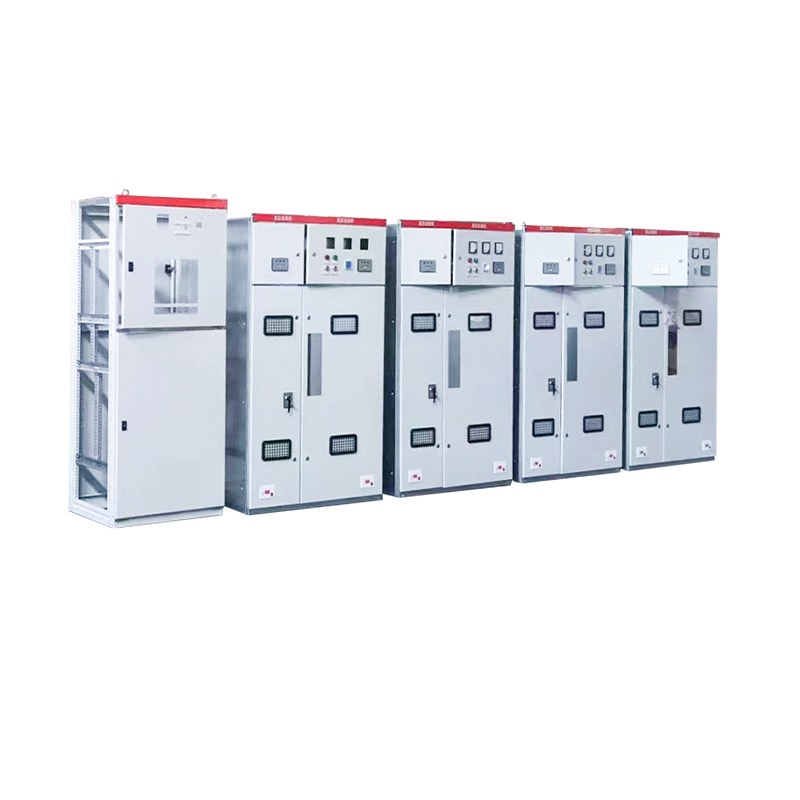
The conventional procurement model for a compact substation involves issuing separate purchase orders to a switchgear manufacturer, a transformer manufacturer, and a prefabricated enclosure supplier. Each vendor delivers a product that conforms to its own specification. The integration work — verifying that three independently manufactured items fit together, connect correctly, and operate as a system — falls to the site installation team. This is precisely where the risk accumulates.
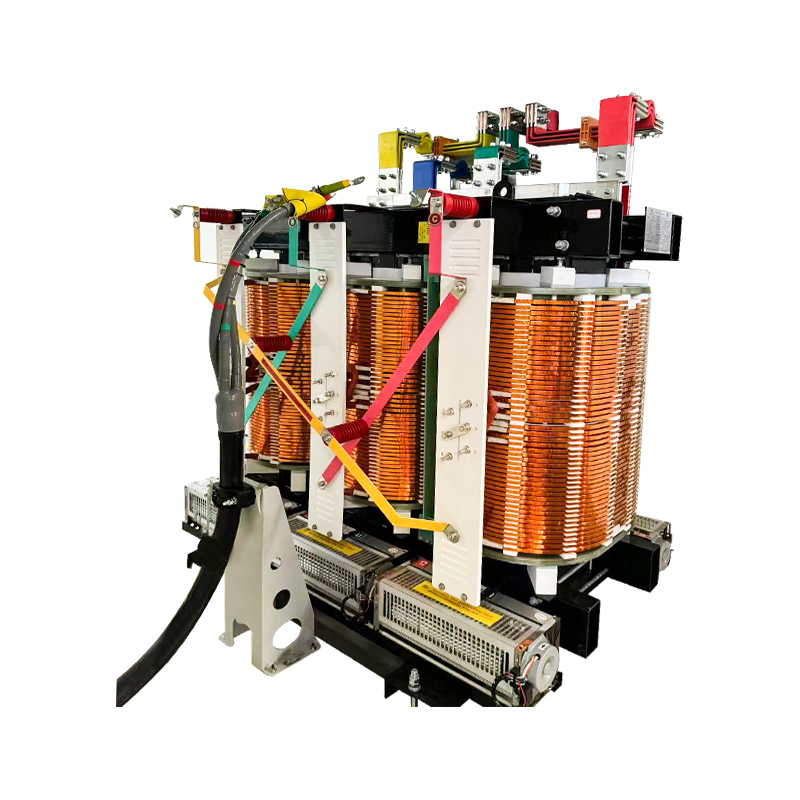
Consider what "fits together" actually requires. The high and low voltage switchgear has a defined busbar geometry: the MV bus exits the transformer compartment at a specific height, specific horizontal offset from the panel face, and specific conductor cross-section. The power transformer has HV bushings at positions determined by the core and winding geometry, which the manufacturer optimizes for electromagnetic performance — not for switchgear bus alignment. The prefabricated enclosure has internal clearances set by the enclosure designer's standard template. Unless all three manufacturers have actively coordinated their designs against a shared set of interface drawings, the probability that they will fit together on first assembly without modification approaches zero.
The problem is compounded by a structural issue in how responsibility is allocated. When switchgear, transformer, and enclosure are procured separately, no single vendor owns the system interface. The switchgear supplier has met their specification if the panel is correctly rated and type-tested. The transformer supplier has met their specification if the unit passes IEC 60076 routine tests. The enclosure supplier has met their specification if the structure is weatherproof and correctly dimensioned. The gap between these three fulfilled specifications — the actual connection geometry, the secondary cable routes, the internal clearances — belongs to nobody. It surfaces at site.
Analysis of commissioning records across prefab substation projects points to three categories that account for the large majority of unplanned site modifications. Understanding the root cause of each clarifies why factory integration is the correct solution, rather than more detailed site supervision or tighter individual equipment specifications.
The first category is primary connection geometry mismatches — the physical positions of transformer bushings, switchgear busbars, and LV cable terminations do not align within the installed enclosure, requiring field fabrication of transition conductors, flexible links, or extension brackets. This is the most frequent source of delay because it requires qualified HV jointers or busbar fabricators, not general electricians, and because the remedial work must be completed before any primary system testing can begin.
The second category is oil containment and drainage conflicts. Oil-immersed transformers require a bunded containment area capable of holding at least 110% of the transformer oil volume. When the transformer and enclosure are designed independently, the containment geometry — drain slope, sump position, drain pipe routing — is often incompatible with the enclosure base frame or the site cable trench layout. Resolving this on site requires concrete breaking or structural modification of the base frame, neither of which is a minor intervention.
The third category is secondary wiring discrepancies. Protection relay terminals, metering CT connections, SCADA I/O wiring, and DC auxiliary circuits must all connect between the primary switchgear, the transformer monitoring equipment, and the secondary control panel. When each equipment item arrives with its own set of internal wiring and terminal block numbering — developed independently, without reference to a common secondary schematic — the site electrical team spends commissioning time tracing and re-terminating wiring rather than testing protection logic. For a detailed breakdown of what these secondary interfaces look like in practice, see our primary, secondary, and civil interface checklist. For the specific acceptance failures that appear most often after delivery, the eight common rework triggers at pad-mounted installation acceptance provides a practical reference.
In each of these three categories, factory integration prevents the problem through the same mechanism: the interface is verified — physically, dimensionally, and electrically — before the unit ships. Problems discovered in the factory are resolved by the manufacturer, in a controlled environment, using their own resources, at their own cost. Problems discovered on site are resolved by the customer, in the field, using mobilized specialist resources, at the customer's cost and schedule risk.
Of the three problem categories, primary connection geometry mismatches cause the most schedule damage because they sit on the critical path. No secondary testing, no protection commissioning, and no energization can occur until the primary bus connections are complete and insulated. A geometry mismatch that adds two weeks to primary connection work adds two weeks to everything that follows it.
The geometry interface between an MV switchgear panel and a power transformer is defined by four parameters that must match across the two pieces of equipment: the bushing centre height above the floor datum, the bushing horizontal offset from the transformer tank centreline, the bushing conductor diameter and thread pattern, and the minimum electrical clearance required between the live conductor and any earthed metalwork within the enclosure. If any of these four parameters is incompatible between the switchgear bus connection point and the transformer bushing, a field solution is required.
Factory integration resolves this by requiring the transformer and switchgear to be assembled together — or at minimum dimensionally verified against a common general arrangement drawing — before the enclosure is closed and the unit is prepared for dispatch. In practice, this means the transformer is positioned inside the enclosure with the switchgear already installed, and a dimensional check of bushing-to-bus alignment is completed with a physical measurement or a 3D model overlay. Any discrepancy is corrected by adjusting the transformer position (within its mounting tolerance), fabricating a short bus extension, or modifying the bushing length — all of which are straightforward factory operations.
The same logic applies to the LV side. The transformer LV bushings must align with the LV switchboard busbars or cable entry points. LV busbar connections carry significantly higher currents than MV connections and therefore have stricter requirements for joint quality and contact resistance. A LV busbar joint fabricated in the field under time pressure, by a crew that did not design the connection, is a joint whose long-term reliability is uncertain. A factory-fabricated, torque-verified busbar connection made by the equipment's own assembly team is not.
| Connection Point | Parameters to Verify | Verification Method | If Unresolved at Factory |
|---|---|---|---|
| HV bushing to MV switchgear bus | Centre height, horizontal offset, conductor diameter, clearance | Physical assembly check or 3D model overlay | Field fabrication of transition conductor; HV jointer required |
| LV bushing to LV switchboard bus | Bushing position, current rating, joint torque | Assembly and torque verification in factory | Field busbar fabrication; risk of high-resistance joint |
| Earthing continuity across all components | Earth conductor size, dual connection points, resistance | Earth resistance measurement across assembled unit | Field bonding additions; touch voltage risk until resolved |
| Internal clearance (live to earthed metal) | Minimum air clearance per voltage class | Physical measurement at assembly | Enclosure modification or equipment repositioning on site |
Primary connection geometry is visible and measurable. Secondary wiring integration is less visible, but equally consequential for commissioning speed. A substation unit that arrives on site with pre-wired, pre-tested secondary systems — where every CT connection, every relay input, every SCADA data point has been verified in the factory — can begin functional testing within hours of being installed. A unit that arrives with three sets of disconnected terminals, each wired to a different vendor's convention, requires days of continuity checking and re-termination before functional testing can begin.
Factory integration of secondary systems means that a single secondary schematic governs all wiring within the unit — from the CT secondaries in the switchgear, through the inter-device cables to the protection relay panel, to the SCADA RTU outputs. Every terminal block is numbered according to this schematic. Every cable is tagged at both ends. Every relay input is connected and its correct operation is verified by secondary injection test before the unit is dispatched.
The practical consequence for site commissioning is significant. When an integrated unit arrives on site, the only new secondary connections required are those that link the unit to the external world: the communications cable to the master control system, the auxiliary AC supply from the site distribution board, and the remote I/O connections to any external sensors or actuators. These connections are made against a pre-defined terminal block interface — a deliberate design feature of integrated supply — and each one can be checked against a factory-issued termination schedule, not reconstructed from first principles on site.
Pre-commissioning of the complete secondary system in the factory also catches a category of faults that is nearly impossible to detect through individual equipment testing: inter-device logic errors. A protection relay whose trip output is correctly wired to its local circuit breaker, but incorrectly assigned to the wrong binary input on the SCADA RTU, will pass every individual equipment test and fail the system integration test. In factory pre-commissioning, with all three devices powered and communicating simultaneously, this fault appears immediately. On site, under commissioning pressure, it may appear only when the network operator attempts a remote control operation during energization.
The benefits of integration are only realized if the procurement specification requires integration explicitly. A specification that lists switchgear, transformer, and prefabricated enclosure as separate line items — even from the same vendor — does not guarantee that factory integration will occur. Integration must be specified as a system requirement, with defined verification steps that occur before dispatch.
A specification clause that captures integration as a requirement should include the following elements. First, a statement that the complete assembly — switchgear, transformer, secondary panels, and enclosure — must be assembled and energized as a unit in the factory prior to FAT, with all inter-component connections made and tested. Second, a requirement that the FAT scope includes a primary connection geometry check against the civil foundation drawing, a secondary injection test of all protection circuits with trip signals verified at circuit breaker level, and a SCADA data point verification with the master control system connected in simulation mode. Third, a requirement that a single set of as-built drawings, covering all primary and secondary connections within the integrated unit, is issued to the customer before dispatch.
The applicable international standard for HV/LV prefabricated substations is IEC 62271-202, which defines service conditions, rated characteristics, and test methods for prefabricated substations up to 52 kV. A specification that references IEC 62271-202 establishes a baseline for type testing and routine testing of the integrated unit as a whole — not only of its individual components. This is important because it shifts the test scope from individual equipment qualification to system-level performance verification, which is the correct frame for evaluating integration quality.
Beyond the standard reference, specifications should explicitly state that the transformer vector group, tap changer type, bushing positions, and oil volume must be confirmed on the purchase order before factory fabrication begins, and that no variation to these parameters is permitted after order placement without a formal engineering change notice. This requirement enforces the interface freeze discipline that prevents the most expensive late-stage design changes.
| Specification Area | Required Clause Content | Purpose |
|---|---|---|
| Factory assembly | Complete unit assembled and energized before FAT, all inter-component connections made | Forces integration verification in factory, not on site |
| FAT scope | Primary geometry check, secondary injection test, SCADA data point verification | Defines minimum integration testing before dispatch |
| As-built documentation | Single set of drawings covering all primary and secondary connections within the unit | Enables site team to commission without reconstruction of design intent |
| Interface freeze | Transformer bushing positions, vector group, oil volume frozen at order placement; changes require formal ECN | Prevents late-stage primary geometry changes |
| Standard reference | IEC 62271-202 type testing and routine testing for the integrated unit | Establishes system-level test frame, not component-level only |
Full single-source integration — where switchgear, transformer, secondary panels, and enclosure are all manufactured and assembled by one entity — delivers the maximum reduction in site change risk. It is also not always commercially available, practically achievable, or necessary for every project. The decision between full single-source supply and partial integration depends on three factors: project voltage class, transformer power rating, and the number of interface points that carry genuine risk.
For compact distribution substations in the 11 kV to 35 kV range, with transformer ratings below approximately 3,150 kVA, full single-source integration is both available from multiple manufacturers and strongly recommended. At these ratings, the switchgear, transformer, and enclosure are compact enough to be assembled as a single unit in the factory, type-tested as a complete system per IEC 62271-202, and transported as a single lift. The integration risk is highest at these ratings because the internal clearances are small and the tolerance for geometric misalignment is correspondingly tight. A European-style compact substation configuration is the standard form of this model, with MV switchgear, transformer, and LV switchboard in adjacent compartments of a single enclosure.
For higher-power applications — large power transformers at 110 kV or above, substations with multiple transformer bays, or installations requiring walk-in switchgear rooms — full single-source integration of every component is often impractical due to transport weight and dimensional limits. In these cases, partial integration remains highly valuable. The minimum meaningful integration scope is: the transformer and its associated MV switchgear panel assembled and dimensionally verified together at the factory, with bushing-to-bus geometry confirmed, before the switchgear is shipped to the enclosure erection site. This single step eliminates the most common and most damaging source of site changes, even if the full secondary system pre-commissioning cannot be completed until on-site assembly is further advanced.
Regardless of the integration model chosen, the principle is the same: every interface that can be verified in a controlled factory environment should be. Every interface left to site is a site change waiting to happen. The engineering investment required to coordinate three suppliers' drawings before fabrication begins is always smaller than the cost of three separate site modifications during commissioning — and it is always on the critical path when those modifications occur.
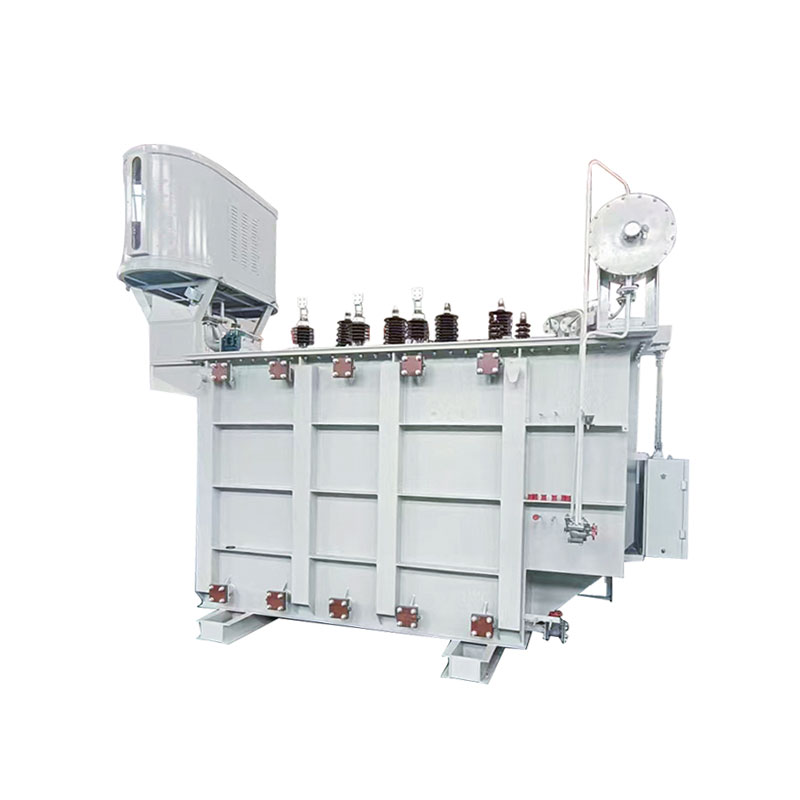
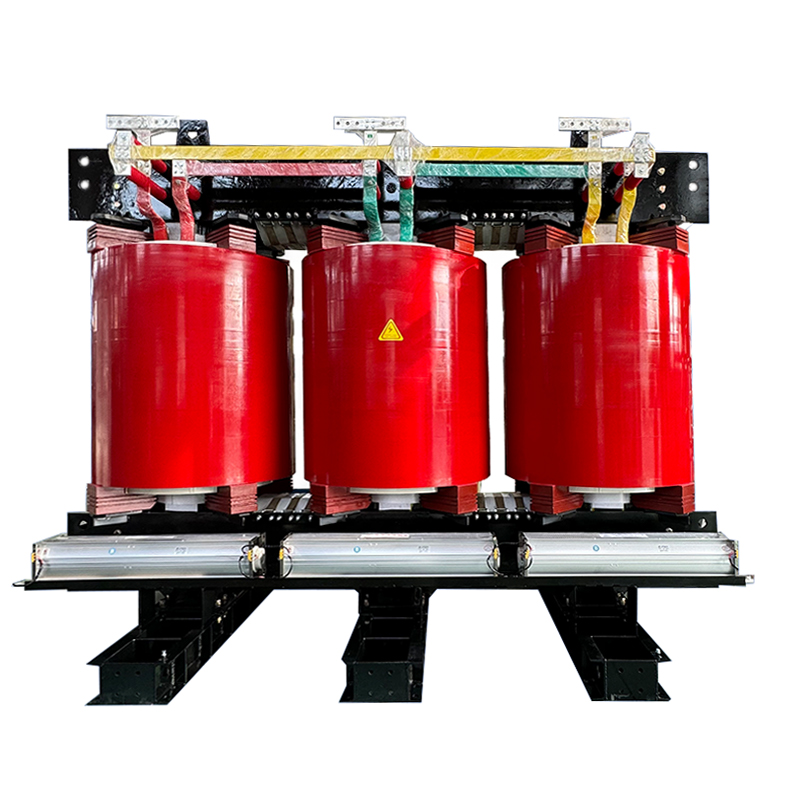
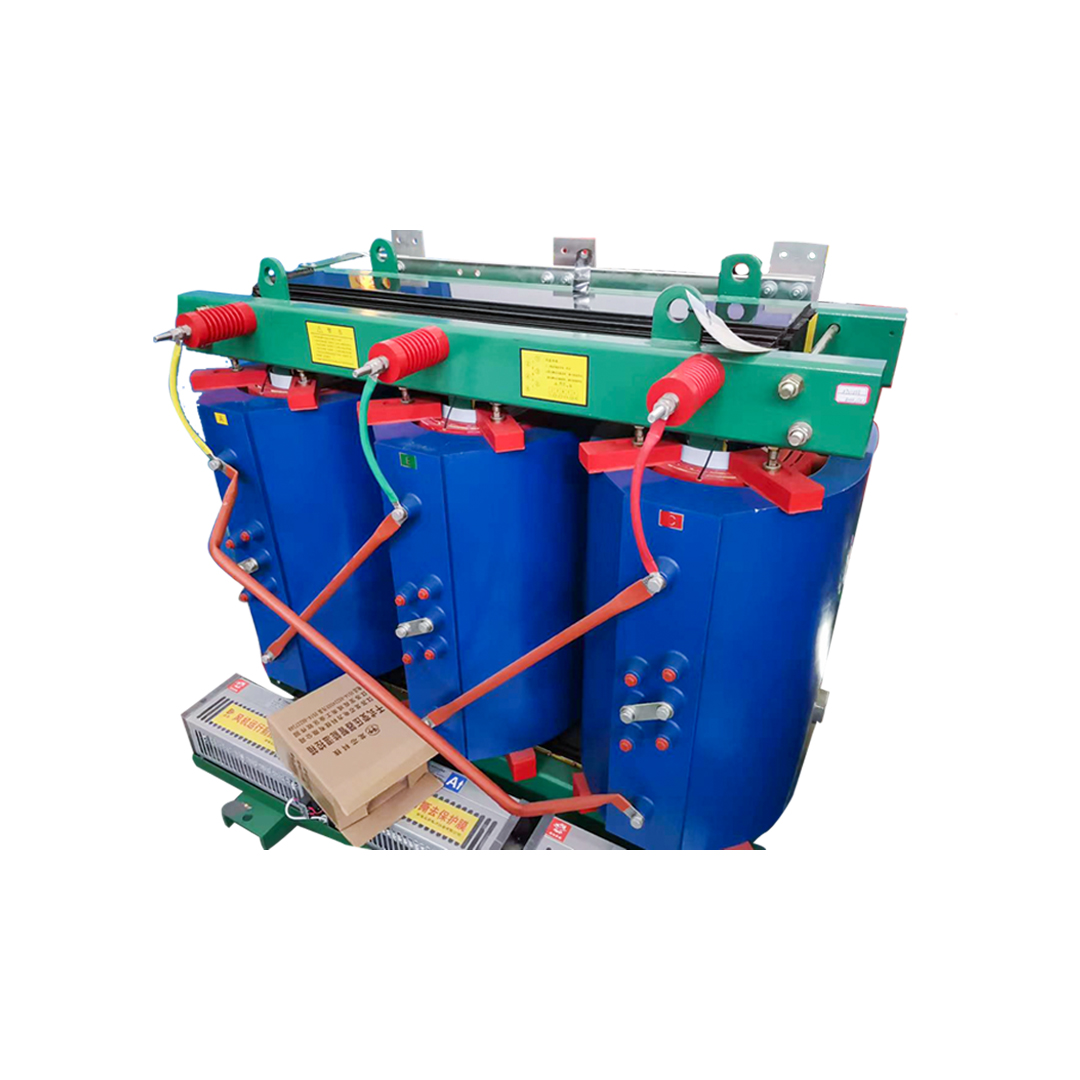
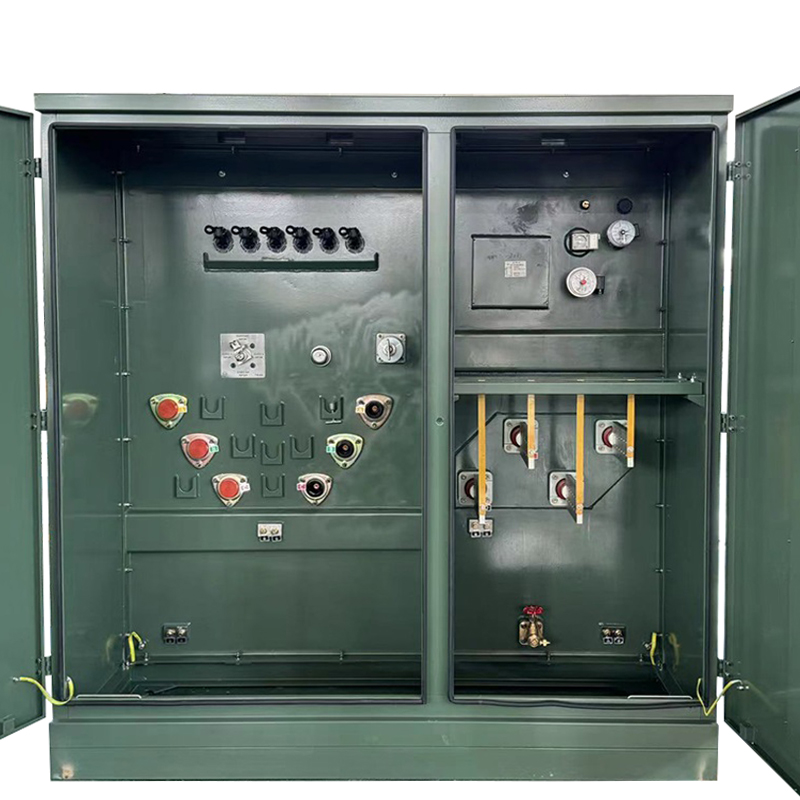
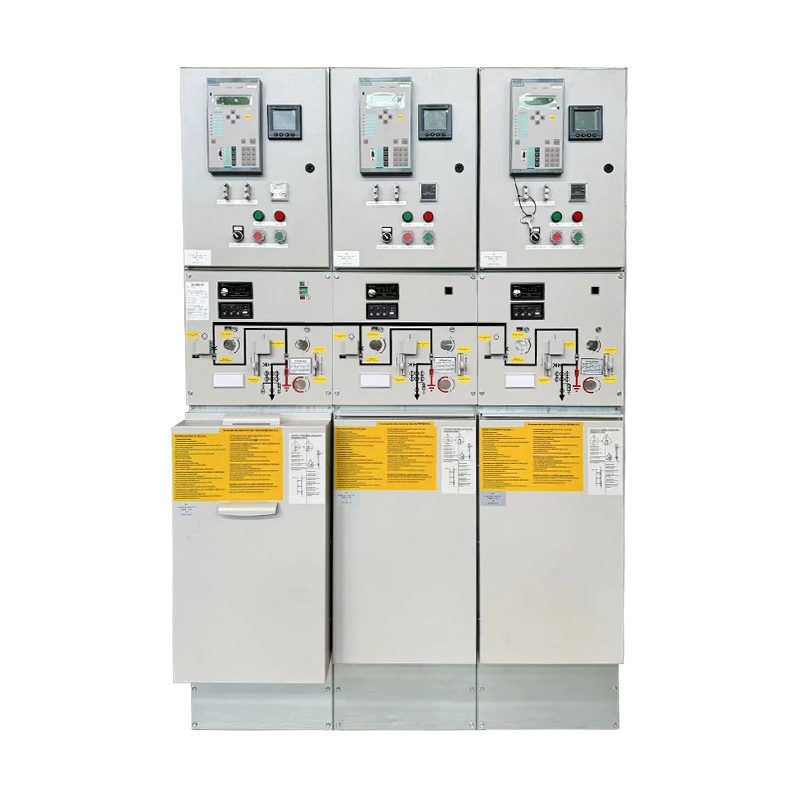
A Cabinet-Type Outdoor Prefabricated Substation, which is a compact, all-in-one electrical distribution solution designed for outdoor installation. Th...
See Details
Copyright © Jiangsu Dingxin Electric Co., Ltd. Rights Reserved.

Energy Efficient Transformers Manufacturers Electrical Transformers Factory
Contact Us