 English
 русский
 Español
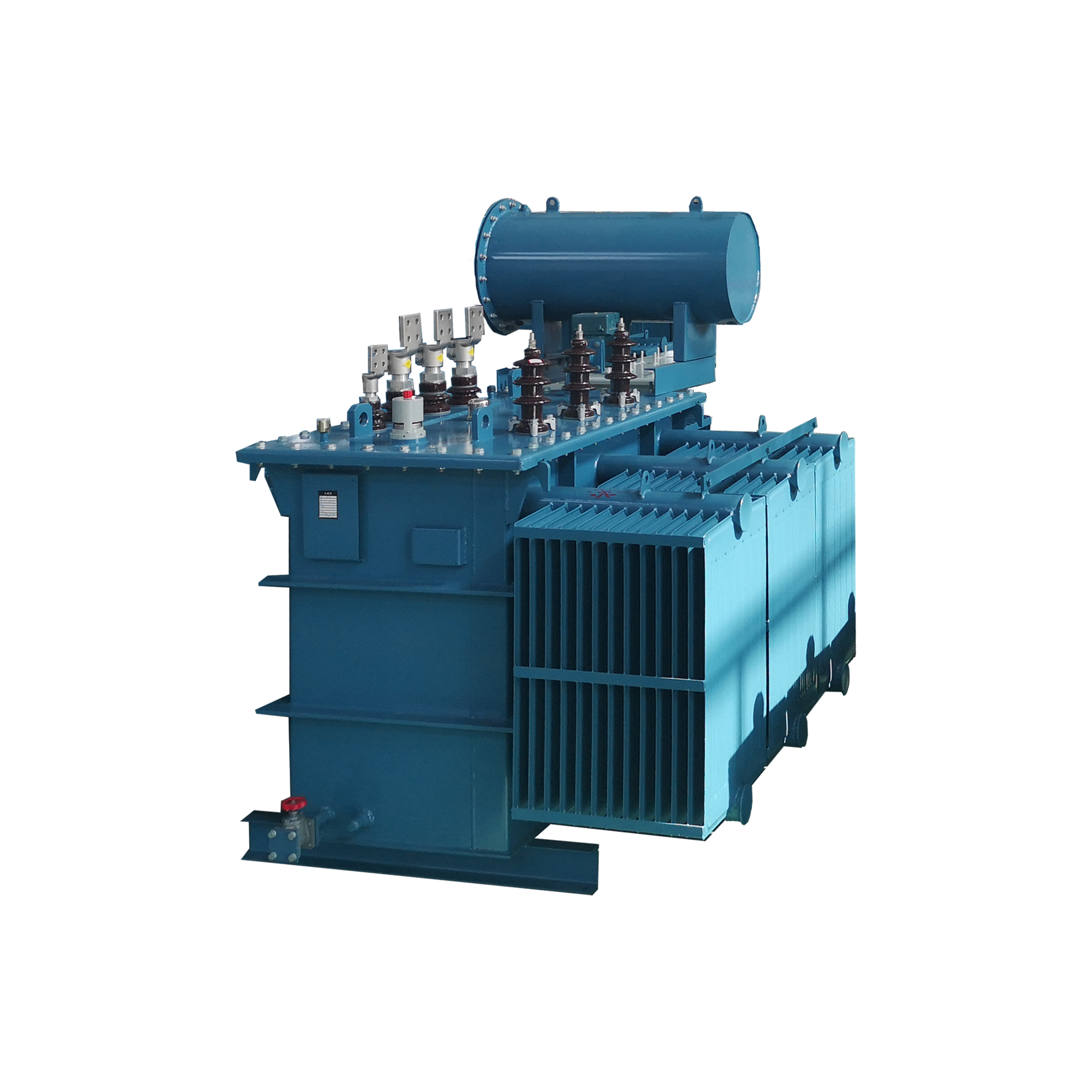
Energy-Saving Single-Phase Oil-Immersed Pole-Mounted Transformer
15KVA 13.8KV/0.4KV
See Details
Content
A substation project that misses its energization date rarely does so because of a bad schedule. It misses because an interface decision that should have been locked at the design stage was left open too long — and by the time the problem surfaced, steel was already welded, concrete was already poured, and the only fix was a change order. Interface freeze management is the discipline that prevents exactly this outcome. It asks a deceptively simple question at every major project milestone: which decisions must be final right now, so that the next phase can proceed without rework risk?
This article maps five substation project milestones to the specific interface parameters that must be formally frozen at each one. The focus is on when to lock interfaces — not just what they are. For a full technical breakdown of what each interface category contains, see our detailed primary, secondary, and civil interface checklist for outdoor prefab substations. The framework here applies equally to greenfield sites, brownfield upgrades, and factory-assembled compact substations — wherever multiple engineering disciplines or contractors meet.
Project schedules define when work should happen. Interface freeze deadlines define what information must exist before that work can happen correctly. The distinction matters because schedules are often compressed without a corresponding reduction in scope, while interface decisions are frequently deferred without a corresponding extension of the downstream phase's risk window.
Consider a straightforward example: a civil contractor pours the foundation for an outdoor prefabricated substation based on preliminary drawings that show anchor bolt positions as "TBC." The final anchor bolt pattern, confirmed three weeks later, differs by 80mm from what was poured. Core-drilling and chemical anchor installation in a finished concrete pad costs two to four weeks and can weaken the structural design — yet the root cause is not the contractor's error. It is the failure to freeze the interface parameter before the concrete pour milestone.
Interface freeze management works by treating certain decisions as prerequisites to milestones, not deliverables after them. Each milestone gates the next phase of work, and each gate has a list of interface parameters that must be formally signed off before the gate can open. The five milestones below structure this logic across a typical substation project lifecycle.
Front End Engineering and Design (FEED) is the stage at which the most consequential interface decisions are made — and the stage at which they are most often treated as provisional. The parameters that must be frozen at FEED are those whose change after this point triggers a cascade of redesign across multiple disciplines simultaneously.
The primary electrical interfaces requiring FEED-stage freeze are the network voltage class (6.6 kV, 11 kV, 33 kV, 110 kV, or higher), the maximum prospective fault level in kA at the point of connection, and the transformer rated power in MVA including any future expansion reserve. These three parameters drive every downstream equipment selection — from the rated voltage and breaking capacity of MV switchgear through the transformer's core dimensions and weight, to the civil foundation sizing. Changing any one of them after FEED forces a review of all the others.
The civil and site interfaces that must be frozen at FEED include: the site access road load capacity and routing, the preliminary foundation footprint and depth, the site flood level datum against which the unit's installation elevation will be set, and the ground conditions data from geotechnical investigation. Without frozen site access data, the transport study for large high-voltage power transformers rated at 110 kV and above cannot be completed — and transport studies that reveal a route problem after equipment is already manufactured are extremely costly to resolve.
One interface that is persistently under-managed at FEED is the communication protocol for SCADA and telecontrol. Selecting between IEC 61850 GOOSE/MMS, IEC 60870-5-104, and DNP3 at FEED is not premature — it is essential, because the choice determines which bay controllers, RTUs, and IEDs are compatible with the master control system. Reversing a protocol decision at detailed design stage means replacing hardware, not just reconfiguring software.
Detailed design sign-off is the milestone at which engineering drawings transition from internal working documents to formally issued construction and procurement deliverables. After this gate, changes carry a financial cost — either through change orders to the manufacturer, or through rework to civil works that have already been tendered or started. The interfaces frozen here are dimensional, electrical parameter-level, and protection system configuration.
On the civil side, the following must be frozen before detailed design sign-off: foundation pad dimensions and tolerance, anchor bolt pattern coordinates and diameter, cable trench centerline routing and entry sleeve positions in the enclosure base frame, and the oil containment volume and drainage path design. The cable entry sleeve positions deserve special emphasis — once the base frame is fabricated, moving a sleeve entry requires cutting and re-welding structural steel. The tolerance for misalignment between the sleeve and the site cable trench is typically ±50 mm in plan, so the trench must be designed to match the factory drawing, not the other way around.
On the electrical side, CT ratios and accuracy classes for all protection and metering circuits must be frozen at this milestone. A 5P20 protection CT specified at detailed design and later requested to change to 0.2S class for revenue metering is not a configuration change — it is a new CT core with different dimensions and burden characteristics, which may require different switchgear panel geometry. Equally, the choice of high and low voltage switchgear type — fixed pattern versus withdrawable, air-insulated versus gas-insulated — must be final at this stage, as it determines the secondary panel wiring philosophy and the maintenance access design.
Protection relay settings files do not need to be fully calculated at detailed design sign-off, but the relay type and firmware version must be frozen. Relay manufacturers issue firmware updates that alter function block behavior; a relay setting file developed against firmware version A may produce unexpected results if the installed device runs version B. Locking the firmware version at detailed design allows the relay engineer to develop and test settings against the correct software environment before FAT.
The procurement release milestone — the point at which purchase orders are placed for long-lead equipment — is commonly understood as a commercial event. Its importance as an interface freeze deadline is less well recognized. Once a transformer is ordered, its vector group, tap changer configuration, bushing positions, oil volume, and transport weight are fixed by the manufacturer's design. These parameters become the physical facts around which every other interface must be adapted. Changing them after order placement incurs manufacturing delays that typically range from eight to sixteen weeks minimum.
The interfaces that must be frozen before procurement release are therefore those that feed directly into equipment purchase specifications. For the power transformer: rated MVA, primary and secondary voltage, vector group (e.g., Dyn11), on-load or off-circuit tap changer type, cooling class (ONAN / ONAF / OFAF), oil volume, and HV/LV bushing orientation. For the MV switchgear: rated voltage and current, short-circuit breaking capacity, protection relay type, and metering configuration. For the DC auxiliary system: system voltage, battery capacity in Ah, and charger input voltage.
A specific secondary interface that must be frozen at procurement is the SCADA data point list — the full list of measurands, status points, control commands, and alarms that the RTU or bay controller will exchange with the master control center. This list determines the RTU's I/O module count and memory allocation. Expanding the data point list after an RTU is manufactured requires either field-fitting additional I/O modules (if the chassis has spare slots) or replacing the RTU entirely. Neither option is cheap, and both extend the commissioning timeline.
Understanding the full scope of what happens during the factory phase helps teams appreciate why procurement-stage interface freeze matters so much. Our article on factory acceptance and type testing for high-power transformers explains in detail how the FAT scope is built directly from the frozen procurement specification.
The Factory Acceptance Test is the last opportunity to verify that the interfaces designed and procured on paper actually work together in a physical assembly before the unit is shipped. A well-structured FAT goes beyond electrical tests on individual components — it verifies the integration points between primary equipment, secondary systems, and the enclosure structure.
The dimensional interface checks at FAT must verify that the fabricated unit's anchor bolt hole positions, cable entry sleeve coordinates, and external envelope dimensions match the civil foundation drawing to within the agreed tolerance. Any deviation outside ±5 mm in plan position of anchor bolts must be resolved before dispatch. The cost of resolving this discrepancy at the factory — by slotting bolt holes or adjusting the base frame — is a fraction of the cost of dealing with it on site after the unit has been craned into position.
Secondary system FAT verification must include an end-to-end protection test: injecting test currents and voltages into CT and PT secondary circuits, confirming that protection relays operate at the correct thresholds and with the correct timing, and verifying that trip signals reach circuit breaker trip coils and produce a physical breaker open operation. This test also confirms that SCADA data points appear correctly at the remote control center — which requires the master control system to be connected, at least in a simulated configuration, during FAT. Teams that defer this connection to site commissioning regularly discover that point list errors or protocol version mismatches add weeks to the commissioning schedule.
The communication link interface — fiber optic or copper cable route from the enclosure to the master control system — should be tested at FAT by connecting the RTU to a laptop running the master control software in simulation mode. This confirms that the protocol configuration is correct and that all data points map as expected. It does not require the actual site communications infrastructure to be in place; a temporary direct connection in the factory is sufficient to validate the software interface.
| Interface Category | Verification Method | Pass Criterion |
|---|---|---|
| Anchor bolt positions | Physical measurement against civil GA drawing | ±5 mm in plan; ±3 mm in elevation |
| Cable entry sleeve coordinates | Measurement against frozen trench routing drawing | ±50 mm from design centerline |
| Protection relay operation | Secondary injection test with relay test set | Correct trip time within ±5% of setting |
| SCADA data points | End-to-end test with master control simulation | 100% of agreed point list verified and mapped |
| DC battery autonomy | Discharge test with AC supply isolated | Full specified autonomy period sustained |
| Enclosure IP rating | Visual inspection of all cable gland entries and seals | No unsealed penetrations; fire-rated seals where required |
The site readiness gate is a milestone that many projects do not formally define — and pay for in extended commissioning durations. It is the verification, conducted before the prefabricated unit is transported to site, that the civil works are complete and correct to receive it. Passing this gate means the unit can be craned into position and immediately connected, rather than arriving on a flatbed to find that the foundation is not level, the cable trenches are not in the right position, or the earthing grid connection points have not been prepared.
The site readiness checklist at this milestone covers: foundation surface flatness measured across the full footprint (tolerance typically ±3 mm); anchor bolt positions and projection heights verified against the factory base frame drawing; cable trench and duct installation confirmed as complete to the enclosure entry sleeve position; earthing grid connection points installed and tested; and auxiliary AC supply available at the agreed connection point in the enclosure. If any of these items is incomplete when the unit arrives, the most likely outcome is a delay measured in days to weeks while the civil contractor returns to site.
Site installation also brings its own interface risks, particularly around the earthing system. Our coverage of common installation challenges encountered at high-voltage substation sites details how earthing grid connections, cable termination sequences, and commissioning test access must be sequenced to avoid rework.
The communications link — fiber or copper from the enclosure to the control room — must be installed and tested for continuity and signal integrity before the unit arrives. Discovering a break in a fiber run after the substation unit is in position, and needing to pull a new cable through a duct that now has the unit base frame sitting over it, is an avoidable delay that occurs on projects that treat communications infrastructure as a commissioning activity rather than a civil prerequisite.
A checklist tells a project team what to verify. An interface freeze register tells them when each item must be verified, who is responsible for signing it off, and what downstream work is blocked until it is frozen. The register converts interface management from a reactive audit activity into a proactive scheduling constraint.
A practical interface freeze register has the following columns for each interface item: a unique identifier, a plain-language description of the interface parameter, the milestone by which it must be frozen, the party responsible for the freeze decision, the party responsible for confirming the freeze (often the system integrator or EPC coordinator), the date frozen, and the reference document number that records the frozen value. The last column is critical — an interface that is "agreed verbally" is not frozen. A frozen interface exists only when the agreed value is recorded in a controlled engineering document, signed by both parties.
| Interface Item | Must Be Frozen By | Owner | Consequence If Late |
|---|---|---|---|
| Voltage class and fault level | FEED | Electrical (network studies) | Switchgear and transformer re-specification |
| SCADA communication protocol | FEED | Electrical / SCADA | RTU hardware replacement |
| Foundation anchor bolt pattern | Detailed design sign-off | Civil + prefab manufacturer | Core-drilling or base frame modification |
| CT/PT ratios and accuracy classes | Detailed design sign-off | Electrical (protection) | New CT cores, panel rework |
| Transformer vector group and tapping | Procurement release | Electrical | 8–16 week manufacturing delay |
| SCADA data point list | Procurement release | SCADA / RTU supplier | I/O module addition or RTU replacement |
| End-to-end protection test result | FAT | Protection engineer | Site commissioning delay, safety risk |
| Civil site readiness (foundation, earthing, ducts) | Site readiness gate | Civil contractor | Transport vehicle standby cost, re-mobilization |
The register should be maintained as a live document throughout the project, with status updated at each milestone review. Items that are approaching their freeze deadline without a signed-off value should be flagged as risks in the project risk register, with an identified owner and a resolution date. This is not bureaucracy — it is the mechanism that prevents a three-week crane hire from being wasted because the anchor bolts are in the wrong position.
For projects that use the IEC 61850 standard for substation communication, the System Configuration Description (SCD) file effectively becomes the primary-secondary interface freeze document for the digital protection and control system. Treating the SCD as a living document that is formally released at the procurement and FAT milestones — and not modified without a controlled change process — is the IEC 61850 equivalent of the interface freeze register concept applied to secondary systems.
Substation projects that consistently hit delivery milestones share one characteristic: they treat interface freeze dates with the same seriousness as contractual delivery dates. The discipline is not complex, but it requires someone with authority to ask — at every milestone review — which interface items are still open, and to refuse to let the project move forward until the answer is "none." That discipline is what separates substations that energize on schedule from those that spend months in commissioning limbo.
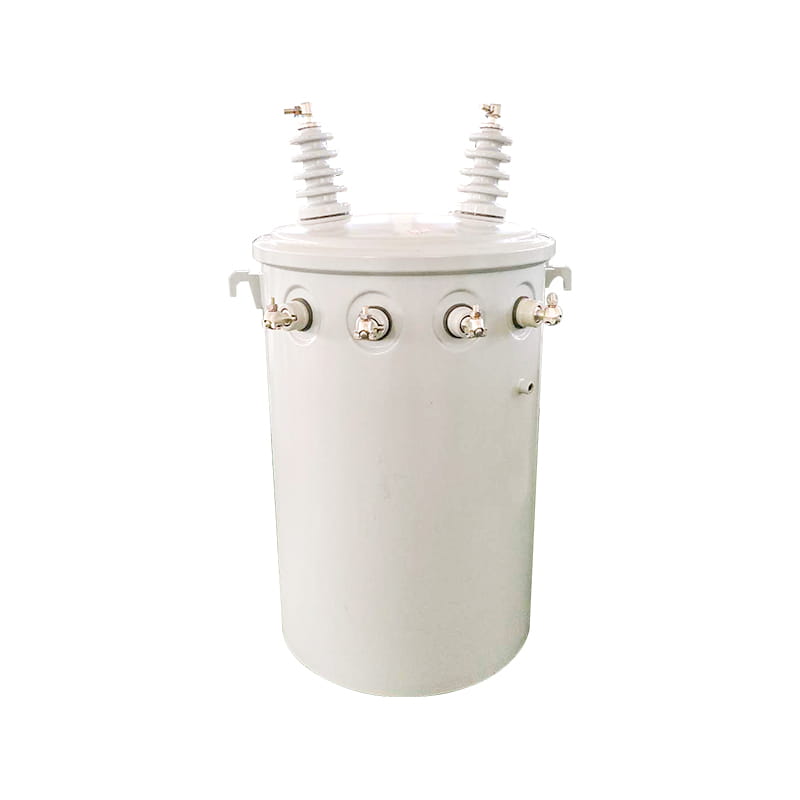
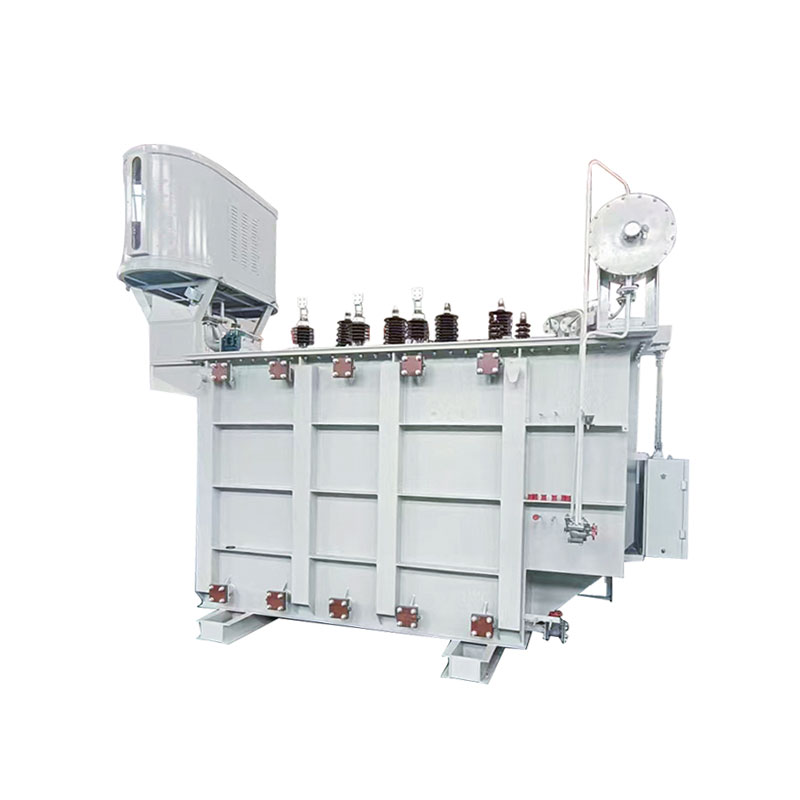
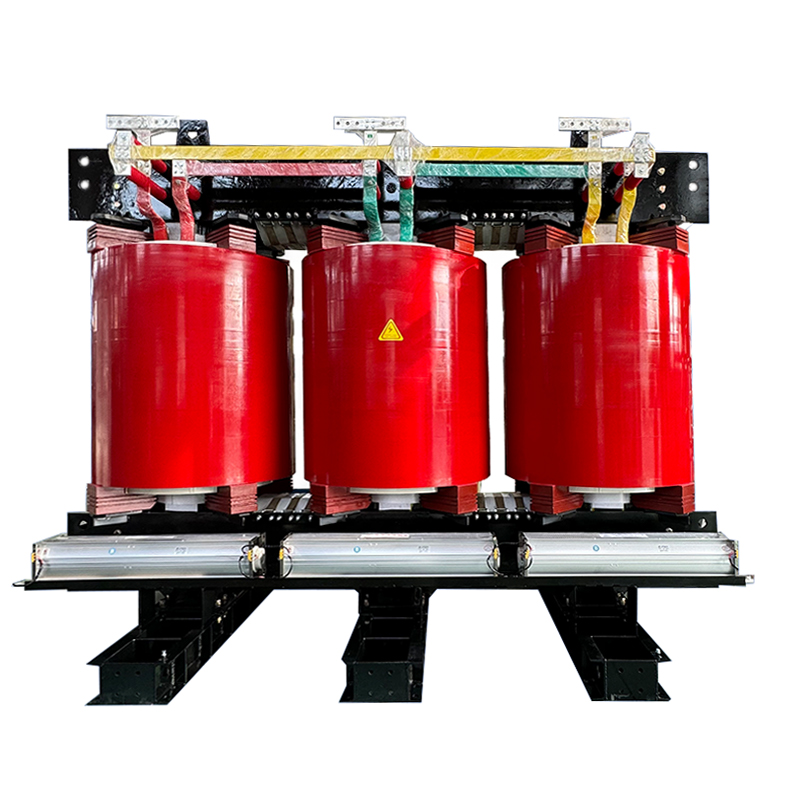
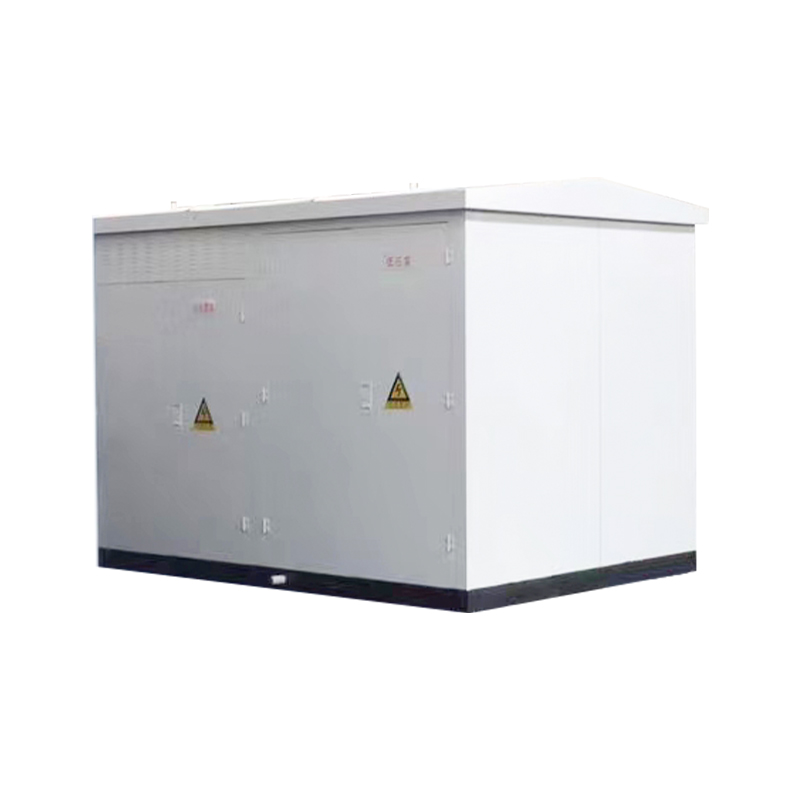
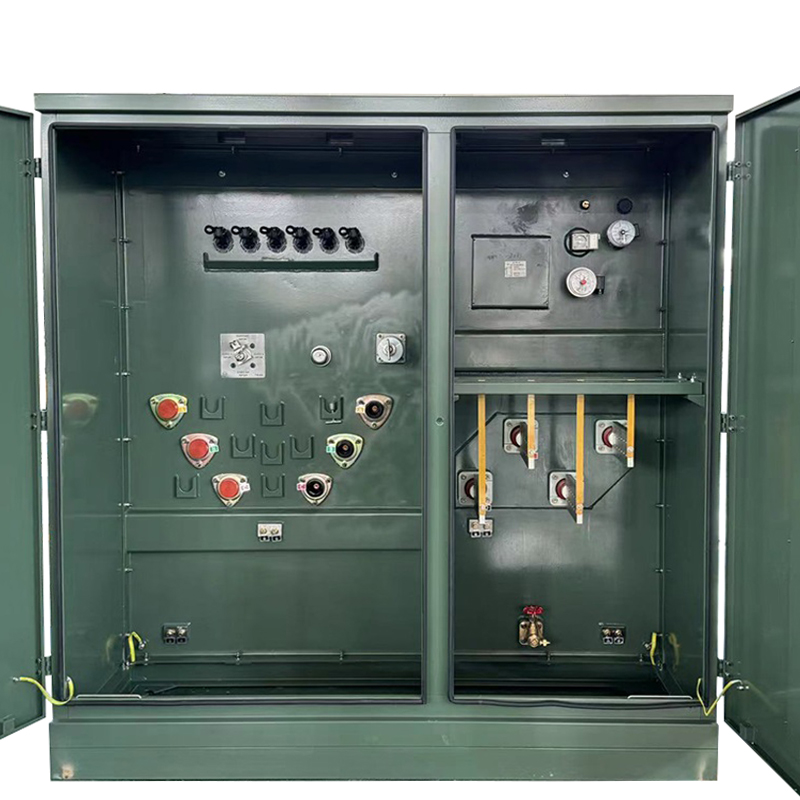
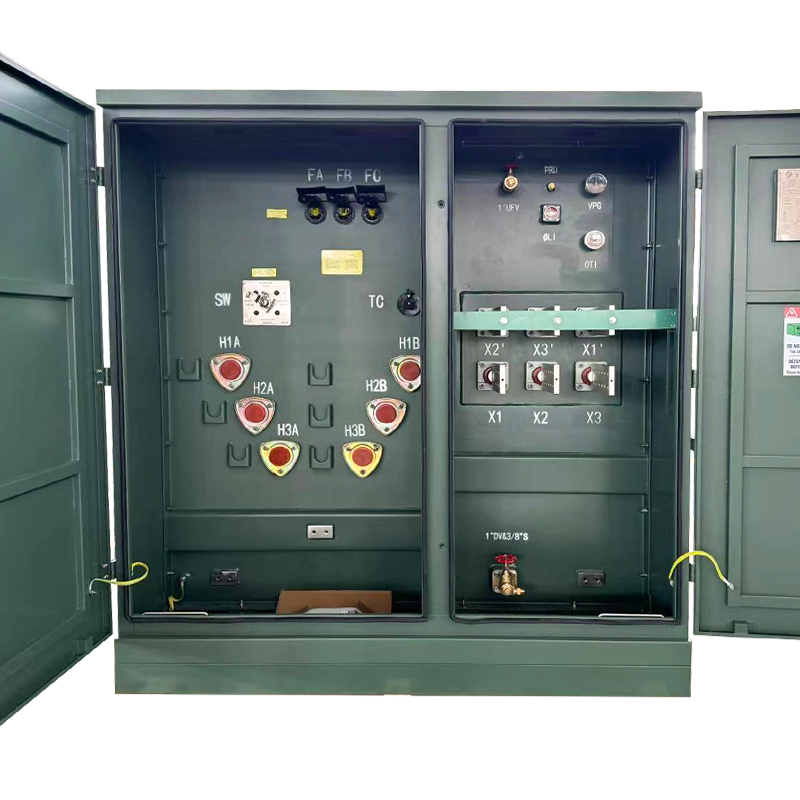
Base kVA: 45 kVA to 12,000 kVA Primary voltage: 2400 V to 46,000 V Secondary voltage: 120 V to 24,940V Basic lmpulse Level (BIL): 30kV to 250kV
See Details
Copyright © Jiangsu Dingxin Electric Co., Ltd. Rights Reserved.

Energy Efficient Transformers Manufacturers Electrical Transformers Factory
Contact Us