 English
 русский
 Español
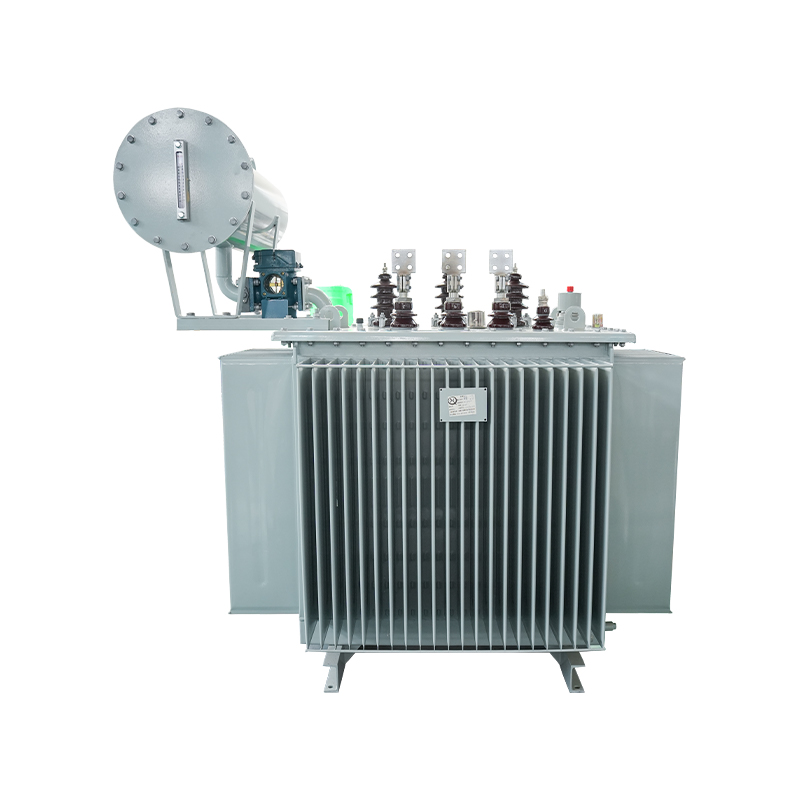
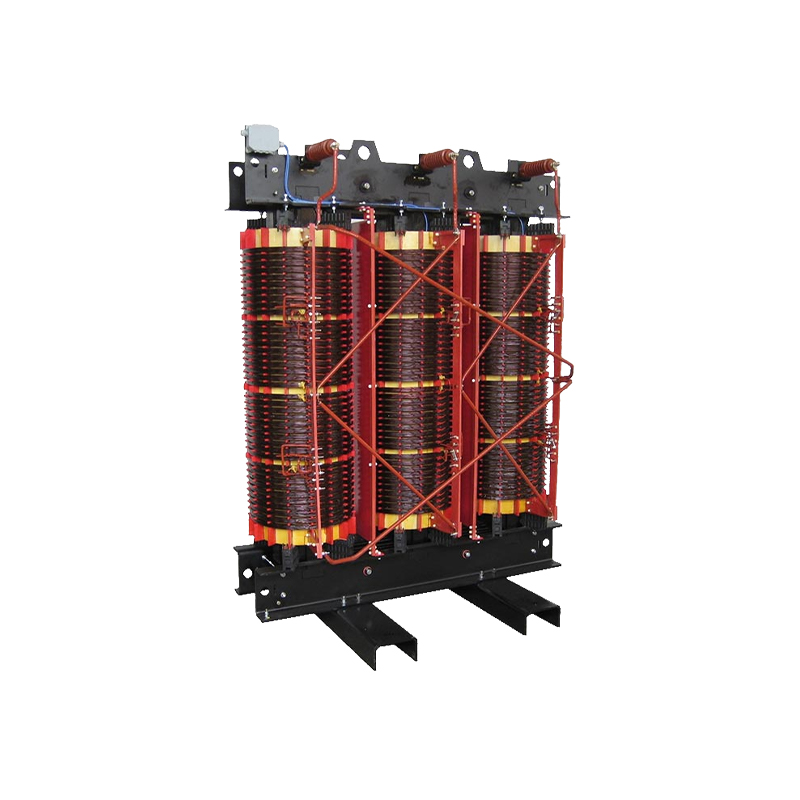
Three-Phase Transformer With Oil Pillow
630KVA 11KV
See Details
Content
Pad-mounted installation acceptance usually fails for eight recurring reasons: the pad is out of tolerance, the pad openings do not match the equipment, conduits are misaligned, ducts are wet or blocked, cables lack usable slack, grounding is incomplete, working clearance is compromised, or field records do not match what was built.
In practice, most rejection points are not subtle. They are visible installation gaps that force crews to chip concrete, rework duct banks, repull cable, adjust grade, or repeat testing. A conduit bank that lands 25 to 50 mm off target can turn a routine set into a corrective civil job, and a pad top that is only 10 to 12 mm out of level can keep a cabinet from seating flat enough for final approval.
The fastest way to avoid repeat work is to treat acceptance as a dimensional and documentation exercise before it becomes an energization problem. If the civil layout, underground route, cable preparation, grounding, access conditions, and turnover package all line up on the first inspection, the installation usually moves forward without expensive field changes.
| Rework Trigger | What Inspectors See | Why It Fails Acceptance | Preventive Check |
|---|---|---|---|
| Pad level or elevation out of tolerance | Uneven top, rocking base, poor door alignment | Equipment cannot seat or drain correctly | Survey the finished top before delivery day |
| Incorrect pad dimensions or opening layout | Mismatch at bolt pattern, throat, or cable window | Base and internal compartments do not align | Compare approved equipment drawing to formed pad |
| Conduit stub-ups misaligned | Conduits crowd each other or miss entry points | Cable training and terminations become unsafe | Field-locate centerlines before pour and before backfill |
| Ducts blocked, wet, or improperly sealed | Water, debris, failed mandrel, damaged ends | Cable pulling and long-term reliability are compromised | Mandrel, swab, and seal every run before turnover |
| Insufficient cable slack or poor bend radius | Cables pull tight or cross over in the cabinet | Termination space and future maintenance are affected | Mock up cable training path before final cut |
| Grounding and bonding incomplete | Missing bonds, loose lugs, or failed test values | Safety and fault-clearing path are not verified | Inspect connections and record test results before closeout |
| Working clearance or final grade conflicts | Restricted front access, blocked doors, poor drainage | Safe operation and service space are reduced | Verify grade and access after all site work finishes |
| Missing labels, test records, or as-builts | Field condition cannot be matched to drawings | Inspector cannot verify the installation | Close the paperwork gap before the walkdown |
Acceptance inspectors usually notice civil tolerance problems before they notice electrical details. If the pad top is not flat and level, the equipment can twist slightly during setting, which creates door alignment problems, uneven gasketing, and standing water risk. Even a small slope can matter because the cabinet base is rigid while the concrete surface rarely is.
A common field example is a pad that finishes too low after surrounding grade is raised late in the project. That forces water toward the enclosure instead of away from it. Another is a pad that finishes too high relative to trench transitions, which tightens cable bend geometry below the equipment and turns a simple pull into a cable training problem.
A pad can be structurally sound and still fail acceptance if its dimensions do not match the approved equipment footprint. The most expensive version of this mistake is when the throat opening or conduit window is shifted enough that the cable compartment and the underground entry no longer line up. Crews then have to core, chip, patch, or install awkward offsets that were never part of the intended layout.
The practical lesson is simple: the approved equipment base drawing should be treated as a fabrication document, not just a reference. If the final concrete is not checked against that drawing before delivery, the first real fit-up may happen only when the equipment arrives, which is the most expensive time to discover a mismatch.
Conduit placement errors are one of the most common rework triggers because they are easy to create and difficult to hide. A bank that drifts only a few centimeters from the intended centerline can crowd adjacent phases, push cable bends outside a comfortable training path, or block access to grounding points and elbows inside the cabinet.
This issue often starts with small layout drift during formwork, then grows when backfill and compaction lock the error in place. By the time acceptance happens, the correction may require concrete removal or nonstandard cable routing. That is why pre-pour and post-pour as-built measurements are far more valuable than relying on original layout stakes alone.
A conduit system that has never been mandrel-tested is a hidden acceptance risk. Debris, crushed sections, standing water, or rough conduit joints may not appear until cable installation starts. At that point, the crew can lose a full shift simply proving which run is obstructed and whether the problem is at the stub-up, in the sweep, or farther back in the duct bank.
Water intrusion is especially costly because it creates two problems at once: it affects pulling conditions immediately and raises concerns about long-term moisture migration into the enclosure. If the run is not cleaned, dried, and sealed before acceptance, the inspector may reasonably treat it as unfinished even if the concrete and cabinet look complete from the outside.
Cable work passes acceptance more reliably when it looks controlled, readable, and serviceable. Rework begins when conductors are cut too short, brought up through the wrong opening sequence, or forced into tight bends that make termination space messy. A shortage of even 600 to 900 mm of usable slack can be the difference between a clean termination and a repull or resplice decision.
Poor cable training also creates future maintenance problems. If the phase arrangement is difficult to identify or the conductors cross over in a cramped compartment, the installation may still be electrically possible but fail a practical acceptance review. Inspectors generally want to see an installation that can be operated and maintained without guesswork.
Incomplete grounding is a classic late-stage rework trigger because the physical installation may look finished while the safety path is still incomplete. Missing ground tails, loose compression points, unbonded metallic components, or undocumented test results can all stop acceptance. The issue is rarely just the missing connection itself; it is the fact that the installation cannot be proven safe in its current state.
Where this becomes expensive is in retesting. Once an inspector questions one grounding point, the review often expands to continuity, connection integrity, and the turnover package. That means a small installation omission can quickly become a broader documentation and verification problem.
Acceptance does not depend only on what is below or inside the equipment. It also depends on whether operators can reach and open it safely. Final site grading, nearby fencing, bollards, landscape edging, or later-added concrete can all reduce working space after the electrical work is done. A front approach that loses 100 to 150 mm of usable space may not seem significant during civil closeout, but it can become very obvious when doors need to swing fully and technicians need room to work.
This is why late-site changes are dangerous. The installation may have been acceptable when the cabinet was set, then become unacceptable after surrounding trades raise grade, add hardscape, or store materials too close to the front or side operating zones.
Water is a repeat offender in pad-mounted installation acceptance because it exposes multiple weaknesses at once. Ponding around the base suggests grade problems, open conduit entries, poor sealing, or all three. It also makes the installation look unfinished even when the equipment is technically in place.
An acceptance-ready installation should shed water away from the equipment, keep duct entries sealed, and leave no visible doubt about drainage intent. If the only proof of drainage is verbal assurance, the site is not really ready for sign-off.
A physically correct installation can still stall if it is not clearly identified. Missing feeder labels, unclear phase marking, absent circuit references, or mismatched tag names between the site and the drawings force the inspector to stop and verify basics that should already be obvious. That slows acceptance and increases the chance that other issues will be examined more aggressively.
The avoidable mistake is assuming that field crews, testers, and inspectors all interpret the same installation the same way. They do not. Labels and markings are the bridge between physical work and formal acceptance, especially when multiple runs, spares, or future provisions are involved.
Acceptance often fails on paper after the site walk is complete. If the as-built drawings still show the original conduit route, if the grounding test record is unsigned, or if the cable IDs on the report do not match the tags in the field, the installation is not fully verifiable. Inspectors typically treat that as incomplete work, not as an administrative detail.
This is one of the easiest triggers to prevent because the fix is procedural. The field condition, the test package, and the drawing set should tell the same story. When they do not, the site can look ready while the project is still functionally unaccepted.
The most effective control is a short pre-acceptance review performed before equipment delivery or before the final inspection is requested. That review should focus on the exact points that most often create repeat work.
These checks are not complicated, but they need to happen in sequence. A team that verifies dimensions before setting equipment, then verifies underground condition before pulling cable, and finally verifies documentation before calling for inspection, usually removes the majority of avoidable rework from the job.
A pad-mounted installation is typically ready for acceptance when the equipment footprint matches the concrete exactly, conduits enter where the design expects them to, cable training is clean and serviceable, grounding is complete and documented, drainage is obvious, access is unobstructed, and the paperwork accurately reflects the field condition.
The central takeaway is that most acceptance rework is predictable. The same eight triggers appear repeatedly because they sit at the boundary between civil work, underground work, electrical installation, and turnover documentation. When those handoffs are checked deliberately instead of assumed, failed inspections become much less common and the installation moves toward energization with fewer surprises.
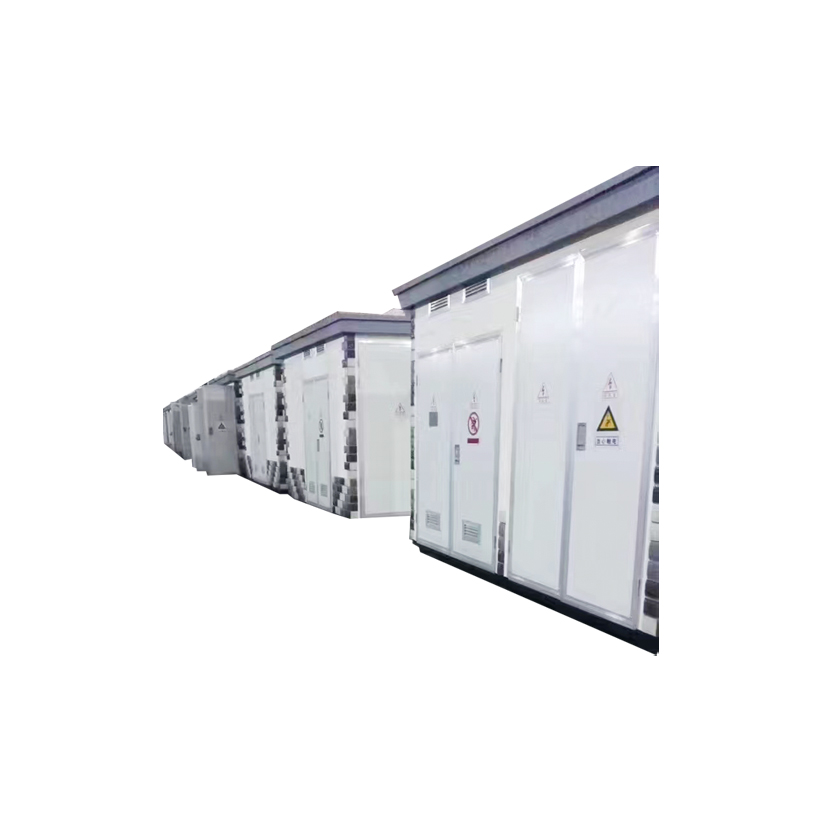
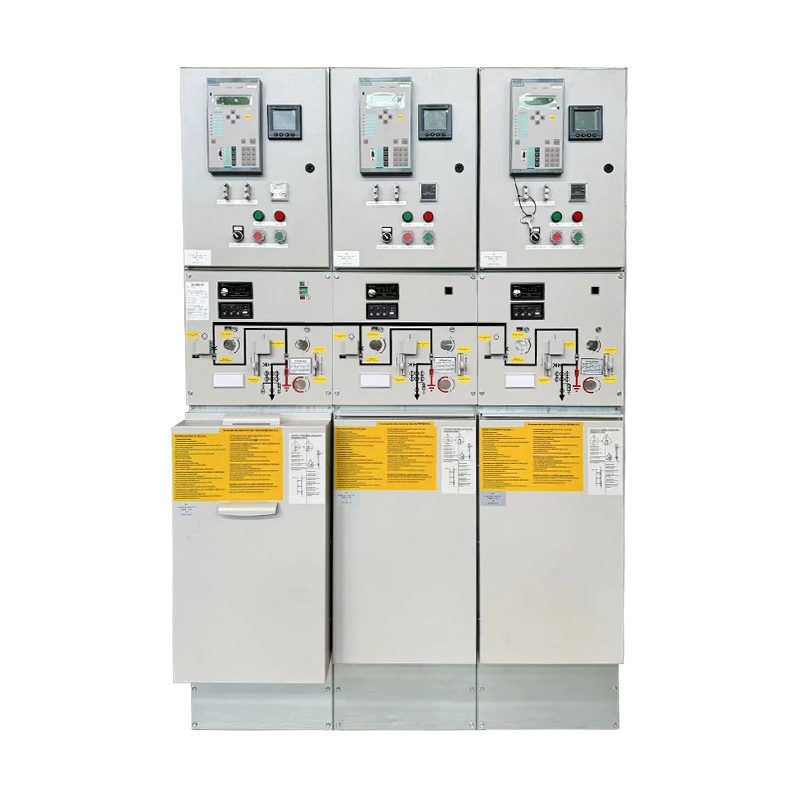
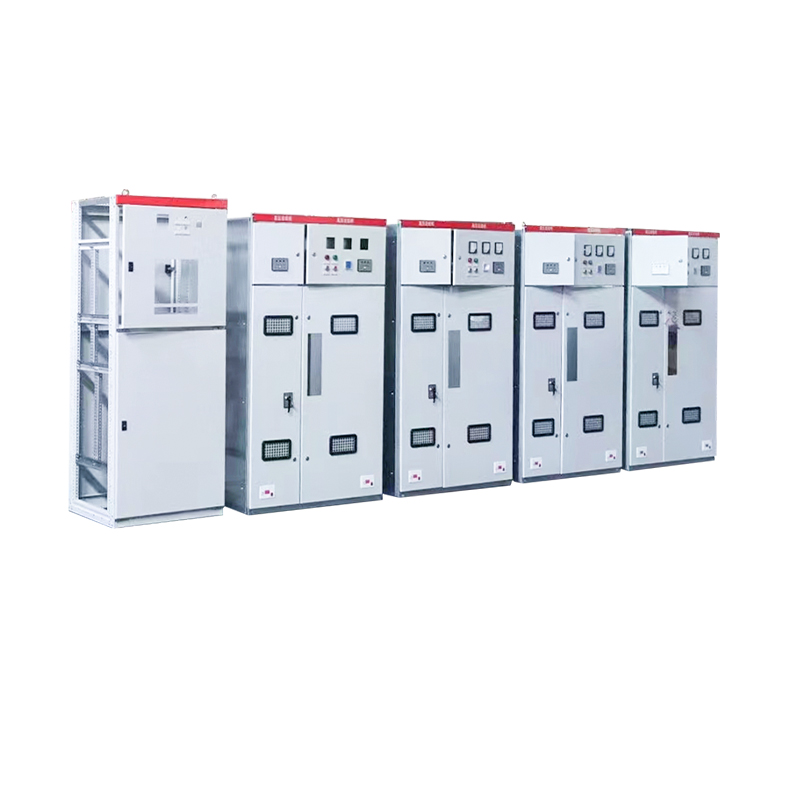
A Cabinet-Type Outdoor Prefabricated Substation, which is a compact, all-in-one electrical distribution solution designed for outdoor installation. Th...
See Details
Copyright © Jiangsu Dingxin Electric Co., Ltd. Rights Reserved.

Energy Efficient Transformers Manufacturers Electrical Transformers Factory
Contact Us