 English
 русский
 Español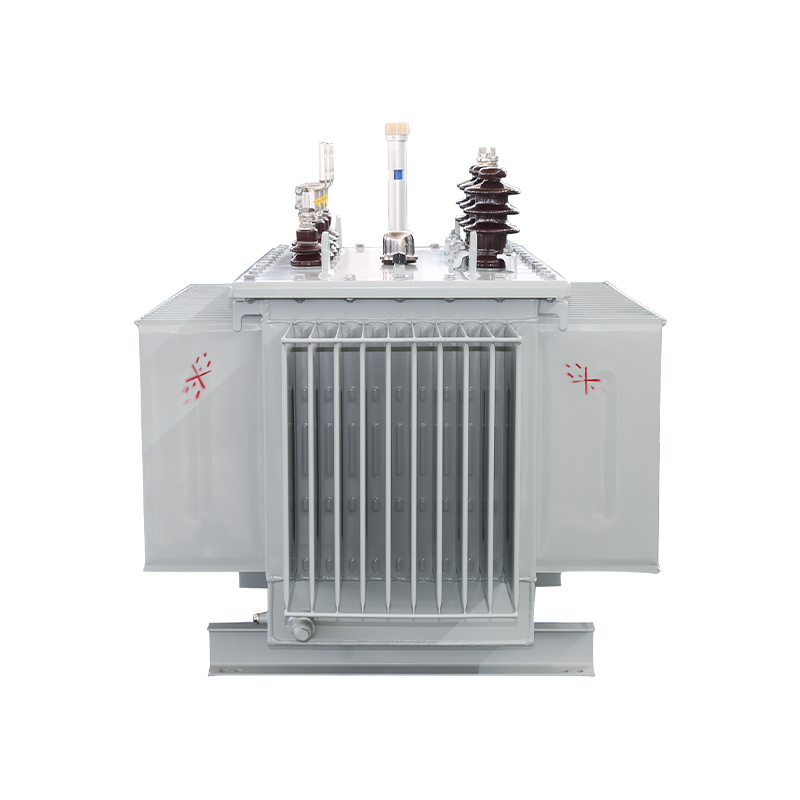
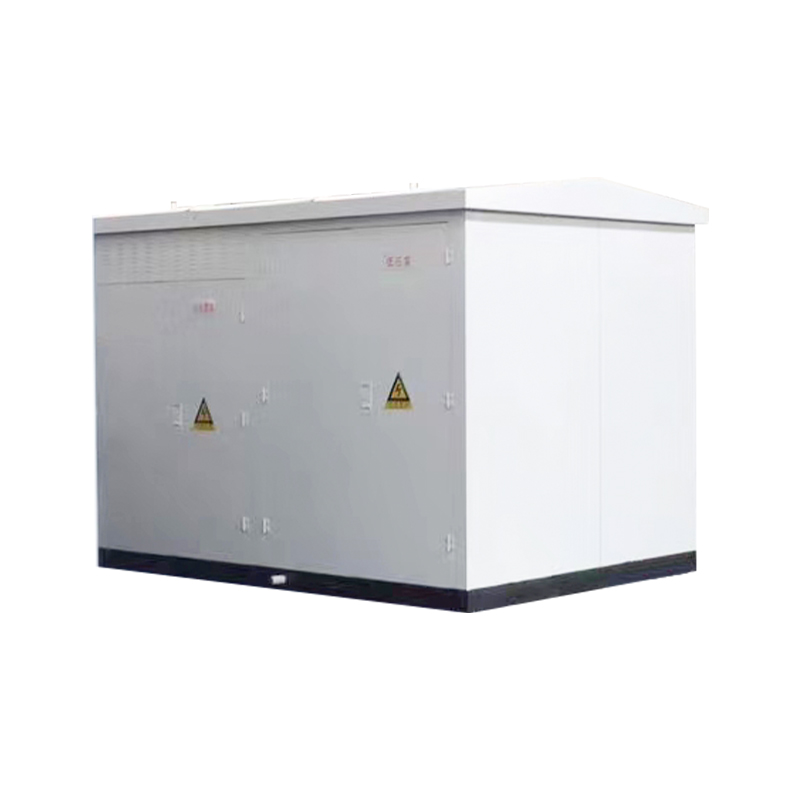
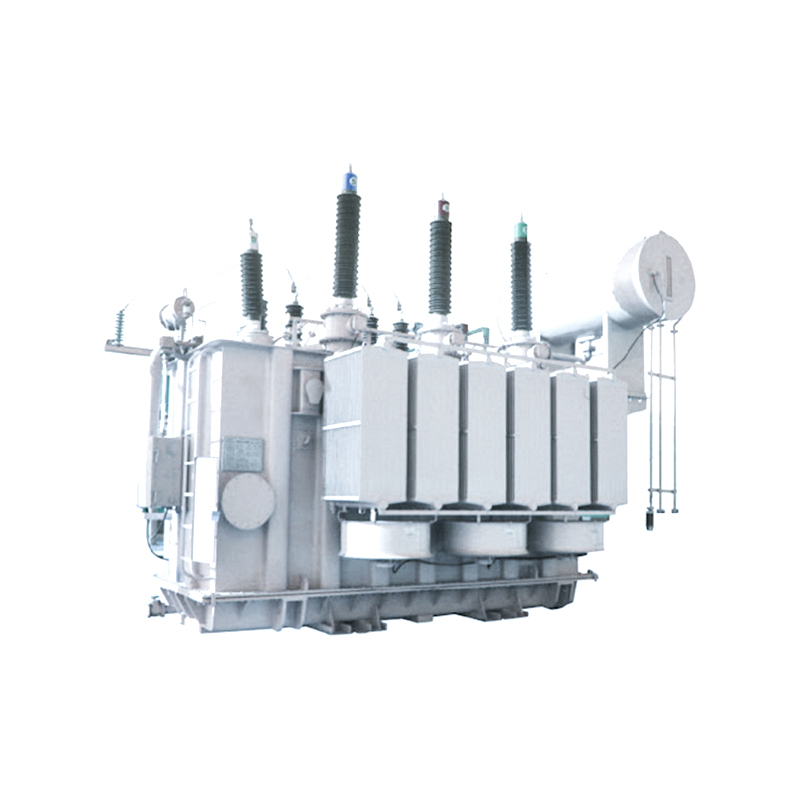
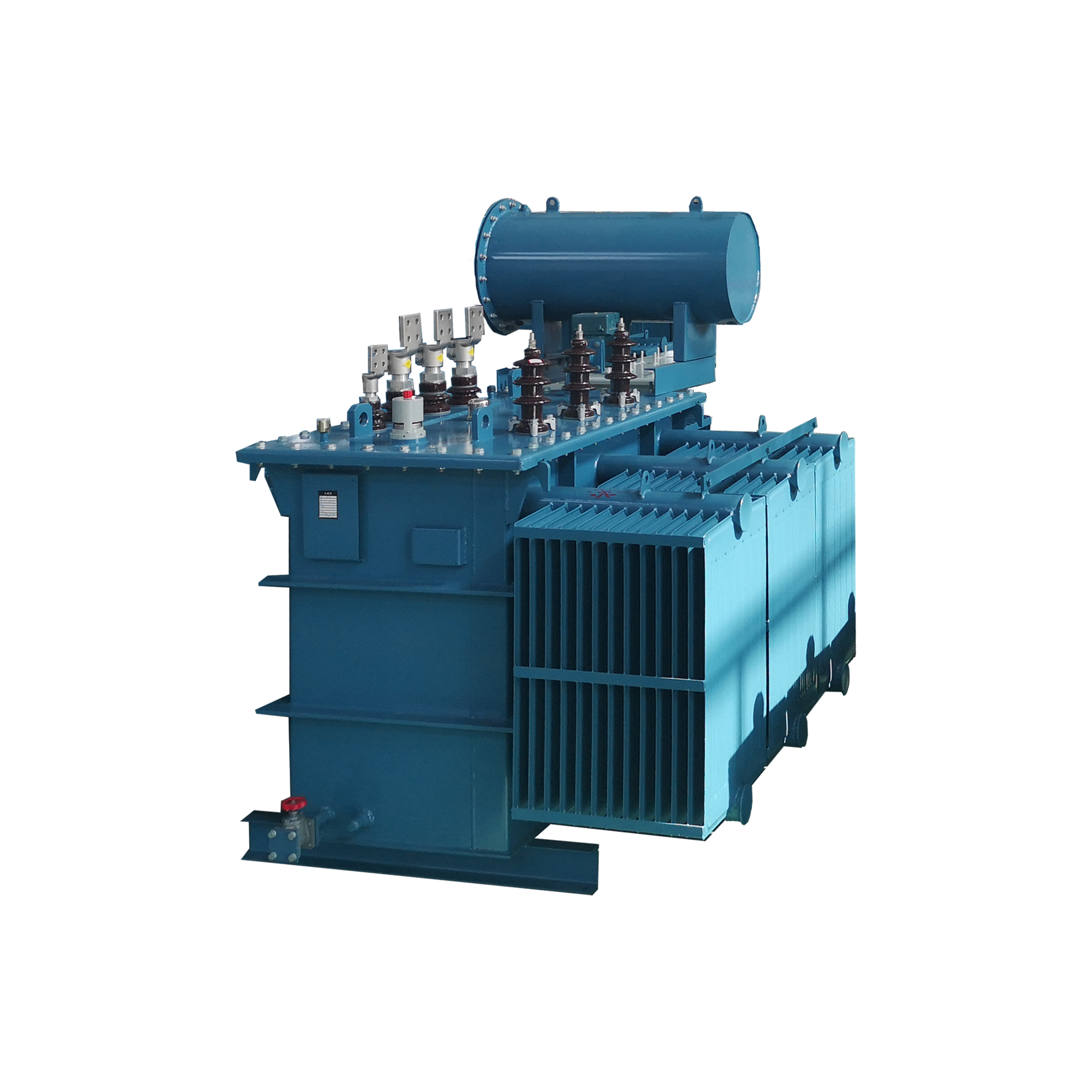
Amorphous Alloy Oil-Immersed Three-Phase Transformer
200KVA 10KV
See Details
Content
IEC, IEEE, and GB are three distinct standards systems used across different industries and regions. IEC (International Electrotechnical Commission) covers international electrotechnical and electronics standards; IEEE (Institute of Electrical and Electronics Engineers) focuses on engineering and technology standards, particularly in telecommunications and IT; and GB (Guobiao) is China's national mandatory or recommended standard system. Choosing the right one depends on your product's target market, industry, and regulatory requirements—and each demands a different set of compliance documents.
Founded in 1906 and headquartered in Geneva, IEC develops globally recognized standards for electrical, electronic, and related technologies. Its standards are adopted by over 170 countries, either directly or as the basis for national standards. For example, IEC 60950 (IT equipment safety) has been adopted by the EU, Japan, Australia, and dozens of other markets. IEC standards are particularly critical for product safety certification schemes like IECEE CB Scheme, which allows a single test report to be accepted in 54 member countries.
IEEE is a professional association and standards organization based in the United States. It is best known for standards in networking, wireless communications, and power engineering. IEEE 802.11 (Wi-Fi), IEEE 802.3 (Ethernet), and IEEE 1547 (distributed energy resources interconnection) are among the most widely implemented technical standards in the world. Unlike IEC, IEEE standards are not government-mandated by default but are widely referenced in industry specifications and procurement contracts.
GB standards are issued by the Standardization Administration of China (SAC). They come in two types: mandatory (GB) and recommended (GB/T). Mandatory GB standards carry legal force—non-compliance can result in a product being blocked from the Chinese market. Many GB standards are harmonized with IEC or ISO standards (e.g., GB 4943.1 mirrors IEC 62368-1), but there are notable local additions or modifications that require careful attention.
| Attribute | IEC | IEEE | GB |
|---|---|---|---|
| Issuing Body | International (UN-linked) | US-based professional association | Chinese government (SAC) |
| Geographic Scope | Global | Global (industry-driven) | China only |
| Legal Force | Depends on national adoption | Voluntary (unless referenced by law) | Mandatory (GB) or voluntary (GB/T) |
| Primary Focus | Electrical & electronic safety/performance | Engineering, networking, power systems | Broad (consumer goods, industrial, IT) |
| Certification Scheme | IECEE CB, IECEX, etc. | No formal certification scheme | CCC (China Compulsory Certification) |
| Cost to Access Standards | Paid (via IEC Webstore) | Paid (some free) | Free (via GB standards portal) |
Understanding which standard applies to your product or project requires knowing how each body divides its scope:
IEC covers a wide range of electrical and electronic sectors. Key technical committees include TC 61 (household appliances), TC 65 (industrial automation), TC 82 (solar energy), and TC 22 (power electronics). If you are exporting electrical products to Europe, the Middle East, Southeast Asia, or Latin America, IEC-based standards are almost always the foundation for local market certifications.
IEEE is strongest in communications, computing, and power engineering. Its standards dominate the networking space—over 90% of the world's local area networks use IEEE 802.3 or 802.11 protocols. In the energy sector, IEEE 1547-2018 is widely referenced by utilities in North America for grid interconnection of distributed resources, including solar inverters and battery storage systems.
GB standards span virtually every product category sold in China. Mandatory GB standards are enforced through the China Compulsory Certification (CCC) system, which applies to 18 product categories including electrical appliances, IT equipment, automotive parts, and toys. Products failing to carry the CCC mark cannot legally be sold or imported into China.
When pursuing certification under the IEC framework (e.g., through the CB Scheme or IECEX), you typically need to prepare:
For IECEX (explosive atmospheres), additional documentation includes a Quality Assurance Report (QAR) and an ExCB (Ex Certification Body) certificate specific to the equipment protection level (EPL).
IEEE does not operate a certification program. Compliance is generally self-declared or verified through third-party testing. The documents that matter include:
The CCC process is managed by CNCA (Certification and Accreditation Administration of China) and requires a more formal document package:
The typical CCC certification timeline is 3 to 6 months, depending on product complexity and whether the applicant can leverage an existing CB certificate to skip some testing stages.
In practice, many products need to comply with standards from more than one system simultaneously. A solar inverter sold in China must meet GB/T 19964 (grid connection for PV plants) and may also need to reference IEC 62109 for safety and IEEE 1547 if it is also sold in the United States. These standards are not always aligned:
The most efficient approach is to identify the most stringent applicable standard first, design to that level, and then verify which other certifications can be obtained without additional hardware changes.
| Scenario | Primary Standard | Secondary Reference |
|---|---|---|
| Exporting electrical appliances to EU | IEC (via EN harmonized standards) | – |
| Selling IT/networking equipment in China | GB (CCC mandatory) | IEC (CB report may reduce testing) |
| Developing Wi-Fi or Ethernet devices globally | IEEE 802.11 / 802.3 | IEC / GB for safety certification |
| Grid-connected solar/storage in North America | IEEE 1547 | IEC 62109 for safety |
| Multi-market product (global launch) | IEC (CB Scheme as base) | GB for China; IEEE where referenced |
IEC, IEEE, and GB serve fundamentally different purposes and operate under different authority structures. IEC is the go-to framework for international electrical product safety and performance testing; IEEE dominates engineering and communications protocols; GB is legally binding for the Chinese market and cannot be bypassed. The documents required under each system reflect these differences—IEC demands test-based certification files, IEEE relies on conformance reports and declarations, and GB enforces a full factory-plus-lab audit cycle through the CCC process. For manufacturers targeting multiple markets, mapping all applicable standards early in the product design phase—rather than retrofitting compliance—is the most cost-effective strategy.

Copyright © Jiangsu Dingxin Electric Co., Ltd. Rights Reserved.

Energy Efficient Transformers Manufacturers Electrical Transformers Factory
Contact Us