 English
 русский
 Español
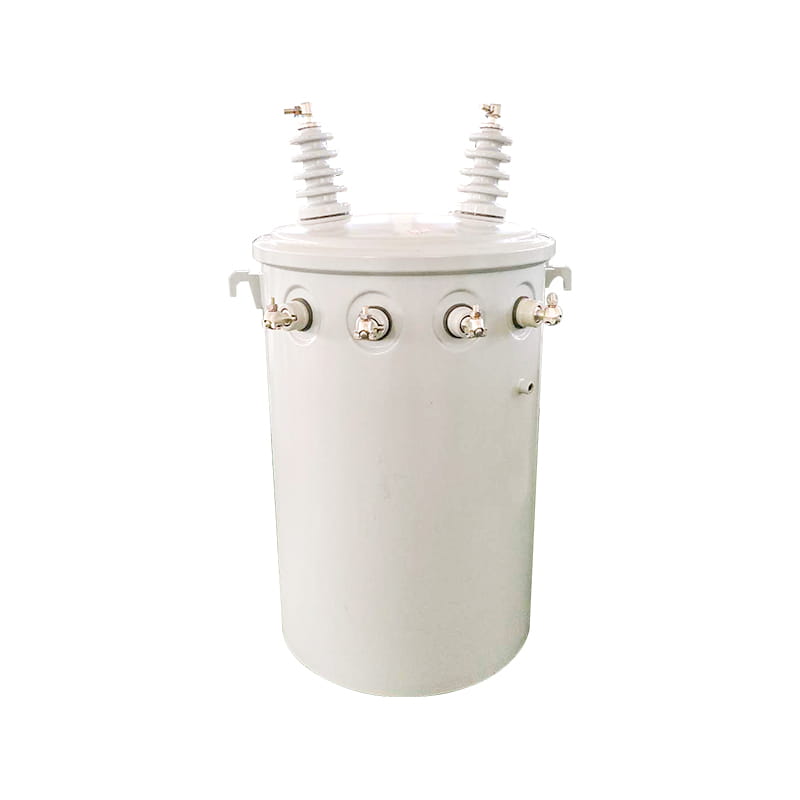
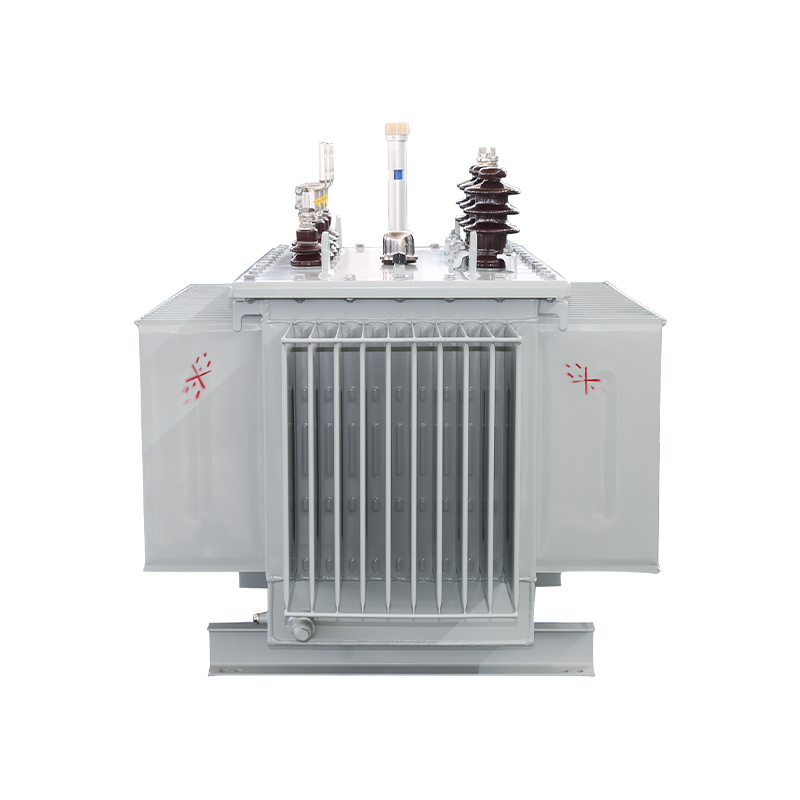
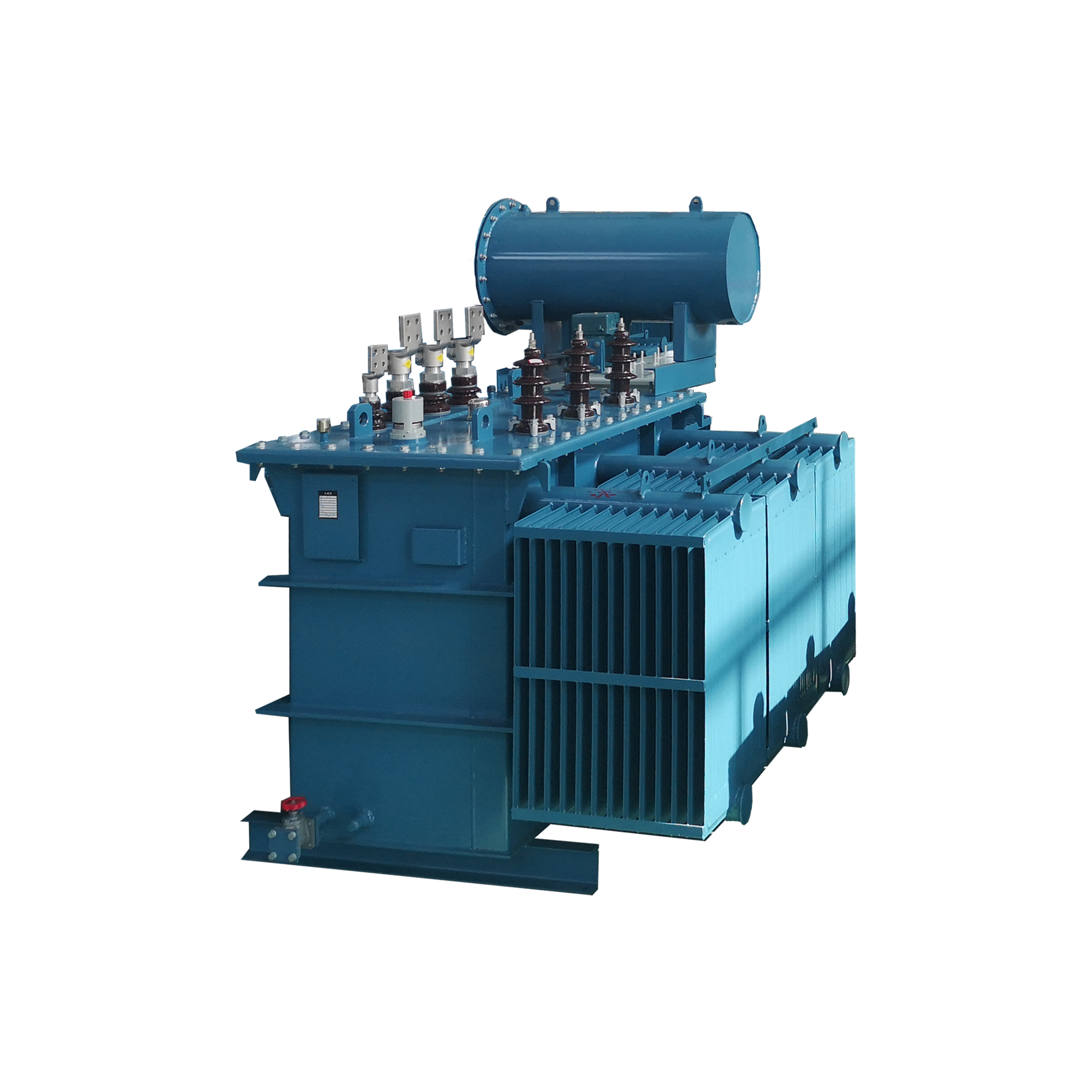
Energy-Saving Single-Phase Oil-Immersed Pole-Mounted Transformer
15KVA 13.8KV/0.4KV
See Details
Content
Choosing between a dry-type and an oil-immersed transformer is one of the most consequential decisions in any power system project. The two technologies differ significantly in how they handle heat, where they can safely be installed, and what they cost to maintain over their service life. As a manufacturer that produces both types, we want to give you a straightforward, practical comparison so you can select the right solution for your specific application — not just the cheapest option on the quote sheet.
The most fundamental distinction between the two transformer types comes down to what insulates and cools the windings — and how that material behaves under fault conditions.
Oil-immersed transformers use mineral oil (or sometimes biodegradable ester fluid) as both coolant and insulating medium. Mineral oil has a flash point of approximately 160°C and an auto-ignition temperature around 300–350°C. While these values provide a reasonable safety margin under normal operation, an internal fault — such as a short circuit or insulation breakdown — can generate enough heat to ignite the oil. In the worst case, this leads to a tank rupture and an oil fire that is difficult to extinguish. For this reason, national and international standards (IEC 60076, NFPA 70, local fire codes) impose strict requirements on oil-filled equipment installed near buildings: fire walls, oil containment pits, minimum separation distances, and in many jurisdictions, automatic fire suppression systems.
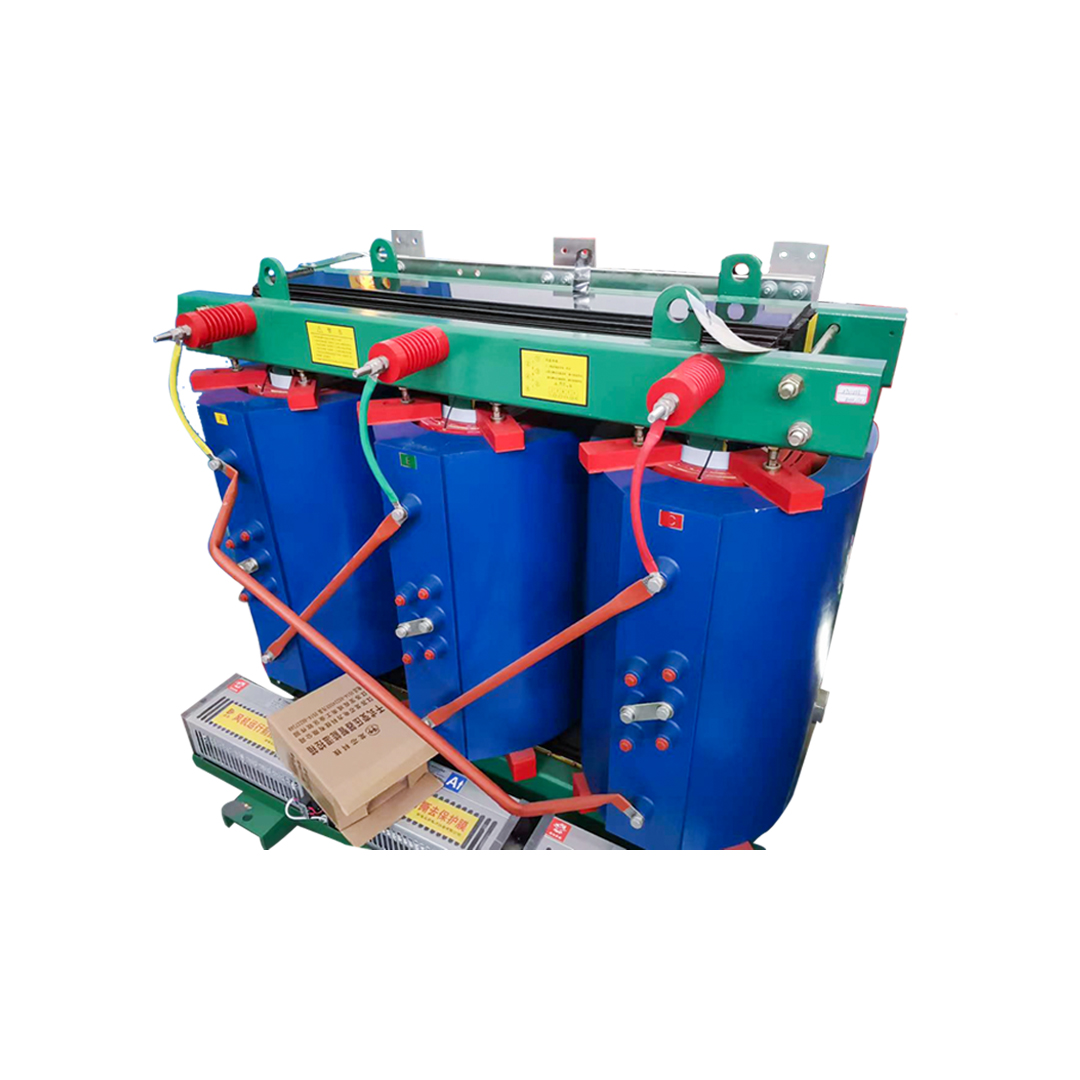
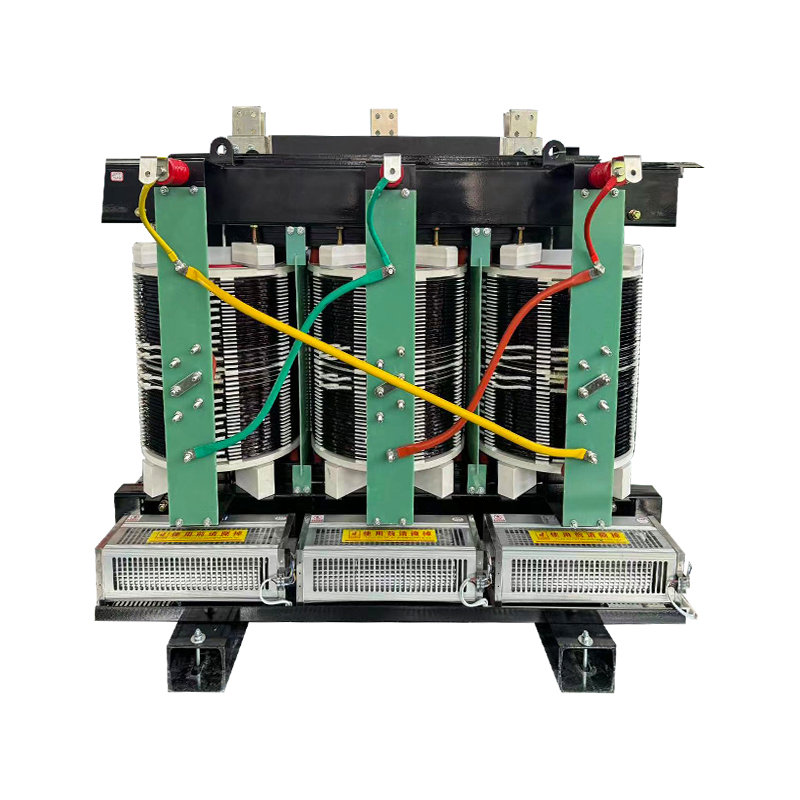
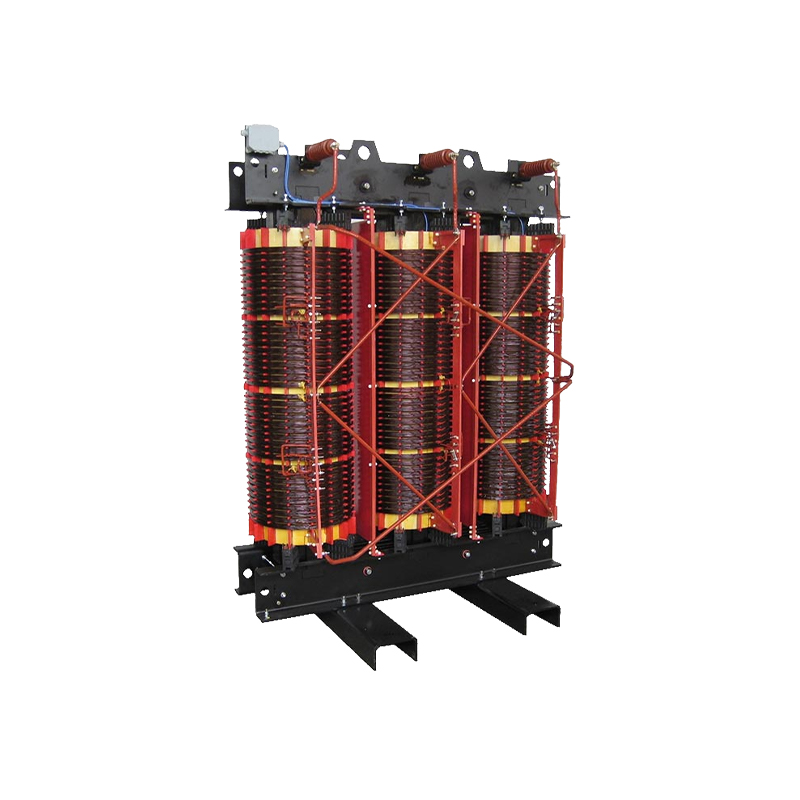
Dry-type transformers eliminate this risk entirely. The windings are insulated with either cast epoxy resin (in cast-resin designs) or class H/F fiberglass and varnish systems (in open-wound designs). Neither material supports combustion under normal fault conditions. Cast-resin transformers are classified as F1 fire-behavior class per IEC 60076-11, meaning they are self-extinguishing and do not produce burning droplets. In a fire scenario, a dry-type unit may char and lose function, but it will not propagate a fire to surrounding structures. This is why dry-type transformers can be installed inside buildings — in basements, on floors, in plant rooms adjacent to sensitive equipment — without the containment infrastructure required for oil-filled units.
Many facility managers underestimate how fire-safety classification affects project timelines and operating costs. Permitting an oil-immersed transformer for an indoor substation room often requires a fire engineering report, dedicated oil bunds, and quarterly inspection of the fire suppression system. These add months to a project schedule. Some property insurers also apply a loading of 5–15% on annual premiums for facilities with large oil-filled equipment indoors. Switching to a dry-type design frequently eliminates these requirements and can pay back the premium difference in the first year of operation.
Installation environment is often the deciding factor when fire safety alone does not give a clear answer.
Dry-type units are the standard choice for:
For outdoor use, dry-type transformers require an IP54 or higher enclosure to protect the windings from moisture, dust, and vermin. This enclosure adds cost, and the overall assembly is typically larger and heavier than an equivalent oil-immersed unit at the same voltage and capacity rating.
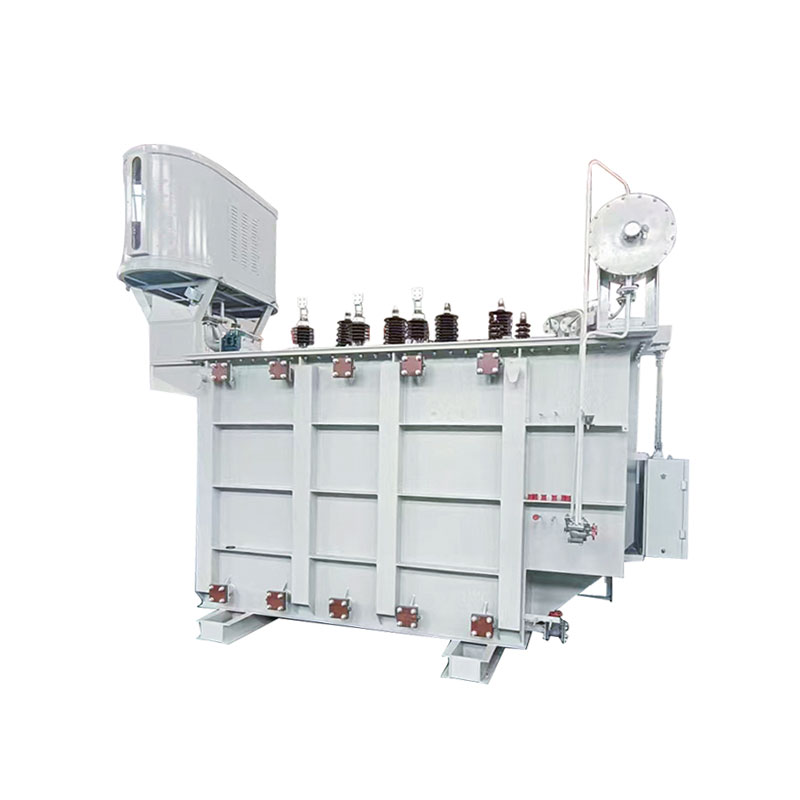
Oil-immersed transformers are the natural choice for outdoor substations, rural distribution networks, and utility-scale power transmission. The sealed tank provides inherent weather protection, the oil self-heals minor insulation imperfections, and the design scales efficiently to very high voltages and capacities — up to 220 kV and beyond. Oil is also an excellent coolant, typically allowing a given core-and-winding design to handle 20–30% more load continuously compared to a dry-type equivalent of similar physical size.
Our oil-immersed transformer range covers distribution and power applications from single-phase pole-mounted units up to 220 kV ultra-high voltage designs, all manufactured to IEC 60076 standards with full type-test documentation. For projects that require both types, we also supply dry-type transformers including cast-resin and H-class insulated models up to 35 kV.
| Installation Environment | Dry-Type | Oil-Immersed |
|---|---|---|
| Indoor building substation | Preferred | Possible with fire mitigation |
| Outdoor ground-mounted substation | Possible with IP54+ enclosure | Preferred |
| Utility-scale power transmission (≥35 kV) | Limited options | Standard |
| Explosive / fire-sensitive zone | Required | Not recommended |
| Underground / basement installation | Preferred | Restricted in many codes |
| Rural overhead distribution network | Rarely used | Standard (pole-mounted) |
A dry-type transformer typically carries a 20–40% higher purchase price than a comparable oil-immersed unit at the same voltage class and capacity. For budget-constrained projects, that gap is tempting to close by choosing the oil-filled option. However, a full 20-year total cost of ownership (TCO) analysis almost always narrows this gap — and in many indoor applications, reverses it entirely.
Oil-immersed transformers require a structured maintenance program because the insulating oil degrades over time. Key recurring tasks include:
Dry-type transformers have significantly lower routine maintenance demands. The primary tasks are:
There is no oil to test, no seals to monitor for leaks, and no containment infrastructure to maintain. For a facility managing a fleet of 10–20 distribution transformers, this difference in maintenance complexity can translate to a saving of $15,000–$50,000 per year in combined labor, testing, and oil servicing costs.
At end of life, oil-immersed transformers require controlled oil disposal, which is classified as hazardous waste in most jurisdictions and incurs disposal fees that have risen sharply in the past decade. Dry-type units, by contrast, contain no liquid hazardous materials; decommissioning typically involves only scrap metal recycling of the core and copper windings — a straightforward process that often returns residual value rather than incurring costs.
The following table illustrates a representative 20-year TCO comparison for a 1,000 kVA / 10 kV indoor distribution transformer, based on typical market data and our experience supplying both types to industrial customers. Values are indicative and will vary by region, load profile, and local service rates.
| Cost Item | Dry-Type (Cast Resin) | Oil-Immersed |
|---|---|---|
| Purchase price (unit) | ~$18,000 | ~$12,000 |
| Fire mitigation / oil bund (indoor) | $0 | $4,000–$10,000 |
| Routine maintenance (20 yrs) | ~$3,000 | ~$14,000 |
| Oil replacement / reconditioning | $0 | $3,000–$6,000 |
| Decommissioning / oil disposal | Minimal (scrap value) | $800–$2,000 |
| Estimated 20-year TCO | ~$21,000 | ~$34,000–$44,000 |
The numbers above reinforce a pattern we see consistently with customers who switch to dry-type for indoor applications: the higher upfront cost is typically recovered within 4–7 years, and the TCO advantage grows steadily through the operating life of the asset.
None of the above should be read as a blanket recommendation for dry-type technology. Oil-immersed transformers remain the correct choice in several common scenarios:
For customers with requirements at the higher end of the voltage range, we manufacture power transformers from 35 kV up to 220 kV, including both oil-immersed and dry-type variants where the voltage class permits.
Rather than starting with a product type, we recommend working through a short checklist of site and project constraints. In our experience, answering the following questions in order resolves the choice for about 80% of projects without needing a detailed engineering study:
If you share your project specifications with us — installation environment, voltage class, capacity, and load profile — we can recommend the most suitable product from our range and provide a preliminary TCO comparison to support your internal approval process. We supply both dry-type transformers and oil-immersed transformers to customers across utility, industrial, and commercial sectors worldwide, and we're happy to work through the trade-offs with you before you commit to a specification.

Copyright © Jiangsu Dingxin Electric Co., Ltd. Rights Reserved.

Energy Efficient Transformers Manufacturers Electrical Transformers Factory
Contact Us