 English
 русский
 Español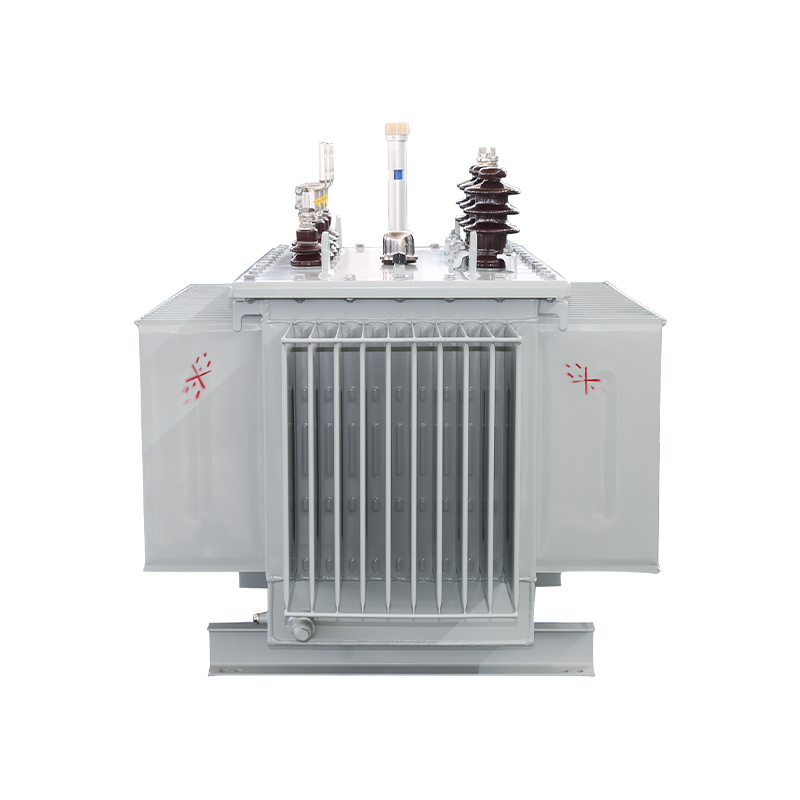
Amorphous Alloy Oil-Immersed Three-Phase Transformer
200KVA 10KV
See Details
Content
In our years of manufacturing and supplying transformers to clients across power grids, industrial plants, and commercial facilities, we have seen the same sizing mistakes repeated — often by experienced engineers. The consequences range from premature insulation degradation to complete transformer failure, unplanned outages, and costly replacements. Most of these problems trace back to three areas: inadequate load margin, incorrect paralleling configurations, and underestimated temperature rise. This article breaks down each one so you can avoid them before placing an order.
One of the most frequent errors we encounter is selecting a transformer whose kVA rating barely meets the calculated peak demand. On paper it looks efficient; in practice, it creates serious problems.
Industry practice and IEC/IEEE standards generally recommend operating a distribution transformer at no more than 70–80% of its nameplate kVA rating under normal continuous load. This is not waste — it is deliberate headroom that serves several functions:
A textile plant we supplied calculated its connected load at 580 kVA and ordered a 630 kVA oil-immersed distribution transformer — just 8% headroom. Within two years of installation, they added two new production lines, pushing utilization to 97%. The transformer ran at elevated temperature continuously. By year four, partial discharge testing revealed accelerated insulation aging. They ultimately replaced it with a 1,000 kVA unit. The cost of the replacement, downtime, and emergency testing exceeded three times the price difference between the 630 kVA and 1,000 kVA units at the time of purchase.
A simple sizing formula for continuous industrial loads:
| Load Type | Recommended Max Loading | Suggested Sizing Factor |
|---|---|---|
| Stable resistive (lighting, heating) | 80% | 1.25× |
| Mixed motor + resistive | 70% | 1.4× |
| Heavy motor / variable loads | 65% | 1.5× |
| Non-linear / harmonic loads (VFDs, rectifiers) | 50–60% | 1.6–2× |
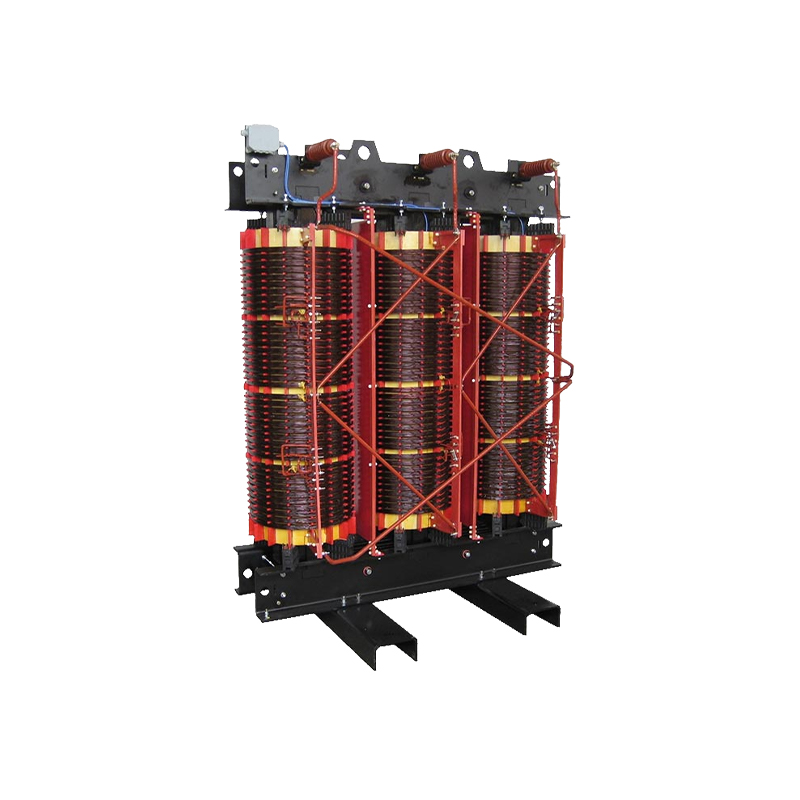
For facilities with significant harmonic loads — such as variable frequency drives, UPS systems, or large rectifier banks — we particularly recommend our phase-shifting rectifier transformers, which are designed to handle the additional eddy current and stray losses that standard units cannot manage efficiently.
Paralleling transformers is a legitimate strategy for redundancy and capacity expansion. However, it is also one of the most misunderstood aspects of transformer sizing and system design. Done incorrectly, it does not double your capacity — it can cause circulating currents, unequal load sharing, and in worst cases, damage both units simultaneously.
For two transformers to operate safely in parallel, all four of the following conditions must be met:
This is the most common paralleling mistake we see in the field. Consider two transformers: Unit A is rated 1,000 kVA at 4% impedance, and Unit B is rated 1,000 kVA at 6% impedance. In parallel, they will not share load equally. The load distribution follows:
Unit A carries approximately 60% of total load; Unit B carries approximately 40%. At a combined system load of 1,600 kVA, Unit A is already at 960 kVA — 96% of its nameplate rating — while Unit B is only at 640 kVA (64% loaded). There is no effective combined capacity of 2,000 kVA; the practical usable capacity is limited by Unit A reaching its thermal limit first.
When ordering multiple units intended for parallel operation, always specify this requirement clearly to your supplier so that impedance values can be matched at the design and manufacturing stage. We manufacture our distribution transformers and power transformers with tightly controlled impedance tolerances — typically within ±5% of specified value per IEC 60076 — specifically to support reliable paralleling in substation and industrial applications.
There is an important distinction between N+1 redundancy (one unit is a standby spare, never operated simultaneously) and true parallel operation (both units share load continuously). For N+1 configurations, paralleling compatibility is less critical in normal operation but must still be verified for emergency switchover. For true parallel operation, all four conditions above are non-negotiable, and we strongly advise ordering both units from the same manufacturer in the same production batch where possible.
Temperature rise is not a safety number to meet — it is a direct indicator of how fast your transformer's insulation is aging. According to Montsinger's Law, every 10°C increase in operating temperature above rated limits reduces transformer insulation life by approximately 50%. A transformer rated for 30 years at its nameplate temperature may fail in 15 years if it consistently runs 10°C hotter than designed.
Transformers are rated based on their winding temperature rise above an assumed ambient temperature (typically 40°C per IEC standards). The nameplate temperature rise figure represents the maximum allowable rise at full rated load under that ambient condition.
| Temperature Rise Class | Max Winding Rise (°C) | Typical Application |
|---|---|---|
| 100K (dry type) | 100 | Indoor commercial, mild environments |
| 125K (dry type) | 125 | General industrial indoor |
| 150K (dry type) | 150 | High-load industrial, harsh indoor environments |
| Oil-immersed ONAN | 55 / 65 (IEEE) or per IEC | Outdoor distribution and power |
A common mistake is ordering a transformer sized for standard 40°C ambient without accounting for the actual installation environment. If the transformer will be installed in a poorly ventilated indoor room, a tropical climate, or next to other heat-generating equipment, the effective ambient may be 50°C or higher. In that case, a transformer with a 125K rise class will have its total winding temperature reach 175°C — far exceeding Class F (155°C) insulation limits.
The correct approach is to either: derate the transformer (reduce the kVA load in proportion to the excess ambient temperature), select a higher insulation class, or specify forced air cooling (AN/AF on dry-type, ONAF or OFAF on oil-immersed units) to compensate.
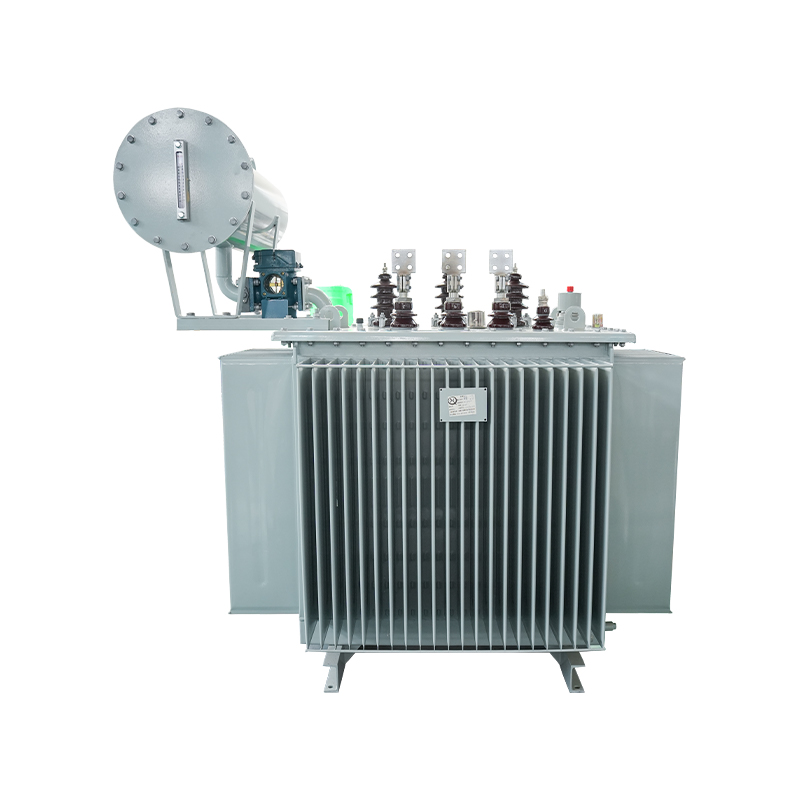
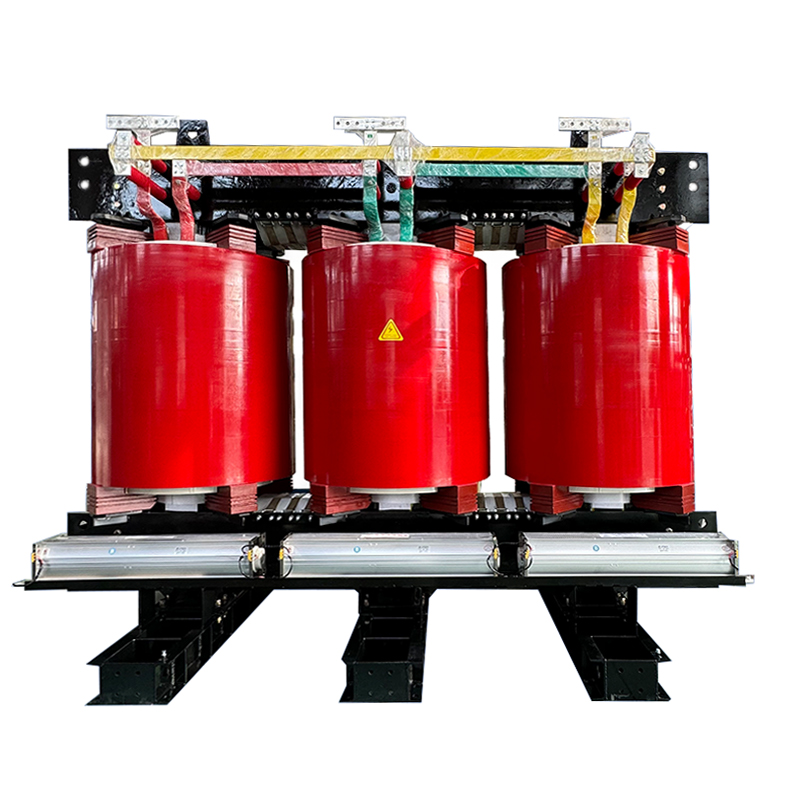
The choice between dry-type and oil-immersed designs has direct sizing implications. Oil-immersed transformers have significantly better thermal mass and cooling capacity, allowing them to handle short-term overloads of up to 120–130% of nameplate kVA for defined periods per IEC 60076-7 loading guidelines, without immediate damage. Dry-type units have less thermal buffer and should be sized more conservatively for cyclic or peak loads. Our dry-type transformers are available with Class F and Class H insulation specifically for demanding thermal environments, while our oil-immersed transformer range offers both ONAN and ONAF cooling configurations to suit your load profile and site conditions.
Sizing mistakes rarely happen in isolation. Here is a realistic scenario that illustrates how margin, paralleling, and temperature rise interact:
A port facility in Southeast Asia installs two 2,000 kVA oil-immersed transformers in parallel to supply 3,500 kVA of combined crane and conveyor load. The specification does not match impedance values, and the two units arrive from different production batches at 4.5% and 5.5% impedance respectively. The ambient temperature in the transformer room averages 48°C year-round, but the transformer was rated for 40°C ambient with a 65K rise.
The result: Unit A (lower impedance) carries approximately 55% of the total load — or 1,925 kVA — running at 96% of its nameplate rating. In a 48°C ambient, the effective temperature rise margin is already consumed by the +8°C excess ambient. When heavy crane start-up loads occur during peak operations, Unit A briefly exceeds its thermal limit. Over 18 months, dissolved gas analysis begins showing signs of thermal degradation in the oil. The facility faces either derating their operations or unplanned replacement of both units.
Had the original specification included matched impedances, a 125% load margin per unit (2,500 kVA each), and a 50°C ambient correction, the problem would never have occurred — and the additional cost at the procurement stage would have been marginal.
To help our customers avoid these sizing errors, we recommend providing the following information when requesting a quotation or custom specification:
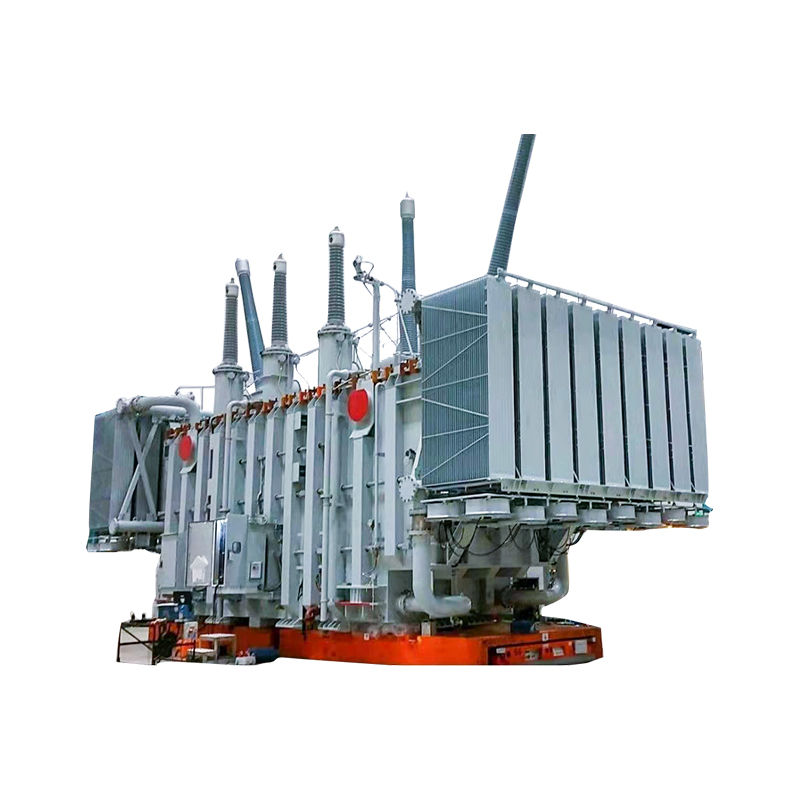
Our engineering team reviews these parameters before confirming any specification. We offer a full range of oil-immersed, dry-type, power, and pad-mounted transformers — from single-phase distribution units up to 220 kV power transformers — with customizable impedance, insulation class, and cooling configurations to match your exact operating conditions. Getting the sizing right at the specification stage costs nothing; getting it wrong after installation costs considerably more.

Copyright © Jiangsu Dingxin Electric Co., Ltd. Rights Reserved.

Energy Efficient Transformers Manufacturers Electrical Transformers Factory
Contact Us