 English
 русский
 Español
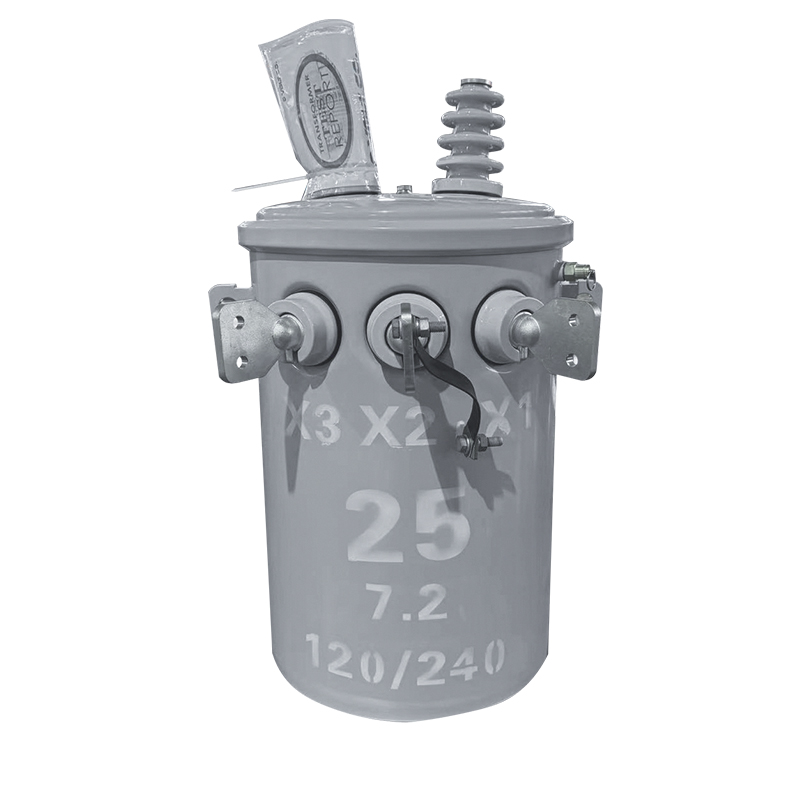
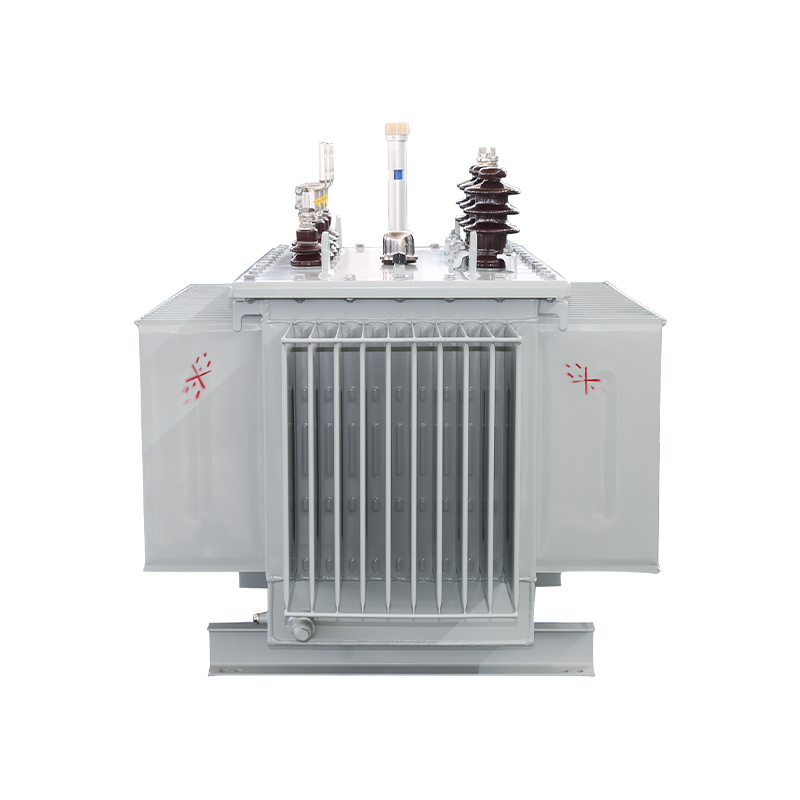
50KVA Single-Phase Pole-Mounted Oil-Immersed Transformer
50KVA 34.5KV/0.48KV
See Details
Content
A distribution transformer sits at the last step of the grid, converting medium voltage to utilization voltage for factories, commercial buildings, and residential feeders. Because it operates 24/7 (often lightly loaded at night and heavily loaded during peaks), the “right” transformer is determined as much by losses, temperature limits, and protection coordination as by kVA nameplate.
Below is a practical, specification-first guide from the perspective of a manufacturer and supplier, focused on how buyers can select, verify, and deploy an oil-immersed distribution transformer for reliable service life and predictable operating cost.
A distribution transformer is not only a voltage step-down device; it is a system component that must maintain voltage quality, withstand short-circuits, and run efficiently at partial loads. In practice, procurement success depends on aligning the transformer’s design with four field realities:
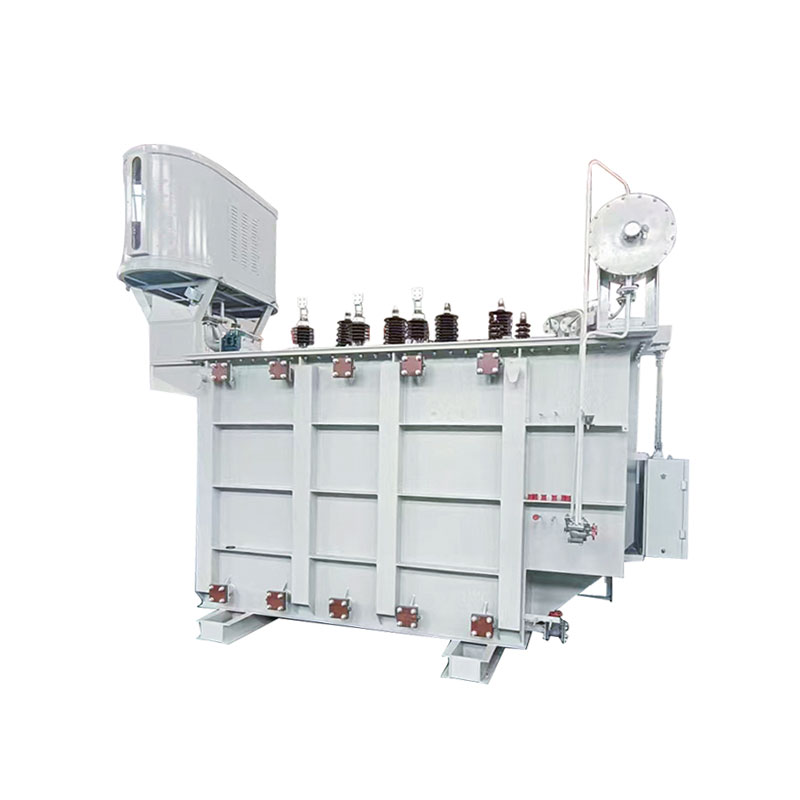
For oil-immersed applications, a fully sealed design is often selected to reduce oil oxidation risk and limit moisture ingress. If you are evaluating sealed designs and their parameters, you can reference the technical table on our distribution transformer product page.
Most delays and change orders happen because the RFQ does not lock down the application fundamentals. A manufacturer can optimize cost, lead time, and performance only when the core specification items are clear.
When these items are defined, manufacturers can match the winding design, core selection, and tank structure to your actual grid conditions—reducing both technical risk and total cost of ownership.
Oversizing increases capital cost and can increase lifetime energy waste (because no-load loss is present whenever the transformer is energized). Undersizing increases thermal stress and accelerates insulation aging. A practical sizing approach is to base the kVA selection on measured or forecasted demand, with room for growth.
If you are selecting from common distribution ranges, it is typical to see nameplates spanning from 30 kVA up to 3150 kVA for MV/LV distribution service in industrial and utility contexts.
A distribution transformer’s operating cost is driven by two loss components:
To illustrate scale, the technical data published for an oil-immersed distribution transformer series shows typical values such as 100 W no-load loss and 600 W load loss at 30 kVA, while a 3150 kVA unit can be in the range of 2730 W no-load loss and 23760 W load loss (values depend on design and efficiency class).
| Rated Capacity (kVA) | Typical HV/LV Class | No-Load Loss (W) | Load Loss (W) | No-Load Current (%) |
|---|---|---|---|---|
| 30 | 6–10 kV / 0.4 kV | 100 | 600 | 2.1 |
| 100 | 6–10 kV / 0.4 kV | 200 | 1500 | 1.6 |
| 630 | 6–10 kV / 0.4 kV | 810 | 6200 | 0.9 |
| 3150 | 6–10 kV / 0.4 kV | 2730 | 23760 | 0.5 |
A practical buyer takeaway is this: if your transformer stays energized year-round, no-load loss is always “on”. For lightly loaded sites (or seasonal loads), selecting an energy-optimized core can reduce operating cost even when the kVA rating is unchanged.
In many distribution applications, a fully sealed oil-immersed design is preferred because it can reduce interaction between transformer oil and ambient air. A common sealed approach uses a corrugated tank wall that flexes with oil volume changes as temperature varies, helping keep the internal oil system sealed while still accommodating expansion.
For reference, typical operating conditions often specified for distribution service include maximum ambient +40℃, minimum -25℃, and altitude ≤1000 m, with indoor or outdoor deployment depending on enclosure and clearances. If your project is outside these limits, it is best to request a design confirmation and derating evaluation early in the RFQ stage.
You can review the published parameter ranges and configuration notes for our oil-immersed distribution transformer, including common MV/LV combinations and tap options, to align your specification with manufacturable configurations.
Compatibility problems in a distribution transformer project usually arise from grounding and harmonics rather than from kVA alone. Before locking a vector group, confirm how the LV neutral will be grounded and what non-linear loads are present (VFDs, rectifiers, EV charging, UPS, welding loads).
From a manufacturing standpoint, vector group and grounding choices affect winding insulation coordination, terminal arrangement, and sometimes tank lead routing. Clarifying these early helps avoid redesign after drawings are issued.
Even a well-designed distribution transformer can fail early if installation and protection are not coordinated. Below are field-proven practices that reduce nuisance trips and prevent insulation stress.
If the transformer is installed outdoors, confirm clearance, drainage, and access for inspection. For oil-containing equipment, site planning should consider local containment requirements and the broader substation safety design.
Because a distribution transformer is expected to run for decades, procurement should focus on verifiable deliverables—not promises. A robust bid package typically includes:
From a supplier standpoint, clarity here reduces risk for both sides: you receive consistent deliverables, and the manufacturer can plan materials, testing, and logistics without uncertainty.
A successful distribution transformer purchase is the result of a disciplined specification (kVA, voltage, vector group, tap range), a loss-focused evaluation (no-load vs load loss aligned to your load profile), and installation/protection coordination that reflects real fault and surge conditions. When these elements are aligned, the transformer’s lifetime performance is predictable—and the project avoids late-stage redesign.
If your project targets MV/LV distribution with common LV 0.4 kV and MV options in the 6–10 kV class, a fully sealed oil-immersed design can be a practical choice for many indoor or outdoor installations under standard ambient limits. For buyers who want to compare ratings, losses, weights, and typical configurations, the published technical table and notes on our distribution transformer technical parameters provide a useful starting point for RFQ preparation and technical clarification.
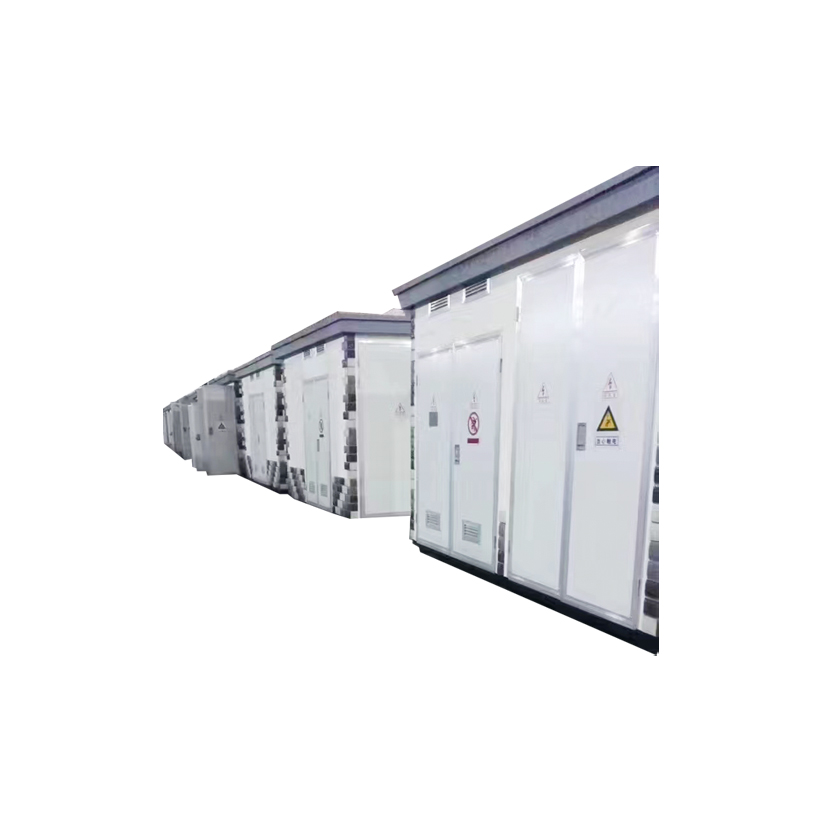
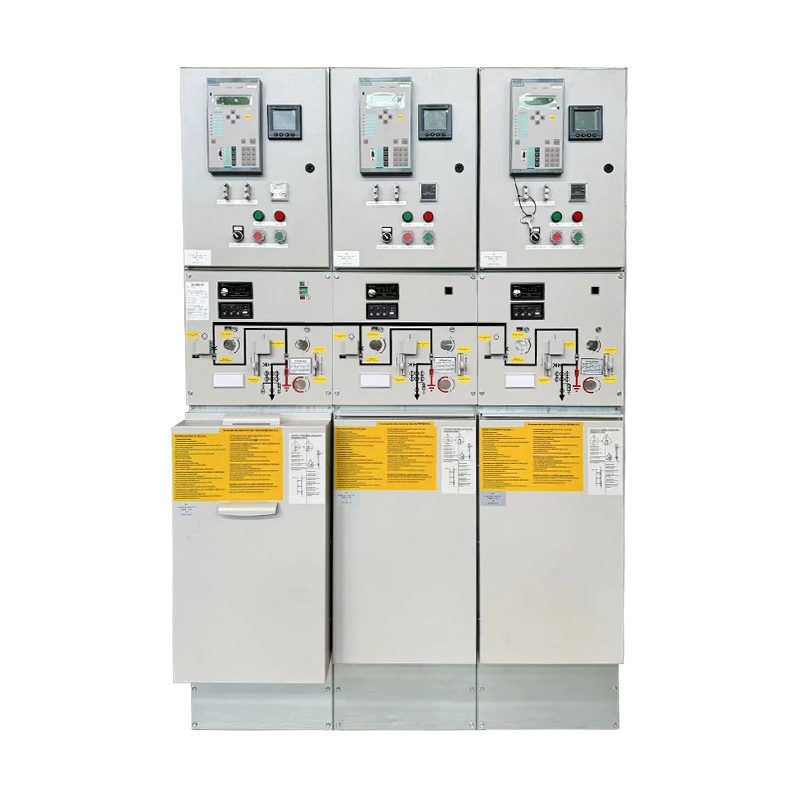
A Cabinet-Type Outdoor Prefabricated Substation, which is a compact, all-in-one electrical distribution solution designed for outdoor installation. Th...
See Details
Copyright © Jiangsu Dingxin Electric Co., Ltd. Rights Reserved.

Energy Efficient Transformers Manufacturers Electrical Transformers Factory
Contact Us