 English
 русский
 Español
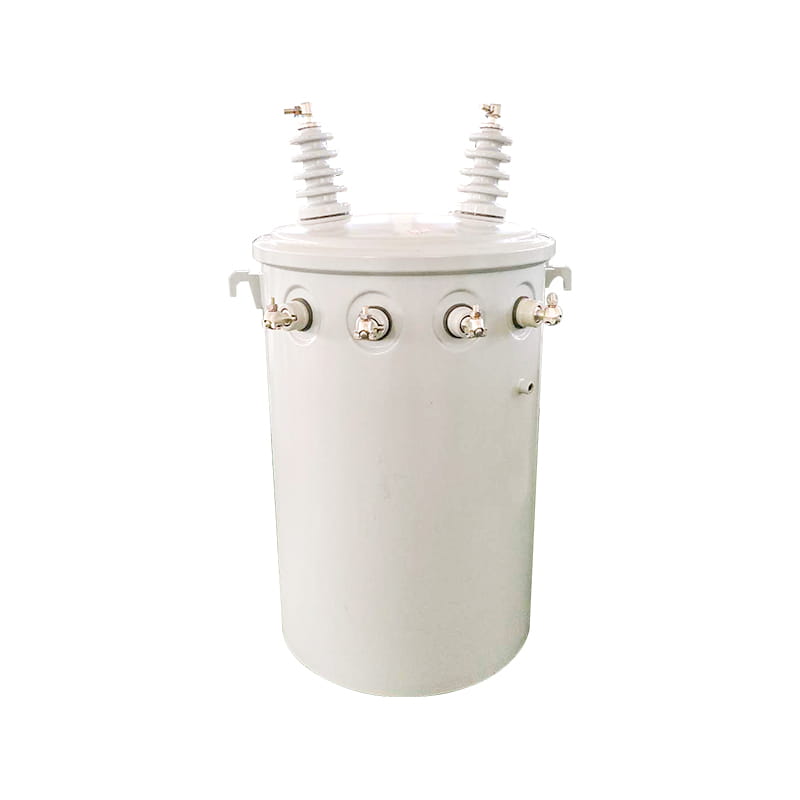
Energy-Saving Single-Phase Oil-Immersed Pole-Mounted Transformer
15KVA 13.8KV/0.4KV
See Details
Content
High voltage power transformers have been the backbone of electrical infrastructure for over a century, yet their role has never been more critical — or more diverse — than it is today. As power grids evolve, industrial demands intensify, and renewable energy sources reshape how electricity is generated and distributed, the pressure on transformer technology to perform reliably at higher voltages and greater capacities has grown substantially.
At Jiangsu Dingxin Electric, we manufacture transformers across a voltage range from 35KV up to 500KV, serving utility operators, industrial facilities, and infrastructure developers in over a dozen countries. Based on what we see across those projects, we want to share a practical view of where and how high voltage power transformers are being applied today — and what that means when you're selecting the right equipment.
The most traditional — and still most prevalent — application for high voltage transformers is long-distance bulk power transmission. Stepping up voltage to 110KV, 220KV, or 500KV dramatically reduces resistive losses over transmission lines. According to Joule's law, losses are proportional to the square of the current; doubling the voltage and halving the current cuts line losses by 75%.
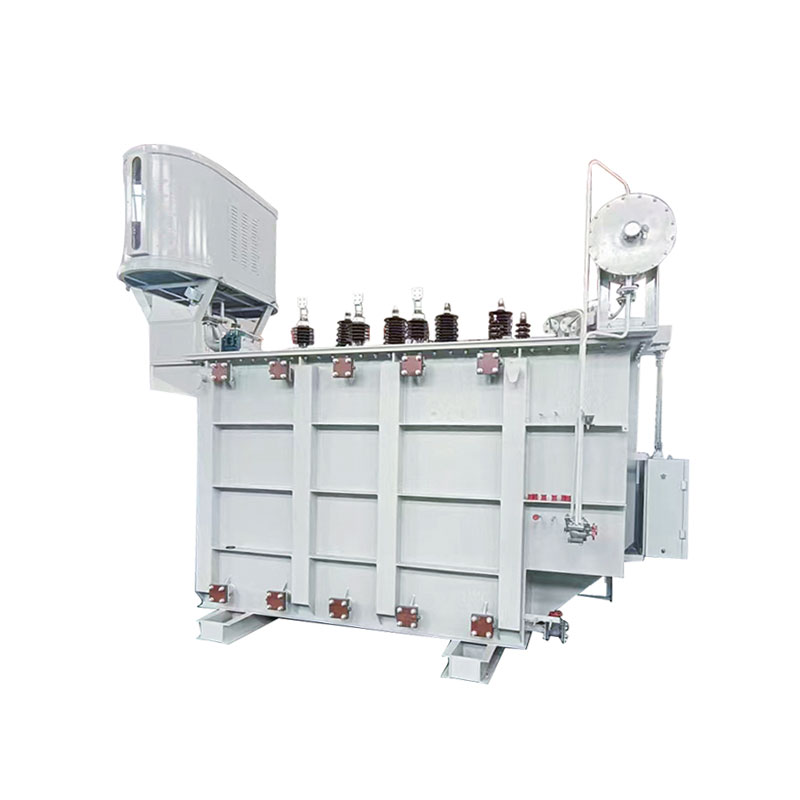
In practice, this means a 220KV, 100MVA transformer can deliver power across hundreds of kilometers with total line losses often kept below 3–5%, versus 10–15% that would be typical at distribution voltages. Our 110KV–220KV power transformers are designed specifically for this role, with low no-load losses and robust insulation systems that support continuous operation under high-stress grid conditions.
Grid modernization projects — particularly in Southeast Asia, Africa, and the Middle East — are actively expanding HV transmission networks, driving strong demand for transformers in this category. For any buyer involved in utility-scale transmission infrastructure, the key selection criteria come down to: rated capacity, impedance tolerance, cooling method (ONAN/ONAF/OFWF), and no-load loss class.
One of the most significant shifts we've seen in our order mix over recent years is the growth of transformers destined for renewable energy projects. Wind farms and large-scale solar installations both require step-up transformers to connect generation assets to the high-voltage transmission network — often at 35KV or 110KV interconnection points.
Offshore and onshore wind turbines typically generate power at 690V or 3.3KV. Each turbine's output is stepped up by a pad-mounted or dry-type transformer, then aggregated and stepped up again at a collector substation to 35KV or 110KV for grid injection. A single 200MW wind farm may require 80–100 individual turbine transformers, plus one or two main step-up power transformers at the collector station.
For offshore projects especially, the transformers need to handle significant thermal cycling and harmonic loading from variable wind output. Salt-air environments also demand enhanced corrosion protection on external components and tank coatings.
Utility-scale solar PV plants present a slightly different challenge. Inverter output typically contains harmonics at higher frequencies, which increases eddy current losses in the transformer core and windings. Transformers specified for solar applications are engineered with a higher K-factor rating to handle this harmonic content without overheating. Battery energy storage systems (BESS) similarly require transformers capable of frequent charge-discharge cycling without cumulative insulation degradation.
We supply wind and solar energy storage transformers as part of our product range — if your project requires step-up or grid-interface transformers for renewable generation, we're well-positioned to support the specification process.
Heavy industrial facilities are among the most demanding environments for power transformers. Steel mills, aluminum smelters, petrochemical refineries, and underground mines all operate large electrical loads that create voltage fluctuations, harmonic distortion, and heavy short-circuit stress on connected transformers.
| Industry Sector | Typical Transformer Type | Key Requirement |
|---|---|---|
| Steel / Aluminum Smelting | Electric Furnace Transformer | High short-circuit withstand, heavy cyclic loading |
| Electrochemical / Rectification | Phase-Shifting Rectifier Transformer | Harmonic mitigation, high DC output current |
| Petrochemical Refinery | Oil-Immersed Power Transformer | High reliability, explosion-risk zone siting |
| Underground Mining | Mining / Dry-Type Transformer | Flame-retardant, compact, robust enclosure |
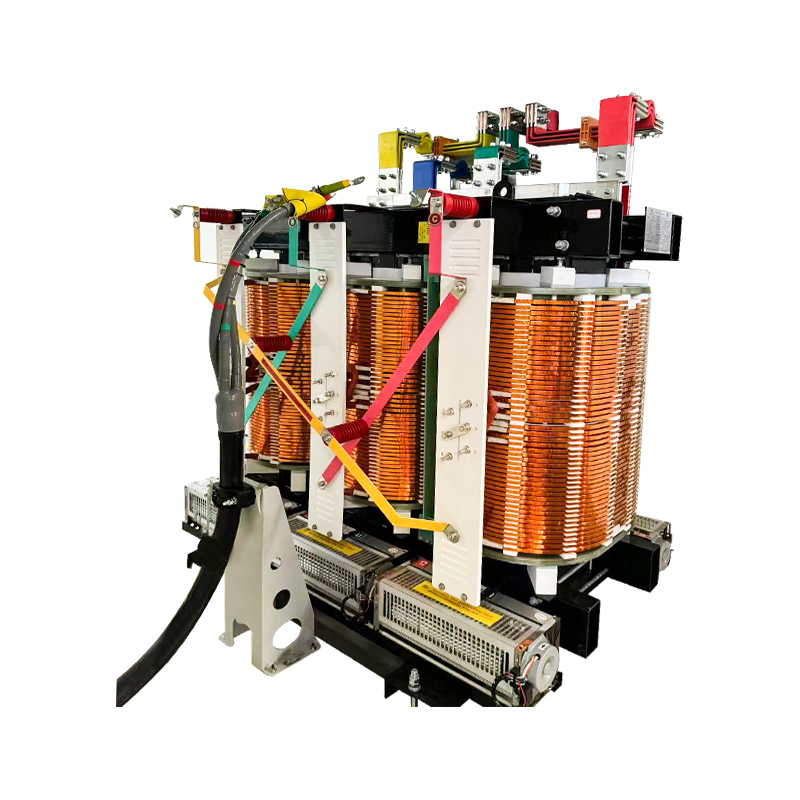
Rectifier and phase-shifting applications deserve particular attention. Electrochemical processes — such as chlor-alkali production, copper refining, or aluminum electrolysis — require very large DC currents at relatively low voltages. A phase-shifting rectifier transformer steps down the supply voltage while simultaneously shifting the phase angle across multiple secondary windings, effectively canceling out low-order harmonics and delivering cleaner power to the rectifier bridge. A 12-pulse or 24-pulse configuration can reduce total harmonic distortion (THD) from over 25% to below 5%, which is critical for protecting other equipment on the same supply bus.
As cities expand and urban power density increases, the infrastructure feeding commercial districts, data centers, hospitals, and high-rise developments has to handle increasingly concentrated loads. High voltage transformers — typically in the 10KV to 35KV range — form the link between urban distribution networks and building-level electrical systems.
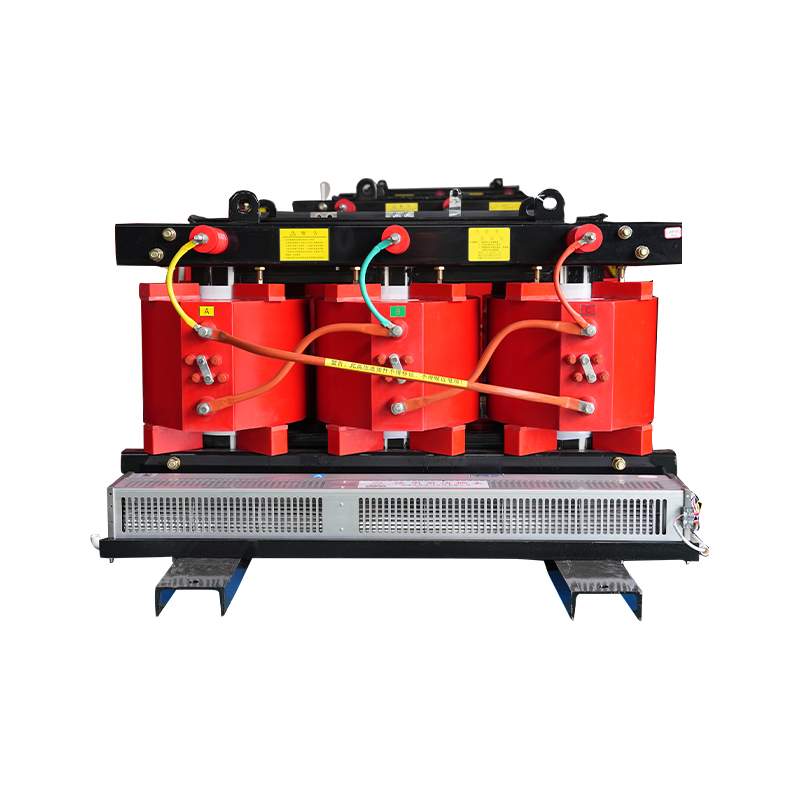
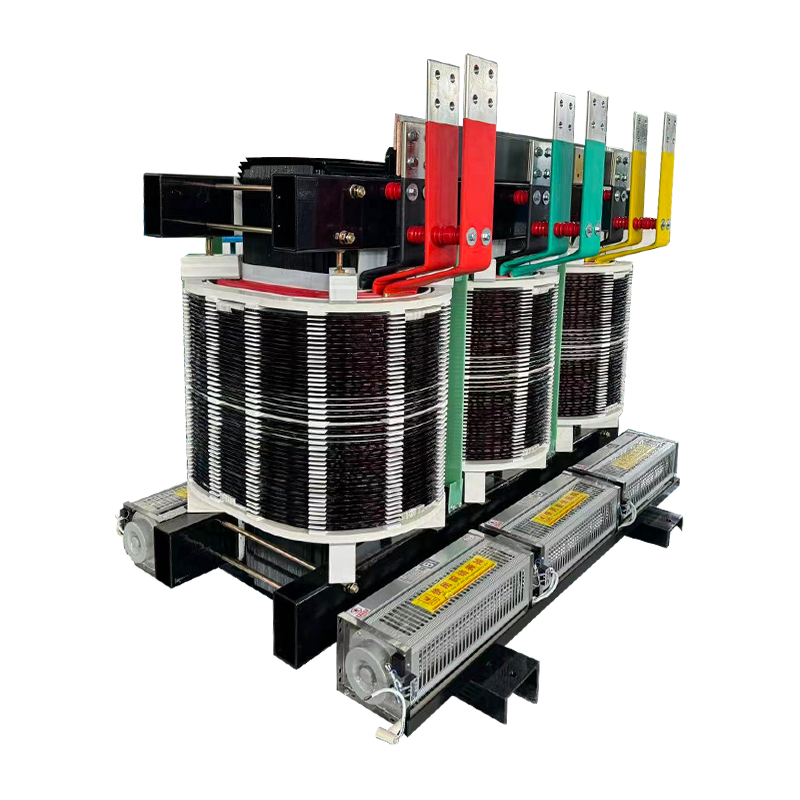
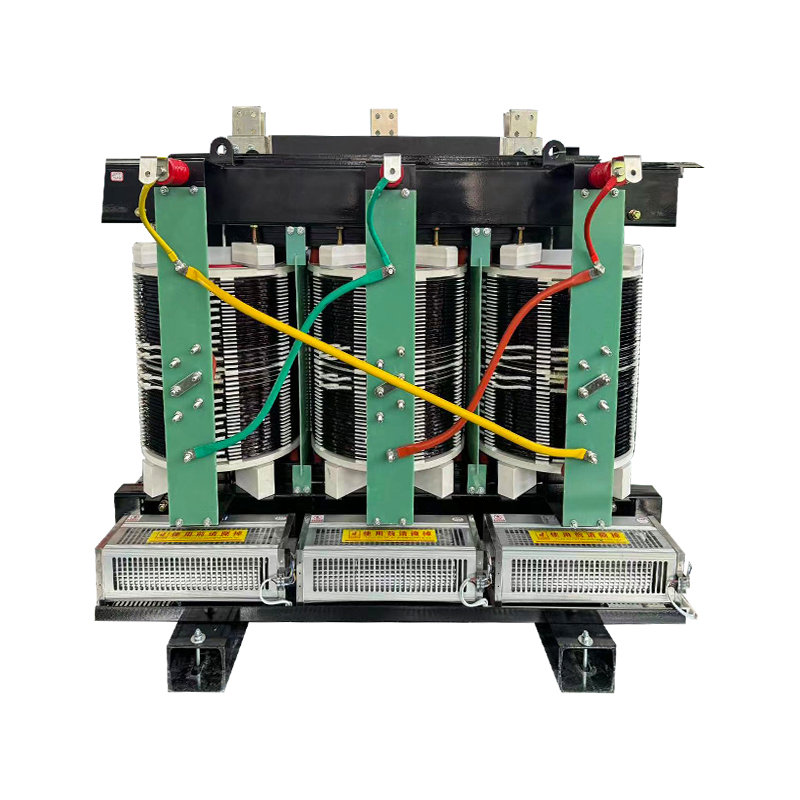
For transformers installed inside buildings or in locations where fire risk is a concern, dry-type transformers — particularly resin-encapsulated units — are the preferred choice. Unlike oil-immersed types, they contain no flammable liquid, making them safe for installation in basements, rooftops, or close to occupied areas. Our resin dry-type transformers use epoxy cast windings that resist moisture, pollution, and partial discharge, with insulation classes up to F and H supporting continuous operation at elevated temperatures.
Data centers are a particularly active segment. A modern hyperscale data center may draw 50–100MW of power, requiring multiple high-capacity medium-voltage transformers at the facility's main intake point. Efficiency at partial load is a critical parameter here, since data centers often operate at 40–70% of nameplate capacity for extended periods. Specifying a transformer with low no-load iron losses is therefore a direct operating cost issue, not just an environmental checkbox.
Modern urban developments increasingly use underground cable networks rather than overhead lines. Pad-mounted transformers are designed to interface with these underground systems, housed in a tamper-resistant enclosure that sits at ground level. They're commonly used in residential communities, commercial parks, airports, and campus environments where aesthetic integration and public safety are considerations. We offer both European-style and American-style pad-mounted transformers to suit different market standards and cable termination configurations.
Transportation electrification is accelerating demand for high-voltage power infrastructure in ways that weren't significant even a decade ago. Two segments stand out: electrified rail networks and large-scale EV charging hubs.
Electric railways — whether metro systems, high-speed rail, or freight rail — draw traction power from dedicated substations that typically step down from 110KV or 220KV grid supply to 25KV AC (for high-speed rail) or rectified DC voltages for metro systems. Traction transformers must withstand frequent load cycling and the high inrush currents associated with train acceleration. Short-circuit impedance design is especially critical in traction applications to limit fault currents without compromising voltage regulation.
For EV charging infrastructure, the growth of 150KW to 350KW DC fast chargers — and emerging megawatt-level chargers for commercial vehicles — means that charging hubs draw significant power from the medium-voltage grid. A charging depot serving 50 simultaneous fast-chargers could easily require a 5MVA to 10MVA transformer at the intake point. This is an area where demand is growing faster than many grid operators initially planned for.
With so many application contexts, one of the most common questions we receive from procurement teams is how to match transformer type to operating conditions. The following criteria are typically decisive:
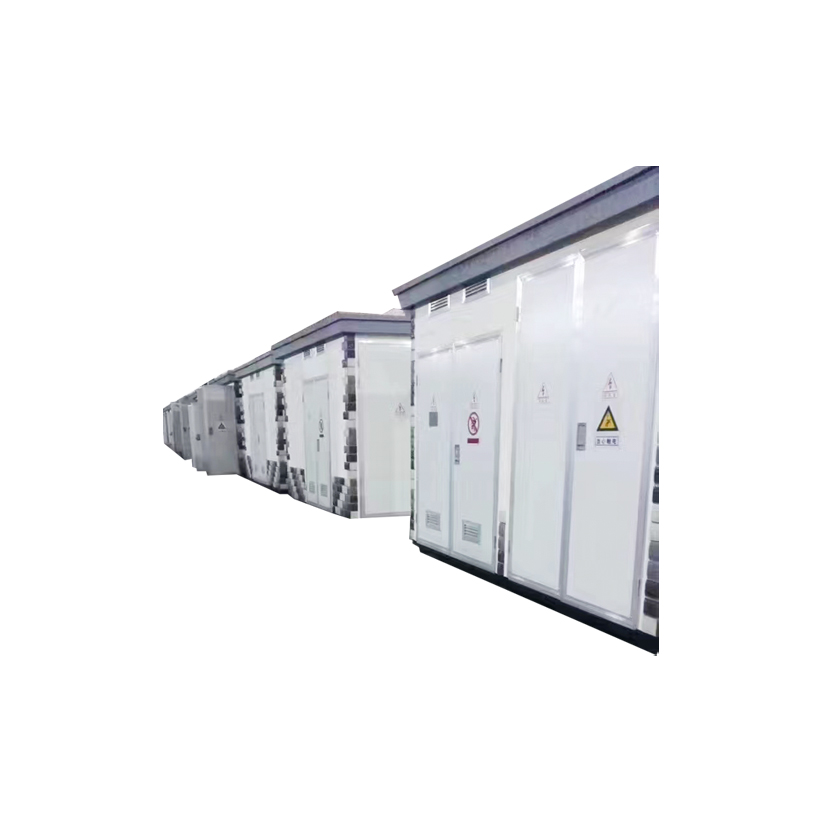
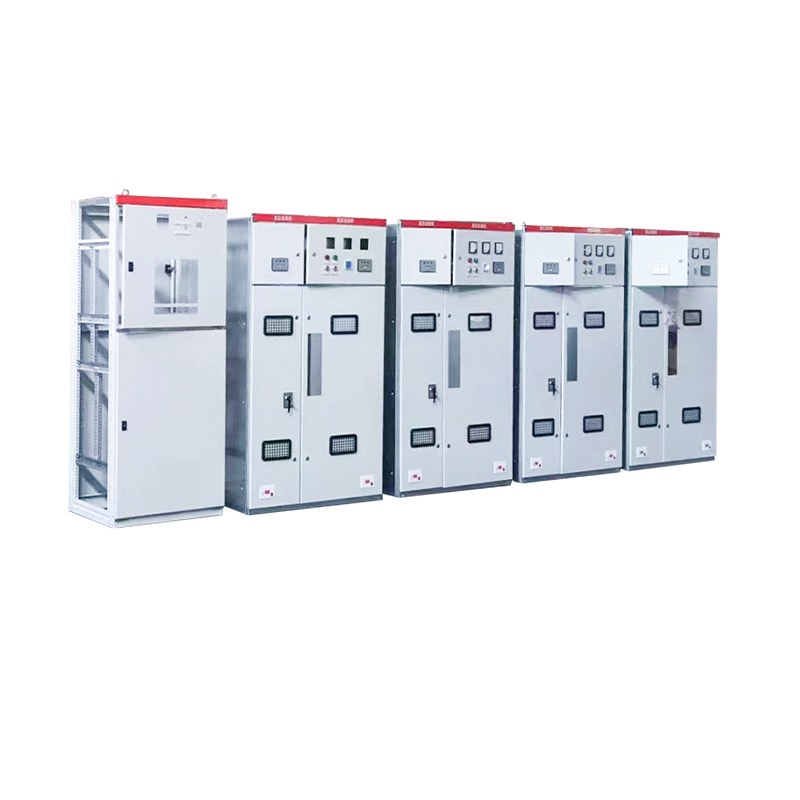
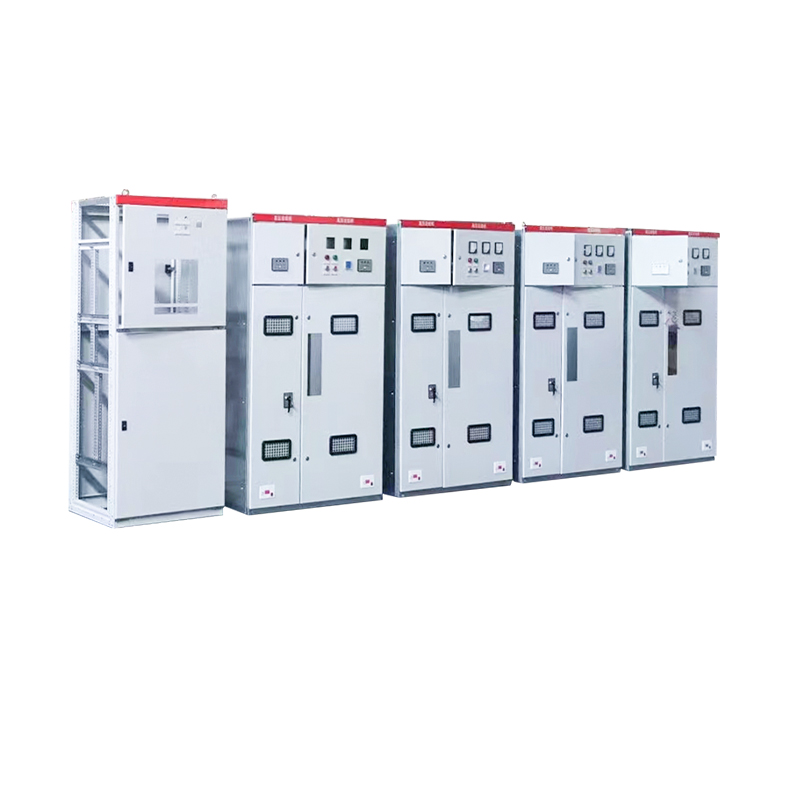
We produce a comprehensive range of high voltage power transformers and related electrical equipment, covering oil-immersed, dry-type, pad-mounted, phase-shifting rectifier, and prefabricated substation solutions. All products are manufactured under ISO9001, ISO14001, and ISO45001 certified quality systems, with full type test reports available on request.
If you're working through the specification process for a new project or evaluating options for a replacement unit, we're happy to provide technical guidance and a detailed quotation based on your actual load conditions and installation requirements.
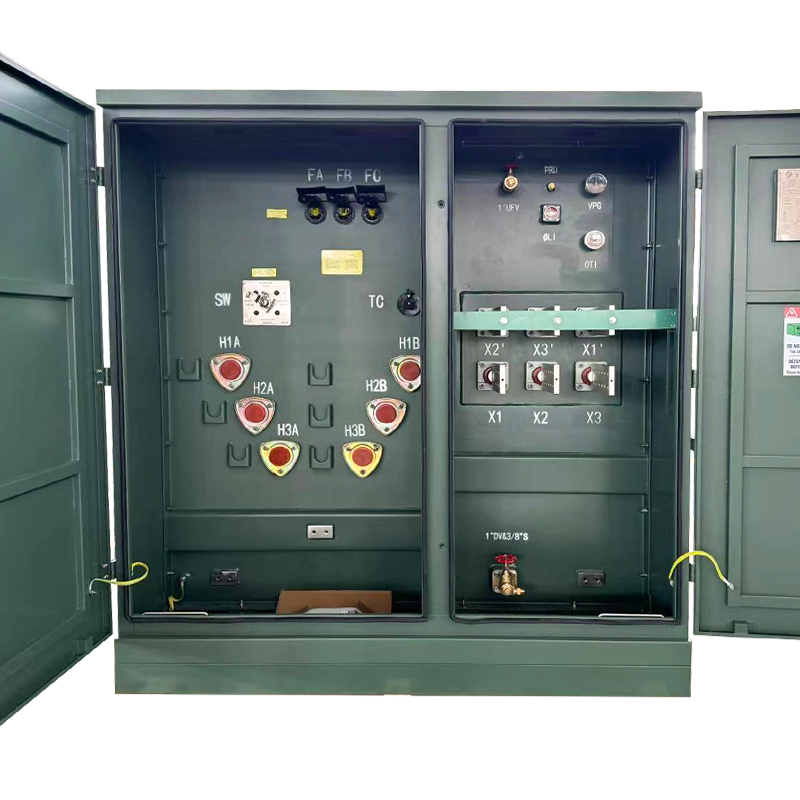
Base kVA: 45 kVA to 12,000 kVA Primary voltage: 2400 V to 46,000 V Secondary voltage: 120 V to 24,940V Basic lmpulse Level (BIL): 30kV to 250kV
See Details
Copyright © Jiangsu Dingxin Electric Co., Ltd. Rights Reserved.

Energy Efficient Transformers Manufacturers Electrical Transformers Factory
Contact Us