 English
 русский
 Español
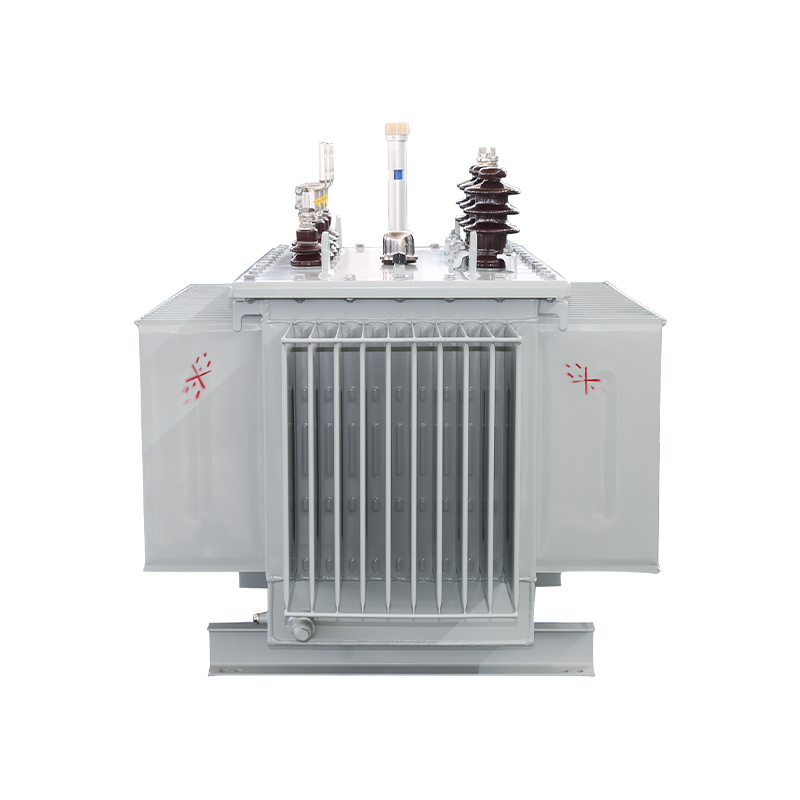
50KVA Single-Phase Pole-Mounted Oil-Immersed Transformer
50KVA 34.5KV/0.48KV
See Details
Content
Transformer noise is one of the most persistent complaints in power infrastructure — and one of the most mismanaged. The typical response is to bolt an acoustic barrier around the unit and hope for the best. The typical result is a transformer that runs hot, still hums audibly, and requires expensive rework. Effective noise mitigation follows a different logic: diagnose first, fix at source, then layer in structural and acoustic measures only where needed.
This roadmap gives engineers and facility managers a structured, stage-by-stage process for reducing transformer noise to compliant and comfortable levels — whether specifying a new unit, commissioning a recently installed transformer, or retrofitting an existing installation that has drawn neighbor complaints.
Before selecting any mitigation measure, it is essential to identify which noise mechanism dominates in a specific installation. Applying the wrong fix to the wrong source is the leading cause of failed noise reduction projects.
Magnetostriction is responsible for the vast majority of audible transformer noise — typically 80 to 90% of the total sound output under normal operating conditions. When grain-oriented silicon steel laminations are exposed to an alternating magnetic field, they undergo microscopic dimensional changes as magnetic domains align and realign with each half-cycle. In a 50 Hz system, this produces a mechanical excitation at 100 Hz and its harmonics (200 Hz, 300 Hz, and so on). In a 60 Hz system, the fundamental excitation frequency is 120 Hz.
The acoustic power generated by magnetostriction rises steeply with flux density. Operating a core above 1.7 Tesla increases noise output significantly compared to the same core at 1.5 Tesla — which is why low-noise transformer specifications typically restrict operating flux density alongside core material grade.
Electromagnetic forces between current-carrying conductors cause the winding assembly to vibrate at twice the supply frequency, producing a pattern of harmonics similar to core noise but load-dependent in magnitude. Loose laminations, undertorqued core clamp bolts, poorly secured radiator panels, and undertorqued cover plate fasteners all act as secondary resonators that amplify core vibration — often dramatically. A transformer that passes factory noise acceptance testing can fail site noise limits after transport vibration has loosened fasteners in transit.
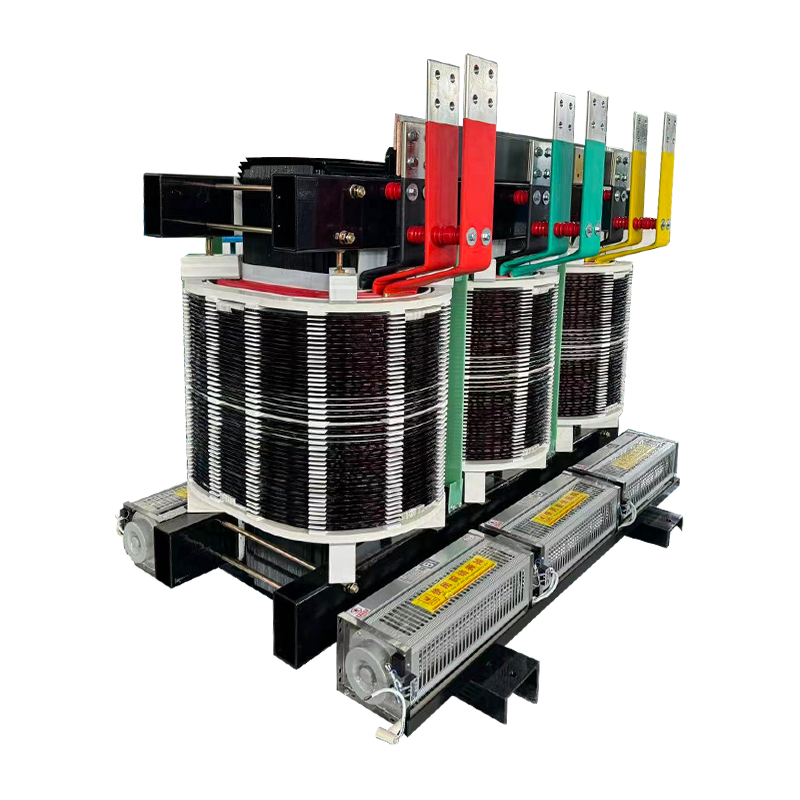
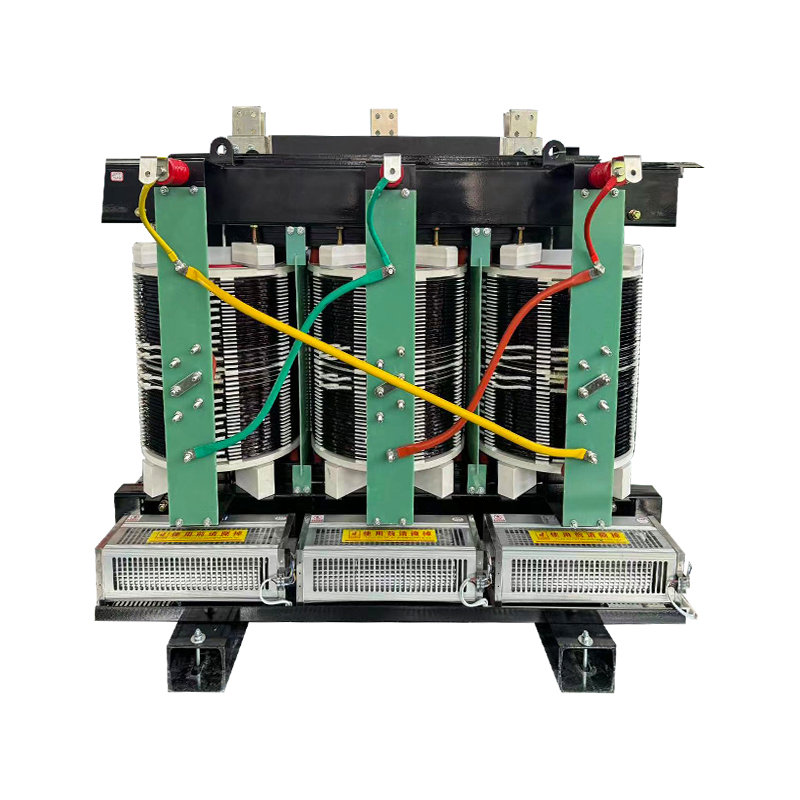
Cooling fans (on ONAF and OFAF units) and oil circulating pumps add broadband noise that is distinctly different from the tonal hum of magnetostriction. Fan noise typically increases sound levels by 5 to 10 dB(A) compared to natural convection cooling. The good news is that cooling noise is highly load-dependent: at light loads, forced cooling may not engage at all. The bad news is that peak noise from cooling fans often coincides with peak load — and peak community sensitivity to industrial noise in warm evening hours.
| Source | Dominant Frequency | Load Dependency | Key Diagnostic Indicator |
|---|---|---|---|
| Core magnetostriction | 100 Hz / 120 Hz and harmonics | Mostly voltage-dependent (no-load) | Tonal hum present even at no-load |
| Winding / structural vibration | 100 Hz / 120 Hz and harmonics | Strongly load-dependent | Hum increases with load current |
| Cooling system | Broadband, 300 Hz–2 kHz | Strongly load/temperature-dependent | High-frequency whirr when fans activate |
Every mitigation project should begin with a structured noise measurement. Skipping this step produces two costly problems: you cannot confirm whether you have actually fixed anything, and you may invest in the wrong solution entirely.
Sound level measurements for power transformers are governed by IEC 60076-10 (Sound Level Determination), which specifies a sound intensity method with microphones positioned 0.3 m from the transformer tank surface. For site installations where strict IEC methodology is impractical, a simplified A-weighted sound pressure level (dB(A)) measurement at 1 m from each face of the unit provides a useful operational baseline.
Key parameters to record at the initial measurement:
The gap between the measured transformer noise contribution at the receptor and the applicable regulatory limit defines the required reduction target. Chasing a 3 dB reduction requires a completely different — and much cheaper — strategy than achieving a 15 dB reduction.
Source-level interventions address the physical mechanisms that generate noise, rather than trying to contain it after generation. They deliver the highest return on investment and should always be exhausted before passive or active acoustic measures are considered.
A significant proportion of field noise exceedances are caused by fastener loosening during transport or thermal cycling, not by fundamental design deficiencies. Before any acoustic investment, carry out a full mechanical inspection:
For projects involving specification of new oil-immersed distribution transformers or dry-type transformers, source-level noise control should be specified at procurement:
Even a well-designed, properly maintained transformer will generate some core vibration. The question is whether that vibration transmits into the building structure or foundation and radiates as secondary noise from walls, floors, and slabs. Vibration isolation breaks this transmission path.
Anti-vibration mounts (elastomeric pads, neoprene isolators, or spring mounts) installed between the transformer base frame and the foundation are the most effective and cost-efficient single intervention for structure-borne noise. Effective isolation requires that the natural frequency of the mount system is significantly lower than the excitation frequency — for a 50 Hz transformer exciting at 100 Hz, the mount system should be designed for a natural frequency below 15–20 Hz.
Transformer placement has a large effect on perceived noise that costs nothing to optimize at the design stage:
Where source-level and vibration isolation measures are insufficient to meet the noise target, passive acoustic treatments are the next stage. These address airborne noise transmission rather than the vibration source.
A well-placed acoustic barrier between the transformer and the noise receptor can deflect and partially attenuate sound propagation. Barriers are most effective when they interrupt the line-of-sight path between source and receptor. A barrier providing 5 to 8 dB of insertion loss is achievable with proper geometry. Key design rules:
Full acoustic enclosures provide the highest insertion loss of any passive measure — typically 10 to 20 dB(A) depending on construction — but are also the most complex and expensive to implement correctly. Two engineering requirements that are frequently underestimated:
| Measure | Typical Insertion Loss | Key Risk / Constraint | Relative Cost |
|---|---|---|---|
| Damping patches on tank panels | 3–6 dB at resonant frequencies | Must use oil-compatible material | Very low |
| Anti-vibration mounts (elastomeric) | 4–8 dB structure-borne | Correct load rating per pad required | Low |
| Spring vibration mounts | 10–15 dB structure-borne | Lateral seismic restraints needed | Moderate |
| Acoustic barrier | 5–8 dB airborne (line-of-sight) | Flanking paths limit effectiveness | Low–moderate |
| Full acoustic enclosure | 10–20 dB airborne | Ventilation and sealing critical | High |
Active noise control (ANC) uses microphones and accelerometers to capture the transformer's noise signature in real time, then generates anti-phase acoustic waves through loudspeakers to cancel the dominant tonal components. In principle, ANC offers 6 to 12 dB of reduction at the fundamental frequency and its first few harmonics — the tonal components that are most annoying to residents.
In practice, ANC is reserved for a narrow set of circumstances: installations where the noise limit is extremely stringent, the site geometry prevents effective barrier or enclosure solutions, and the budget supports ongoing maintenance of a complex electronic system. ANC is not a substitute for source-level mitigation. A transformer that is excessively noisy due to loose laminations or an undersized core will defeat any ANC system through the sheer acoustic energy it produces across a wide harmonic spectrum.
For the vast majority of industrial, commercial, and utility transformer installations, the combination of mechanical tightening, fan optimization, vibration isolation, and — if needed — a properly engineered barrier or enclosure will achieve compliance without ANC.
The roadmap below integrates all five steps into a decision-driven sequence. Work through each stage and retest before proceeding to the next — most sites achieve compliance at Step 2 or Step 3, without the cost and complexity of full enclosures or ANC.
| Stage | Actions | Expected Reduction | Go to Next Stage If |
|---|---|---|---|
| 1. Measure and diagnose | SPL survey, FFT spectrum, accelerometer scan, ambient baseline | None — defines the target | Always proceed after establishing baseline |
| 2. Mechanical fixes | Re-torque fasteners, remove shipping bolts, apply damping patches, upgrade fans, install VSDs | 2–8 dB(A) | Residual noise still above limit after retest |
| 3. Vibration isolation | Install anti-vibration mounts, flexible cable connections, relocate unit if possible | 4–15 dB structure-borne | Airborne noise still above limit after retest |
| 4. Passive acoustic treatment | Acoustic barrier, room absorption lining, or full engineered enclosure with baffled ventilation | 5–20 dB(A) | Tonal components remain above limit despite enclosure |
| 5. ANC or transformer replacement | Active noise control system, or replace core with low-magnetostriction / amorphous design | 6–12 dB(A) ANC; 6–10 dB replacement | Compliance achieved — close out and schedule maintenance |
When noise problems are identified at procurement rather than after installation, the most cost-effective solution is nearly always a low-noise transformer design. Our engineering team can advise on core material grade, flux density, cooling configuration, and acoustic enclosure integration for any project where noise compliance is a design constraint. Contact us with your site noise limit and installation details to receive a tailored acoustic specification recommendation.
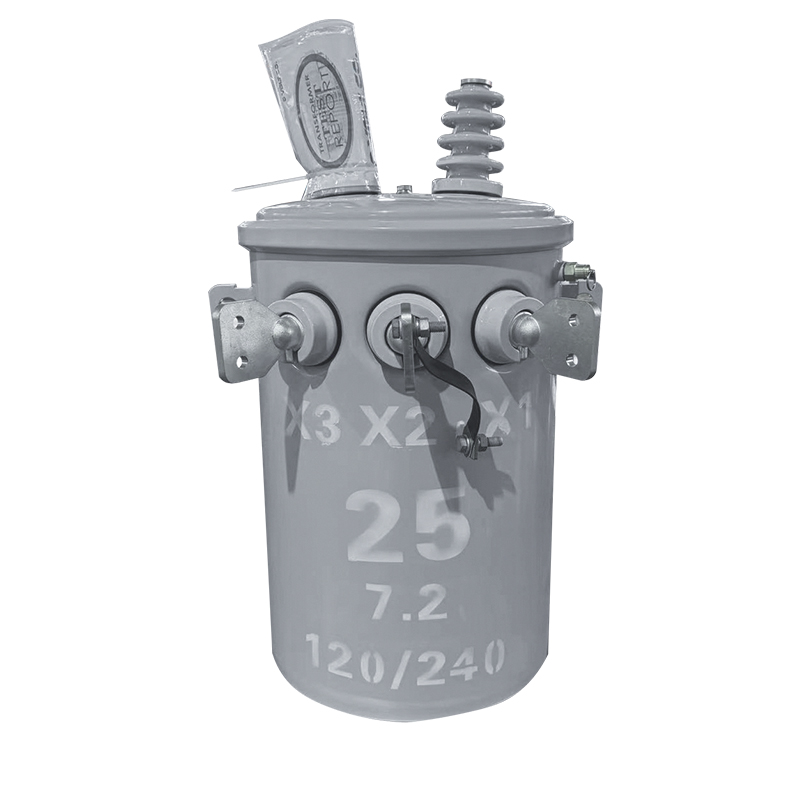
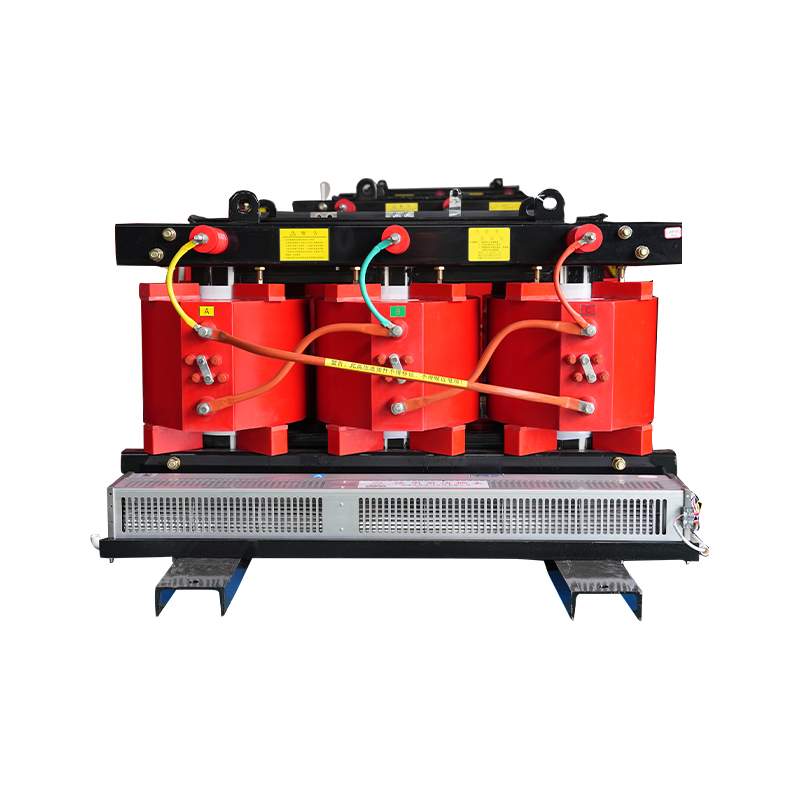
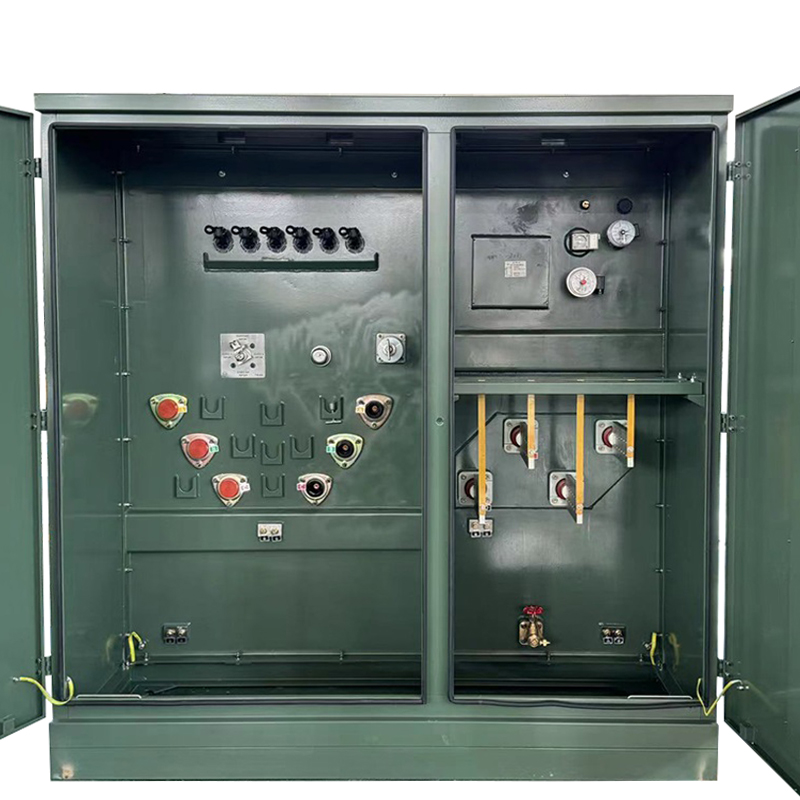
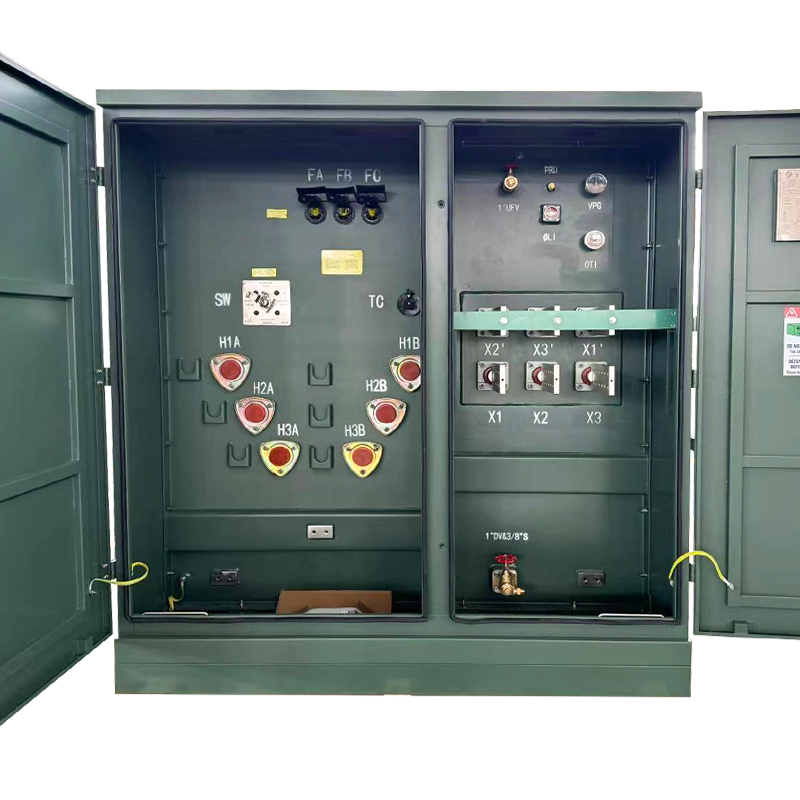
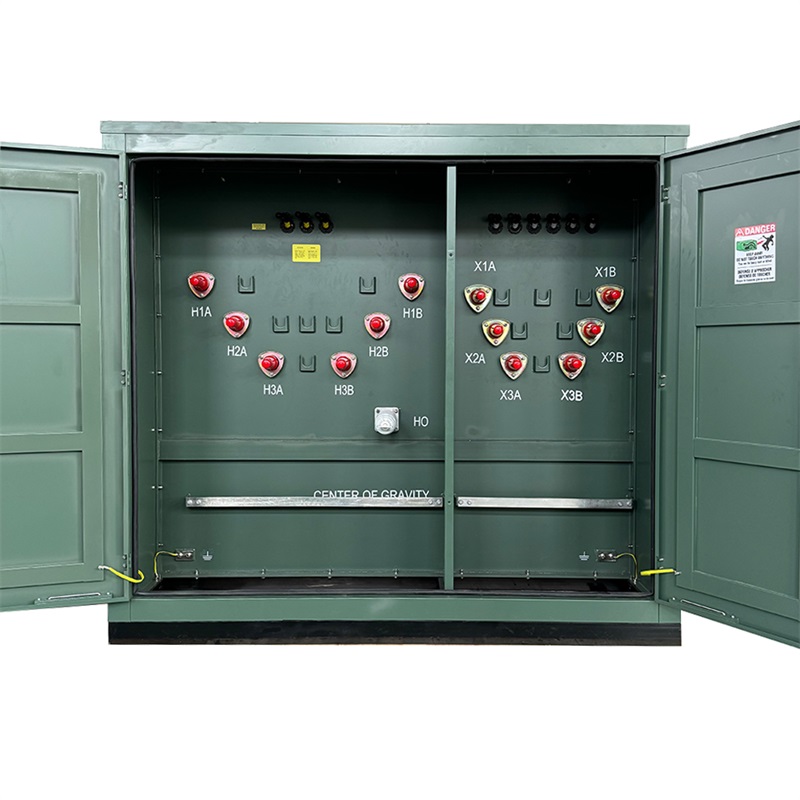
Base kVA: 45 kVA to 12,000 kVA Primary voltage: 2400 V to 46,000 V Secondary voltage: 120 V to 24,940V Basic lmpulse Level (BIL): 30kV to 250kV
See Details
Copyright © Jiangsu Dingxin Electric Co., Ltd. Rights Reserved.

Energy Efficient Transformers Manufacturers Electrical Transformers Factory
Contact Us