 English
 русский
 Español
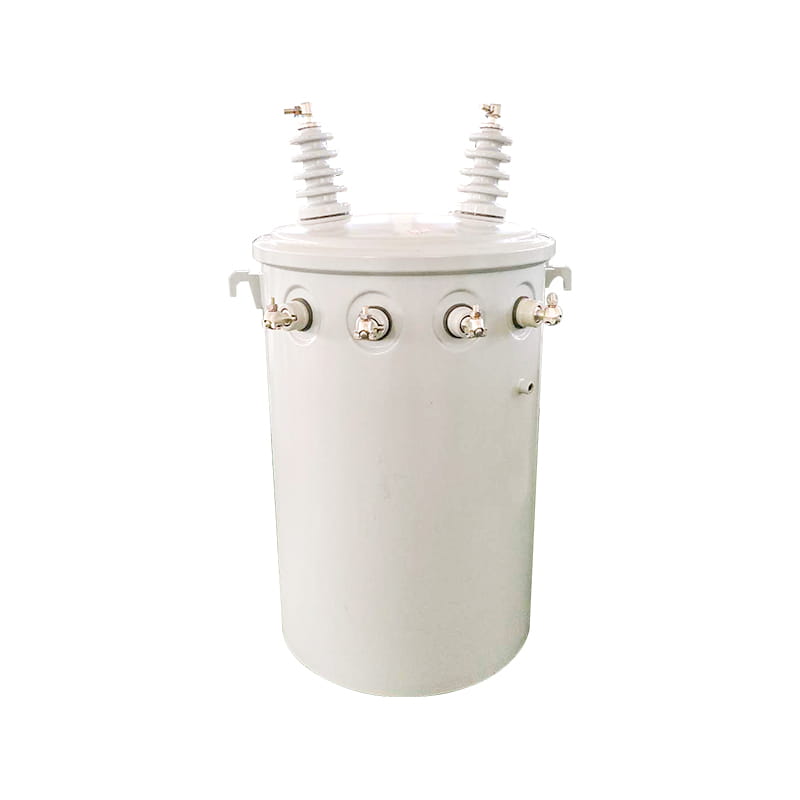
Energy-Saving Single-Phase Oil-Immersed Pole-Mounted Transformer
15KVA 13.8KV/0.4KV
See Details
Content
Phase-shifting rectifier transformers (PSRTs) are specialized transformers that create multiple phase-displaced voltage systems to enable multi-pulse rectification in medium voltage (MV) drive applications. By generating 12-pulse, 18-pulse, or even 24-pulse configurations, these transformers reduce total harmonic distortion (THD) to below 5% without additional filtering, making them essential components in industrial power systems operating at 2.3 kV to 13.8 kV.
The fundamental principle involves using multiple secondary windings with precise phase shifts—typically 30° for 12-pulse or 20° for 18-pulse systems—to create overlapping rectification pulses that effectively cancel out lower-order harmonics. This approach delivers cleaner DC bus voltage while maintaining high power quality and meeting IEEE 519 harmonic compliance standards.
The effectiveness of phase-shifting transformers directly correlates with the pulse number. Each configuration eliminates specific harmonic orders according to the formula: harmonics eliminated = n ± 1, where n is the pulse number.
| Pulse Number | Phase Shift | Harmonics Eliminated | Typical THD |
|---|---|---|---|
| 6-Pulse | N/A | None | 28-35% |
| 12-Pulse | 30° | 5th, 7th | 8-12% |
| 18-Pulse | 20° | 5th, 7th, 11th, 13th | 3-5% |
| 24-Pulse | 15° | 5th, 7th, 11th, 13th, 17th, 19th | 2-3% |
For MV drives rated at 1-10 MW, 12-pulse configurations represent the optimal cost-performance balance, eliminating the dominant 5th and 7th harmonics while maintaining reasonable transformer size and complexity. Industrial applications demanding stricter harmonic compliance, such as petrochemical plants or semiconductor fabrication facilities, typically specify 18-pulse systems.
Phase-shifting transformers utilize specific winding arrangements to achieve the required phase displacement. The most prevalent configurations include:
The standard 12-pulse PSRT employs one delta-connected secondary and one wye-connected secondary, creating the necessary 30° phase shift between two six-pulse rectifier bridges. This configuration requires careful impedance matching between secondaries to ensure balanced load sharing.
To achieve optimal harmonic cancellation, secondary winding impedances must be matched within ±5% tolerance. Imbalanced impedances lead to unequal current sharing and degraded harmonic performance, potentially increasing THD by 2-3 percentage points. Manufacturing precision and thermal management directly impact long-term impedance stability.
Each secondary winding connects to a dedicated six-pulse diode or thyristor rectifier bridge. The DC outputs connect in series to double the DC voltage while the AC inputs remain phase-displaced. This arrangement requires:
Modern MV drive systems incorporate digital control platforms that monitor individual bridge performance, detecting imbalances that indicate component degradation or transformer winding issues before harmonic compliance is compromised.
Beyond harmonic mitigation, phase-shifting rectifier transformers deliver measurable improvements across multiple power quality metrics relevant to industrial MV drive installations.
Multi-pulse rectification inherently improves displacement power factor compared to six-pulse systems. A 12-pulse configuration achieves displacement power factor of 0.95-0.97 at rated load without capacitor banks, reducing reactive power demand charges. When combined with active front-end converters, unity power factor operation becomes practical across 20-110% load range.
The increased pulse number reduces commutation notch depth on the AC supply by distributing switching events temporally. Measured data from a 5 MW cement mill drive installation showed voltage notch depth reduction from 18% (6-pulse) to 4% (12-pulse), significantly improving voltage quality for adjacent loads sharing the same substation bus.
Higher pulse numbers directly reduce DC bus voltage ripple frequency and amplitude. A 12-pulse system generates 720 Hz ripple (12× line frequency) with amplitude approximately 3-4% of DC voltage, compared to 15-20% for six-pulse systems. This reduction enables smaller DC link capacitors, reducing drive footprint and improving reliability by minimizing electrolytic capacitor stress.
Specifying phase-shifting rectifier transformers for MV drives requires balancing technical performance, physical constraints, and lifecycle economics.
PSRTs typically exhibit 15-25% larger physical footprint than standard two-winding transformers of equivalent power rating due to multiple secondary windings. Heat dissipation requirements increase proportionally, with typical efficiency of 98.5-99.0% at rated load. Applications in high ambient temperature environments (above 40°C) require derating or enhanced cooling systems.
MV drive transformers must withstand both continuous operating voltage and transient overvoltages from rectifier commutation and motor switching. Industry practice specifies:
Transformer impedance affects both fault current contribution and DC bus regulation. Typical specifications call for 5-7% impedance on transformer base, providing adequate short-circuit current limiting while maintaining acceptable voltage regulation under load transients. Higher impedance values (8-10%) may be specified for installations with limited upstream fault capacity.
The premium cost of phase-shifting transformers—typically 30-50% higher than standard transformers—must be justified against avoided harmonic mitigation costs and operational benefits.
For a 3 MW MV drive installation, a 12-pulse PSRT costs approximately $85,000-$120,000 compared to $60,000-$75,000 for a standard transformer plus $40,000-$60,000 for harmonic filters. The integrated PSRT solution delivers 15-20% total installed cost savings while eliminating filter tuning requirements and maintenance.
Reduced harmonic losses and improved power factor translate to measurable energy savings. A water treatment plant operating two 2.5 MW drives reported annual savings of $18,000 per drive from reduced demand charges and improved system efficiency after retrofitting 12-pulse transformers.
| Cost Category | 6-Pulse + Filters | 12-Pulse PSRT | Savings |
|---|---|---|---|
| Equipment Capital | $100,000 | $105,000 | -$5,000 |
| Installation Labor | $25,000 | $18,000 | $7,000 |
| Annual Maintenance | $4,500 | $2,200 | $2,300/year |
| Energy Losses | $8,200/year | $6,800/year | $1,400/year |
Successful PSRT deployment requires attention to electrical and mechanical integration details that influence long-term performance and reliability.
Multiple secondary windings create ground loop potential if bonding is improper. Best practice establishes a single-point ground at the transformer tank, with DC bus ground referenced through high-resistance grounding (HRG) systems rated at 5-10 A fault current for ground fault detection without nuisance tripping.
Post-installation commissioning must verify harmonic performance meets specifications. Testing protocol includes:
Field measurements should confirm THD within ±1% of guaranteed values across the drive's operating range. Deviations indicate transformer impedance imbalance, rectifier component mismatch, or control system tuning issues requiring remediation.
While PSRTs represent mature technology, ongoing development focuses on efficiency improvements and integration with advanced drive topologies.
Combining 12-pulse PSRTs with small active harmonic filters achieves sub-2% THD performance at lower cost than 18-pulse transformers. The PSRT eliminates dominant harmonics while a 5-10% rated active filter addresses residual harmonic content and provides dynamic reactive power compensation.
Next-generation PSRTs incorporating amorphous metal cores reduce no-load losses by 60-70% compared to silicon steel, improving lifecycle efficiency for drives with variable loading profiles. Despite 25-30% material cost premium, payback periods under 5 years make this attractive for new installations in regions with high electricity costs.
Modern MV drive systems increasingly incorporate digital models predicting transformer thermal behavior, insulation aging, and harmonic performance degradation. Continuous monitoring enables predictive maintenance scheduling, extending PSRT service life from typical 25-30 years to potentially 35-40 years through optimized loading and cooling management.
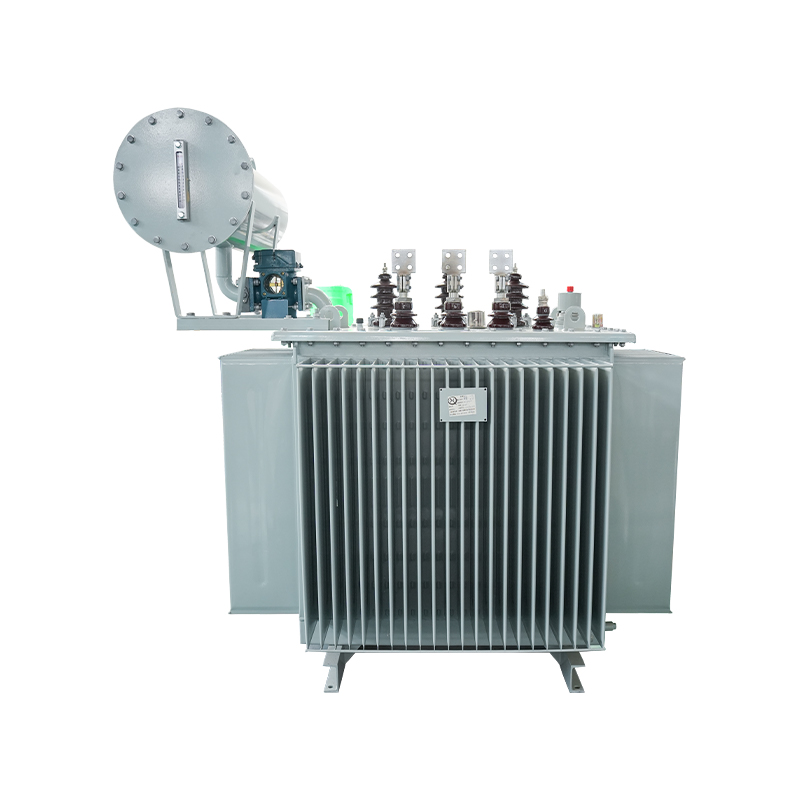
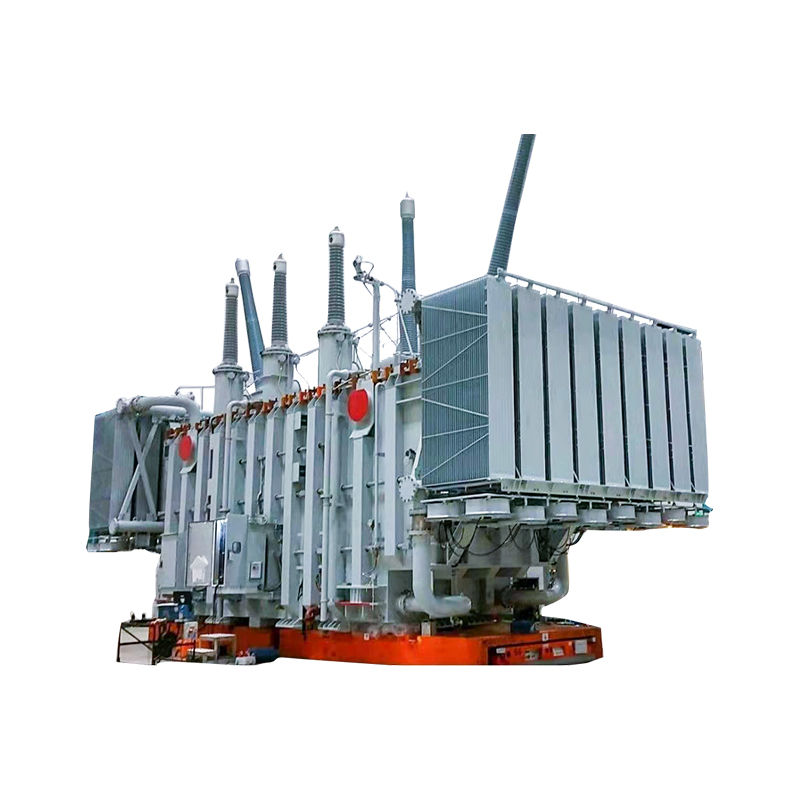
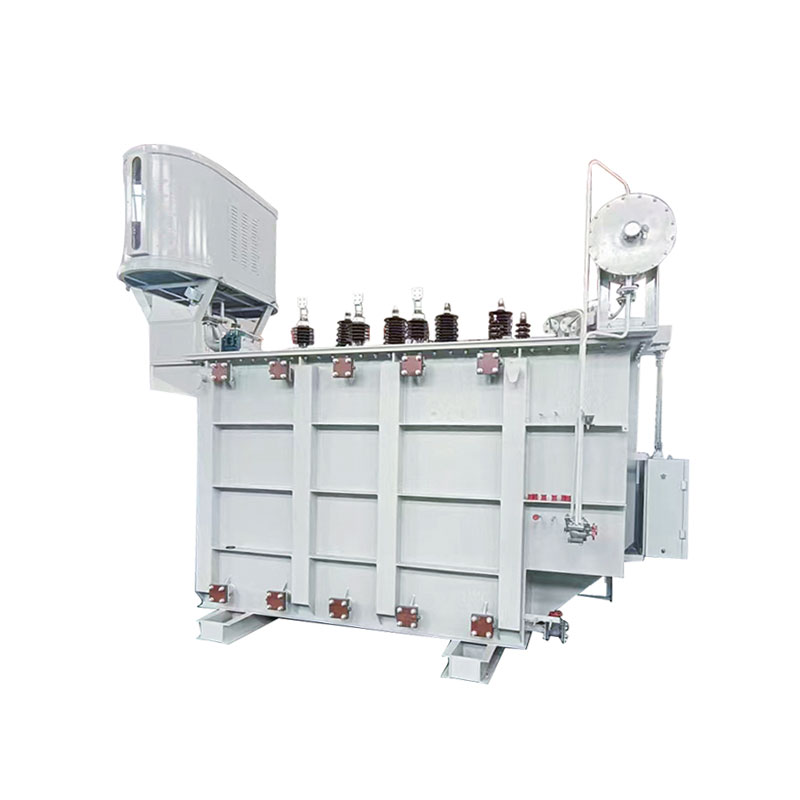
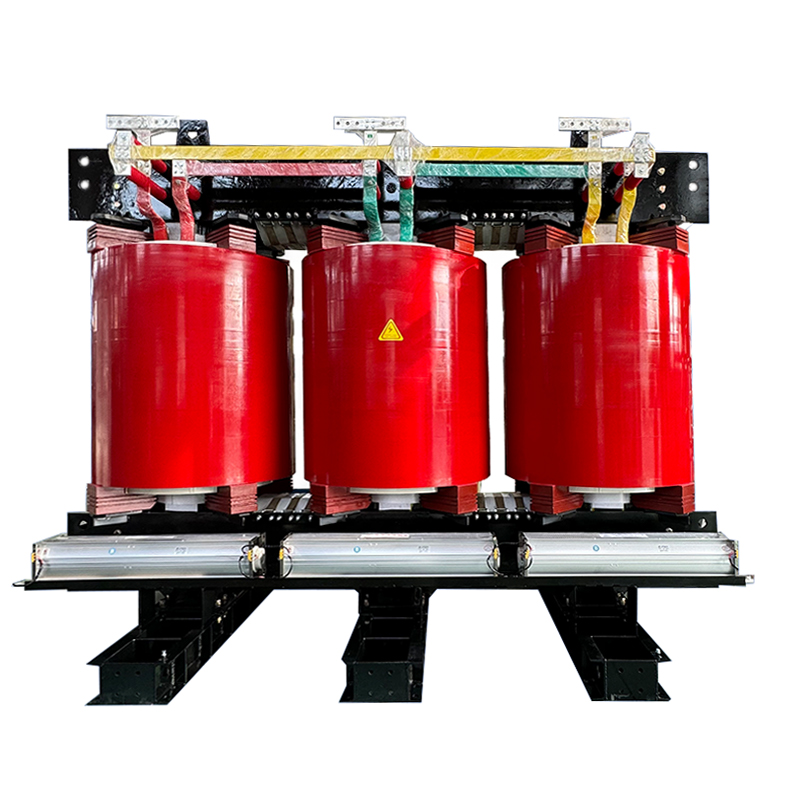
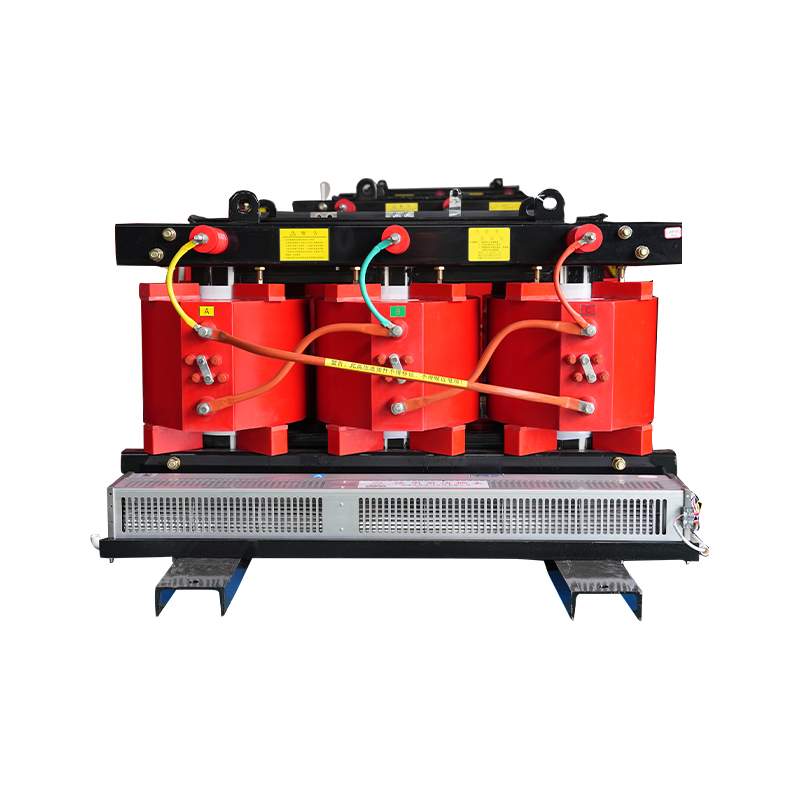
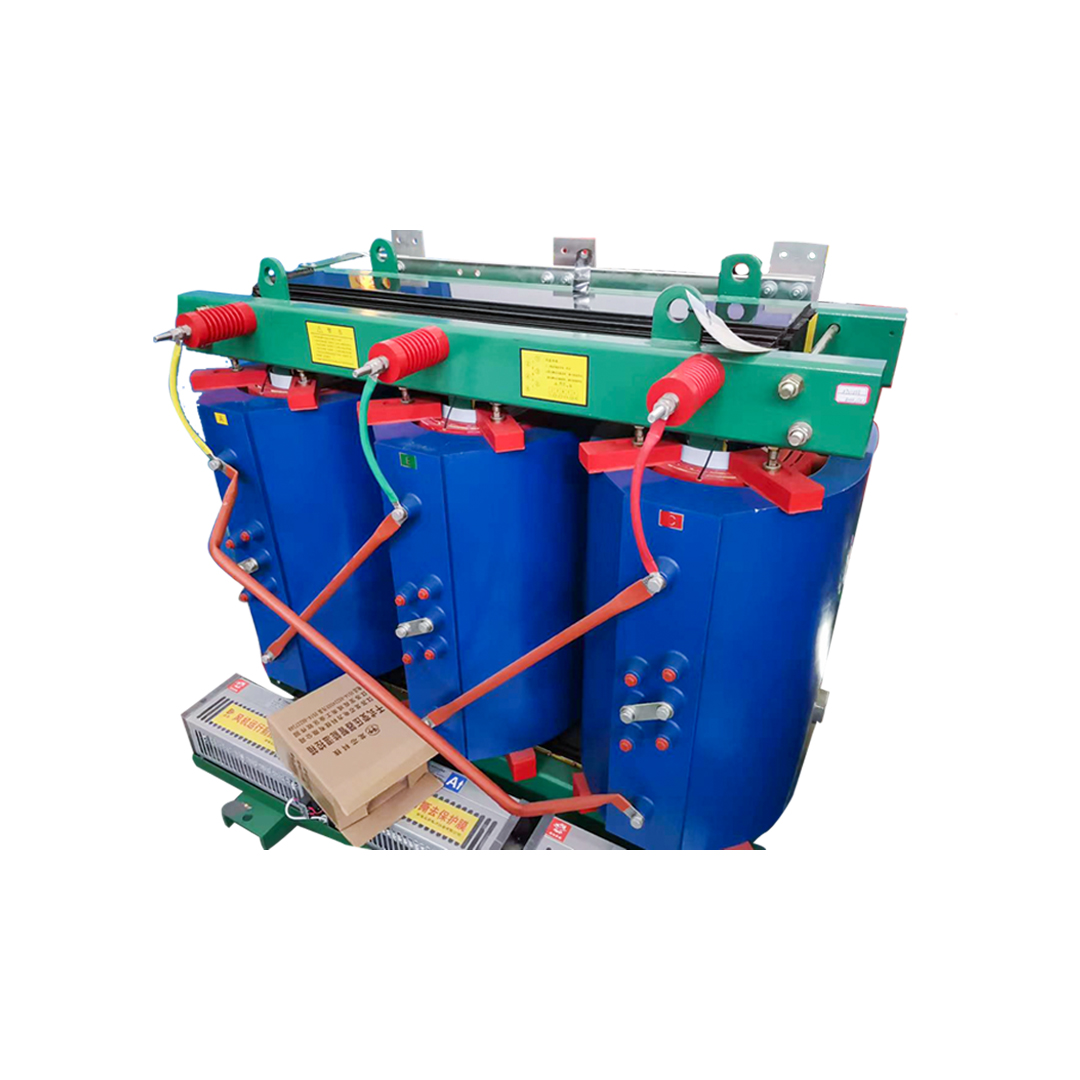
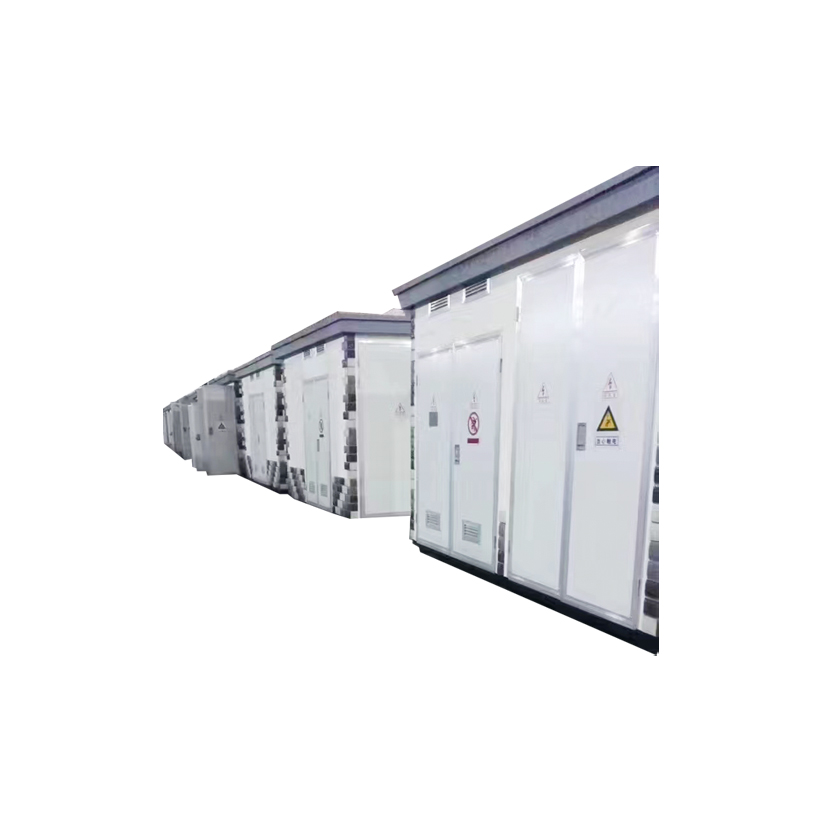
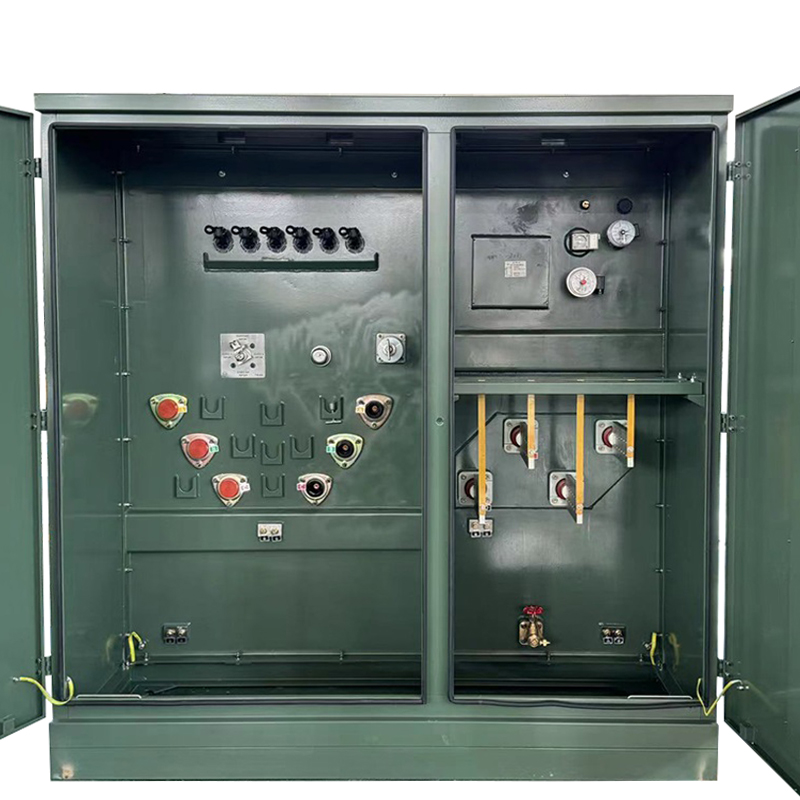
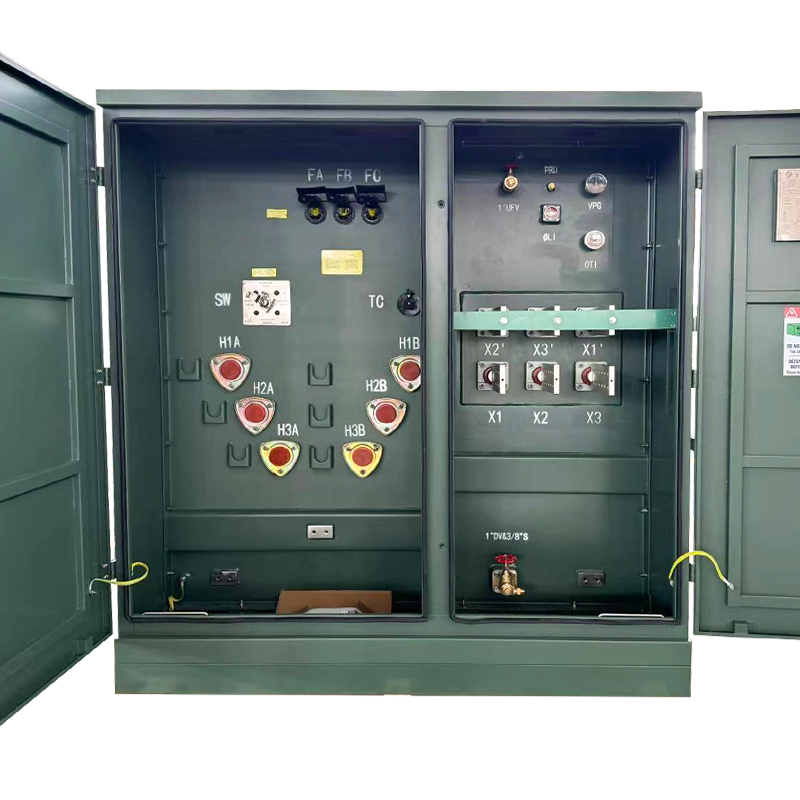
Base kVA: 45 kVA to 12,000 kVA Primary voltage: 2400 V to 46,000 V Secondary voltage: 120 V to 24,940V Basic lmpulse Level (BIL): 30kV to 250kV
See Details
Copyright © Jiangsu Dingxin Electric Co., Ltd. Rights Reserved.

Energy Efficient Transformers Manufacturers Electrical Transformers Factory
Contact Us