 English
 русский
 Español
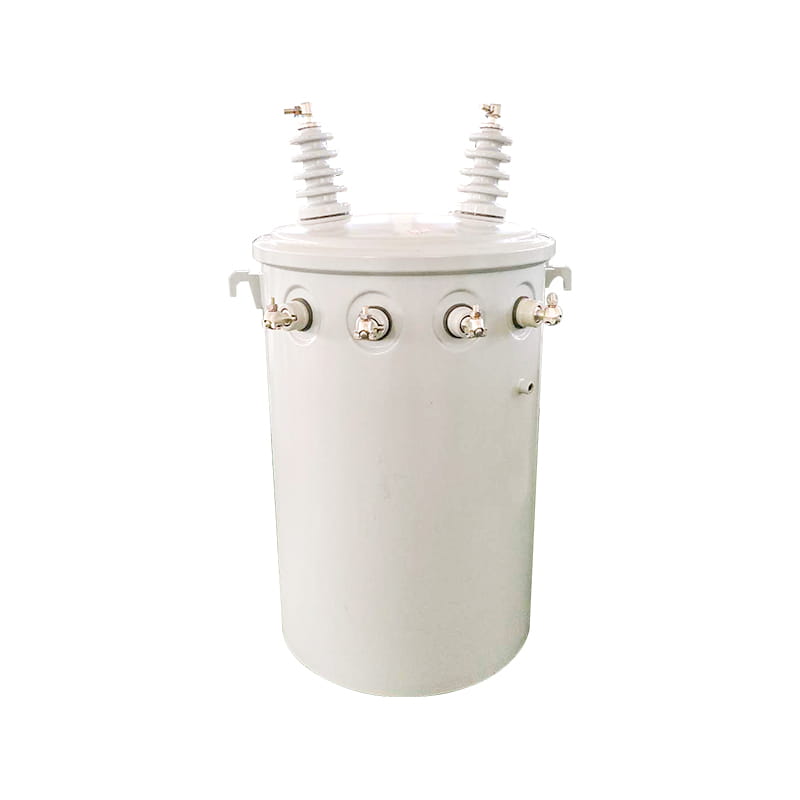
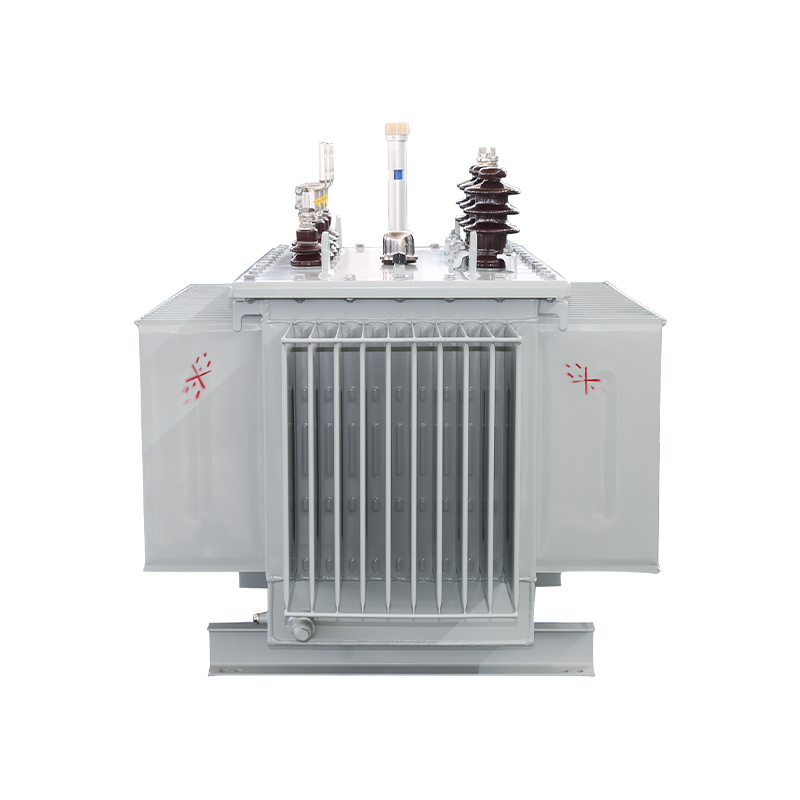
Energy-Saving Single-Phase Oil-Immersed Pole-Mounted Transformer
15KVA 13.8KV/0.4KV
See Details
Content
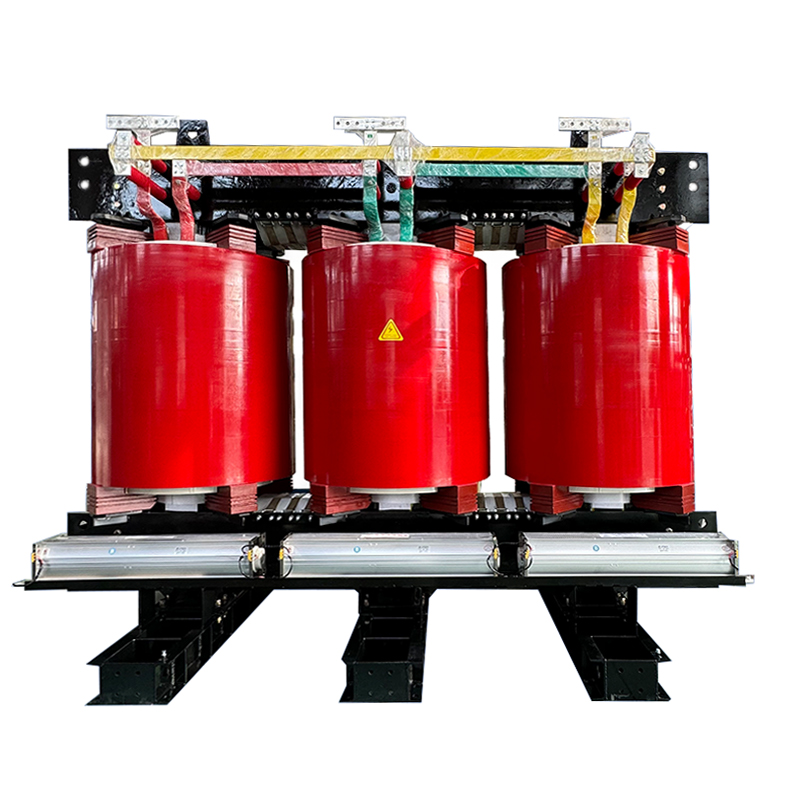
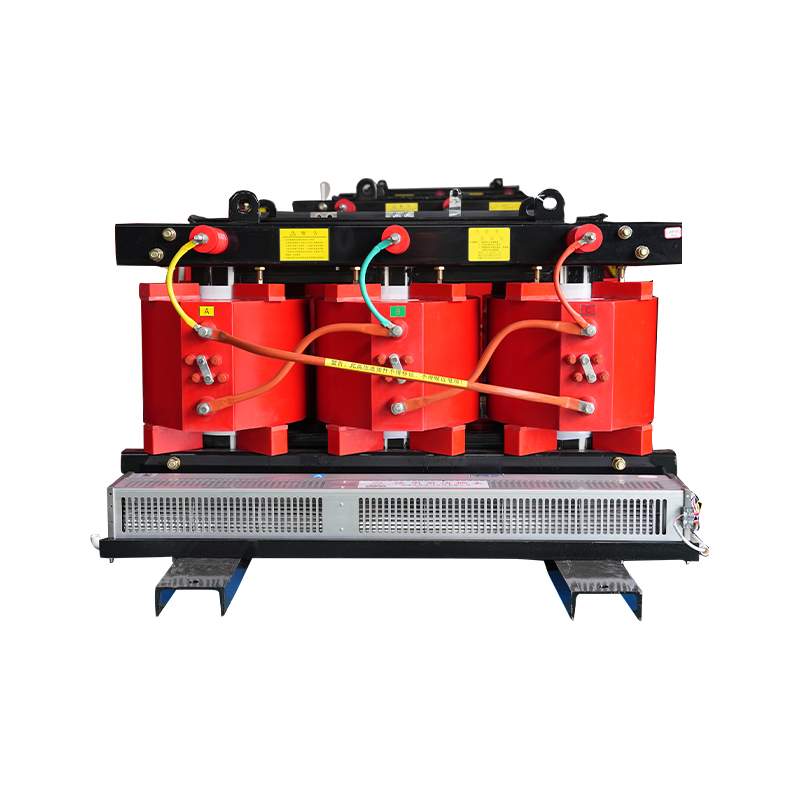
Cast-resin dry-type transformers are distinguished by three critical performance parameters: partial discharge (PD) levels below 10 pC, noise emissions typically 45-55 dB(A), and insulation class ratings of F (155°C) or H (180°C). Understanding how these specifications interact is essential for proper transformer selection, installation planning, and long-term reliability in medium-voltage applications ranging from 6 kV to 36 kV.
Partial discharge represents localized electrical breakdown within the insulation system that doesn't immediately bridge the entire insulation gap. For cast-resin transformers, PD activity directly correlates with insulation integrity and expected service life.
According to IEC 60076-11, cast-resin dry-type transformers must meet the following PD criteria:
| Voltage Class | Maximum PD at 1.3 Um/√3 | Typical Quality Level |
|---|---|---|
| Up to 24 kV | ≤10 pC | 5-8 pC |
| 24-36 kV | ≤10 pC | 3-6 pC |
High-quality manufacturers consistently achieve PD levels below 5 pC, which correlates with insulation life expectancy exceeding 30 years under normal operating conditions. Testing occurs at 1.3 times the rated voltage divided by √3 to simulate operational stress conditions.
The insulation class defines thermal endurance, while PD levels indicate electrical quality. A Class F transformer (155°C) with high PD activity (8-10 pC) will experience accelerated aging compared to a Class H unit (180°C) with low PD (<5 pC). The combined effect follows this principle:
Acoustic noise in cast-resin transformers originates from magnetostriction in the core and, to a lesser extent, electromagnetic forces in the windings. The resin encapsulation provides inherent damping compared to liquid-filled units.
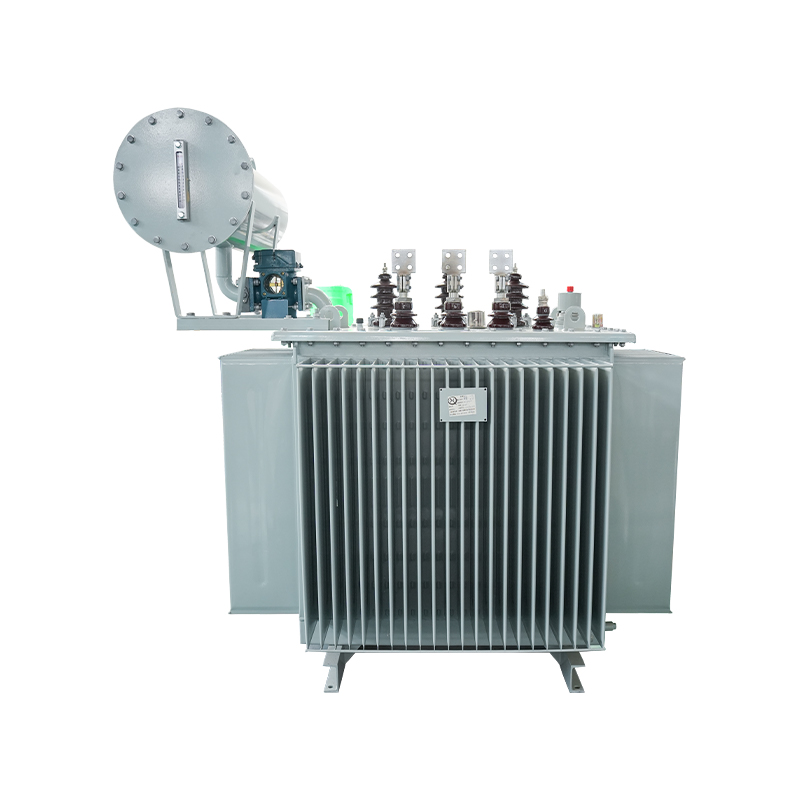
IEC 60076-10 establishes maximum sound pressure levels based on transformer rating. Cast-resin transformers typically operate 3-5 dB(A) quieter than equivalent oil-filled units due to the solid encapsulation damping vibration:
| Rated Power (kVA) | IEC Maximum (dB(A)) | Typical Cast-Resin |
|---|---|---|
| 630-1000 | 56 | 48-52 |
| 1250-1600 | 58 | 50-54 |
| 2000-2500 | 60 | 52-56 |
The interaction between noise levels and installation environment becomes critical for indoor applications. For transformers installed in occupied buildings:
Insulation class indirectly affects noise through thermal design. Class H transformers with larger core cross-sections operate at lower flux densities, reducing magnetostriction and achieving 2-3 dB(A) lower noise levels compared to Class F units of equal rating.
The insulation class defines the maximum permissible temperature rise of the windings above ambient temperature. Cast-resin transformers predominantly use Class F or Class H systems, each with distinct performance implications.
| Parameter | Class F (155°C) | Class H (180°C) |
|---|---|---|
| Maximum Temperature Rise | 100 K | 125 K |
| Typical Operating Rise | 80-90 K | 95-110 K |
| Overload Capacity (Short-term) | 110-120% | 130-150% |
| Service Life at Rated Load | 25-30 years | 30-35 years |
Insulation class selection must account for installation environment. Standard ratings assume 40°C maximum ambient with 30°C annual average. For applications exceeding these conditions:
Optimal transformer specification requires simultaneous evaluation of PD levels, noise output, and insulation class against specific application requirements. These parameters interact to determine total cost of ownership and operational reliability.
Different installation scenarios prioritize these parameters differently:
| Application | PD Priority | Noise Priority | Insulation Class | Recommendation |
|---|---|---|---|---|
| Data Centers | Critical (<5 pC) | Medium (<52 dB) | H | Premium quality, overload capability |
| Hospitals | High (<6 pC) | Critical (<48 dB) | F or H | Low-noise design with acoustic treatment |
| Commercial Buildings | Medium (<8 pC) | High (<50 dB) | F | Standard specification, cost-optimized |
| Industrial Plants | Medium (<8 pC) | Low (<55 dB) | H | High ambient temperature capability |
The price differential between specification levels provides guidance on value optimization. Based on market data for 1600 kVA, 20 kV transformers:
For mission-critical installations where downtime costs exceed €10,000 per hour, the premium specification typically achieves payback within 3-5 years through reduced failure rates and extended maintenance intervals.
Factory acceptance testing must verify all three parameters to ensure specification compliance. Understanding test procedures enables proper quality assurance.
PD testing follows IEC 60270 methodology with specific requirements for cast-resin transformers:
Acoustic testing per IEC 60076-10 involves:
Insulation class confirmation requires extended heat run tests:
Understanding the interrelationship between PD, noise, and insulation class enables predictive maintenance strategies that maximize transformer service life and minimize unplanned outages.
Modern cast-resin transformer management employs multi-parameter monitoring:
The combination of parameter quality levels dictates inspection frequency:
| Quality Level | Visual Inspection | PD Testing | Temperature Survey |
|---|---|---|---|
| Premium (H, <5 pC) | Annual | Every 5 years | Every 3 years |
| Standard (F, <8 pC) | Annual | Every 3 years | Every 2 years |
| Basic (F, 8-10 pC) | Bi-annual | Every 2 years | Annual |
Field data from European utilities indicates that transformers with initial PD levels below 5 pC and Class H insulation exhibit failure rates below 0.1% annually, compared to 0.3-0.5% for standard specifications, justifying the premium investment for critical applications.
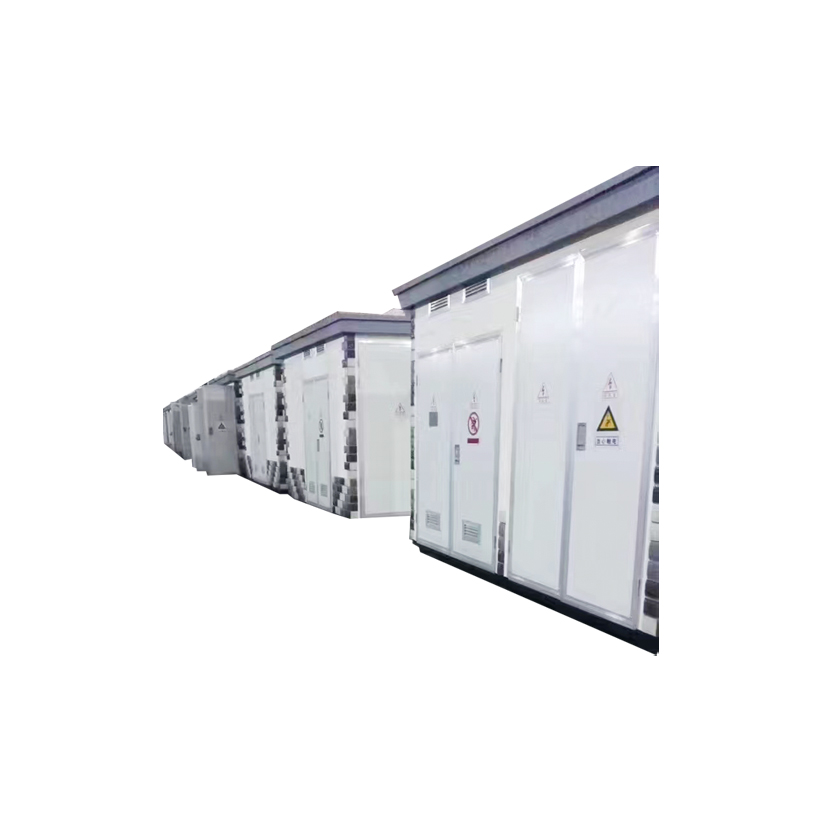
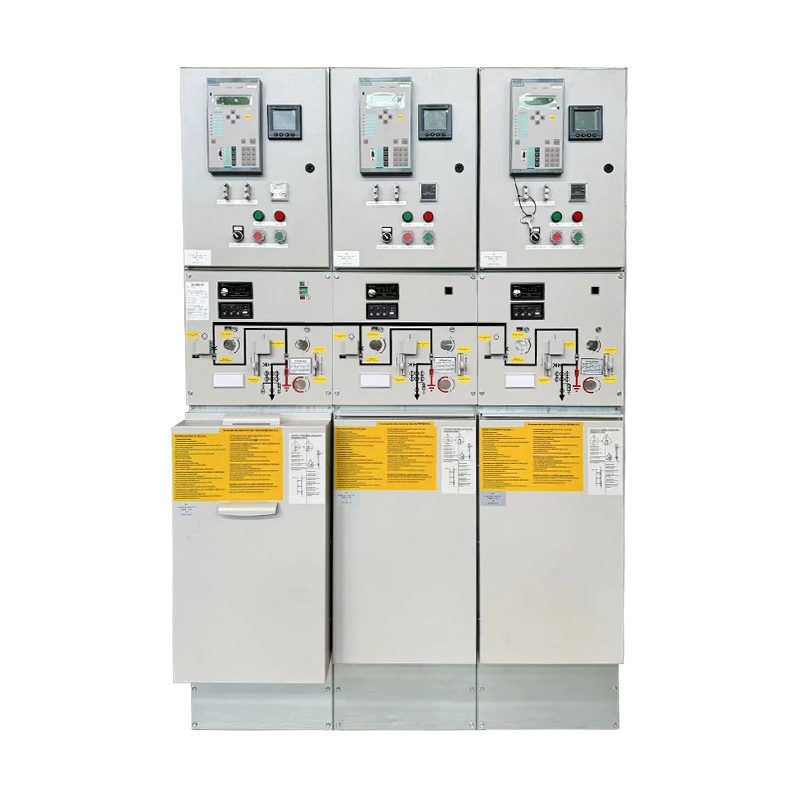
A Cabinet-Type Outdoor Prefabricated Substation, which is a compact, all-in-one electrical distribution solution designed for outdoor installation. Th...
See Details
Copyright © Jiangsu Dingxin Electric Co., Ltd. Rights Reserved.

Energy Efficient Transformers Manufacturers Electrical Transformers Factory
Contact Us