 English
 русский
 Español
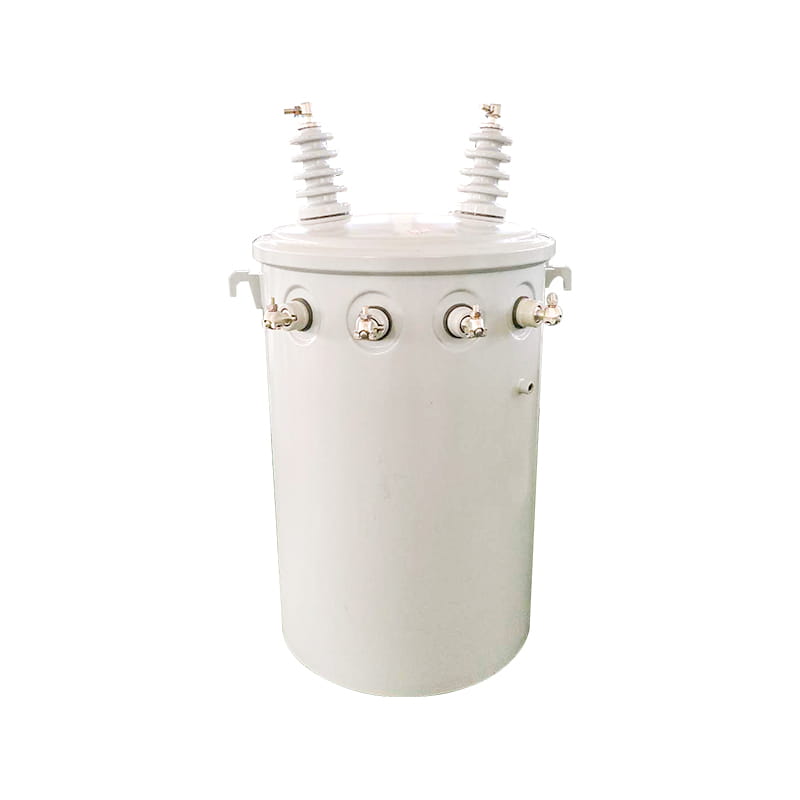
Energy-Saving Single-Phase Oil-Immersed Pole-Mounted Transformer
15KVA 13.8KV/0.4KV
See Details
Content
Selecting the right medium voltage switchgear lineup is one of the most consequential decisions in any power distribution project. Get it wrong, and you face years of costly maintenance headaches, compliance failures, or — worst of all — arc flash incidents. Get it right, and your lineup delivers 20–30 years of reliable, low-intervention service.
This guide cuts through the noise with a fast, structured decision tree specifically built for the 6kV, 10kV, and 35kV voltage tiers — the three bands that cover the vast majority of industrial and utility MV applications worldwide. Whether you are specifying a new substation, upgrading aging equipment, or evaluating a high and low voltage switchgear lineup for an industrial facility, this framework will help you reach a confident selection in minutes, not weeks.
Under IEC 62271, medium voltage (MV) switchgear covers electrical assemblies rated between 1kV and 35kV. These systems perform four critical functions in any power network: switching, fault interruption, isolation for maintenance, and protection coordination. In North America, ANSI/IEEE standards sometimes extend the MV definition up to 69kV, but the 6–35kV band remains the engineering sweet spot for most industrial and distribution applications globally.
The three voltage tiers within this band serve distinct roles:
Understanding which tier your project falls into is the starting point of every lineup decision — but it is far from the only variable.
Before entering the decision tree, engineers must lock down five parameters. Leaving any one of them undefined almost always leads to an undersized, over-specified, or non-compliant lineup.
| Parameter | What to Determine | Why It Matters |
|---|---|---|
| Rated Voltage | System nominal voltage + 10–15% margin (e.g., 12kV for a 10kV system) | Drives insulation class, clearances, and equipment rating |
| Short-Circuit Level | Prospective fault current in kA (typically 16, 20, 25, or 31.5kA) | Determines breaker interrupting capacity and busbar rating |
| Insulation Medium | Air (AIS), SF₆ gas (GIS), or solid/vacuum (SIS) | Affects footprint, environmental compliance, and lifecycle cost |
| Installation Environment | Indoor/outdoor, altitude, humidity, pollution level (IEC 60071) | Determines enclosure IP rating, creepage distances, and material choice |
| Maintainability Requirement | Fixed, withdrawable, or fully compartmentalized design | Governs outage time for maintenance and arc-fault containment level |
Once these five parameters are defined, the decision tree below provides a clear, step-by-step path to the right lineup type.
Work through the following four steps sequentially. Each step eliminates incompatible options and narrows the field until one lineup category emerges as the clear fit.
Your system nominal voltage determines the rated voltage class of the switchgear. Always specify equipment rated at the next standard level above nominal to provide insulation margin.
Space and environmental conditions eliminate the majority of unsuitable lineup types early.
How quickly must you restore service after a fault or scheduled maintenance? This determines whether you need a fixed, withdrawable, or fully compartmentalized design.
Insulation medium is the final filter, and in 2025 it carries a strong environmental dimension.
Combining the outputs of all four steps yields the following decision matrix:
| Voltage Tier | Environment | Maintainability | Recommended Lineup |
|---|---|---|---|
| 6kV / 7.2kV | Indoor, standard | Planned outages acceptable | Metal-enclosed AIS, fixed or withdrawable VCB |
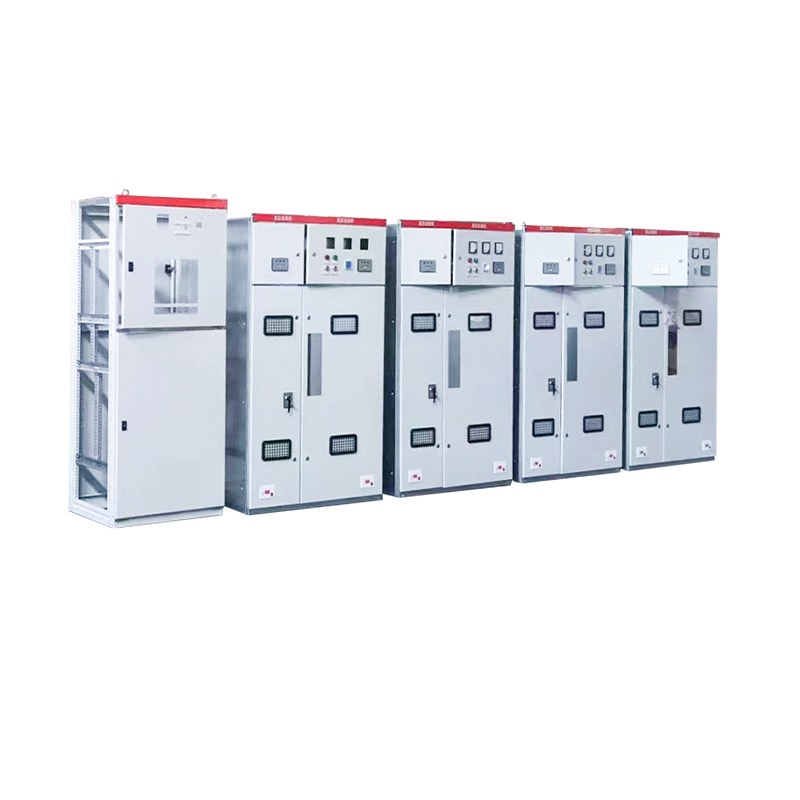
| 10kV / 12kV | Indoor, standard | Mission-critical / fast restore | Metal-clad AIS, withdrawable VCB (KYN28 or equivalent) |
| 10kV / 12kV | Space-constrained / harsh | Low maintenance frequency required | Solid-insulated switchgear (SIS) or compact GIS |
| 35kV / 40.5kV | Indoor substation | Withdrawable preferred | Metal-clad AIS (KYN61 or equivalent), withdrawable VCB |
| 35kV / 40.5kV | Outdoor / urban / offshore | Minimal footprint, low maintenance | GIS or SF₆-free GIS, compartmentalized |
| Any tier | Ring network / secondary distribution | Fast sectionalizing | Ring Main Unit (RMU), solid-insulated |
For engineers still weighing insulation technology, the table below distills the key trade-offs across the three mainstream options for 6–35kV lineups.
| Criterion | AIS (Air-Insulated) | GIS (Gas-Insulated) | SIS (Solid-Insulated) |
|---|---|---|---|
| Footprint | Largest | 40–60% smaller than AIS | Comparable to GIS |
| Capital Cost | Lowest | Highest | Mid-range |
| Maintenance Interval | Every 3–5 years | Every 10–15 years | Every 10–15 years |
| Environmental Risk | Low (no gas) | High (SF₆) / Low (SF₆-free) | None |
| Humidity Tolerance | Moderate | High (sealed) | Very High (fully sealed) |
| Arc Flash Containment | Compartmentalized (metal-clad) | Fully contained | Fully contained |
| Best Fit | Standard industrial / utility, budget-driven | Urban substations, offshore, space-critical | High-humidity, low-maintenance, eco-conscious |
Even experienced engineers fall into predictable traps when specifying MV switchgear lineups. Knowing these pitfalls in advance can save significant time and cost during commissioning or, worse, after a fault event.
Mistake 1: Specifying rated voltage equal to system voltage. A 10kV system requires 12kV-rated equipment — not 10kV-rated. Using an exact-match voltage rating leaves no insulation margin for transient overvoltages and violates IEC 62271-1 recommendations. Always specify the next standard rated voltage above the system nominal.
Mistake 2: Underestimating the prospective short-circuit current. Short-circuit levels at MV buses frequently increase as utilities upgrade transmission capacity upstream. Equipment specified for 16kA may face 20kA fault currents within five years of commissioning. Build in headroom — specify 25kA interrupting capacity when the present fault level is 20kA or below.
Mistake 3: Ignoring internal arc classification (IAC). IEC 62271-200 defines internal arc accessibility categories (A, B, C). Selecting a non-IAC-rated lineup for an installation where personnel regularly work near energized equipment is a compliance failure and a serious safety risk. Always confirm the required IAC class during the design stage, not during procurement.
Mistake 4: Specifying SF₆-insulated GIS without checking local regulations. Several jurisdictions in the EU and North America now restrict or impose CO₂-equivalent taxes on SF₆ equipment. Projects with 10-year or longer service horizons should evaluate SF₆-free alternatives from the outset to avoid costly future retrofits.
Mistake 5: Neglecting future expansion slots. Switchgear lineups are routinely extended five or ten years after initial installation. Failing to reserve bus-end extension provisions — or selecting a non-extensible fixed-bus design — forces costly re-buswork or parallel lineups later. Plan for at least 20% spare panel capacity at the design stage.
Once the decision tree has pointed you to the correct lineup type, the following checklist ensures your specification document captures every parameter required for compliant procurement and accurate quoting.
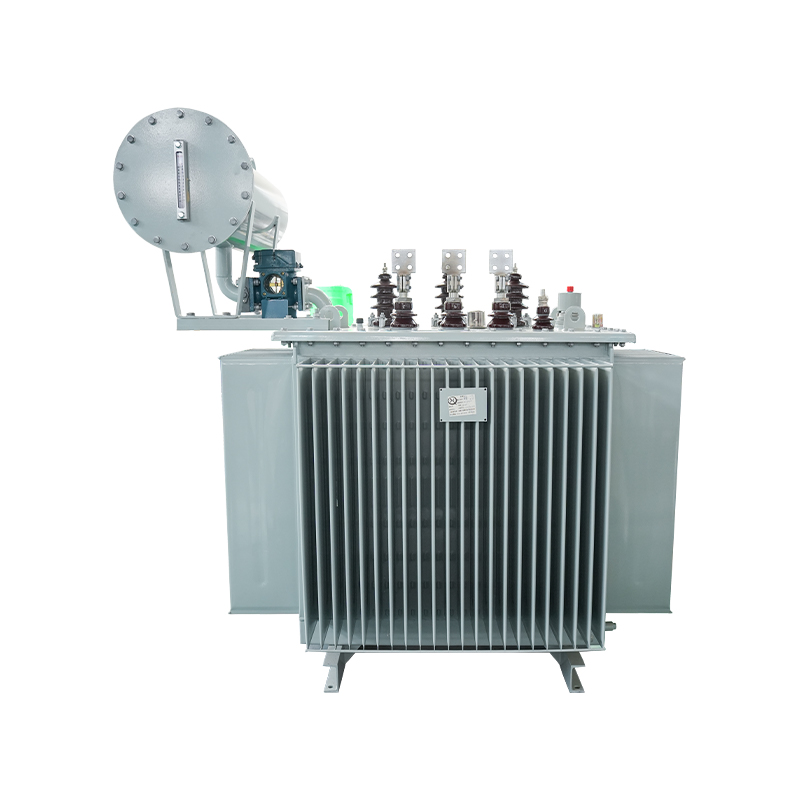
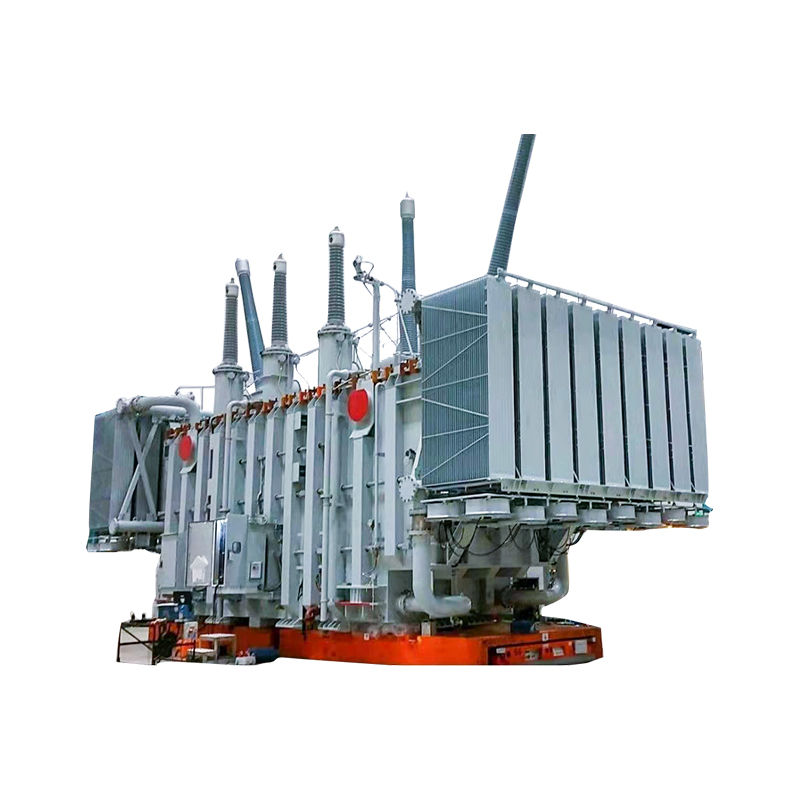
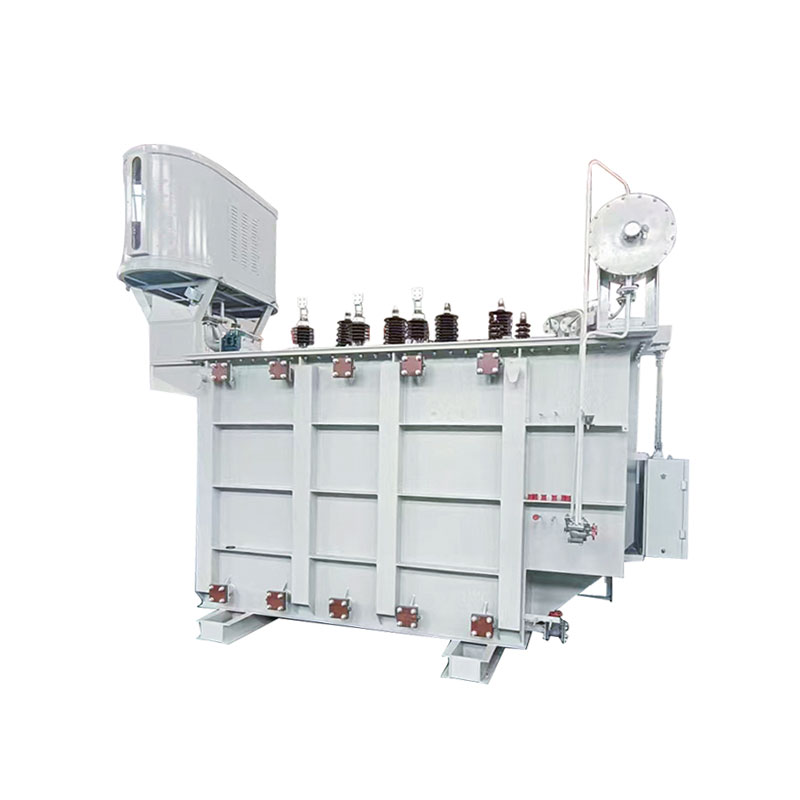
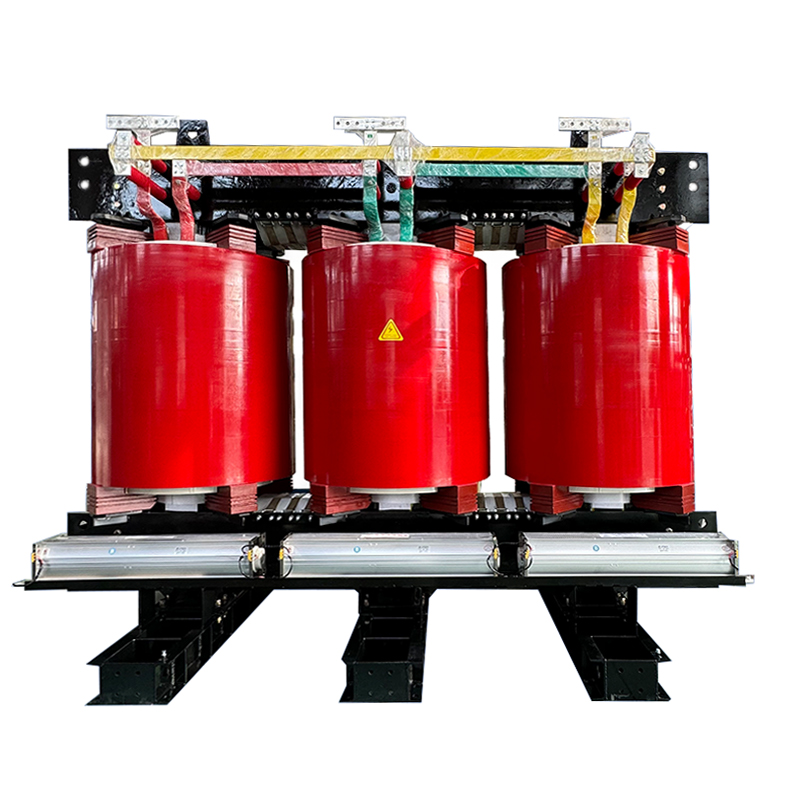
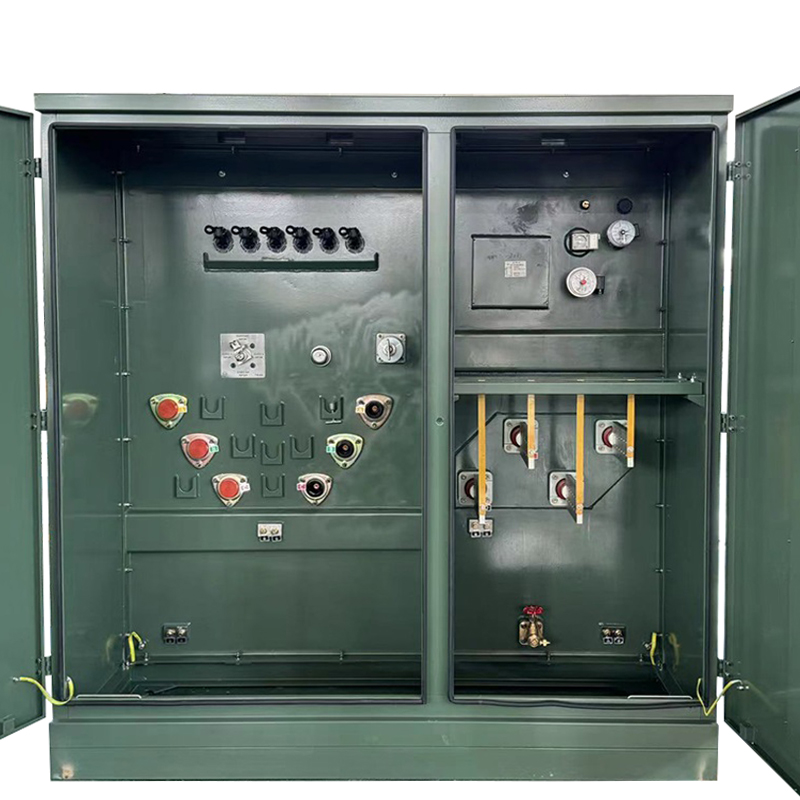
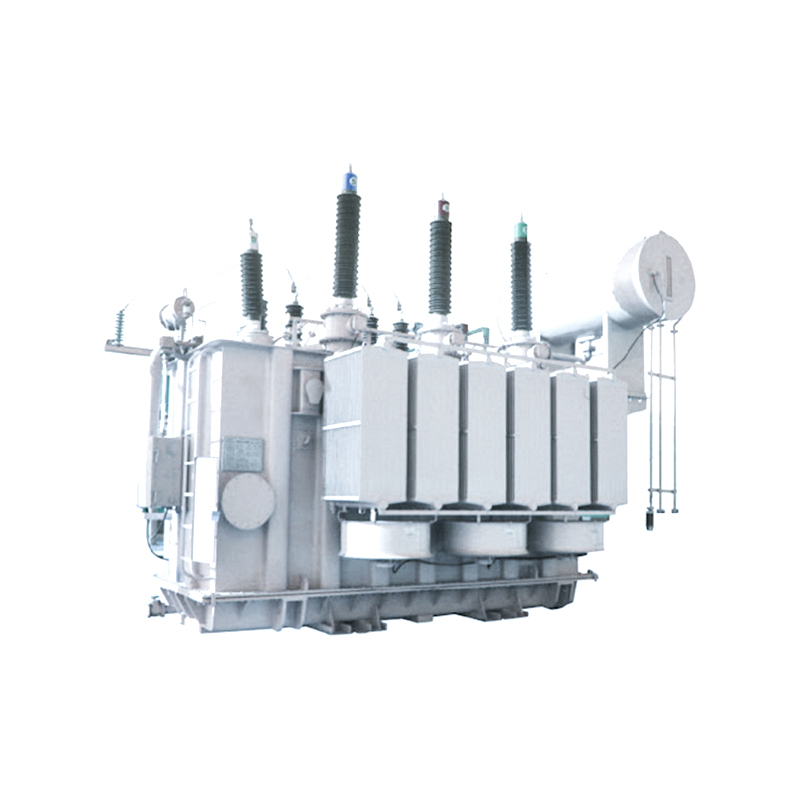
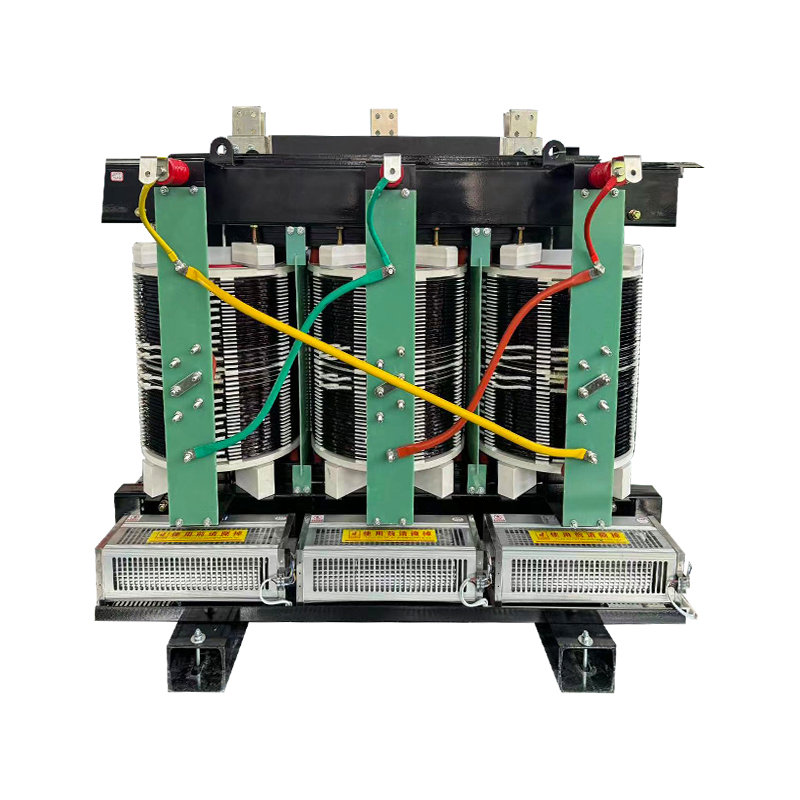
For projects combining MV switchgear with step-down transformation, coordinating the switchgear lineup with upstream and downstream equipment is essential. Our distribution transformer range and prefabricated substation solutions are engineered to integrate seamlessly with 6–35kV lineups, simplifying system coordination and reducing project delivery time.
If your project falls within the 6–35kV range — whether a new industrial substation, a renewable energy collector bus, or a utility feeder upgrade — our engineering team is ready to review your single-line diagram and recommend the optimal lineup configuration. Contact us with your system parameters to receive a detailed technical proposal.

Copyright © Jiangsu Dingxin Electric Co., Ltd. Rights Reserved.

Energy Efficient Transformers Manufacturers Electrical Transformers Factory
Contact Us