 English
 русский
 Español
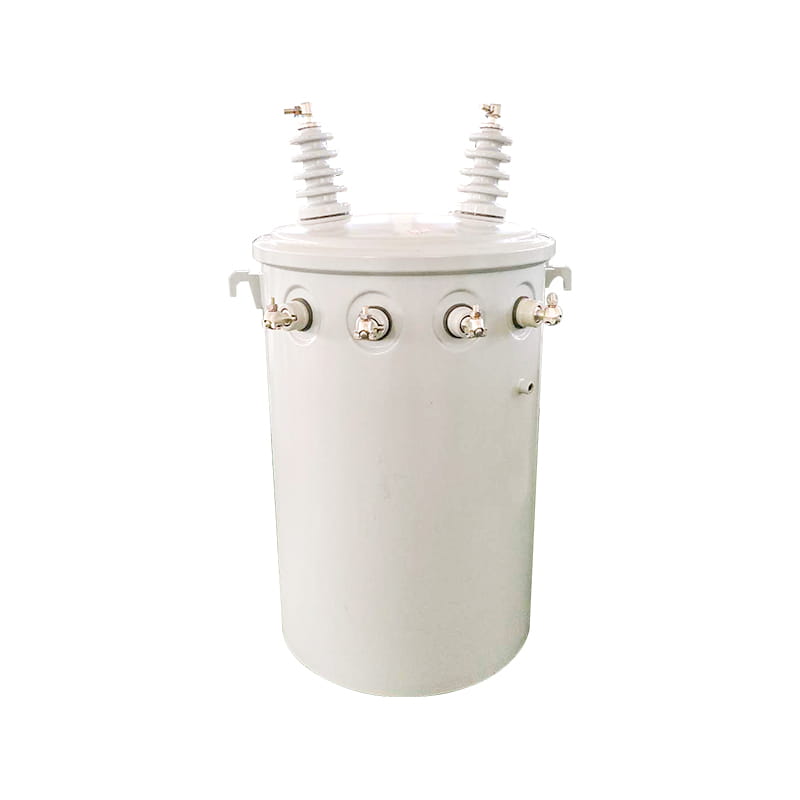
Energy-Saving Single-Phase Oil-Immersed Pole-Mounted Transformer
15KVA 13.8KV/0.4KV
See Details
Content
The cheapest transformer upfront often becomes the most expensive investment over time. Total Cost of Ownership (TCO) analysis reveals that a transformer priced 30% higher can save 50% or more in total costs over its 25-30 year lifespan when factoring in energy losses, maintenance, and replacement cycles. A $50,000 transformer with 98% efficiency will cost approximately $280,000 less in energy consumption over 25 years compared to a $35,000 unit at 96% efficiency, assuming industrial electricity rates of $0.10/kWh and continuous 500 kVA load.
Industry data shows that the purchase price typically represents only 10-15% of a transformer's total lifecycle cost, while energy losses account for 60-70%, and maintenance and downtime make up the remaining 15-30%. Making purchasing decisions based solely on unit price ignores 85-90% of the actual financial impact.
The purchase price includes the transformer unit, shipping, installation, and commissioning. For a 1000 kVA distribution transformer, this ranges from $40,000 for standard efficiency models to $65,000 for premium low-loss designs. Installation costs typically add another 15-25% depending on site conditions and electrical infrastructure requirements.
Transformers experience two types of losses that drain money continuously:
Over 25 years, energy losses for a standard-efficiency 1000 kVA transformer total approximately $197,000, while a premium low-loss model might cost only $145,000 in losses—a $52,000 difference that far exceeds any purchase price premium.
Regular maintenance includes oil testing and replacement, bushing inspections, cooling system servicing, and protective device testing. Annual maintenance costs range from $800-2,500 depending on transformer type and rating. Higher-quality transformers with better insulation systems and robust cooling designs typically require 20-30% less maintenance intervention. Over a 25-year period, maintenance expenses average $30,000-60,000 per transformer.
Unplanned outages in industrial facilities cost an average of $5,000-50,000 per hour depending on the operation. Premium transformers with superior thermal management and protection systems experience 40-60% fewer failures than budget alternatives. A single avoided failure can justify the entire price premium. Premature replacement due to insulation degradation or cooling system failure adds catastrophic costs—both the new unit and emergency installation labor at 2-3x normal rates.
Use this systematic approach to compare transformer options objectively:
| Cost Component | Standard Efficiency | High Efficiency | Premium Low-Loss |
|---|---|---|---|
| Purchase Price | $40,000 | $52,000 | $65,000 |
| Installation | $8,000 | $10,000 | $12,000 |
| Energy Losses (25 years) | $197,000 | $165,000 | $145,000 |
| Maintenance (25 years) | $48,000 | $38,000 | $32,000 |
| Downtime Risk | $15,000 | $8,000 | $5,000 |
| Total TCO | $308,000 | $273,000 | $259,000 |
This example demonstrates that the premium transformer with a 62.5% higher purchase price delivers a 15.9% lower total cost of ownership, saving $49,000 over its lifetime compared to the cheapest option.
Compare manufacturers' guaranteed no-load losses at rated voltage. Premium transformers using grain-oriented silicon steel or amorphous metal cores achieve 20-30% lower core losses than standard designs. For a 1000 kVA transformer, the difference between 1.8 kW and 1.2 kW no-load loss equals $13,140 in savings over 25 years at typical industrial rates. Request test certificates verifying actual measured losses, not just design estimates.
Load losses depend on conductor material, winding design, and current density. Copper windings offer 40% lower resistivity than aluminum, translating to significantly reduced I²R losses. Check the percentage impedance and load loss at 75°C—the actual operating temperature, not the 20°C reference often quoted. A reduction from 12 kW to 9 kW in rated load loss saves approximately $19,700 over the transformer's lifetime at 75% average loading.
Since most transformers operate at 40-80% of rated capacity, efficiency at partial load matters more than full-load efficiency. Request efficiency curves showing performance from 25% to 100% load. Peak efficiency typically occurs at 40-60% loading—a well-designed transformer maintains above 98.5% efficiency across this range, while inferior designs may drop to 97.5% or lower, costing thousands annually in wasted energy.
Environmental factors dramatically affect transformer longevity and operating costs. High ambient temperatures accelerate insulation aging—every 8°C increase above rated temperature halves insulation life. A transformer rated for 150°C insulation operating continuously at 130°C might last 30+ years, but the same unit running at 146°C faces potential failure within 10-12 years.
Consider these environmental TCO factors:
Warranty terms reveal manufacturer confidence in product quality and directly impact TCO. Standard warranties cover 1-2 years, while premium manufacturers offer 5-10 years or even lifetime warranties on certain components. A comprehensive warranty eliminates $5,000-20,000 in potential repair costs during the coverage period.
Evaluate warranty coverage specifics:
Service support infrastructure matters significantly in TCO calculations. A manufacturer with local service centers and spare parts inventory enables 24-48 hour repairs, while offshore-only support may require 4-8 weeks for parts and specialized technicians, costing $120,000-960,000 in lost production for a facility generating $5,000-20,000 hourly revenue.
Since transformer costs occur over decades, use Net Present Value (NPV) to account for the time value of money. Discount future energy and maintenance costs using your company's weighted average cost of capital (typically 6-10%). A transformer saving $3,000 annually in energy costs for 25 years provides an NPV of approximately $32,000 at an 8% discount rate—not the $75,000 nominal savings.
Calculate how quickly the premium for a higher-efficiency transformer returns through operating savings. Acceptable payback periods typically range from 3-7 years for industrial equipment. A $25,000 premium that saves $5,500 annually achieves payback in 4.5 years—excellent value for a 25-30 year asset. However, payback analysis alone ignores benefits beyond the payback period, potentially understating total value.
Test your TCO calculations against varying assumptions to identify key drivers and risks. Create scenarios for:
Many organizations underestimate true transformer costs by making these errors:
Data centers, manufacturing facilities, and other 24/7 high-load applications should prioritize load loss reduction since these losses dominate TCO. Every 1 kW reduction in load losses saves approximately $6,570 over 25 years at continuous full load. Premium conductor materials and optimized winding designs justify substantial initial premiums in these applications.
Transformers serving seasonal loads, backup systems, or facilities with highly variable demand should prioritize no-load loss minimization. These losses occur 24/7 regardless of utilization. Amorphous metal core transformers reduce no-load losses by 60-80% compared to conventional silicon steel, providing excellent TCO despite 20-30% higher purchase prices when average loading stays below 30%.
Hospitals, emergency services, telecommunications, and financial data centers cannot tolerate transformer failures. For these applications, reliability premiums of 30-50% deliver ROI through avoided downtime far exceeding energy savings. Specify redundant cooling, superior insulation systems (65°C average winding rise instead of 80°C), comprehensive protective relaying, and dual manufacturers to ensure parts availability.
Transform your transformer procurement process with these implementation steps:
Document your TCO analysis and decision rationale. When the premium transformer operates for 15-20 years delivering predicted savings, the documentation validates the procurement approach. If unexpected issues arise, the analysis provides baseline for understanding what changed versus what was predictable.
The evidence is clear: transformer selection based on TCO rather than unit price delivers 15-25% lower total costs while improving reliability and reducing environmental impact through lower energy consumption. Organizations continuing to buy on price alone voluntarily pay a premium for inferior long-term value.
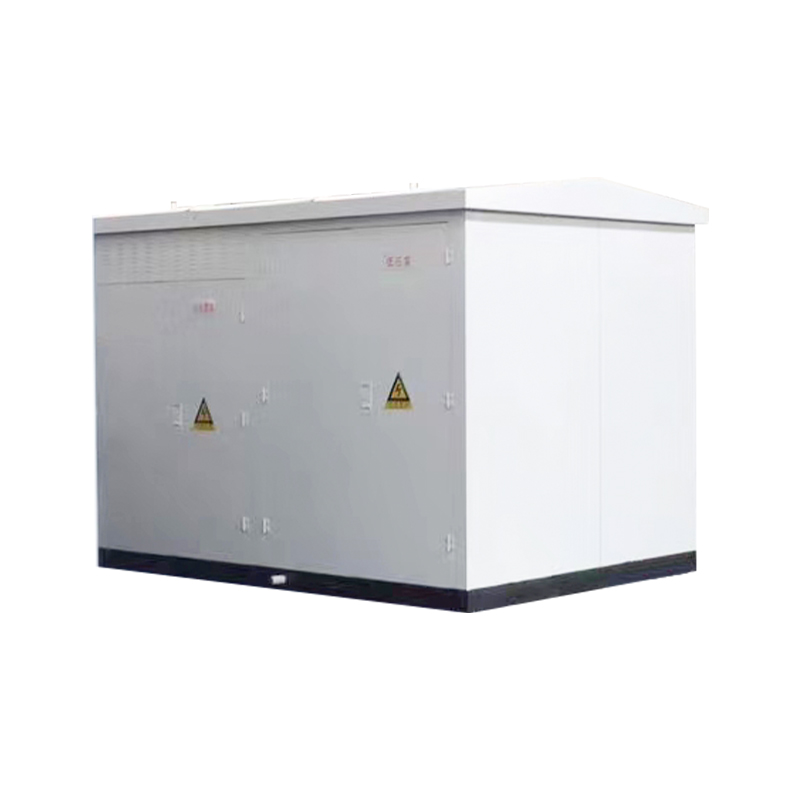
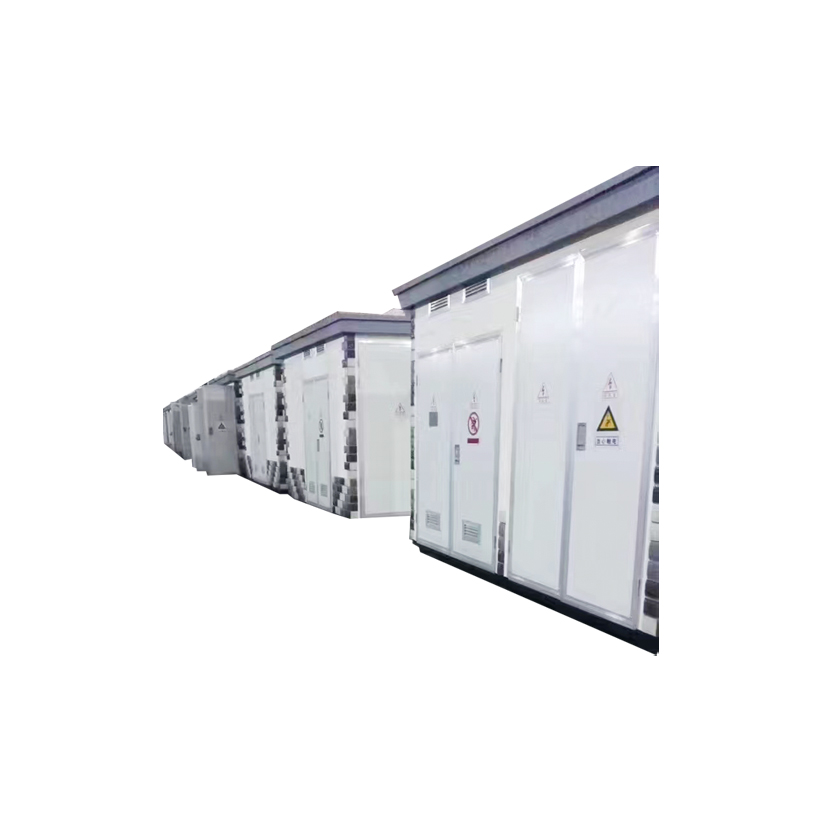
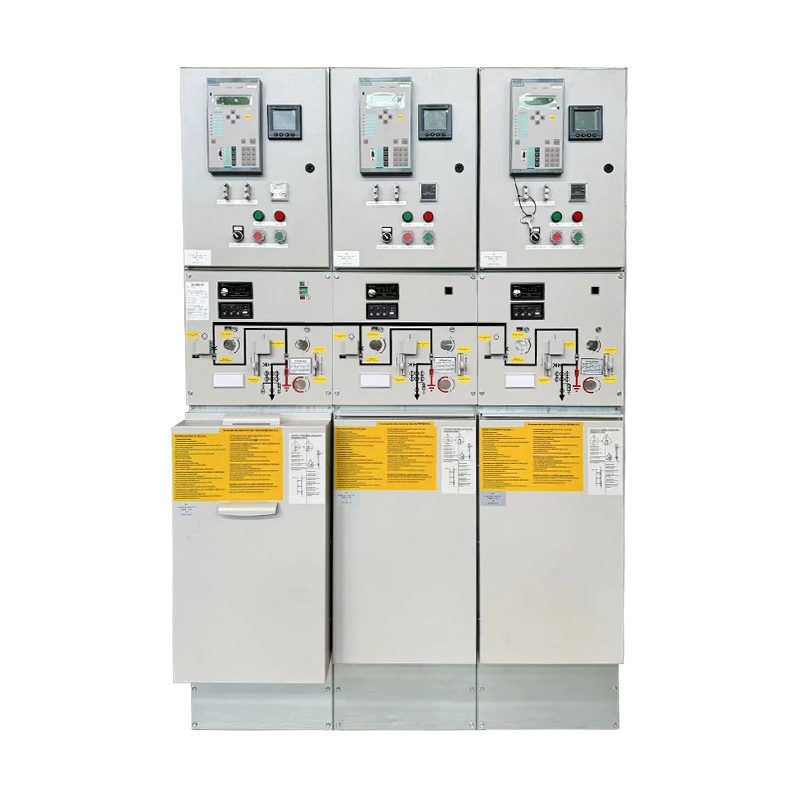
A Cabinet-Type Outdoor Prefabricated Substation, which is a compact, all-in-one electrical distribution solution designed for outdoor installation. Th...
See Details
Copyright © Jiangsu Dingxin Electric Co., Ltd. Rights Reserved.

Energy Efficient Transformers Manufacturers Electrical Transformers Factory
Contact Us