 English
 русский
 Español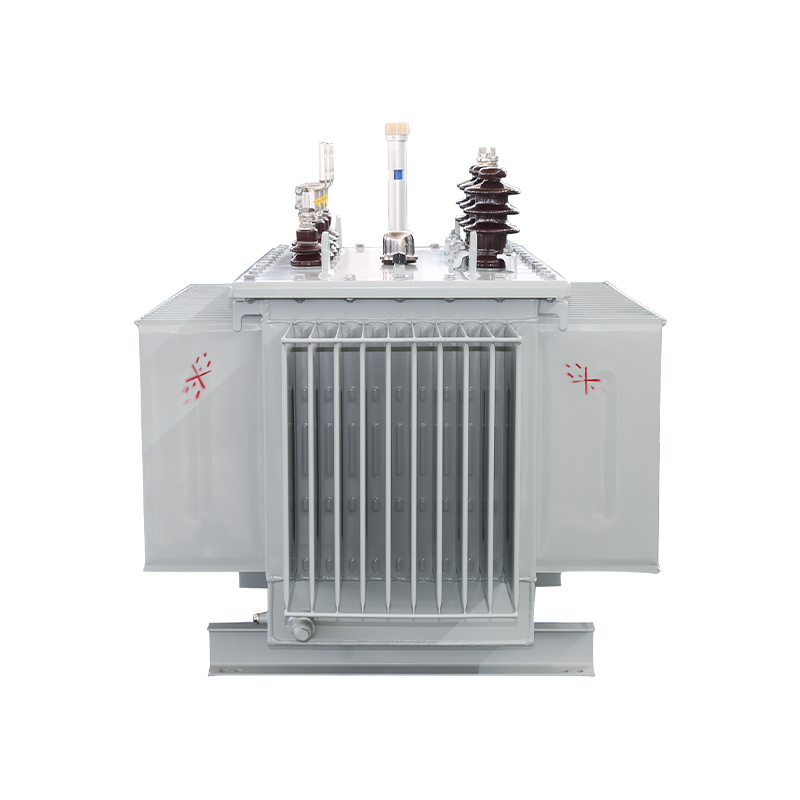
Amorphous Alloy Oil-Immersed Three-Phase Transformer
200KVA 10KV
See Details
Content
Loss-based bidding represents a fundamental shift in how utilities and large-scale energy consumers procure electrical equipment, particularly transformers and distribution infrastructure. By incorporating energy loss costs over the equipment's entire operational life—typically 25-40 years—into the initial purchase decision, organizations can reduce their total lifetime energy expenditures by 15-30% compared to traditional lowest-price bidding methods. This approach evaluates not just the upfront capital cost, but calculates the present value of energy losses that will occur throughout the equipment's service life, fundamentally changing procurement economics.
Traditional procurement focuses exclusively on purchase price, creating a false economy. A transformer that costs $50,000 might consume $150,000-$200,000 in energy losses over its operational lifetime. Loss-based bidding calculates total ownership cost using a formula that combines initial cost with the capitalized value of no-load and load losses.
The evaluation formula typically follows this structure:
Total Evaluated Cost = Purchase Price + (A × No-Load Losses) + (B × Load Losses)
Where A and B represent capitalization factors—dollars assigned to each watt of loss. These factors vary by utility and location but commonly range from $3,000-$8,000 per kilowatt for no-load losses and $500-$2,000 per kilowatt for load losses. The disparity reflects that no-load losses occur continuously while load losses vary with utilization.
| Loss Type | Annual Hours | Capitalization Factor Range | 30-Year Cost Impact (per kW) |
|---|---|---|---|
| No-Load Losses | 8,760 | $3,000-$8,000 | $26,000-$70,000 |
| Load Losses | 2,000-4,000 (avg) | $500-$2,000 | $6,000-$24,000 |
When manufacturers know their equipment will be evaluated on total cost rather than purchase price alone, they invest in more efficient designs. A case study from a Midwest utility demonstrated this clearly: switching to loss-based bidding resulted in transformer submissions with average no-load losses 35% lower and load losses 22% lower than previous procurements, despite initial costs increasing only 12-15%.
Loss-based economics change optimal sizing decisions. Organizations discover that:
A commercial facility implementing loss-based sizing for a 2,000 kVA installation found that specifying a 2,500 kVA high-efficiency transformer added $8,000 to upfront costs but saved $47,000 in energy losses over 25 years at a 6% discount rate.
The cumulative effect across multiple installations creates substantial savings. A utility managing 50,000 distribution transformers reported that five years of loss-based procurement reduced annual system losses by 85 million kWh, equivalent to powering 7,800 homes and avoiding $8.5 million in annual energy costs.
Establishing appropriate capitalization factors requires analyzing several organizational parameters:
For an organization with $0.09/kWh energy costs, 3% annual escalation, 6% discount rate, and 30-year horizon:
These factors mean that reducing no-load losses by just 1 kW provides equivalent value to reducing purchase price by $12,000.
A municipal utility serving 140,000 customers implemented loss-based bidding in 2018 with dramatic results:
A manufacturing facility with 15 MVA of transformer capacity switched from low-bid to loss-based procurement for a major upgrade. Results over five years:
| Metric | Low-Bid Approach | Loss-Based Approach | Improvement |
|---|---|---|---|
| Initial Cost | $420,000 | $475,000 | -$55,000 |
| Annual Energy Loss Cost | $67,000 | $48,000 | $19,000 saved |
| 25-Year Total Cost | $1,095,000 | $795,000 | $300,000 saved (27%) |
| Payback Period | N/A | 2.9 years | N/A |
Successful loss-based procurement requires transparent specification documents that clearly state:
Energy markets change, making regular review essential. Organizations should recalculate capitalization factors every 2-3 years or when significant changes occur in energy prices, escalation expectations, or organizational discount rates. A factor calculation that was appropriate in 2020 may significantly under or overvalue losses by 2025 due to market shifts.
Initially, some manufacturers may not fully understand loss-based evaluation. Providing educational sessions and maintaining consistent application across multiple bid cycles allows suppliers to optimize their offerings. Utilities report that by the third or fourth loss-based procurement cycle, they see 20-30% more competitive bids as manufacturers develop appropriate product lines.
The primary obstacle to loss-based bidding is higher upfront capital requirements. Organizations overcome this through:
Procurement departments accustomed to low-bid selection may resist change. Successful transitions involve demonstrating concrete examples with net present value calculations, securing executive sponsorship, and potentially piloting the approach on smaller projects before full-scale implementation. Tracking and publicizing early wins builds organizational momentum.
Energy prices and escalation rates involve uncertainty. Many organizations address this through sensitivity analysis, calculating total ownership costs under multiple scenarios (conservative, moderate, aggressive escalation). Equipment that proves economical across all scenarios represents the safest choice. Even with conservative assumptions showing only 2% annual escalation and 8% discount rates, loss-based bidding typically delivers 12-18% lifetime savings.
While most commonly applied to transformer procurement, loss-based evaluation extends to other electrical equipment:
A comprehensive facility approach applying loss-based principles to all major electrical systems can achieve total energy cost reductions of 20-35% compared to traditional lowest-initial-cost procurement.
Validating that loss-based procurement delivers projected savings requires systematic measurement:
Specifying factory or field testing ensures delivered equipment meets guaranteed loss levels. Standard tests measure no-load losses at rated voltage and load losses at rated current and temperature. Incorporating penalty clauses for equipment exceeding specified losses by more than 5-10% maintains manufacturer accountability.
Modern monitoring systems allow tracking actual energy consumption and losses at the equipment level. Comparing measured performance against projections validates procurement decisions and refines future capitalization factors. Advanced utilities employ distribution management systems that continuously calculate system losses and identify optimization opportunities.
Maintaining separate accounts for loss-based procurement programs enables calculating actual return on investment. One utility tracking 10 years of implementation found that realized savings exceeded projections by 7% on average, primarily due to energy cost escalation exceeding initial conservative estimates.
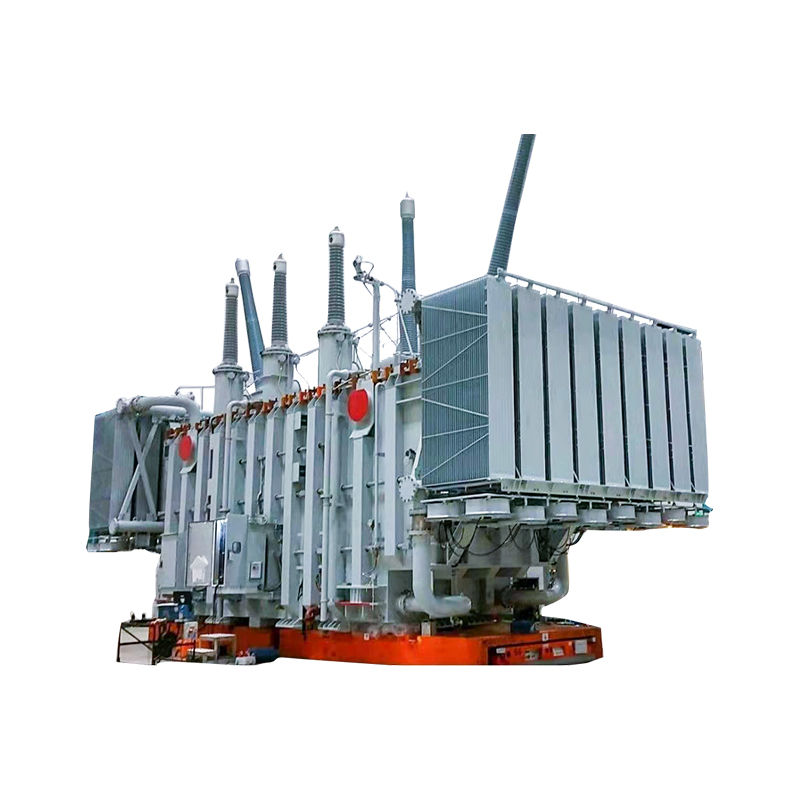
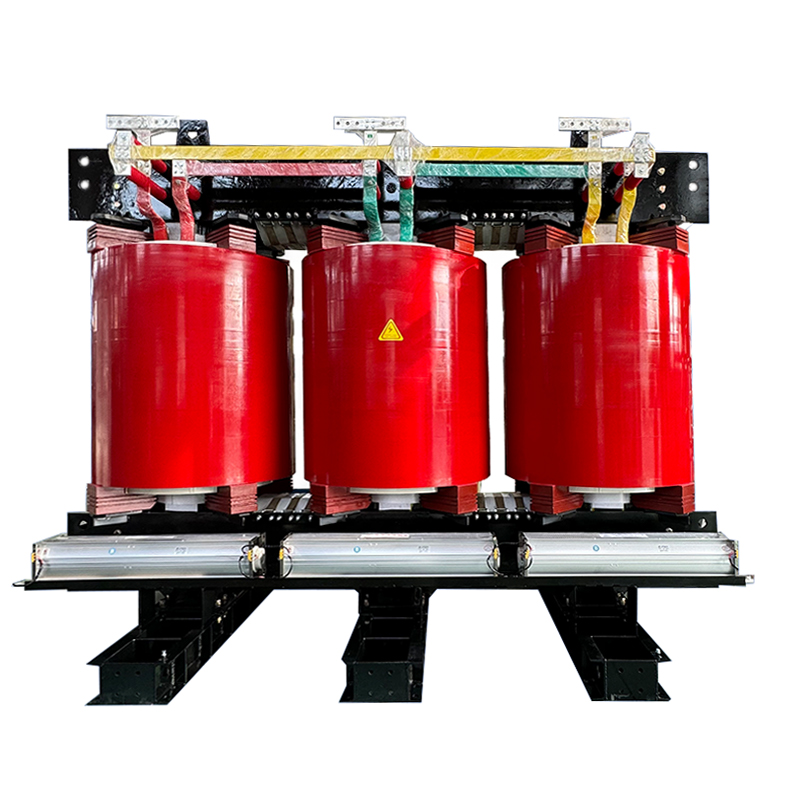
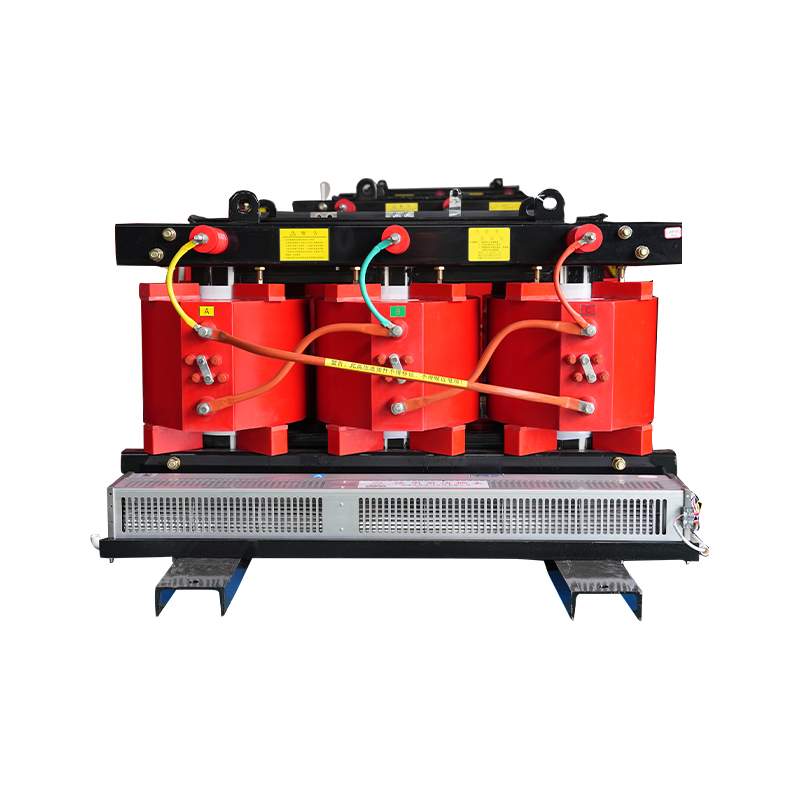
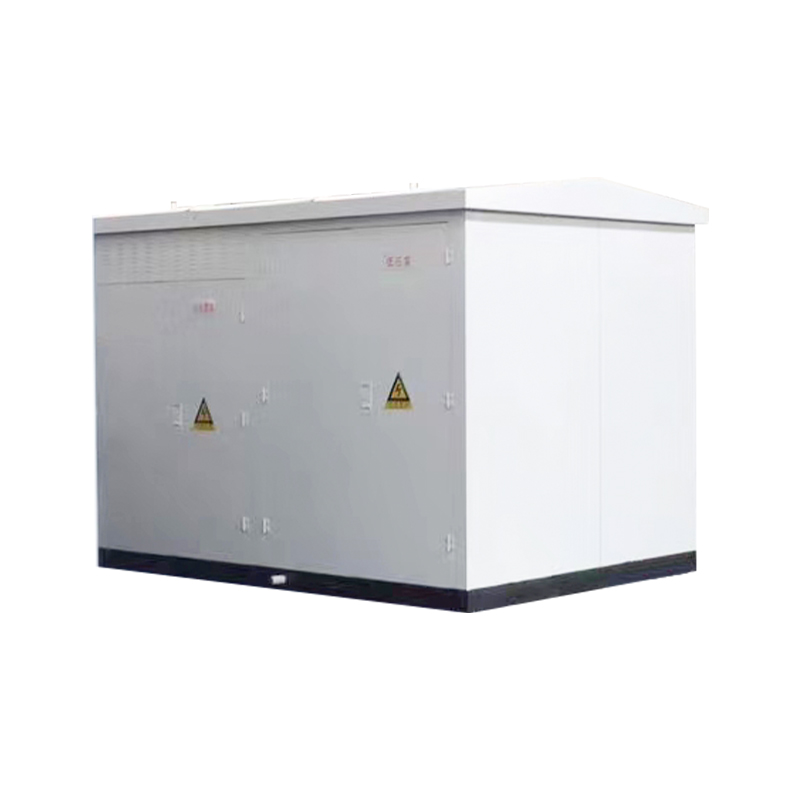
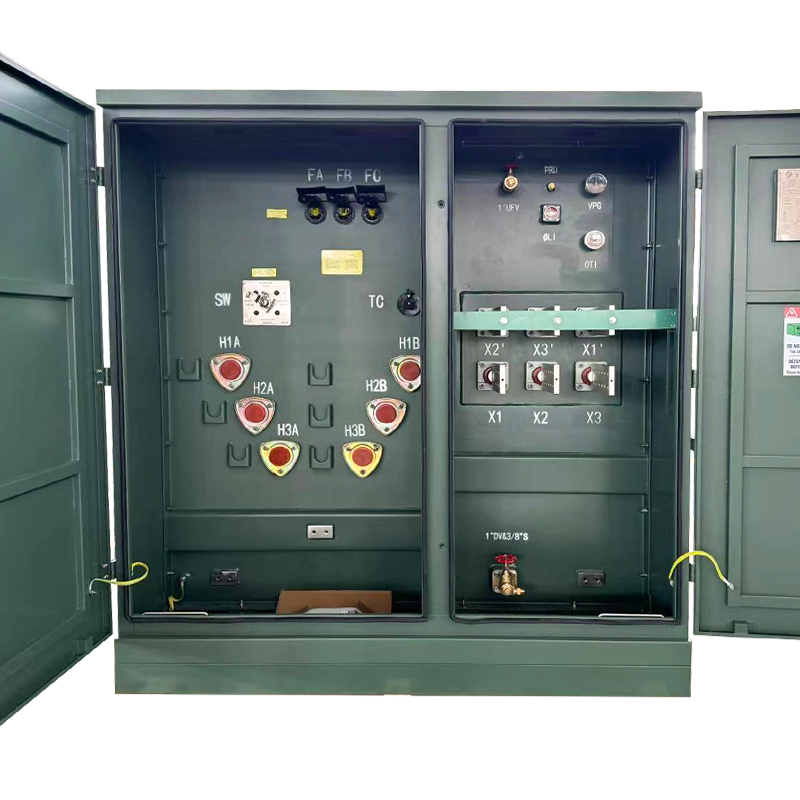
Base kVA: 45 kVA to 12,000 kVA Primary voltage: 2400 V to 46,000 V Secondary voltage: 120 V to 24,940V Basic lmpulse Level (BIL): 30kV to 250kV
See Details
Copyright © Jiangsu Dingxin Electric Co., Ltd. Rights Reserved.

Energy Efficient Transformers Manufacturers Electrical Transformers Factory
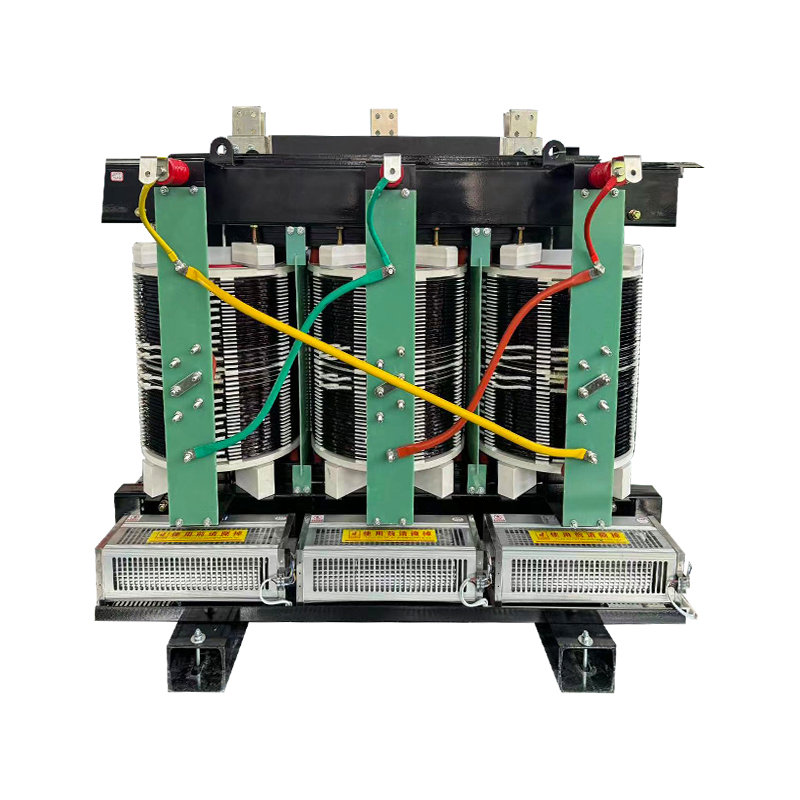
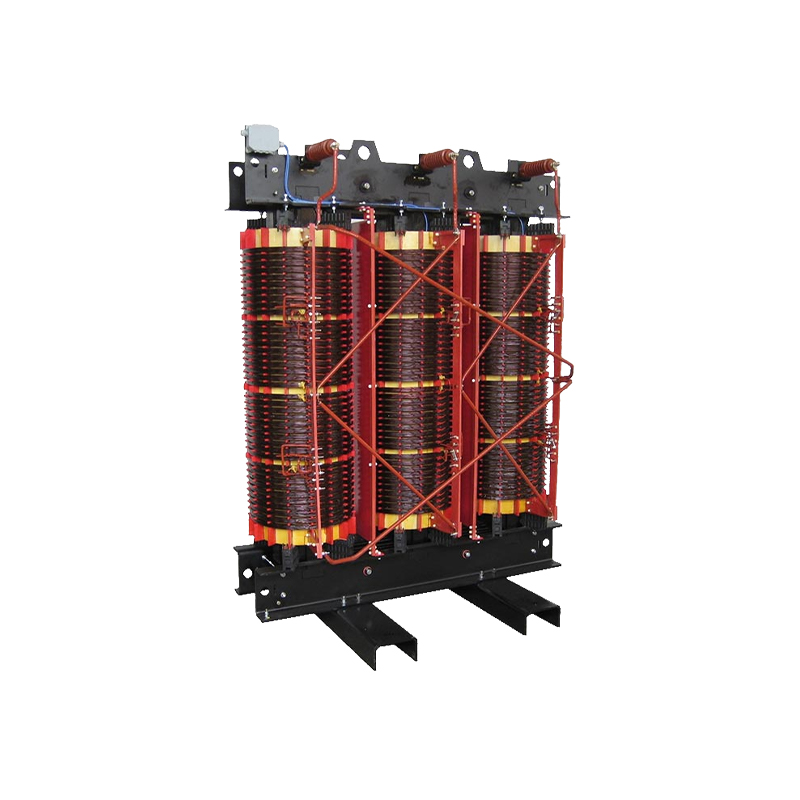
Contact Us