 English
 русский
 Español
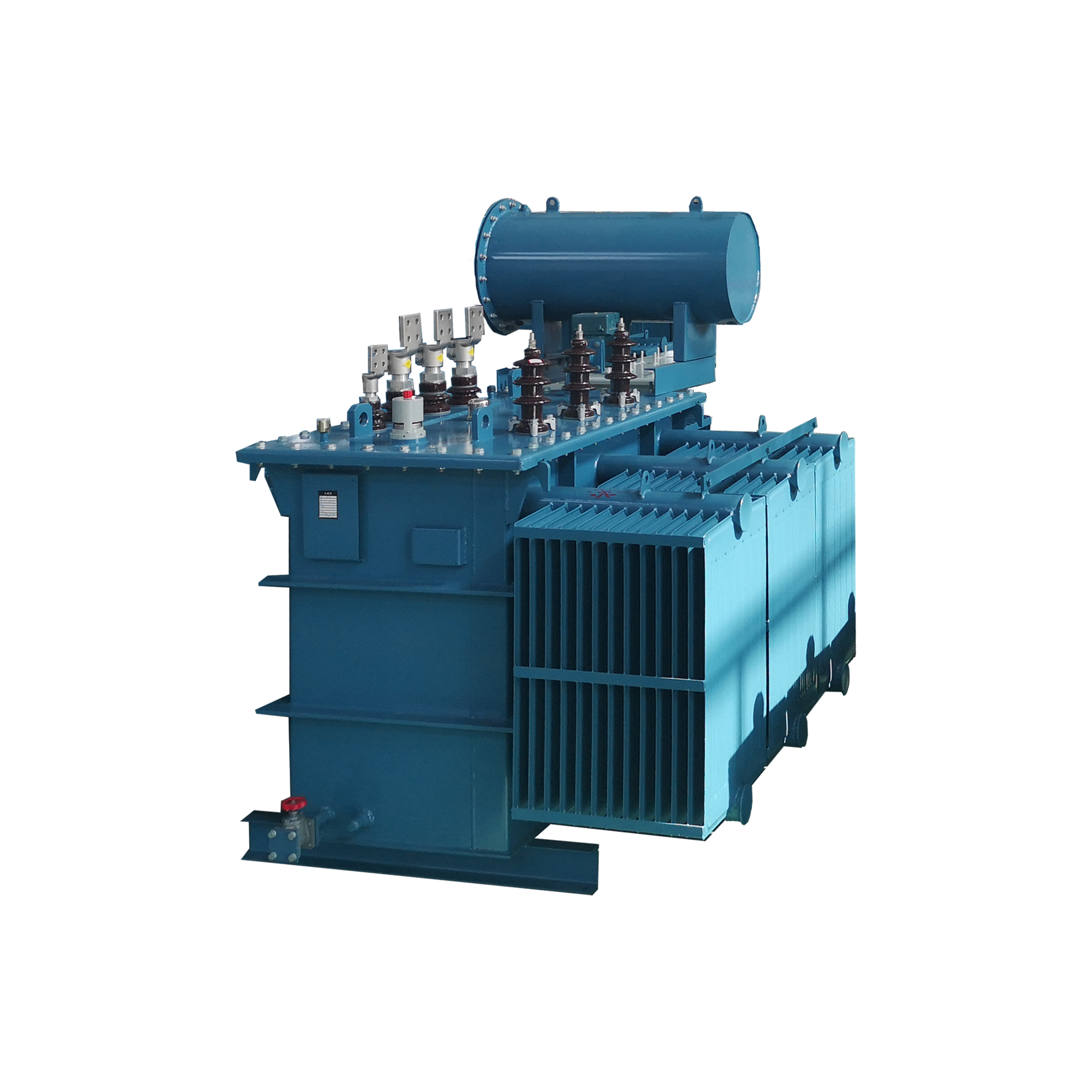
50KVA Single-Phase Pole-Mounted Oil-Immersed Transformer
50KVA 34.5KV/0.48KV
See Details
Content
Most high voltage failures announce themselves months ahead. Acetylene shows up in transformer oil well before the insulation breaks down. A bushing's dissipation factor drifts upward across two test cycles before it flashes over. A switchgear joint runs hot through several load peaks before it arcs. The job of monitoring is to catch those signals while the fix is still a planned, budgeted work order rather than a forced outage on critical load with a year-long replacement wait behind it.
The principle that separates useful programs from dashboard decoration is simple: every monitored parameter needs a threshold and a documented response. This guide covers how to prioritize assets, which parameters carry real diagnostic weight on 35 kV to 220 kV class transformers and switchgear, how to set alarm levels, and how to phase the rollout without drowning your operations team in noise.
Conclusion first: not every asset deserves continuous instrumentation, and spreading sensors thinly across an entire fleet is the fastest way to waste the budget. Rank by the consequence of failure and fund the top of the list. Three questions sort most fleets quickly:
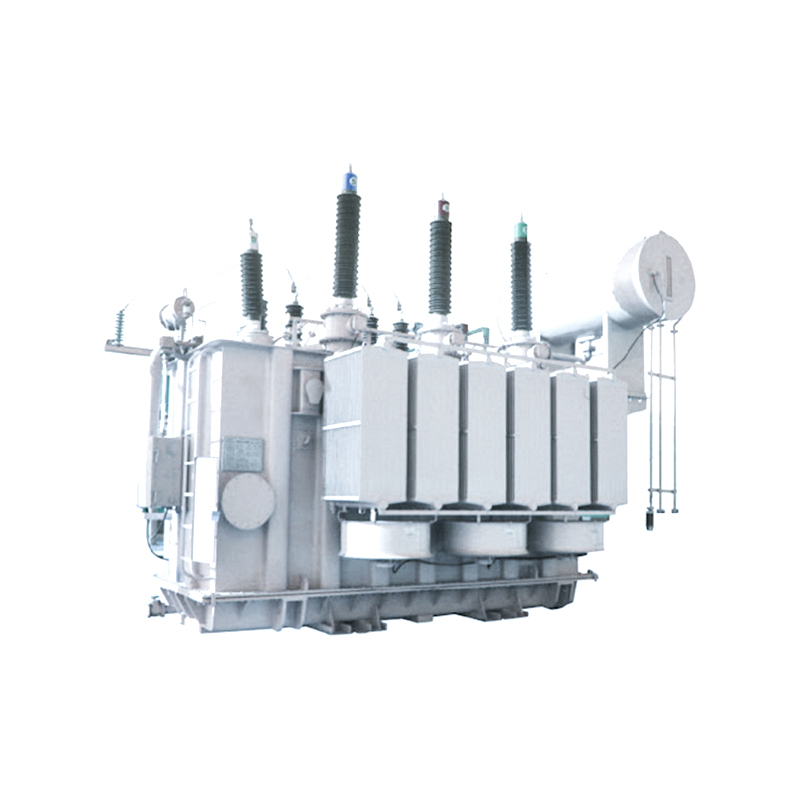
The ranking usually puts a small set of units at the top. A 100 MVA 220 kV low-loss power transformer serving a grid substation is the textbook first candidate: high consequence, long replacement lead time, and mature diagnostic methods. At the mid-voltage tier, 35 kV oil-immersed transformers feeding continuous process loads justify monitoring because a single trip can idle a whole production line. Distribution-class pole-mounted units typically warrant scheduled inspection and oil sampling rather than continuous monitors, since unit costs are lower and spare availability is better.
Four parameter groups cover most of the diagnostic value:
Switchgear failures concentrate in connections and insulation surfaces, so the monitoring mix shifts accordingly:
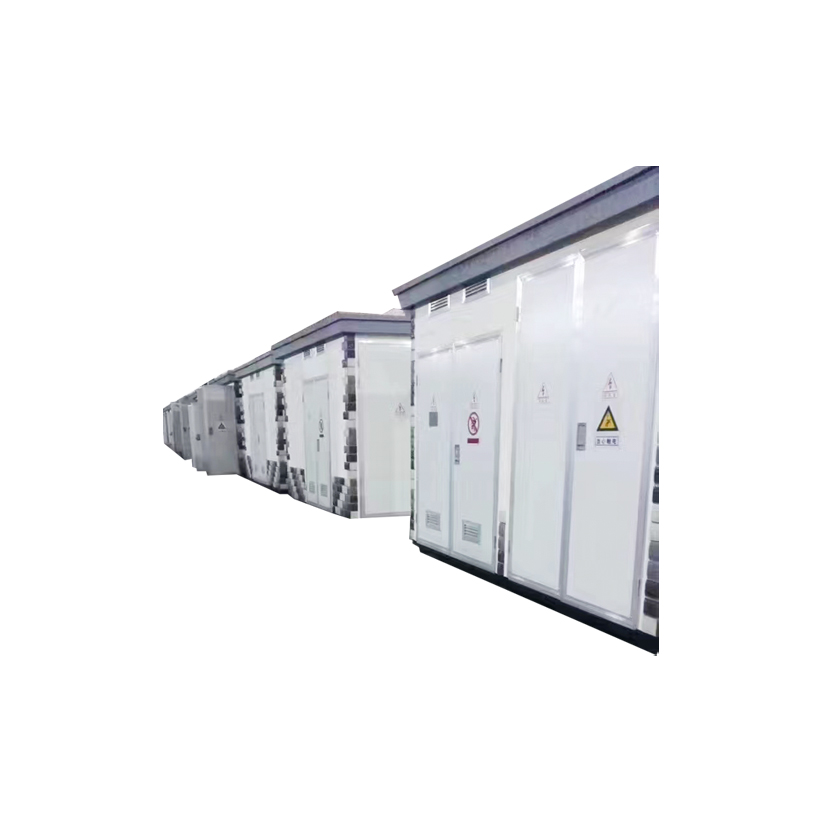
One procurement note: monitoring provisions are cheapest to specify while the lineup is still on the drawing board. When tendering for a metal-enclosed high voltage switch cabinet, ask the manufacturer for panel layouts that leave room for PD sensors and infrared windows, and for wiring that brings sensor signals to an accessible terminal strip.
| Asset | Primary parameters | What the data reveals | Typical method and cadence |
|---|---|---|---|
| Oil-filled power transformer | DGA gases; top-oil and hot-spot temperatures; oil quality | Developing thermal faults, PD or arcing; thermal aging; moisture ingress | Lab DGA every 3 to 6 months; online multi-gas and temperature monitors for critical units |
| Bushings | Capacitance; dissipation factor | Insulation degradation ahead of flashover | Offline tests during outages; online monitoring on the most critical units |
| Load tap changer | Operation counts; contact condition | Contact wear and mechanism drift | Review counters monthly; inspect at set operation intervals |
| Metal-enclosed switchgear | Partial discharge; joint temperatures; breaker operations | Insulation defects; loose connections; mechanism wear | Quarterly PD and infrared surveys; continuous sensing on critical lineups |
Three maintenance strategies are on the table: reactive (run to failure), preventive (fixed calendar or operation intervals) and condition-based (act when measured condition crosses a threshold). For high voltage assets, condition-based monitoring wins, and the reasons are structural rather than fashionable.
Run-to-failure is only rational where failure is cheap and harmless, which describes almost nothing at 35 kV and above. Fixed-interval maintenance has the opposite flaw: it ignores actual condition. A fault that develops the week after a scheduled oil sample keeps growing until the next one, and a healthy unit still gets opened, inspected and resealed because the calendar says so, even though every intrusive intervention carries its own risk of human error.
Condition-based monitoring matches the physics. The dominant failure modes of transformers and switchgear develop progressively and leave measurable signatures: gas generation, PD activity, temperature rise. Frameworks such as the IEC 63097 smart energy roadmap formalize exactly this model, with continuous condition data feeding asset management decisions. The discipline to plan for is procedural rather than technical: a condition-based program without written responses drifts back into reactive maintenance with extra sensors attached. If you start with one technique, start with DGA; our dissolved gas analysis testing guide walks through sampling practice, fault-gas patterns and interpretation.
Decide what each parameter means before data starts arriving, or the program will generate arguments instead of decisions. Two tiers are usually enough: a warning level that triggers increased sampling and investigation, and an action level that triggers planned de-energization or load transfer.
Two habits keep thresholds workable. First, rate of change often matters more than the absolute value: a steadily rising hydrogen trend at a moderate concentration can be more urgent than a stable reading slightly above a generic limit. Second, tailor limits to the asset instead of copying a generic table. For a large power transformer, even a few ppm of acetylene in oil is a genuine finding, because acetylene points to arcing or very localized high temperatures. For top-oil temperature, alarm settings in the 85 to 95 °C range are common practice, adjusted to the unit's design and loading pattern.
Finally, give every alarm an owner and a written response: who gets notified, what gets checked within 24 hours, and what escalates to an outage decision. Programs that send alarms into an unattended shared inbox train everyone to ignore alarms.
Build the program as a sequence rather than a big-bang project:
One more point belongs in the procurement phase, because retrofitting is where budgets bleed. Monitoring readiness is cheap to specify at purchase and expensive to add later: accessible oil sampling valves, bushing test taps, winding temperature indicators, mounting space and wiring for sensors, and open communication protocols such as IEC 61850 or Modbus so the data reaches your existing SCADA instead of a proprietary silo. Ask bidders to price these as line items. A supplier that builds the transformer, the switchgear and the prefabricated substation as a matched set, as Jiangsu Dingxin Electric does across its 35 kV to 220 kV ranges, can integrate those provisions at the factory rather than leave them to site improvisation.
The economics close the argument. Monitoring hardware and routine testing on a critical transformer or switchgear lineup cost a small fraction of a single forced outage: one emergency repair, one oil processing campaign, or one year-long wait for a replacement power transformer. Start with the consequence ranking, put DGA and thermography on the top tier, wire every alarm to a named response, and expand from the units that have earned the sensors. That is the whole playbook, and it works at any fleet size.
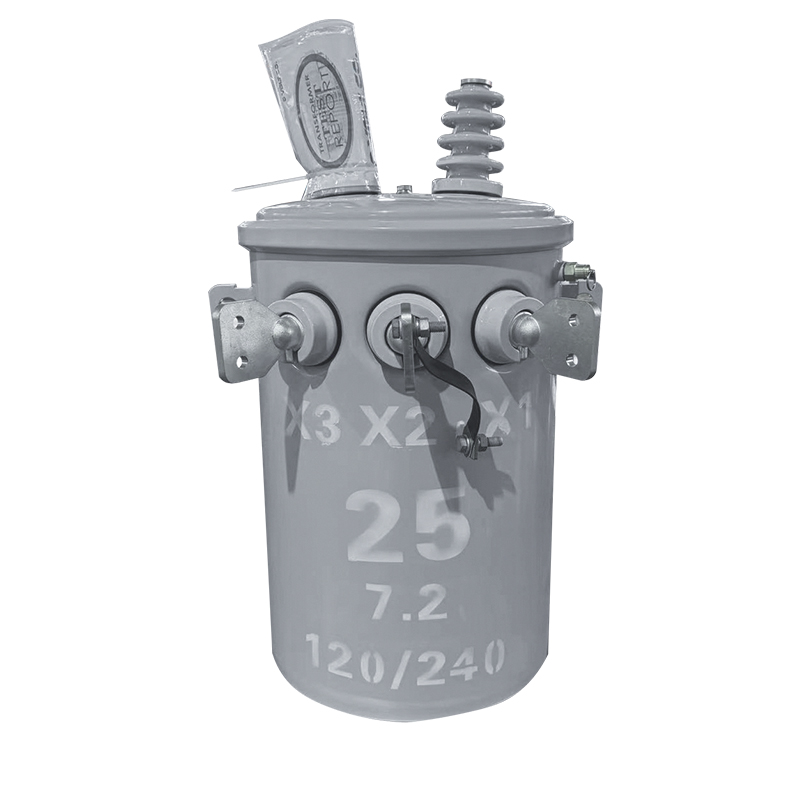
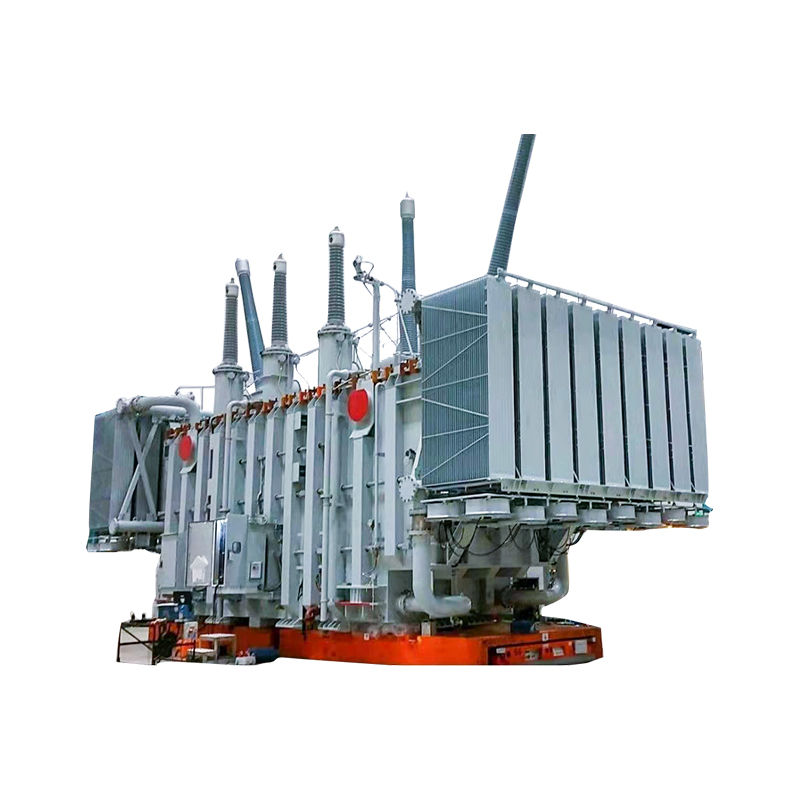
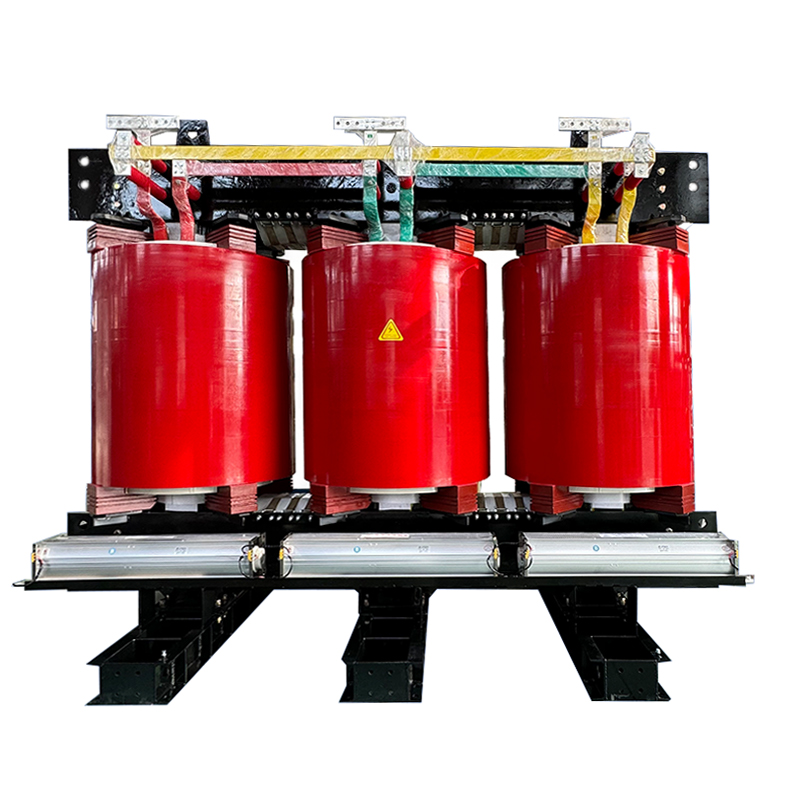
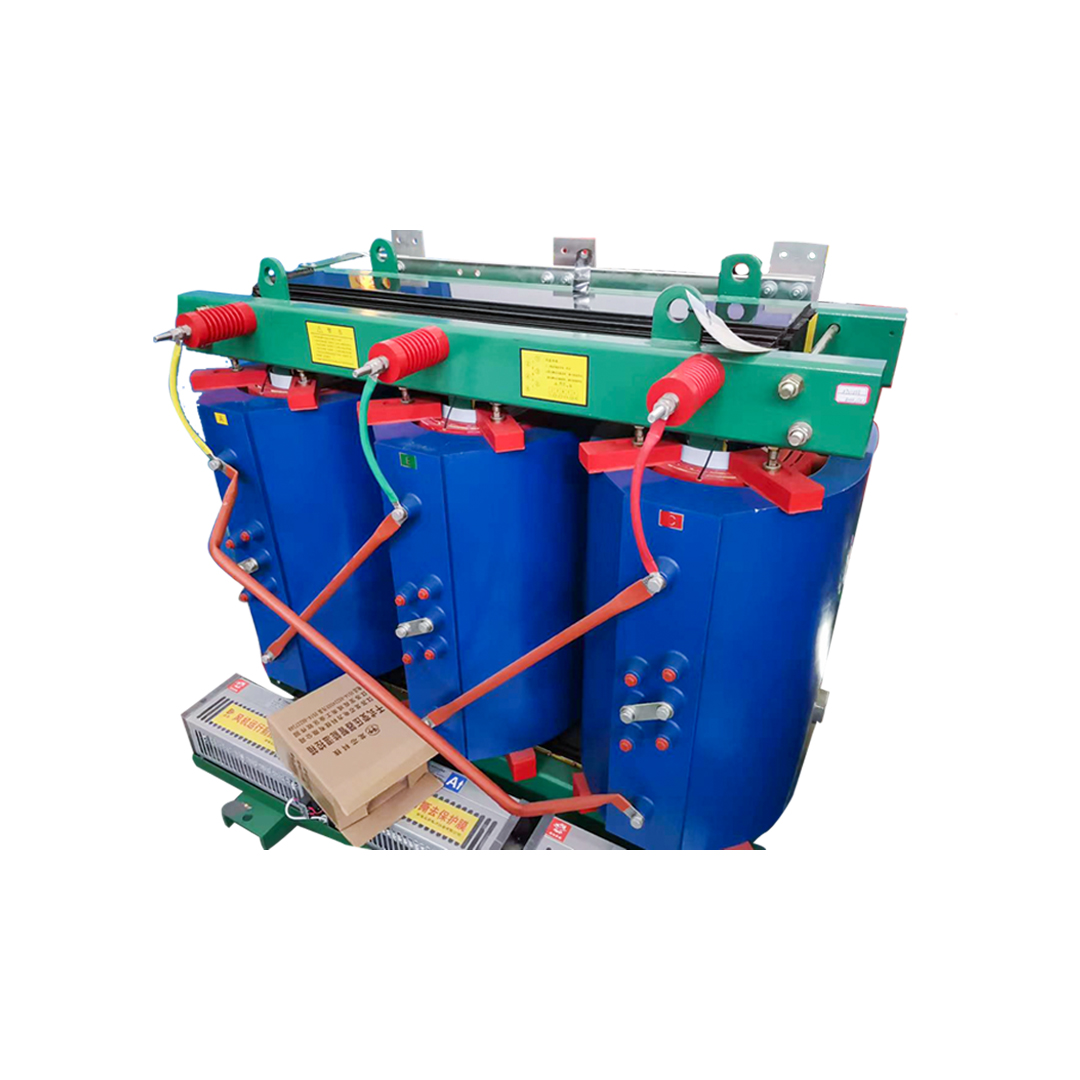
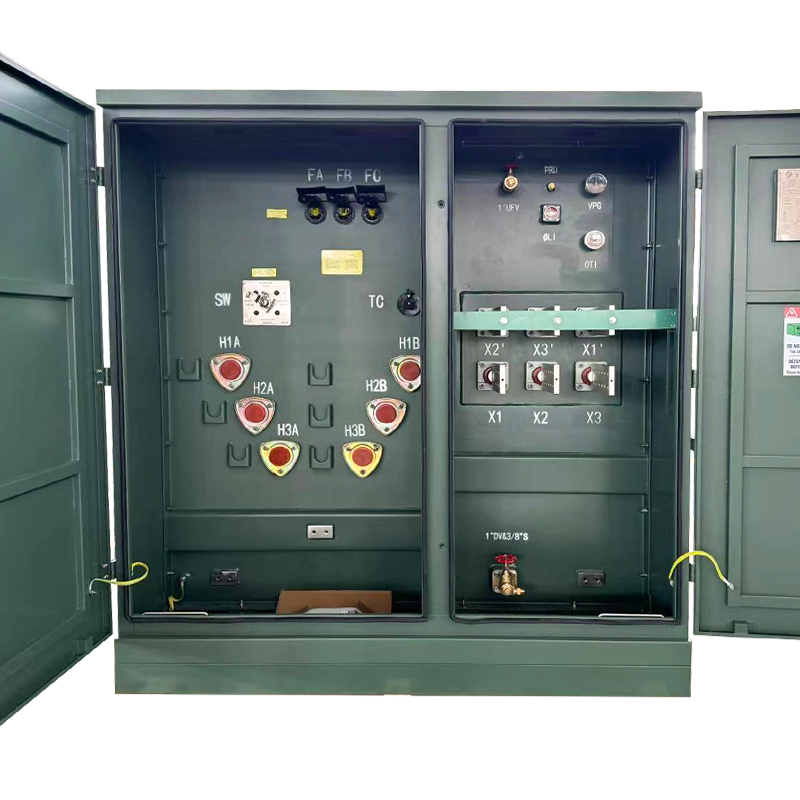
Base kVA: 45 kVA to 12,000 kVA Primary voltage: 2400 V to 46,000 V Secondary voltage: 120 V to 24,940V Basic lmpulse Level (BIL): 30kV to 250kV
See Details
Copyright © Jiangsu Dingxin Electric Co., Ltd. Rights Reserved.

Energy Efficient Transformers Manufacturers Electrical Transformers Factory
Contact Us