 English
 русский
 Español
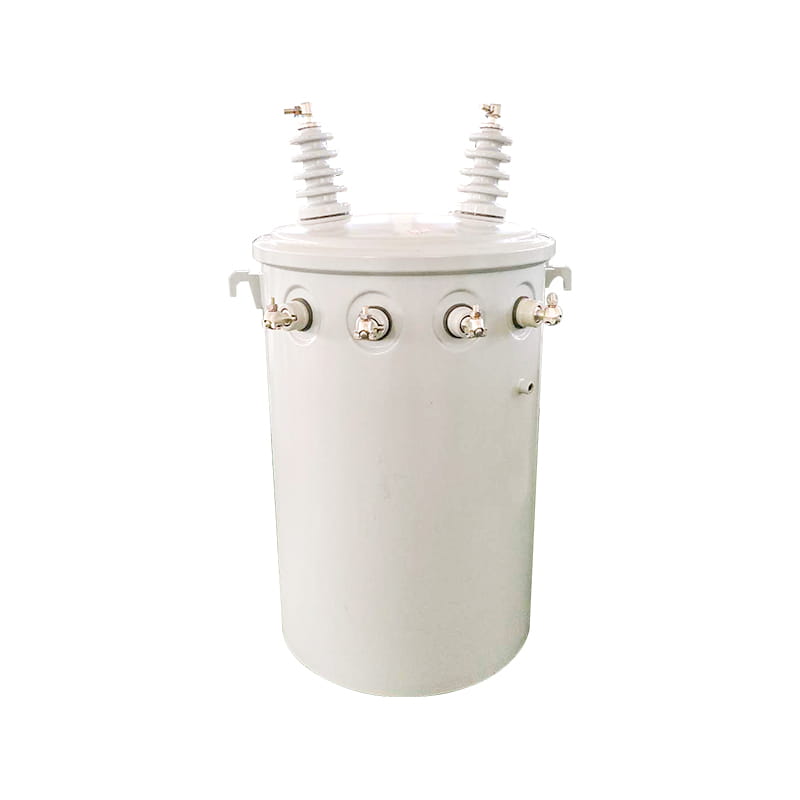
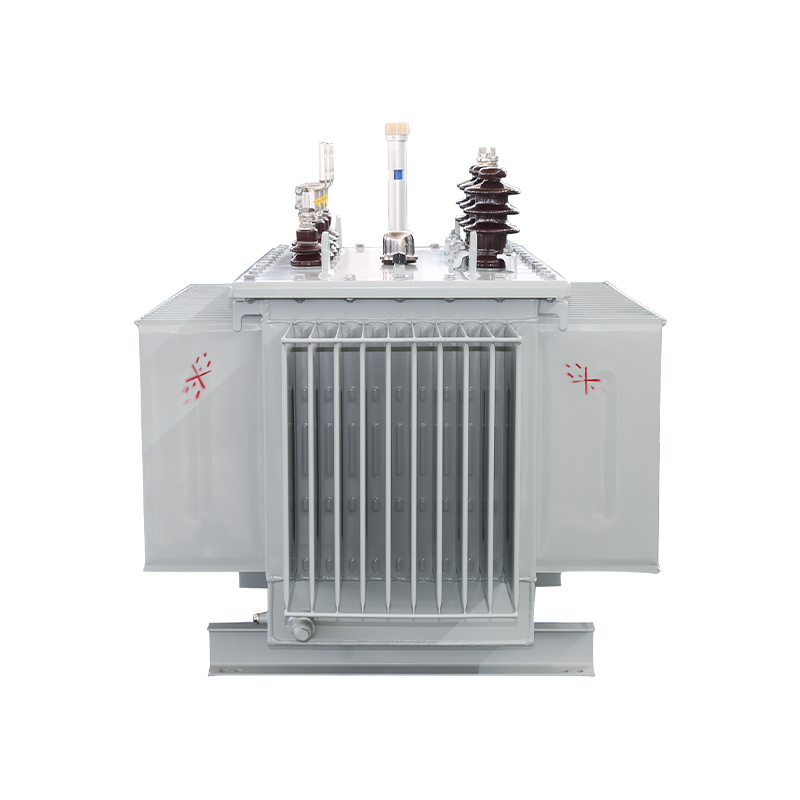
Energy-Saving Single-Phase Oil-Immersed Pole-Mounted Transformer
15KVA 13.8KV/0.4KV
See Details
Content
The distribution transformer you specify this year will still be energized in 2055. Even when no customer draws a single watt, its core consumes power around the clock: a 630 kVA unit with 400 watts of no-load loss wastes roughly 105,000 kWh over thirty years before it serves any useful load. Multiplied across a distribution network of thousands of units, that idle consumption is why sustainability for the transformer industry is decided at the order stage — through core material, insulation system, and guaranteed losses — rather than in a marketing brochure.
In practice, the industry's sustainability agenda concentrates on three fronts: cutting lifetime energy losses through better magnetic materials and lower-loss design; replacing materials that complicate recycling or threaten soil and water, from insulating fluids to enclosures; and documenting compliance with efficiency regulations that now set hard loss ceilings in the EU, the US, and China. Each front translates into specifications a buyer can demand from a manufacturer, and those specifications are what the rest of this article covers.
A transformer's environmental footprint is mostly an energy story, and that story has two parts. No-load losses occur in the core whenever the unit is energized, regardless of demand. Load losses rise with the square of the current through the windings. Because distribution transformers spend most of their lives lightly loaded, no-load losses typically dominate lifetime energy waste, which is why efficiency regulators target them first.
The single biggest lever on no-load losses is the core material. Amorphous alloy ribbon is solidified so quickly during production that its atoms freeze in a disordered structure, which drastically reduces hysteresis loss. Compared with conventional grain-oriented silicon steel, amorphous cores cut no-load losses by roughly 60 to 80 percent. The trade-offs are real: a larger core cross-section, more brittleness, and a higher purchase price. That is precisely why total-cost-of-ownership evaluation should drive the decision instead of unit price, because capitalized energy savings over a 25-year service life routinely exceed the premium. For the technical background, this guide to amorphous and nanocrystalline core materials in energy-saving transformers explains how the alloys perform in practice.
Load losses are handled through winding design and conductor selection, and both copper and aluminum windings recycle fully at end of life. Loss-capitalization bidding — assigning a monetary value per kilowatt of guaranteed loss — has become standard practice among utilities that treat sustainability as a procurement issue rather than a slogan.
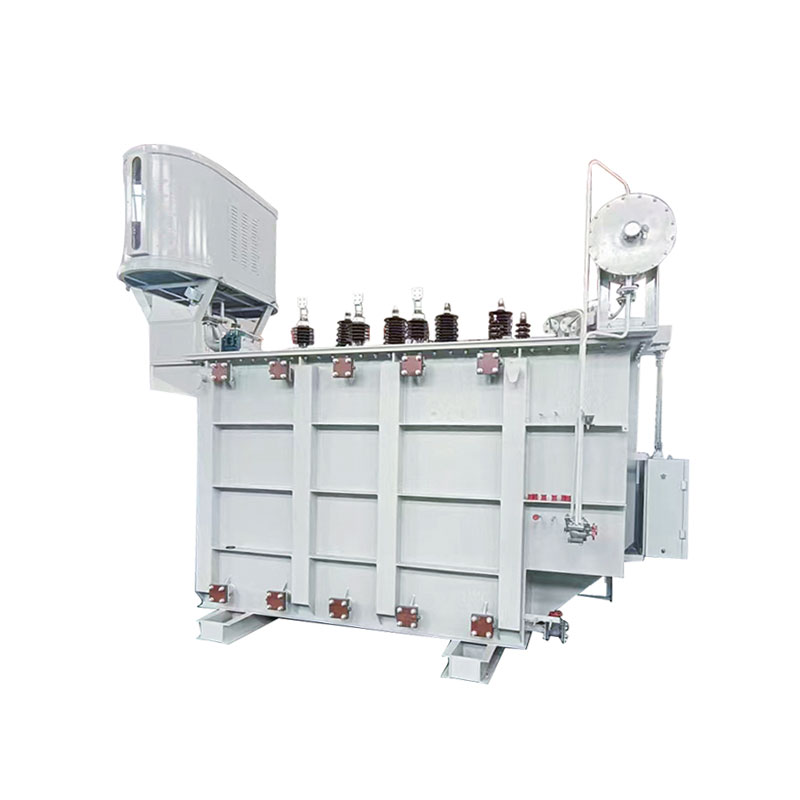
Oil-immersed transformers deliver strong thermal performance and long service life, but mineral oil carries leakage and fire-risk considerations. Newer ester-based fluids, natural and synthetic, raise the fire point above 300 degrees Celsius, biodegrade far faster than mineral oil, and allow installation closer to buildings and environmentally sensitive sites. They cost more, so they earn their place first in urban and high-consequence locations.
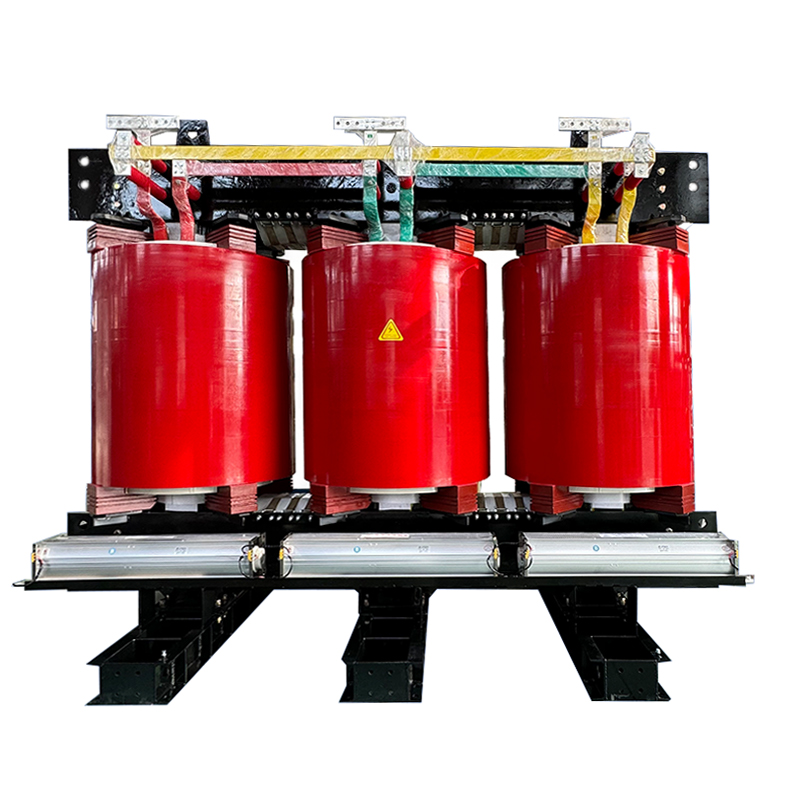
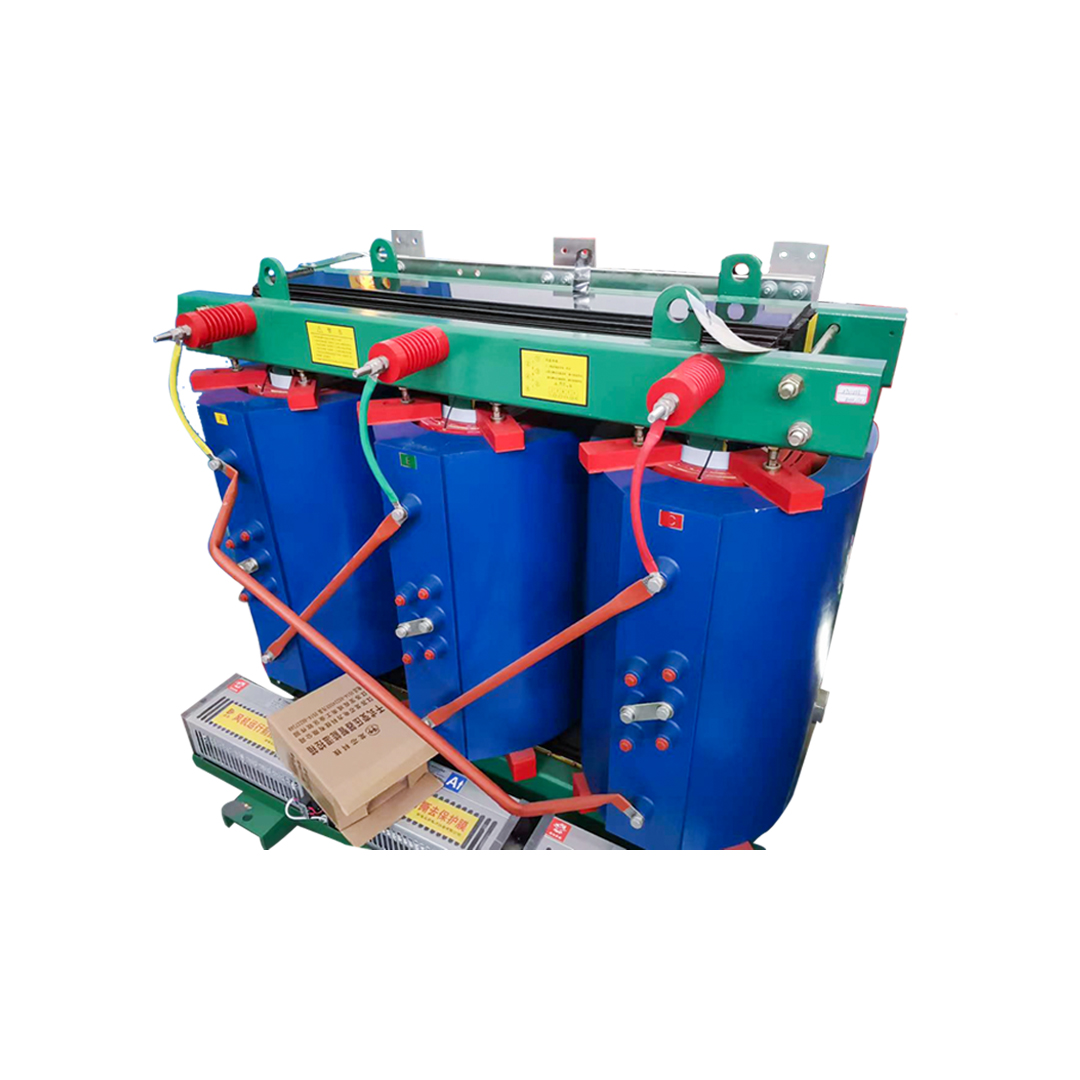
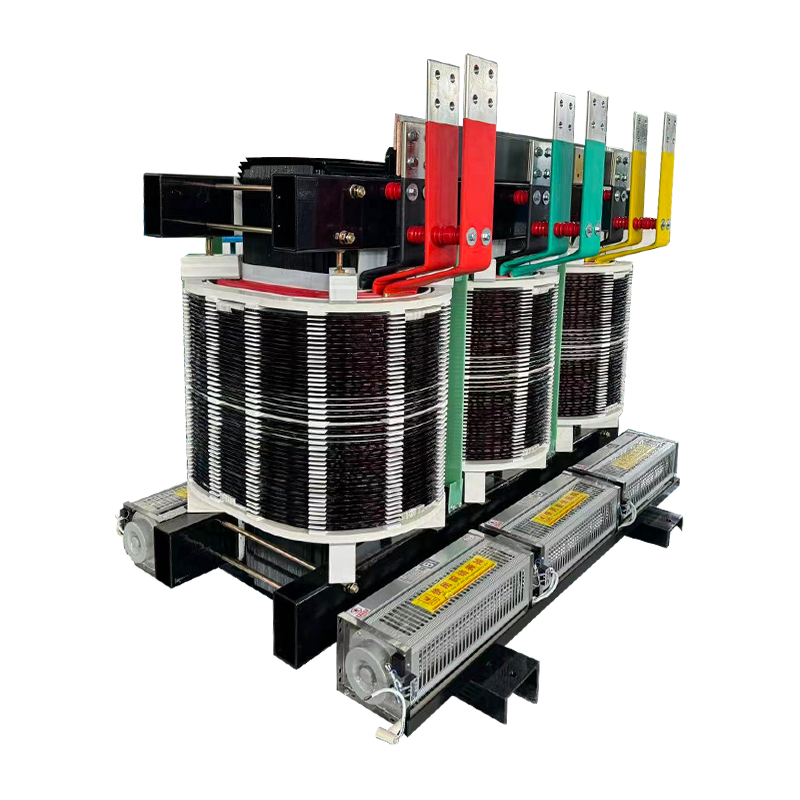
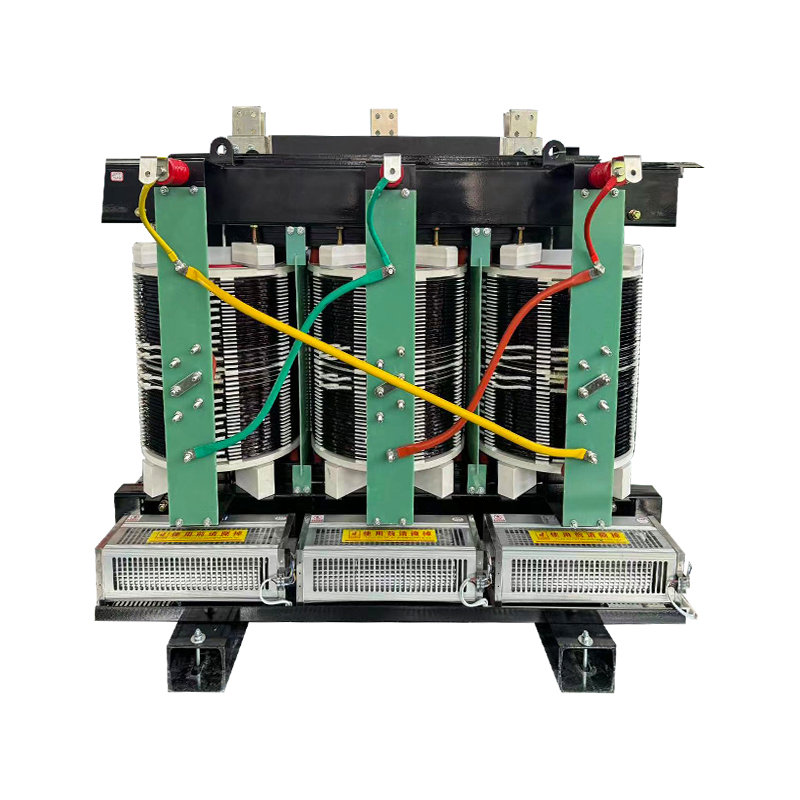
Dry-type construction removes the fluid question entirely. Epoxy cast-resin units are flame-retardant and self-extinguishing, need minimal upkeep, and sit safely inside buildings and compact urban substations where oil containment would be impractical. Insulation class matters as much as construction: H-class systems rated to 180 degrees Celsius enable compact, efficient designs, and non-encapsulated windings rely on advanced polymer-based insulation to pair environmental safety with electrical performance.
Sustainability also lives in the housing. Stainless steel enclosures, in common grades such as 201 and 304, extend outdoor service life in coastal and corrosive atmospheres while remaining fully recyclable. The same separation logic should guide the whole assembly: equipment designed so copper, steel, and core materials can be separated at retirement recovers value; monolithic designs do not.
Efficiency regulation has turned sustainability from aspiration into an acceptance criterion. In the European Union, Ecodesign Regulation (EU) 548/2014 set Tier 1 loss limits in 2015 and tightened them with Tier 2 from 1 July 2021, cutting maximum no-load and load losses across power and distribution classes. In the United States, Department of Energy efficiency standards for distribution transformers took effect in 2016. China's GB 20052-2020 introduced a three-grade energy-efficiency system that progressively removes the weakest designs from the market. If equipment crosses borders, specifying the strictest applicable tier avoids re-engineering for each market.
Paperwork matters as much as the numbers. Guaranteed losses should appear on type and routine test reports referenced to the IEC 60076 series, so efficiency claims can be verified at factory acceptance rather than taken on trust. Substance and end-of-life rules, such as the WEEE framework in Europe, increasingly shape which materials are acceptable in the first place.
Factory practice sets the embedded footprint before the transformer is ever energized. Environmental management systems certified to ISO 14001 govern the handling of waste oil, solvents, and scrap, along with the energy intensity of core annealing and winding operations. Research on renewable-powered, automated coil winding reports energy-consumption reductions of around 30 percent and production-efficiency gains near 25 percent, an indication of where manufacturing footprints are heading.
A transformer that serves reliably for 35 to 40 years spreads its embodied footprint over roughly twice the service years of one replaced at 20. That makes monitoring and disciplined maintenance sustainability tools, not just reliability tools: dissolved gas analysis catches developing faults in oil-filled units early, and sound thermal management keeps insulation aging within design limits.
End of life is where a transformer earns back material value. Copper and aluminum windings, steel tanks, and both silicon steel and amorphous ribbon feed established recycling streams. Insulating fluid must be drained and either regenerated or routed to licensed processors, a requirement shaped by legacy contamination incidents that still make fluid provenance a serious documentation issue.
Grid decarbonization changes what transformers must endure, not just what they contain. Wind and solar plants produce variable output and reverse power flow, inverter-based generation injects harmonics, and storage systems cycle rapidly between charge and discharge. Transformers designed for these duty cycles, including dedicated wind, solar, and storage units, need thermal margins and structural tolerance that a standard design may not carry. Getting this wrong shortens service life, and a prematurely replaced transformer is the opposite of sustainable.
Decentralization also pushes more small substations closer to load, into buildings and dense urban districts, where fire safety and noise limits make dry-type designs the practical default. That shift is a major driver behind the growth of the cast-resin transformer market.
When comparing manufacturers and offers, the checks below separate documented sustainable design from generic eco-marketing.
| Check | What to request from the manufacturer | Why it matters |
|---|---|---|
| Guaranteed losses | No-load and load loss values with type and routine test reports | Losses drive lifetime energy waste and running cost |
| Core material | Amorphous alloy or silicon steel, with expected no-load loss figures | Core material is the largest single lever on constant losses |
| Insulation system | Cast resin class, or an ester fluid option for oil units | Fire safety, leakage risk, and end-of-life handling depend on it |
| Noise level | Guaranteed sound level in decibels for the rated design | Urban sites face acceptance limits and retrofit costs |
| Factory systems | ISO 14001 certificate and waste-handling practice | Auditable control of the manufacturing footprint |
| End-of-life plan | Material separation guidance and fluid regeneration routes | Higher recovery rates and compliant disposal |
Reduced to purchasing terms, sustainable transformer selection means three things. Insist on guaranteed losses with verifiable test reports, and weigh them on total cost of ownership across the full service life. Match the insulation system and enclosure to the installation environment, choosing ester fluid or cast resin where fire and leakage risk matter and corrosion-resistant housings where the atmosphere demands them. And require documented management systems from the factory, because environmental certification is auditable in a way a green brochure is not.
As a manufacturer working across oil-immersed, dry-type, amorphous-alloy, and renewable-energy transformer lines under ISO 9001 and ISO 14001 certified systems, we see the same lesson daily: sustainability in this industry is not a single product feature but a chain of engineering decisions — core, windings, insulation, enclosure, factory, and lifecycle — in which each decision either compounds or cancels the others. Buyers who specify that chain explicitly end up with transformers that cost less to run, sit safer, and retire cleaner.
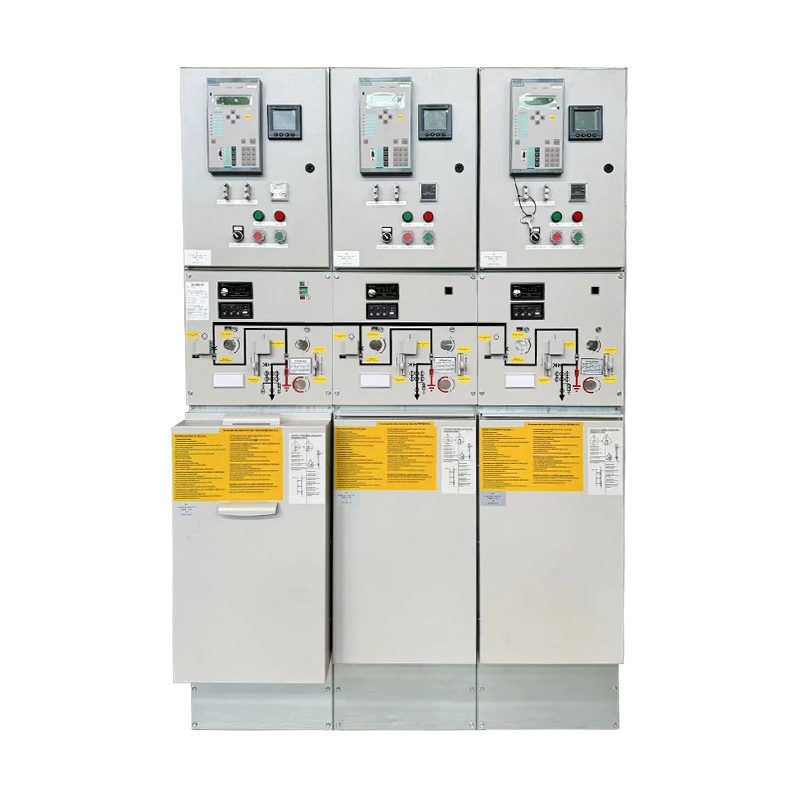
A Cabinet-Type Outdoor Prefabricated Substation, which is a compact, all-in-one electrical distribution solution designed for outdoor installation. Th...
See Details
Copyright © Jiangsu Dingxin Electric Co., Ltd. Rights Reserved.

Energy Efficient Transformers Manufacturers Electrical Transformers Factory
Contact Us