 English
 русский
 Español
50KVA Single-Phase Pole-Mounted Oil-Immersed Transformer
50KVA 34.5KV/0.48KV
See Details
Content
Pole-mounted transformers are easy to overlook until a feeder upgrade, storm response, or new rural connection puts them on the critical path. The choice between a CSP and a conventional unit looks simple on a one-line diagram, but it changes how protection is packaged, how crews maintain the transformer, and how the asset behaves during a fault. CSP stands for completely self-protected. In a conventional pole-mounted transformer, the high-voltage cutout fuse, surge arresters, and low-voltage protection are separate, field-installed items. In a CSP design, those functions are integrated with the transformer, usually in one tank-mounted package. Neither approach is automatically better. The right answer depends on your grid's protection philosophy, the load, the environment, and the people who will maintain it.
CSP is not a marketing label for a transformer with a fuse. It is a protection architecture. A typical CSP pole-mounted transformer brings together a high-voltage fuse, a surge arrester, and a low-voltage secondary breaker, often with an external operating handle and a visible indication of breaker status. The intent is to clear low-voltage faults, protect the transformer from lightning and switching surges, and provide primary backup in one factory-assembled unit. Because the components are matched and tested together, the utility spends less time on pole-top assembly. The trade-off is that protection settings and replacement parts are tied to the transformer design. Ask whether the secondary breaker is adjustable, what its interrupting rating is, whether the arrester is internally mounted, and how the fuse is replaced. Also confirm that the CSP package coordinates with your feeder reclosing scheme.
 50 kVA Single-Phase Pole-Mounted Oil-Immersed TransformerSingle-phase 50 kVA, 34.5 kV/0.48 kV pole-mounted oil-immersed transformer for rural, residential, and space-limited distribution; review specifications before protection comparisons.View Product →
Before comparing price, compare protection. A conventional pole-mounted transformer lets the utility choose the cutout fuse, arrester rating, and downstream protection independently. That flexibility is valuable on feeders with reclosers, fuses, or sectionalizers, because the fuse can be coordinated with upstream devices. A CSP transformer moves much of that coordination into the factory. That can simplify installation, but it reduces field adjustability. Ask for the time-current characteristics of the internal fuse and breaker, the arrester rating and maximum continuous operating voltage, and the transformer's basic impulse level. Check the available fault current at the pole and confirm that the CSP breaker's interrupting rating is adequate. If the transformer will sit on a long rural lateral with frequent lightning, ask how the arrester is bonded and whether the design includes wildlife guards. If it will be near a substation or a high-fault-current area, verify that the integrated protection does not become the weak link.
| Decision area | CSP design | Conventional design | What to verify |
|---|---|---|---|
| Protection packaging | Factory-integrated fuse, arrester, and secondary breaker | External cutout fuse, arresters, and downstream protection | Coordination study, ratings, replacement parts |
| Field installation | Fewer pole-top connections and faster assembly | More connections and more craft time | Crew training, torque, grounding |
| Maintenance | Integrated parts may limit diagnostics and interchangeability | Easier to isolate, test, and replace individual components | Spares, test procedure, reset access |
| Fault isolation | Internal breaker may trip and be reset at the pole | Fuse operation is visible and replacement is familiar | Trip indication, reset procedure, fuse availability |
| Footprint and clearance | Compact package with less pole-top clutter | More components and clearance checks | Pole class, clearances, wildlife protection |
| Cost basis | Higher unit price, lower field labor | Lower unit price, higher field labor | Total installed cost, not just transformer price |
| Best fit | Standardized single-phase laterals and lightning-prone areas | Flexible coordination, three-phase loads, easy field service | Utility standards, load profile, fault current |
Once the protection concept is clear, lock down the data that affects fit, losses, and safety. A pole-mounted transformer is a structural and electrical package, not just a kVA rating.
For single-phase rural laterals, an energy-saving pole-mounted unit can reduce losses without changing the protection concept.
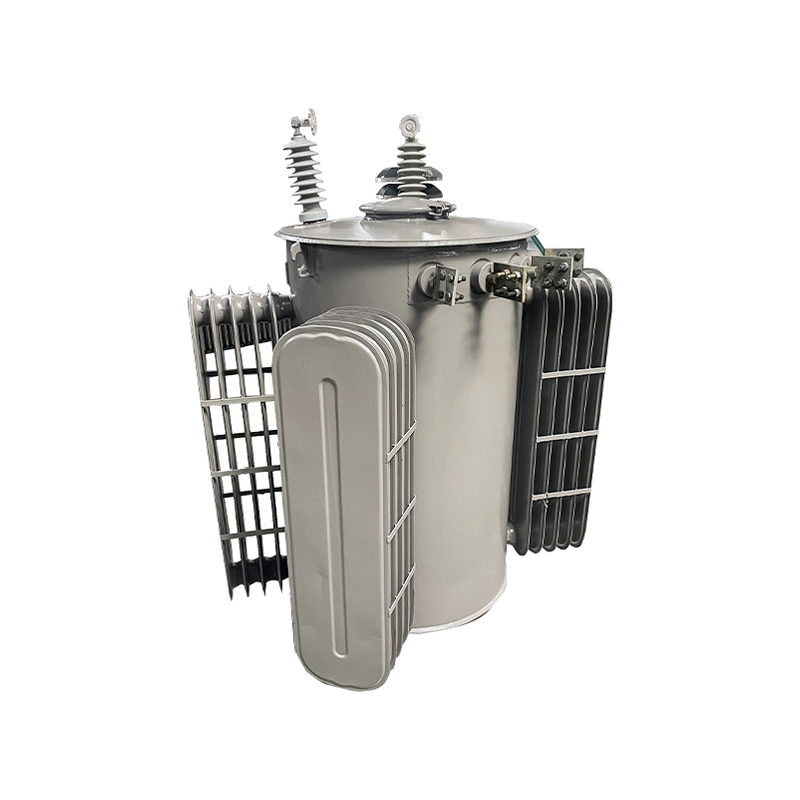 Energy-Saving 15 kVA Single-Phase Pole-Mounted Transformer15 kVA, 13.8 kV/0.4 kV oil-immersed pole-mounted unit for single-phase distribution; high-grade silicon steel and core design target reduced losses in rural laterals.View Product →
The lowest purchase price is rarely the lowest cost. A CSP unit may carry a higher unit price because protection is integrated, but it can reduce pole-top labor, separate component procurement, and field connections. A conventional unit may cost less at the factory gate, but the cutout, arresters, and secondary protection still have to be bought and installed. Put both options on the same total-cost basis. Ask for no-load and load losses, the evaluation method, and the assumed load profile. If the transformer will run near its rating for long periods, loss capitalization can outweigh the first-cost difference. Check temperature rise, insulation class, cooling, and ambient effects. For high-loss-capitalization projects, an amorphous core or an energy-saving design can be a better fit than a standard unit.
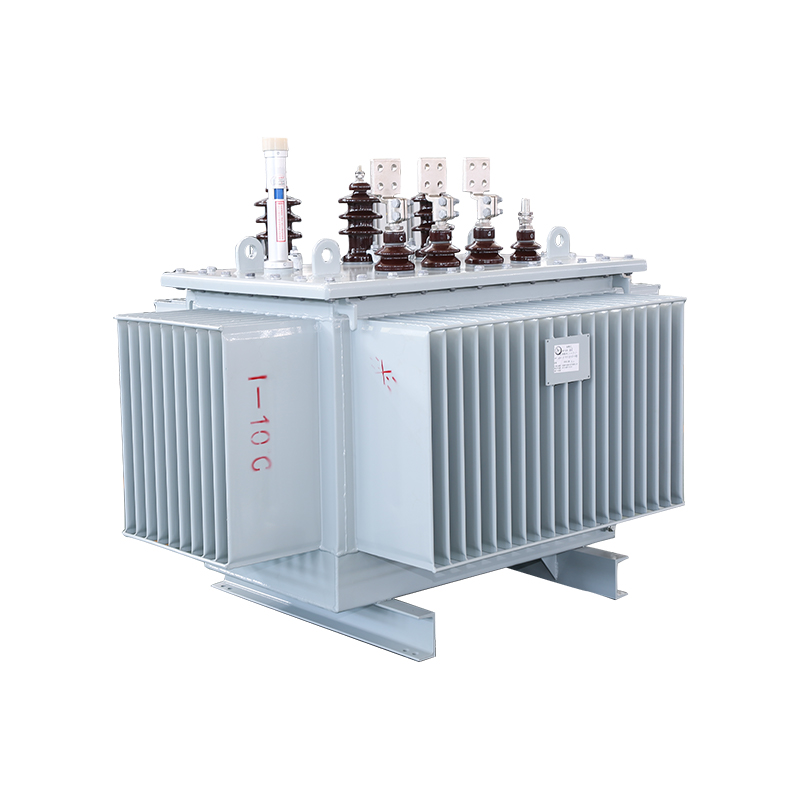 200 kVA Amorphous Alloy Three-Phase Oil-Immersed Transformer200 kVA, 10 kV three-phase distribution transformer with an amorphous core to reduce core losses; relevant when loss capitalization and test evidence drive selection.View Product →
Do not accept a datasheet as a substitute for test evidence. For a pole-mounted transformer, the routine test package should include winding resistance, ratio, impedance, no-load loss, load loss, applied voltage, induced voltage, insulation resistance, and oil tests where applicable. CSP units also need functional checks of the fuse, arrester, and secondary breaker, including trip and reset operation. Ask for type test reports for temperature rise, impulse, short-circuit, and mechanical endurance. Confirm that the tests were performed on a representative design, not a one-off prototype. Check nameplate details, serial numbers, calibration records, and the factory acceptance test plan. If you are buying for a utility or a project with local registration, confirm the document set against the applicable standard. Our guide to IEC, IEEE, and GB document differences can help you build a review checklist.
A pole-mounted transformer is only as good as its installation. For CSP units, confirm that the breaker handle, trip indicator, and fuse access are reachable from a bucket truck or ladder without removing the tank cover. Check lifting points and weight against the pole and rigging plan. For conventional units, plan cutout, arrester, and secondary protection locations so that clearances and grounding are correct. In both cases, confirm grounding conductor size, arrester bonding, wildlife guards, and corrosion protection. Ask for a packing list, oil fill condition, shipping weight, and lifting diagram. Lead times for distribution transformers can move with raw material and grid demand, so ask for a production schedule, not just a promise. Confirm warranty, spare fuse and breaker availability, and whether the factory provides commissioning support or training.
CSP and conventional pole-mounted transformers can both be reliable. The difference is where protection lives, who adjusts it, and how the asset is maintained. If your utility has a standardized CSP program and the fault current is within the integrated breaker's rating, a CSP unit can reduce field work and speed restoration. If your feeder needs flexible coordination, easy component replacement, or three-phase protection, a conventional design may be the safer choice. Before you order, ask for the protection study, test evidence, and a clear spares plan. If you want a second set of eyes on the specification, our team can review the electrical and mechanical requirements with you. Send your data sheet and one-line diagram through our contact page, and we will help you compare the options without overcomplicating the decision.
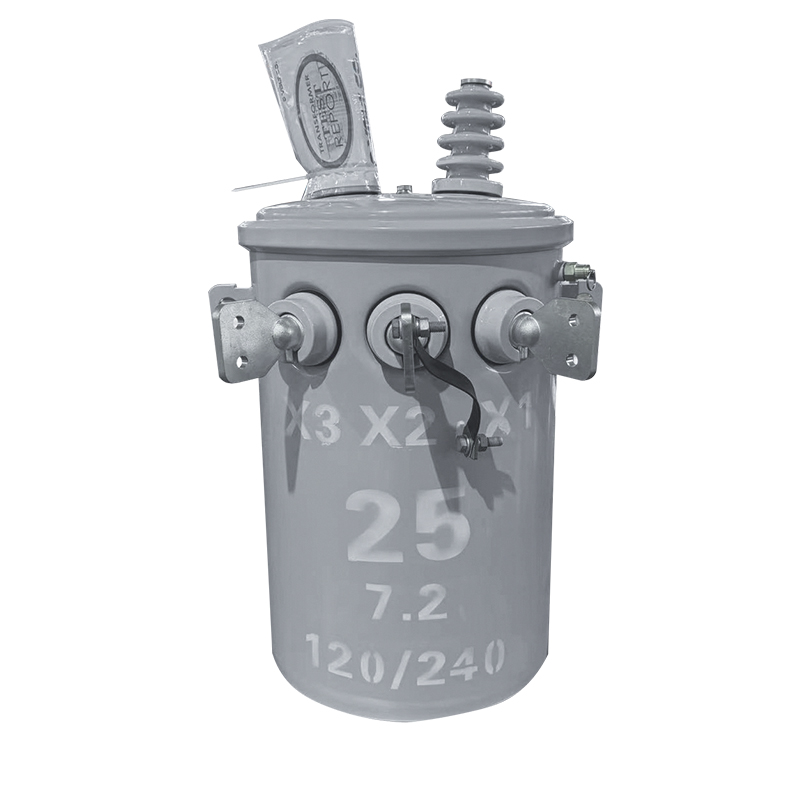
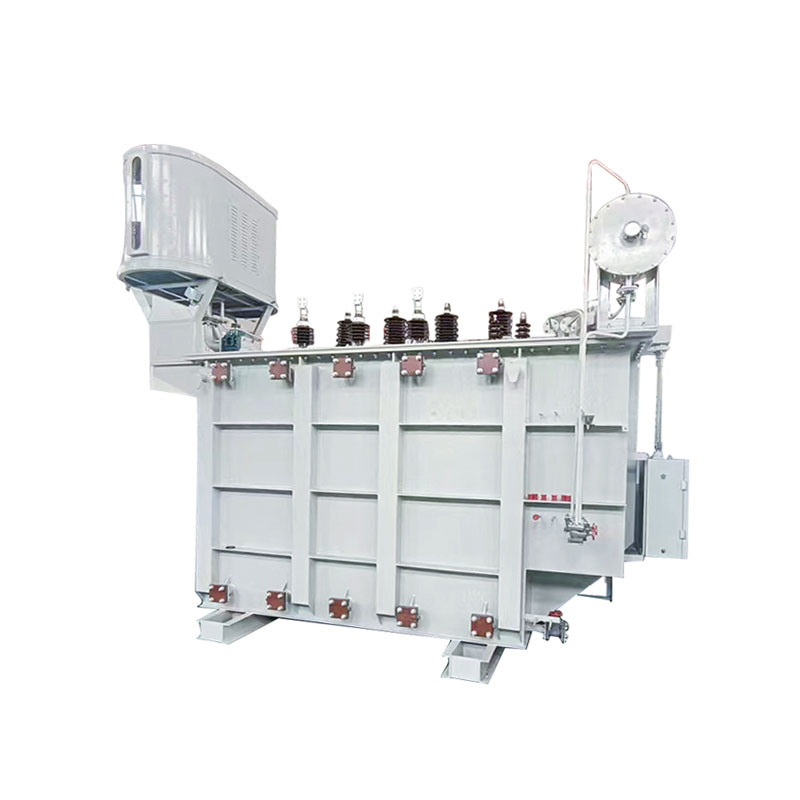
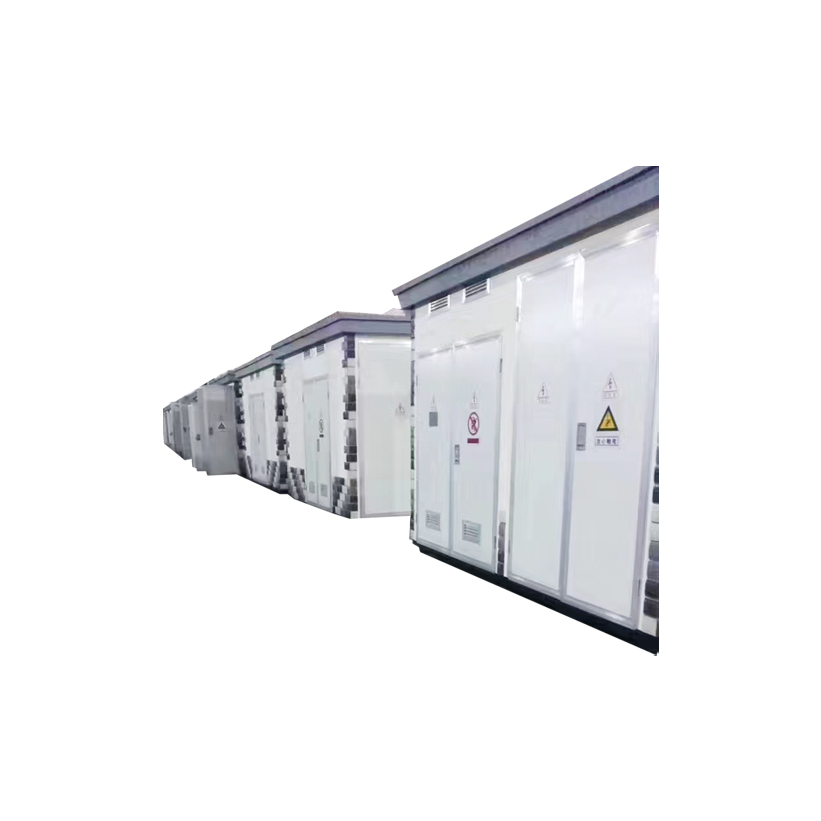
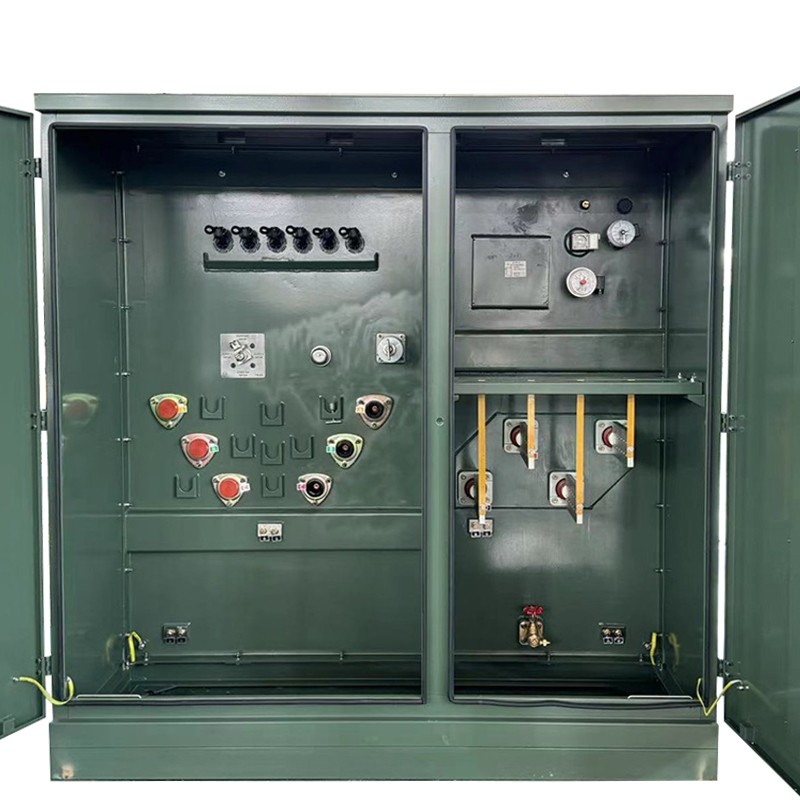
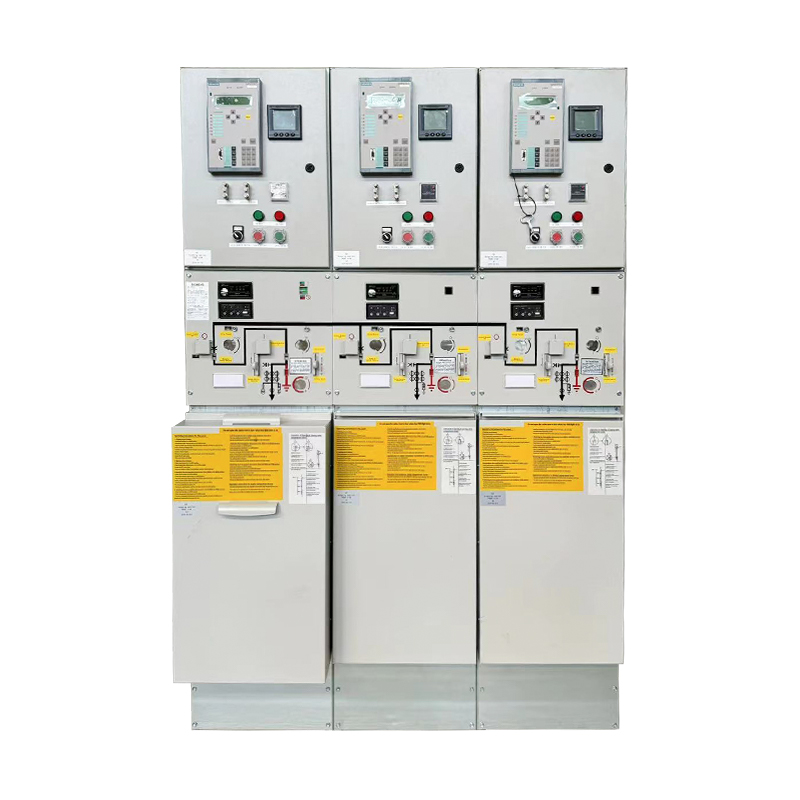
A Cabinet-Type Outdoor Prefabricated Substation, which is a compact, all-in-one electrical distribution solution designed for outdoor installation. Th...
See Details
Copyright © Jiangsu Dingxin Electric Co., Ltd. Rights Reserved.

Energy Efficient Transformers Manufacturers Electrical Transformers Factory
Contact Us