 English
 русский
 Español
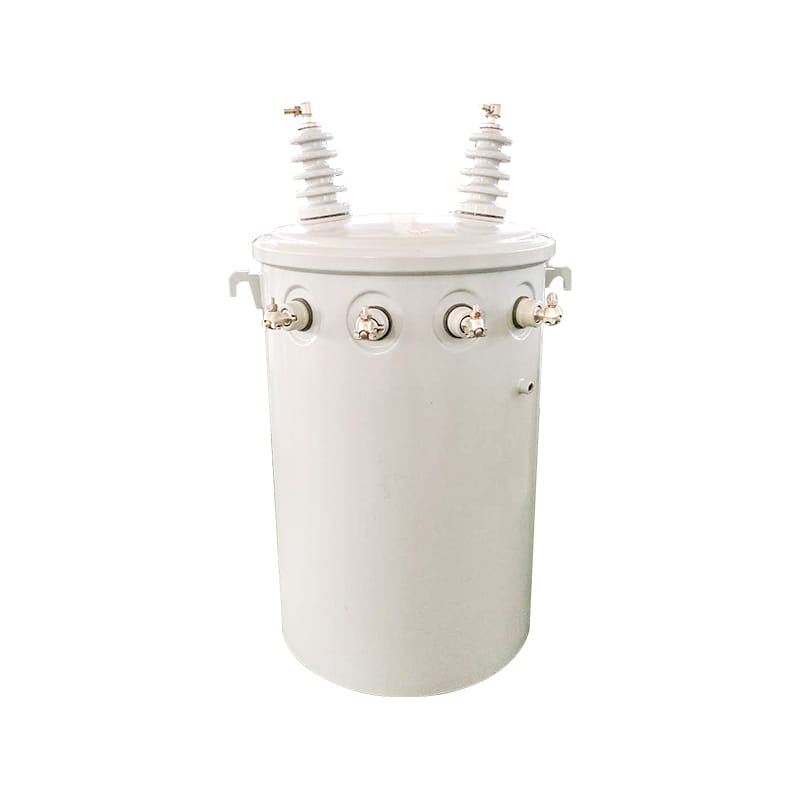
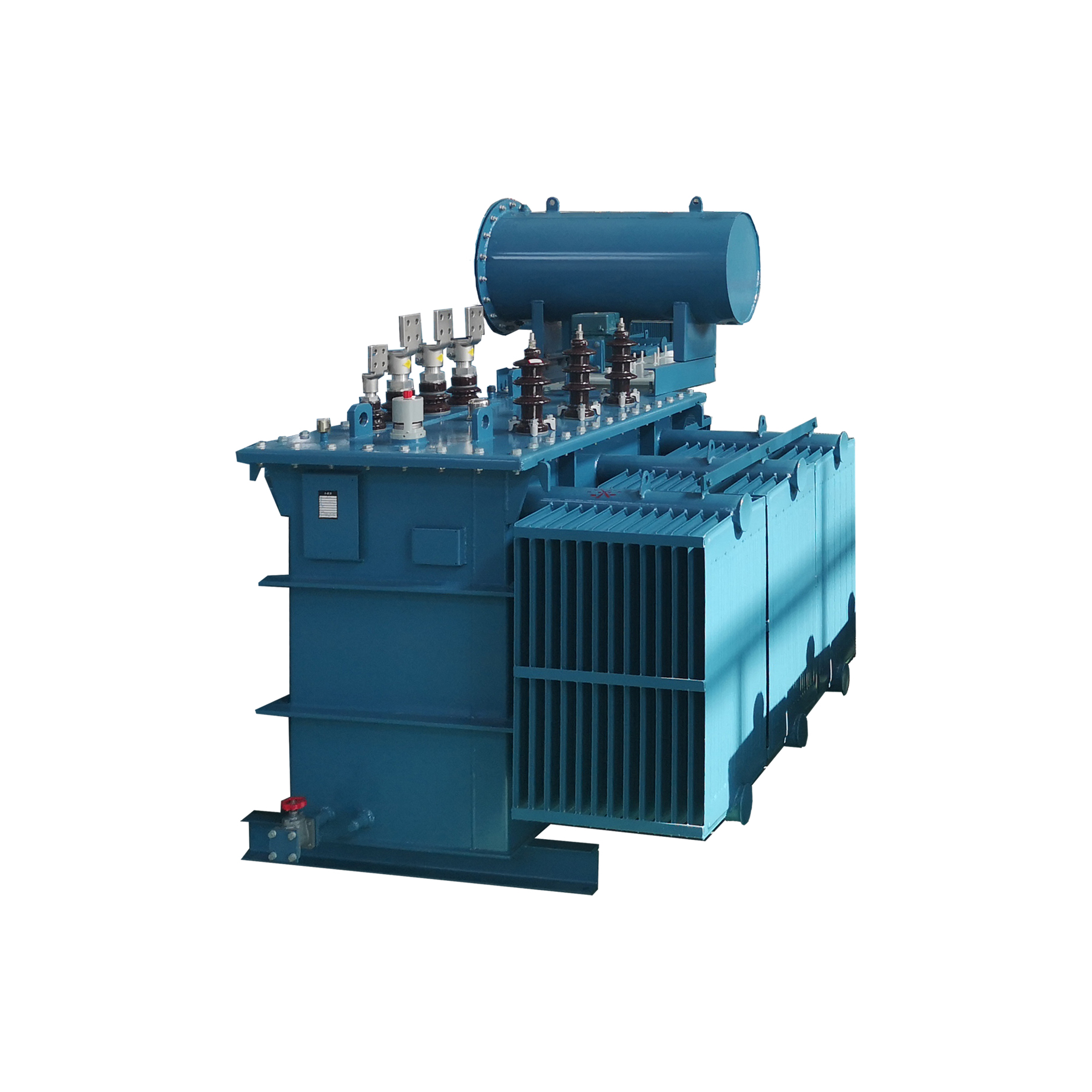
Energy-Saving Single-Phase Oil-Immersed Pole-Mounted Transformer
15KVA 13.8KV/0.4KV
See Details
Content
A 200 kVA distribution transformer is energised long before it is loaded. The no-load loss — the magnetising power the core takes just to be alive — runs for all 8,760 hours of the year, at three in the morning as surely as at the evening peak. That is why the amorphous alloy versus silicon steel question keeps coming back at this rating: the difference is small when you read it in watts, and considerably larger when you read it in kilowatt-hours.
Below is how we walk through a no-load loss payback on a 200 kVA unit, with the arithmetic laid out openly so you can substitute your own tariff, your own loading profile and your own quoted prices.
Transformer losses split into two families, and they behave nothing alike. Load loss scales with the square of the current, so it rises and falls with the duty cycle. No-load loss does not care about the duty cycle at all. Once the unit is energised, the core consumes it continuously — through nights, weekends, maintenance shutdowns and the long low-load seasons that many industrial transformers actually live in.
At 200 kVA this matters more than it does at 2 MVA, for a simple reason: a small transformer is often lightly loaded. A unit serving a rural branch line, a small works compound or the auxiliary supply of a PV or storage site may average 25–40% loading over its life. In that regime, no-load loss can be the single largest energy line item in the transformer's whole ownership cost, and the material choice in the core becomes a financial decision rather than a technical preference.
Silicon steel is grain-oriented electrical steel, stacked in thin laminations. Amorphous alloy is cast as a ribbon roughly 25 microns thick and wound into a core; its disordered atomic structure is a poor conductor of magnetic flux paths that cause loss, which is where the saving comes from. The table below uses representative values for a 200 kVA, three-phase distribution transformer at typical commercial grades — always replace them with the guaranteed losses in the test report you are quoted.
| Parameter | Silicon steel (CRGO) | Amorphous alloy |
|---|---|---|
| No-load loss | about 300 W | about 110 W |
| Load loss at 75 °C | about 2,600 W | about 2,700–2,900 W |
| No-load current | roughly 0.8–1.2% | roughly 1.2–2.0% |
| Sound level | baseline | often 3–5 dB(A) higher |
| Relative purchase price | index 1.00 | index 1.20–1.35 |
The gap that matters for the calculation is the first row: roughly 190 W, or 0.19 kW, at this rating. Everything else is context around that number.
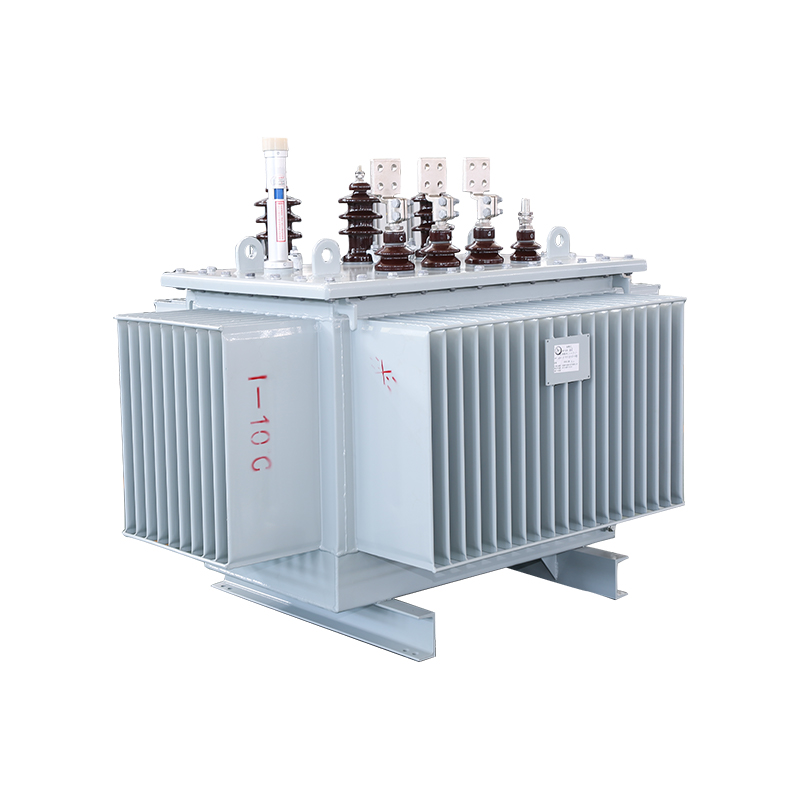 Amorphous Alloy Oil-Immersed Three-Phase Transformer 200 kVA 10 kVAn oil-immersed three-phase distribution transformer with an amorphous alloy core, presented for evaluating reduced no-load losses and energy savings.View Product →
The simple payback is the price premium divided by the annual value of the saved no-load energy. We do it in this order so that each figure can be checked independently.
Ten or eleven years sounds unremarkable, and in a low-tariff market it is. But the outcome swings hard with the tariff, which is the next thing to look at. For a broader discussion of how core materials shape these decisions, our engineers keep a longer note on advanced core materials in energy-saving transformers.
The premium is a one-off cost; the saving is an annuity. The table holds the 0.19 kW loss difference and the 8,760-hour year constant, and varies only the tariff and the quoted premium.
| Tariff (per kWh) | Annual saving | Premium 1,200 | Premium 1,800 | Premium 2,400 |
|---|---|---|---|---|
| 0.06 | about 100 | 12.0 years | 18.0 years | 24.0 years |
| 0.08 | about 133 | 9.0 years | 13.5 years | 18.0 years |
| 0.10 | about 166 | 7.2 years | 10.8 years | 14.4 years |
| 0.15 | about 250 | 4.8 years | 7.2 years | 9.6 years |
| 0.20 | about 333 | 3.6 years | 5.4 years | 7.2 years |
Read across the middle row and the message is clear. Amorphous alloy is a comfortable choice in markets above roughly 0.12 per kWh; below 0.07 it usually needs a very long service horizon, or a premium closer to the low end, to justify itself on energy alone. Over a 20-year life at 0.10 per kWh, the 1,800 premium returns about 3,300 in nominal saved energy — a modest but real surplus.
Amorphous cores are not automatically better on load loss. Designs frequently carry slightly more conductor loss to compensate for core geometry. Suppose the amorphous unit runs 0.3 kW higher at full load and averages 40% loading: that is 0.3 × 0.16 × 8,760, or about 420 kWh a year, which at 0.10 per kWh takes roughly 42 off the annual saving. In that case the 1,800 premium pays back nearer 14.5 years, not 10.8. Always run the calculation on total losses, not on the no-load row alone.
Any load above the assumed average improves the amorphous case during those hours, but the core loss stays constant regardless. A transformer that is energised year-round yet used for a short seasonal campaign is close to the ideal amorphous candidate; a unit that is switched out for long periods is not.
Simple payback ignores the time value of money, and on longer paybacks a 6% discount rate can push the break-even beyond a 20-year horizon. Two physical factors also deserve a mention: amorphous cores are typically a few decibels louder, which matters for residential siting, and the thin ribbon is more sensitive to mechanical shock, so transport and installation discipline are part of the total cost. Inrush current is also higher, which occasionally forces a review of upstream protection settings.
Efficiency rules in many markets now cap no-load loss for this size class. Where a compliant silicon steel design already sits close to the limit, the amorphous premium buys you headroom against future tightening, not just present-day savings — a point worth putting in front of a finance team that only sees the tariff.
Having built both types for grid, industrial and renewable customers, we usually ask four questions before recommending a core material, because the answer changes the arithmetic far more than a brochure comparison does.
Once those four are settled, the calculation above takes about ten minutes, and it usually produces a defensible answer rather than a preference. If the numbers land on the silicon steel side, we say so; a unit sized and specified honestly is worth more to a client over twenty years than one sold on a single favourable figure.
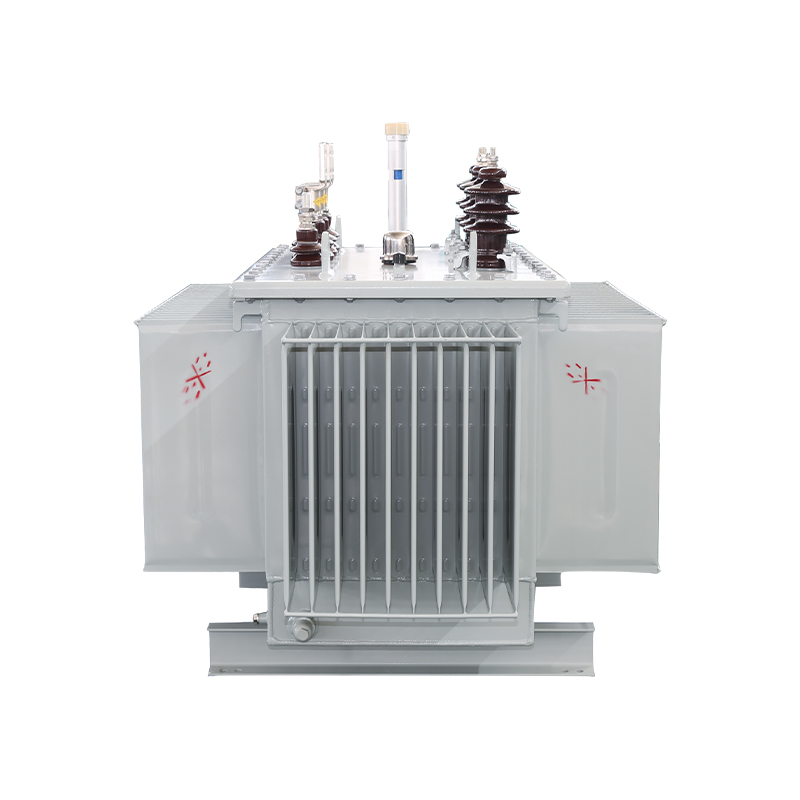 Distribution Transformers: Oil-Immersed and Fully Sealed TypesBrowse oil-immersed distribution transformer options, including amorphous alloy and fully sealed designs, for comparing ratings and core choices.View Product →
At 200 kVA, the amorphous alloy versus silicon steel decision is rarely about technical capability — both cores do the job. It is about whether 1,664 kWh a year is worth 1,200 to 2,400 of capital in your particular market. Run the four steps with your own tariff and your own guaranteed loss figures, deduct the load-loss difference, and let the payback speak. If you would like a second pair of eyes on the numbers, our team at the Haian works is glad to check a design against your loading profile; you can find the background on our transformer manufacturing and testing capability and send us the specification when it is ready.

Copyright © Jiangsu Dingxin Electric Co., Ltd. Rights Reserved.

Energy Efficient Transformers Manufacturers Electrical Transformers Factory
Contact Us