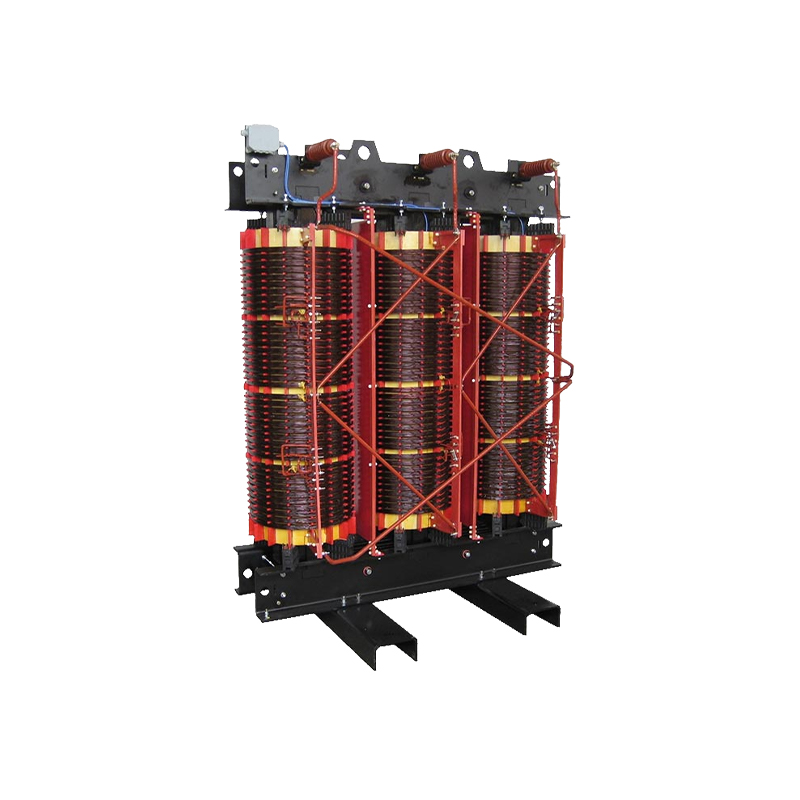
Understanding Medium vs High Voltage Inverters
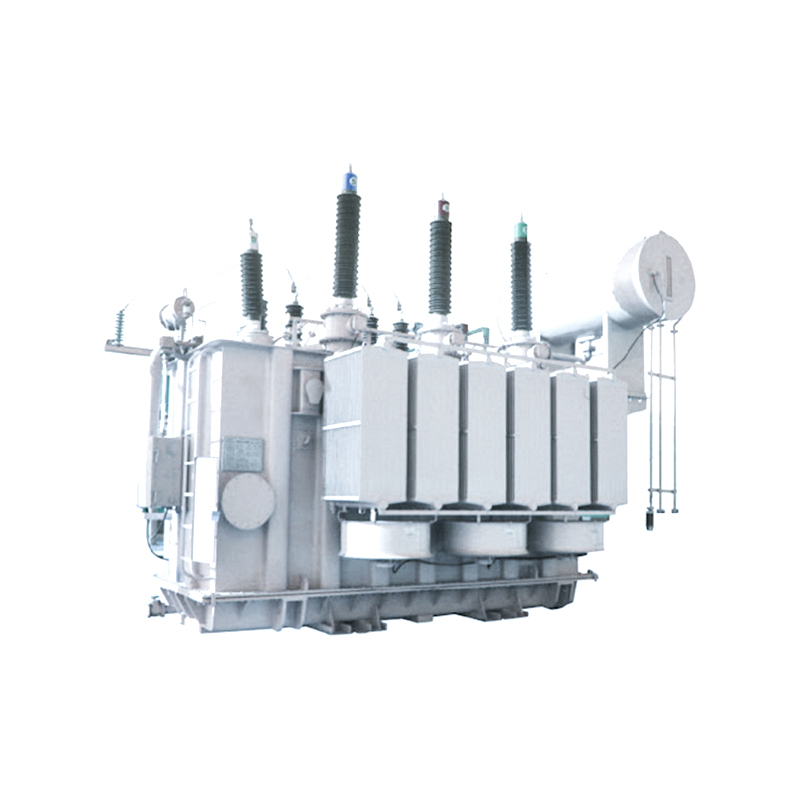
"Medium voltage" and "high voltage" labels vary by region; practically for inverters we refer to MV as roughly 1 kV–36 kV systems and HV as above 36 kV. The differences affect insulation design, transformer coupling, switchgear requirements, cooling, and safety procedures. Choosing the right class depends on system voltage, power level, grid connection method, and site constraints.
Practical application areas
Typical uses include: industrial drives for large compressors and mills, MV/HV renewable farm (wind/solar) collection interfaces, traction and rail systems, large UPS and STATCOM installations, and process plant motor drives where direct MV connection avoids step-up/down transformers.
Key technical differences and selection table
The table below summarizes practical specification differences that affect procurement and engineering design.
| Characteristic |
Medium Voltage (≈1–36 kV) |
High Voltage (>36 kV) |
| Common power range |
100 kW – multiple MW |
Several MW – hundreds of MW |
| Connection |
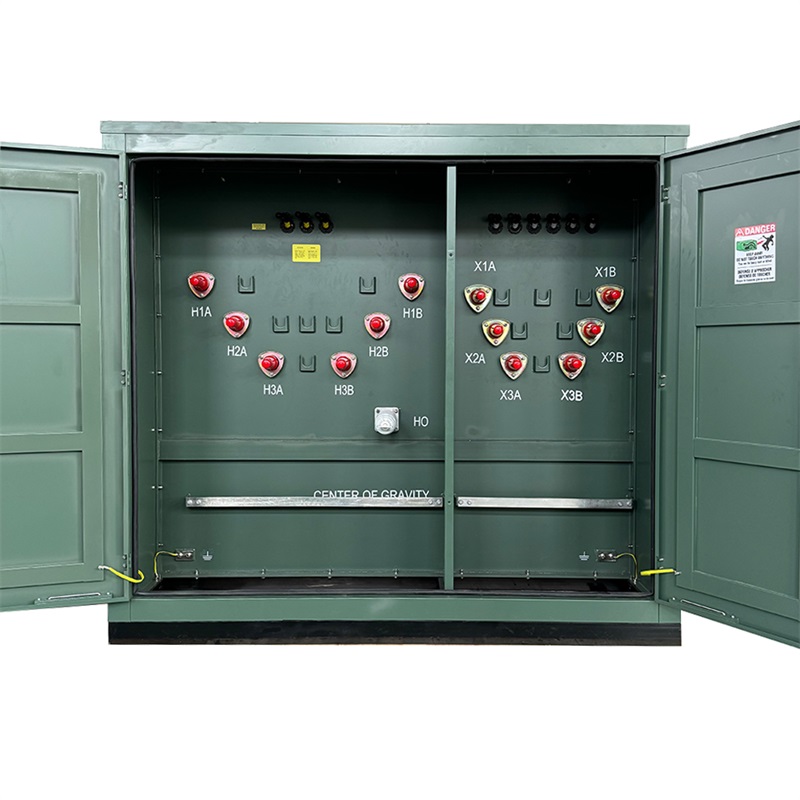
Often direct to MV switchgear or via step-up transformer |
Usually through dedicated step-up transformers and HV switchyard |
| Insulation & clearances |
Specialized MV insulation, phase spacing, partial discharge monitoring recommended |
Stringent HV insulation, corona control, GIS/air-insulated switchyard practices |
| Cooling |
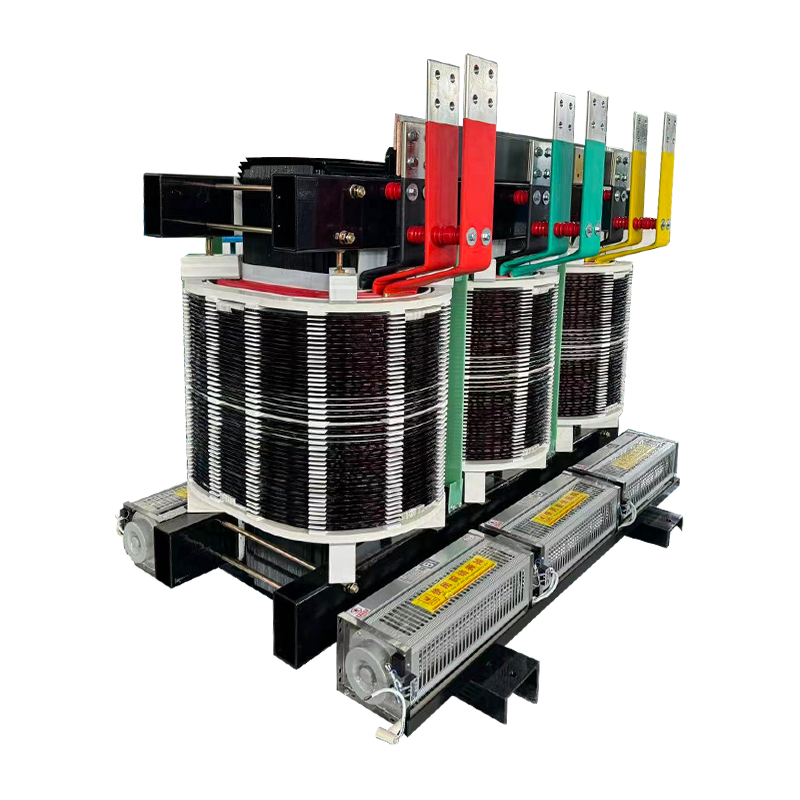
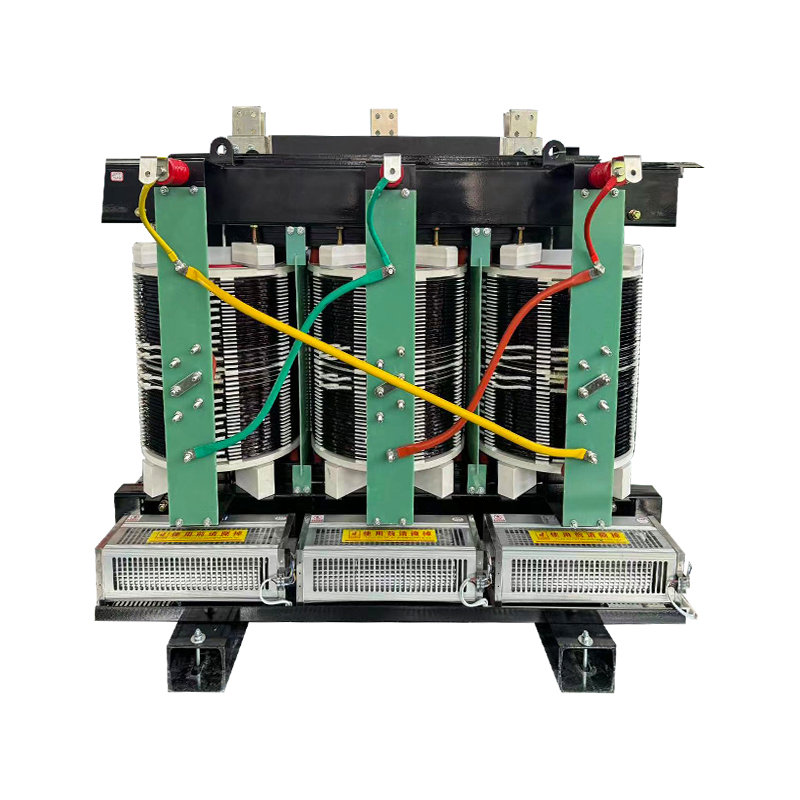
Air or liquid cooling for higher density systems |
Liquid cooling (oil or specialized dielectric fluids) common for large units |
| Monitoring & protection |
Thermal, PD, overcurrent; modular protection schemes |
Extensive PD, SFRA, coordinated protection with grid operator |
Selection criteria: What to specify in technical bid documents
When creating a specification or RFQ for MV/HV inverters include measurable, testable requirements rather than vague terms. Below are precise items to include.
- Rated continuous power (kW/MW) and short-term overload capability (e.g., 110% for 60s).
- Input voltage range, switching topology (e.g., multilevel NPC, modular multilevel converter), and harmonics performance (THDi %, IEEE 519 compliance).
- Cooling method and ambient temperature rating (e.g., −20°C to +50°C) and altitude derating factors.
- Insulation coordination, partial discharge (PD) limit and testing requirements, and corona mitigation measures.
- Communications and SCADA interfaces (Modbus, IEC 61850), and remote diagnostics capability.
- Grid code compliance (list relevant local codes), protection settings and coordination with upstream protection.
- Factory acceptance tests (FAT) and site acceptance tests (SAT) scope, pass/fail criteria, witness options.
Installation and commissioning best practices
Successful project delivery depends on detailed installation and commissioning procedures. Below are step-by-step practical actions and checks used by experienced commissioning teams.
Pre-installation site checks
- Verify concrete plinth/transformer pad tolerances, anchor bolt positions, and cable entry geometry against manufacturer drawings.
- Confirm HVAC, fire suppression, and drainage match equipment needs; ensure clean and dust-controlled environment for electronic modules.
- Earthing system inspection: measure soil resistivity and ensure earthing loop meets impedance targets for fault clearing times.
Commissioning sequence highlights
- Visual & mechanical checks, torque verification for all bolted connections, and cable polarity tests.
- Insulation resistance and capacitance tests on power cables and busbars; partial discharge baseline measurement before first energization.
- Control power and auxiliary systems functional checks; protection relay scheme dry-run and secondary injection tests before live commissioning.
- Gradual energization and no-load run, then stepwise load application while monitoring temperatures, vibrations, harmonics, and PD.
Protection, filtering and power quality
MV/HV inverters interact strongly with grid impedance and protection systems. Design for robust coordination and power quality mitigation.
Protection & coordination essentials
- Define fault ride-through (FRT) requirements and set over/under voltage and frequency protection consistent with utility code.
- Coordinate inverter protection with upstream breakers and relays; include synchronous reclosing if required by grid operator.
- Specify harmonic filters (active or passive) with insertion loss, Q-factor, and expected harmonic reduction at rated load.
Testing, diagnostics & maintenance schedule
Lifecycle availability is achieved through defined testing and routine maintenance. Below is a recommended test and maintenance cadence and what to include.
- Daily (or continuous): automated alarm monitoring, temperature & cooling flow checks, and inverter event log review.
- Monthly: visual inspections, torque spot checks, and firmware/communication health checks.
- Annually: thermal imaging of power modules, full protection relay tests, and PD re-measurement compared to baseline.
- Every 3–5 years: detailed power module inspection, capacitor bank health checks, cooling system overhaul, replacement of wear items per OEM guidance.
Troubleshooting common on-site issues
Fast, systematic troubleshooting saves downtime. The following checks prioritize safety and root-cause isolation.
Frequent symptoms and actions
- Unexpected trips: capture fault codes, check recent control firmware updates, inspect cooling status, and verify grid voltage/frequency excursions.
- High harmonic distortion: measure THD at multiple points, inspect filter bank connections, and consider tuning active filtering algorithms.
- Rising partial discharge or corona: compare PD to previous baselines, check insulation contamination/humidity, and schedule detailed PD localization.
- Cooling failure alarms: verify fans/pumps electrically and mechanically, check filters/strainers, and examine coolant conductivity or dielectric properties for liquid-cooled systems.
Procurement and FAT/SAT checklist
Use the checklist below during procurement review and acceptance testing to reduce risk and ensure clarity between buyer and supplier.
- Detailed system drawings, nameplate data, wiring diagrams, and mechanical layout with tolerances.
- Factory Acceptance Test plan: required tests, instrumentation accuracy, acceptance thresholds, witness arrangements, and FAT report templates.
- Spare parts list with recommended stocking levels and lead times for critical power modules and control boards.
- Training and documentation: on-site commissioning support hours, operator & maintenance manuals, and remote diagnostic access details.
Conclusion: successful MV/HV inverter projects hinge on precise specifications, coordinated protection and commissioning, and an ongoing maintenance regime that includes PD monitoring, thermal checks, and firmware management. Use the checklists and tables above as a working appendix to your technical specifications and project plans.
Contact Us