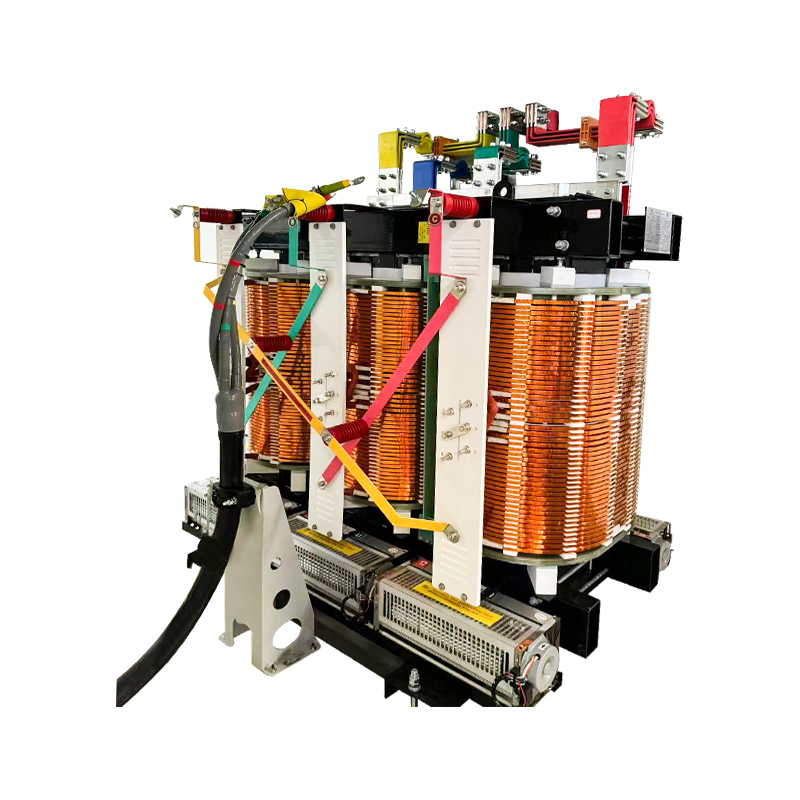
HT (High Tension) and LT (Low Tension) Switchgear — Selection, Installation & Maintenance
1. HT (High Tension) Switchgear — Practical overview
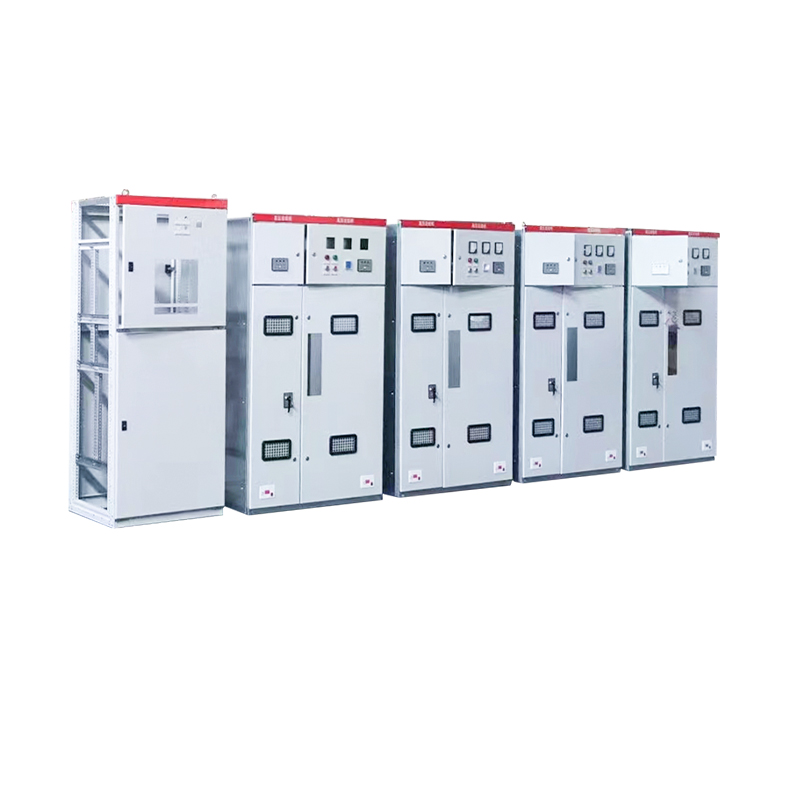
HT (High Tension) switchgear is used to control, protect and isolate electrical equipment on systems that are typically classified above ~1.1 kV up to distribution and substation levels (commonly 3.3 kV, 11 kV, 33 kV and higher depending on the network). HT switchgear assemblies are designed around higher insulation clearances, specialized circuit-breakers (SF6, vacuum, or live/dead tank designs), instrument transformers (CTs, PTs) sized for medium/high voltage, and more stringent switchgear segregation and earthing provisions.
Key HT components and roles
- Circuit-breakers (MV/HV): interrupt fault current and operational switching (vacuum, SF6, or air/oil types depending on rating and environment).
- Disconnectors and earthing switches: provide visible isolation and safe earthing for maintenance.
- Instrument transformers (CT/PT): feed relays, meters and protection systems with scaled measurements.
- Protection relays and control cubicles: overcurrent, distance, differential, and bay control functions.
2. LT (Low Tension) Switchgear — Practical overview
LT (Low Tension) switchgear covers distribution and control for voltages typically up to 1 kV (commonly 400/230 V three-phase/phase-to-neutral) and is optimized for building distribution, motor control centers (MCCs), and final distribution to loads. LT assemblies prioritize compact bus arrangements, moulded-case or air-circuit breakers, contactors, motor protection, metering, and functional discrimination for selective tripping. Implementation and verification usually follow low-voltage standards and type/assembly verification regimes.
Key LT components and roles
- Main incomer breakers and distribution breakers (MCCBs/ACBs) for feeder protection and selective coordination.
- Motor control centers (MCCs) with starters, overload relays and soft-starters/VFD integration.
- Earthing, insulation monitoring (in IT systems), and local isolation switches for maintenance safety.
- Meters, power quality monitoring and local SCADA/automation I/O modules for load visibility.
3. Selection criteria: When to specify HT vs LT switchgear
Choose HT vs LT by matching system voltage level, fault-level capability, continuity requirements, space constraints, environmental conditions, and applicable standards. Below is a practical checklist engineers use during specification and procurement.
3.1 Practical selection checklist
- System nominal voltage and maximum fault level (kA): pick switchgear and breakers rated for the prospective fault current plus margin.
- Standards compliance: IEC 62271 series for HV/MV, and IEC 61439 for LV; specify required type tests or verification route.
- Environment: indoor metal-clad, metal-enclosed GIS, or outdoor ring main units (RMUs) and environmental constraints such as altitude and corrosion class.
- Service continuity & redundancy: N, N+1, ring or radial topology and associated protection schemes.
- Lifecycle and sustainability requirements (SF6 alternatives, maintenance intervals, spare parts availability).
4. Typical protection schemes and coordination for HT/LT interfaces
Interfaces between HT and LT (for example transformer secondary and building distribution) require carefully coordinated protection and CT/PT allocation. Typical schemes include overcurrent backup, differential protection on large transformers, distance protection on lines, and directional protection where bi-directional power flow exists.
4.1 Practical steps for protection coordination
- Establish maximum and minimum fault currents at each bus (short-circuit study) and document the values used for relay settings.
- Select CTs with adequate accuracy class and saturation margin for both protection and metering.
- Coordinate time/current curves (TCC) between upstream HT breakers and downstream LT breakers to ensure selectivity and limit system downtime.
- Implement transformer differential protection for large units; set pilot/communication channels where needed for high speed fault clearance.
5. Installation, factory acceptance testing (FAT) and commissioning checklist
Successful delivery of HT and LT switchgear depends on clear FAT & site commissioning regimes, documented test plans, and witnessed tests that verify the equipment meets specification and protection coordination requirements.
5.1 Essential FAT & site tests (practical list)
- Visual inspection and mechanical operation tests (interlocks, racking mechanisms, earthing operations).
- Insulation and power-frequency withstand tests at specified voltages for HT, and impulse tests where required by spec.
- Primary injection testing for protection relays and secondary injection for relay logic verification; end-to-end trip tests with breakers.
- Verification of alarm/SCADA telemetry, interlocks, and control schematics against as-built wiring.
- Witnessed breaker timing and contact resistance for HT breakers (important for synchronization & breaker health assessment).
6. Operation, maintenance and safety best practices
Routine and predictive maintenance reduces unplanned outages. Maintain mechanical lubrication schedules, perform periodic contact resistance and insulation diagnostics, and log breaker operations and relay event records for trending. Adopt safe isolation procedures, permit-to-work systems, and live-work prohibitions except under strict special procedures.
6.1 Recommended maintenance activities (frequency examples)
- Daily/weekly: visual checks, annunciator panel review and clearing of alarms.
- Quarterly: control wiring checks, battery health inspection for DC supplies used by protection systems.
- Annual: contact resistance tests, insulation resistance (megger) tests, relay setting review and secondary injection tests.
- Multi-year (as specified by vendor): major overhauls, SF6 gas handling and leak checks (if present), vacuum interrupter end-of-life reviews and replacement planning.
7. Quick reference table: HT vs LT practical comparison
| Aspect |
HT (High Tension) |
LT (Low Tension) |
| Typical voltage range |
Above ~1.1 kV up to 33 kV and higher (substation/distribution classes). |
Up to 1 kV; typically 400/230 V for building distribution. |
| Typical breakers |
SF6, vacuum, live/dead tank HV breakers. |
ACBs, MCCBs, MCBs, contactors for motor control. |
| Standards |
IEC 62271 series (HV/MV switchgear & controlgear). |
IEC 61439 (low-voltage switchgear assemblies). |
Closing practical note: always specify switchgear with clear requirements for rated voltage, continuous current, short-circuit breaking capacity, protection logic and communications, environmental class, and lifecycle obligations (spares and maintenance). When in doubt, require vendor FAT with witnessed primary/secondary injections and site acceptance tests that include relay coordination and end-to-end interlocks.
Contact Us