 English
 русский
 Español
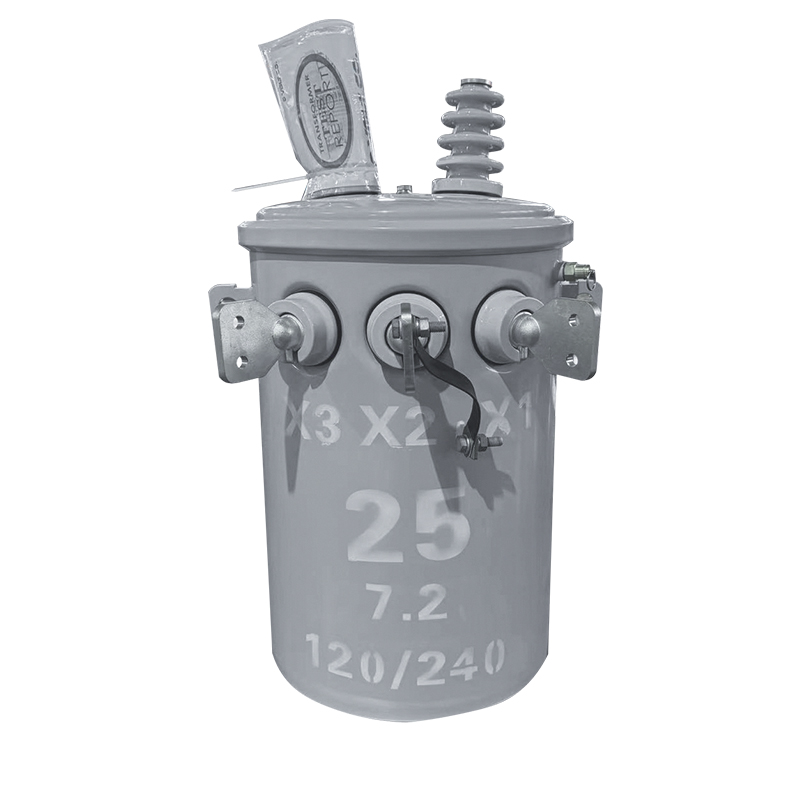
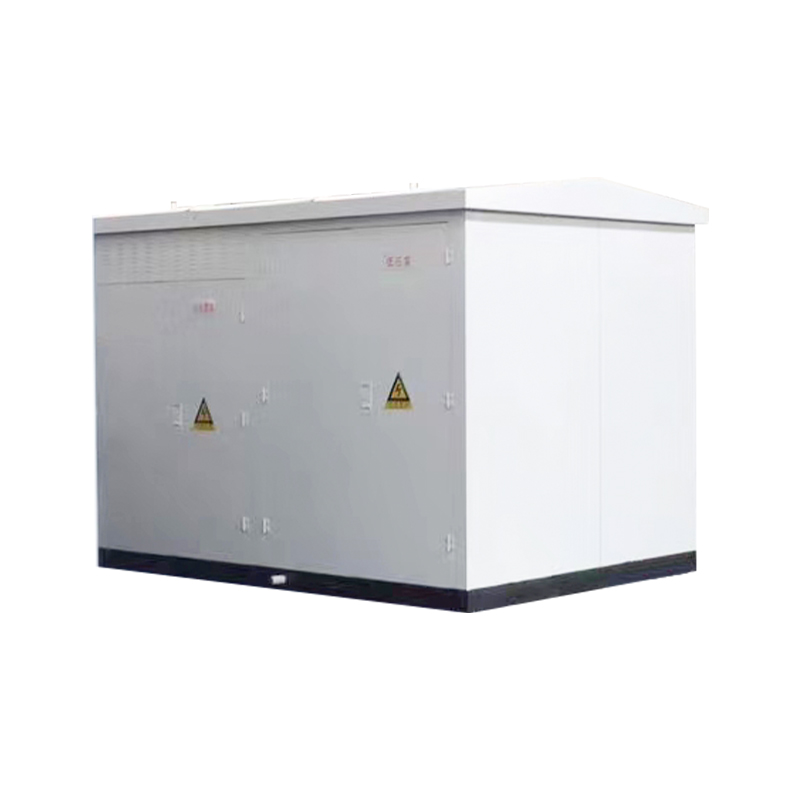
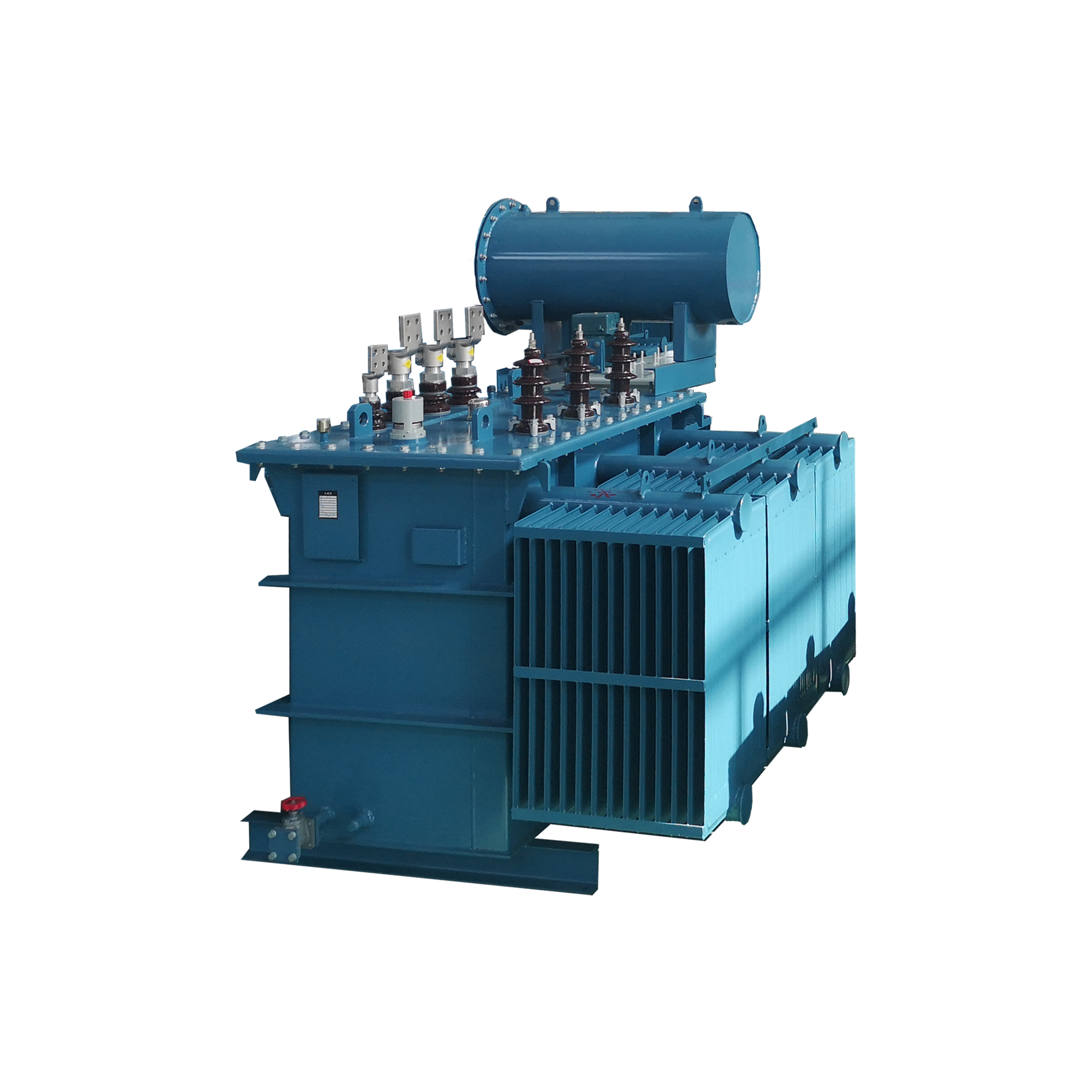
50KVA Single-Phase Pole-Mounted Oil-Immersed Transformer
50KVA 34.5KV/0.48KV
See Details
Content
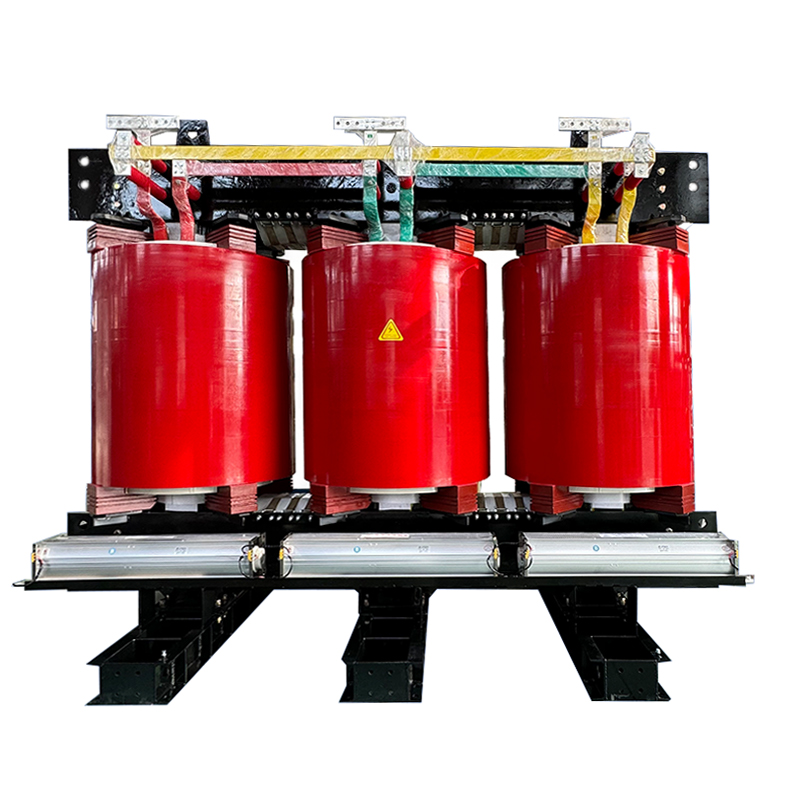
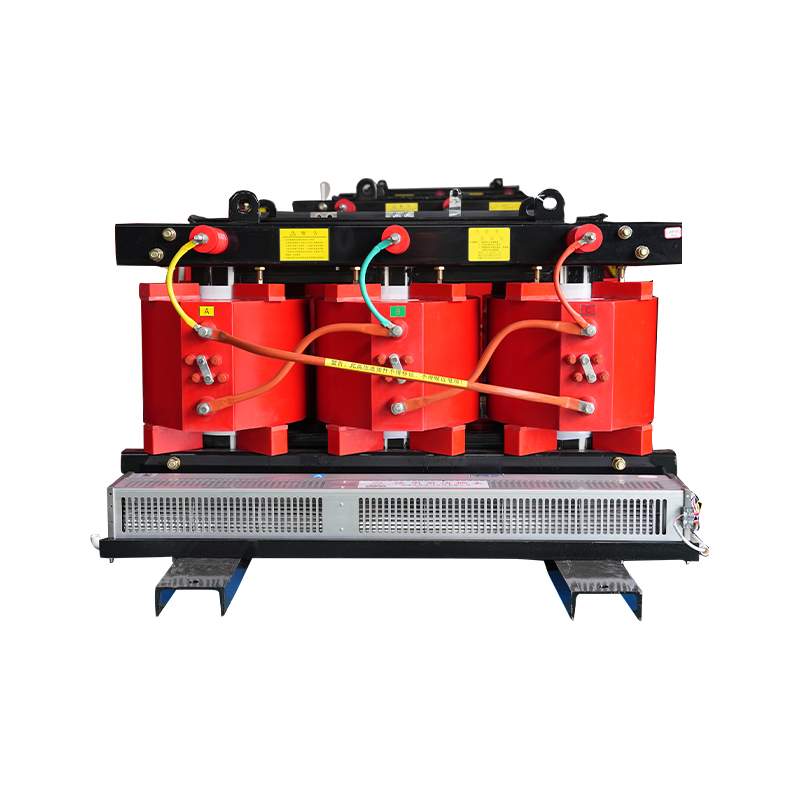
This article focuses on the practical market and procurement aspects of the Cast Resin Dry Type Transformer market: what buyers and project engineers need to know today (size estimates and trends), which applications and regions matter, how the technology compares to alternatives, and a concrete specification & installation checklist to reduce risk and lifecycle cost.
Market estimates for cast-resin (epoxy-encapsulated) dry type transformers vary by source because of differences in scope (global dry-type vs. cast-resin subset), vintage, and whether the report includes related dry-type technologies. Recent published estimates put the 2024 market in a range roughly between low-single billions and mid-single billions (USD), with multi-percent CAGRs forecast through the late 2020s — highlighting steady demand driven by electrification, grid upgrades and renewables integration.
Key commercial segmentation that affects price and lead time:
Asia-Pacific continues to be the largest regional market (strong industrial and utility investment), while North America and Europe show steady growth driven by data center builds, stricter fire/environmental regulations, and renewable interconnection projects. Buyers should evaluate local lead times and manufacturer presence because shipping weight and logistics materially affect delivered cost.
Understanding demand drivers helps procurement teams prioritize features and justify specification choices to owners and funders.
Primary operational advantages include improved safety (non-flammable insulation), lower onsite environmental risk, reduced routine maintenance (no oil sampling/replacement), and suitability for indoor/clean rooms. Cast-resin units also tolerate moisture and impurity ingress better than older, unsealed designs.
Limitations that increase project cost or restrict application:
Use this checklist verbatim in RFQs or technical specifications to reduce ambiguity. For each item, request the vendor to provide test reports and factory acceptance documentation.
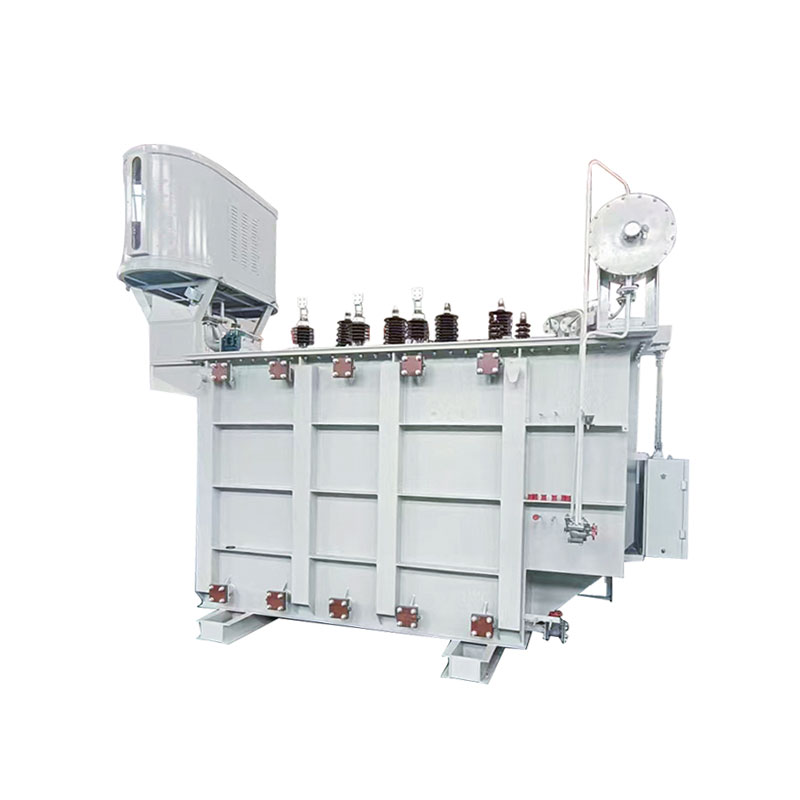
Below is a concise, practical comparison table you can paste into a business case to compare a cast-resin dry type transformer vs. a typical oil-filled distribution transformer for the same duty.
| Category | Cast-Resin Dry Type | Oil-Filled |
|---|---|---|
| Initial cost per kVA | Typically higher for small-to-medium kVA units | Typically lower for same kVA, especially at larger ratings |
| Maintenance | Minimal (no oil sampling), periodic inspection | Requires oil testing, leak checks, larger maintenance program |
| Environmental / fire risk | Low, suitable for indoor & sensitive sites | Higher; oil containment and fire mitigation often required |
| Thermal / overload tolerance | More constrained — must size for ambient and load profile | Better cooling for sustained overloads (with oil cooling) |
Short-to-medium term tailwinds for cast-resin dry types include rising demand from renewables interconnection, stricter building and fire codes for indoor equipment, and data center rollouts — all of which favor non-oil solutions. Manufacturers are also improving thermal designs and partial-discharge performance, narrowing historical performance gaps. Procurement teams should budget slightly higher capital costs but expect lower O&M and environmental compliance costs over the asset life.
A short, practical roadmap to reduce delivery risk and lifecycle surprises.
If you'd like, I can convert this checklist into a printable one-page RFQ addendum or produce a comparison spreadsheet (kVA×cost, OPEX scenarios) tailored to your project voltages and ambient conditions — tell me the rated kVA range and whether the installation is indoor or outdoor and I will generate the sheet.
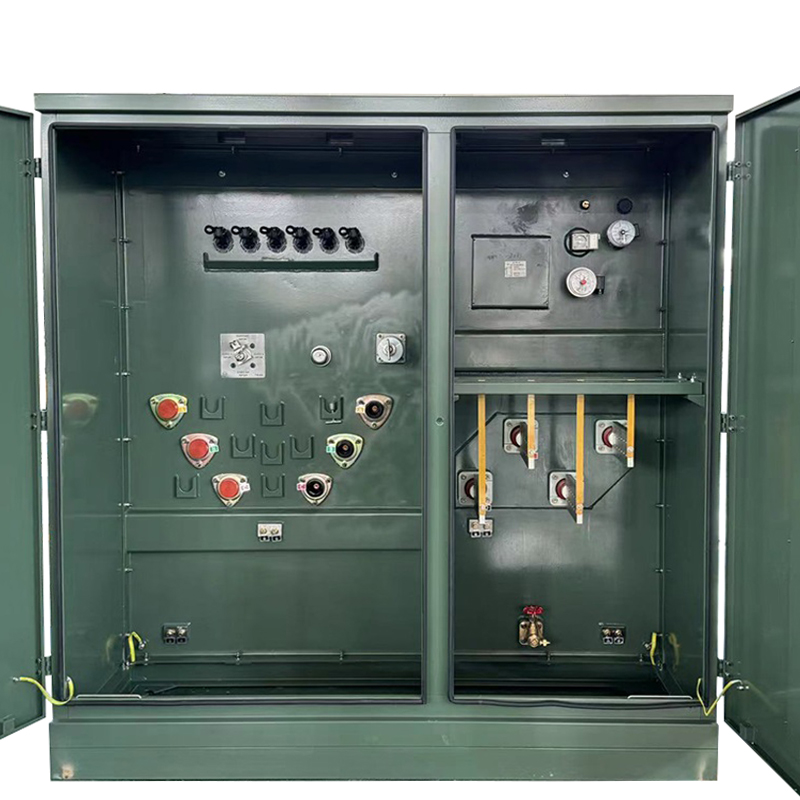
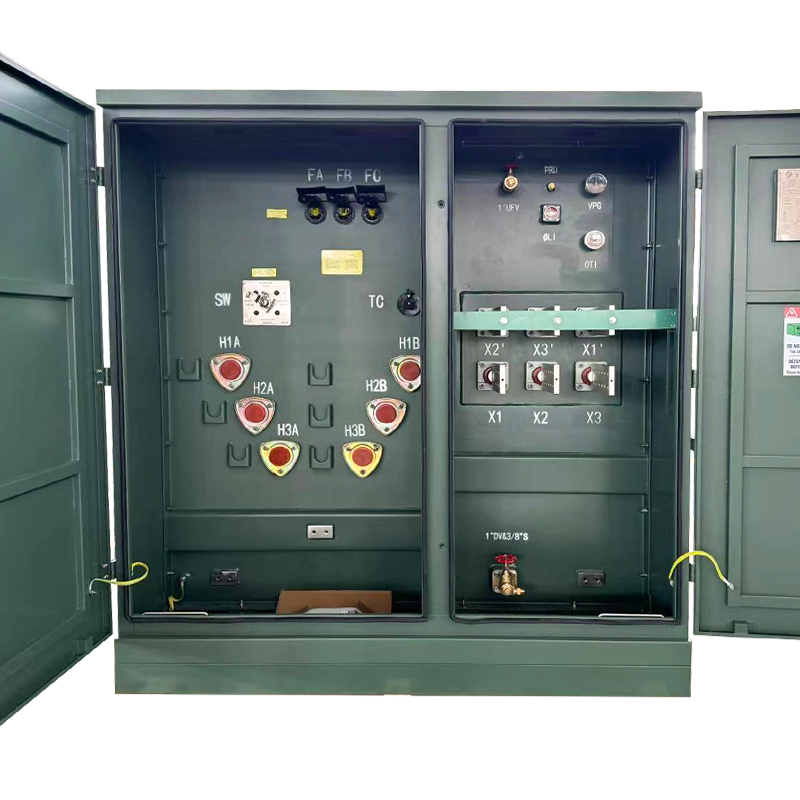
Base kVA: 45 kVA to 12,000 kVA Primary voltage: 2400 V to 46,000 V Secondary voltage: 120 V to 24,940V Basic lmpulse Level (BIL): 30kV to 250kV
See Details
Copyright © Jiangsu Dingxin Electric Co., Ltd. Rights Reserved.

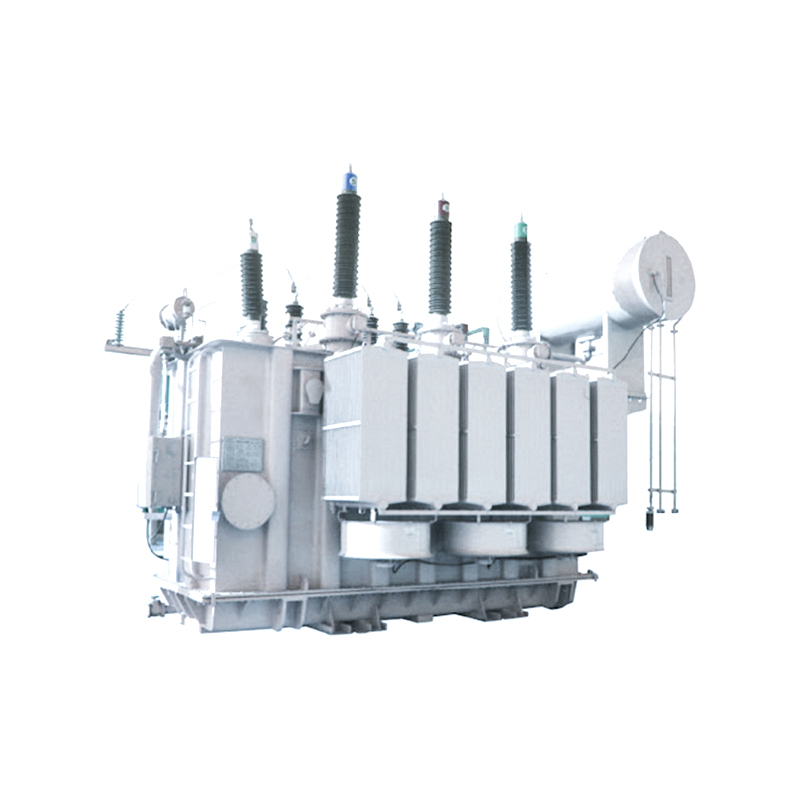
Energy Efficient Transformers Manufacturers Electrical Transformers Factory
Contact Us