 English
 русский
 Español
Energy-Saving Single-Phase Oil-Immersed Pole-Mounted Transformer
15KVA 13.8KV/0.4KV
See Details
Content
The pad mounted transformer is an integral part of electrical distribution systems, providing voltage transformation from high to low levels for residential and commercial use. These transformers are designed to be installed on concrete pads, offering both reliability and accessibility for maintenance. Understanding the key components of pad mounted transformers can help in their effective operation and maintenance. In this article, we will explore the critical parts of pad mounted transformers, their functions, and why they are essential in electrical distribution.
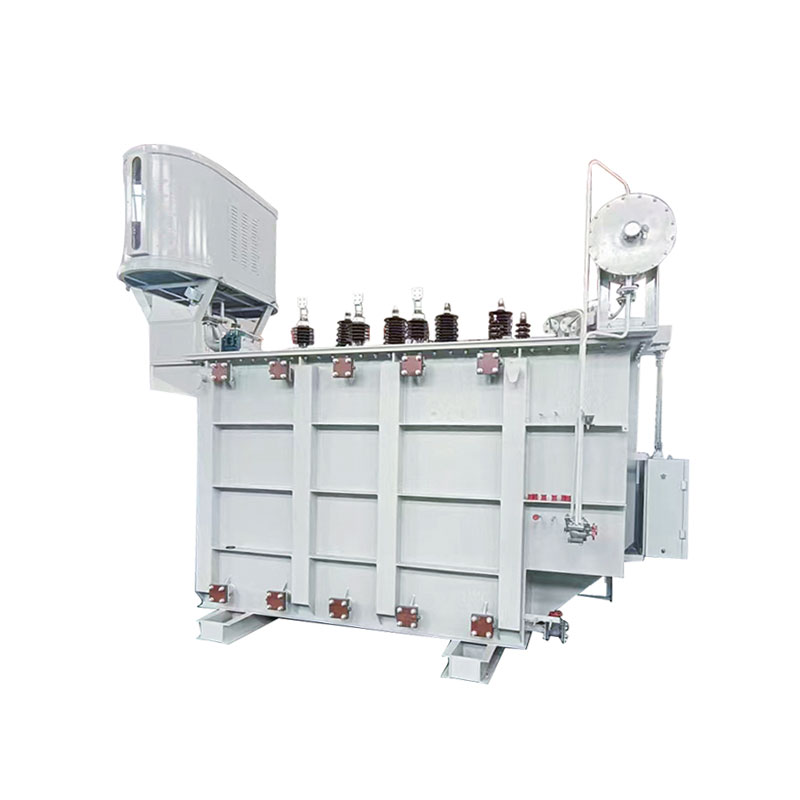
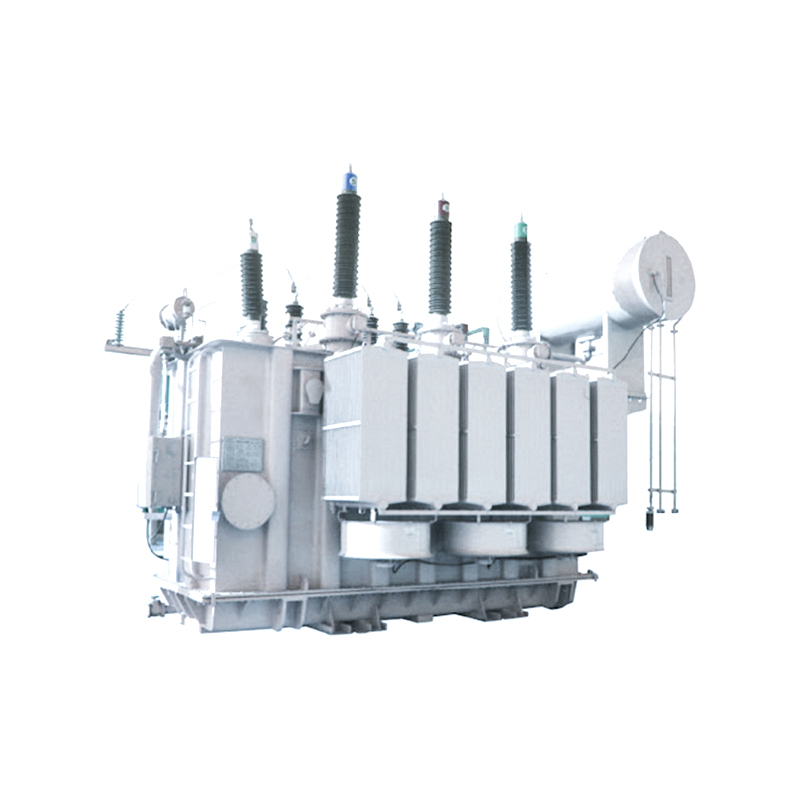
The transformer tank is the outer shell of the pad mounted transformer. It is typically made of steel and serves multiple purposes: it houses the internal electrical components, protects the transformer from environmental factors, and contains the insulating oil that ensures safe operation. The tank is designed to withstand external forces, preventing damage during adverse weather or accidental impacts. Additionally, it plays a role in heat dissipation, helping to maintain the transformer's operational temperature.
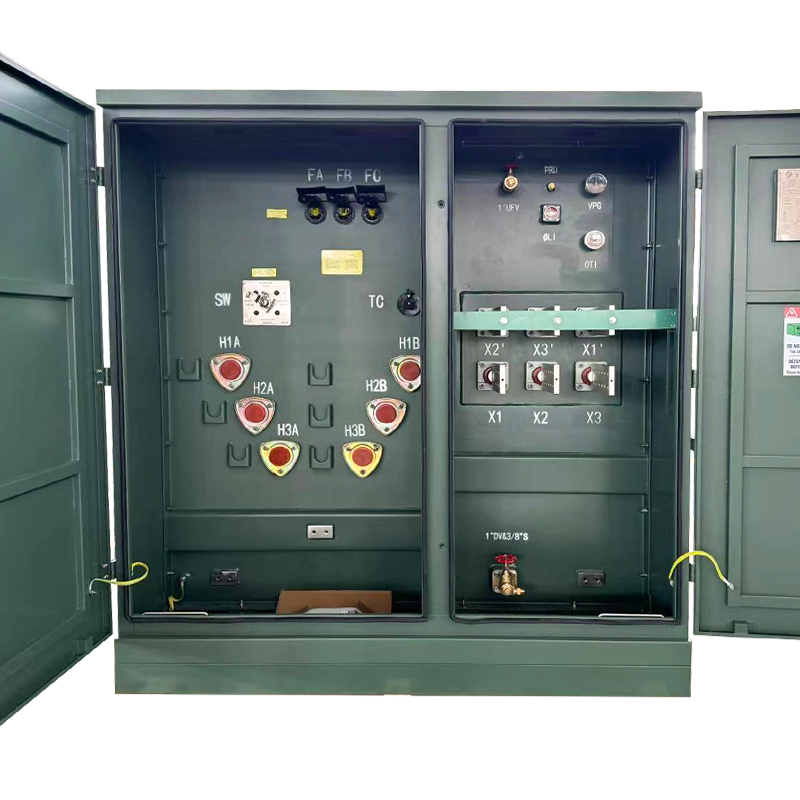
The tank is designed to be robust, usually featuring a corrosion-resistant coating to protect against rust and environmental damage. The exterior may also include a safety vent and pressure relief valve to prevent internal pressure build-up during operation. The tank’s durability ensures the transformer’s longevity and reliable service life.
Bushings are crucial components that allow electrical conductors to pass through the transformer tank safely. They act as insulators, preventing the flow of electricity to the transformer’s outer parts, which could pose safety risks. Made from materials such as porcelain or polymer, bushings are designed to withstand high voltages and provide excellent insulation properties.
The tap changer is an important component of the transformer that allows for adjusting the transformer's output voltage. It is often located inside the tank and is connected to the winding. The tap changer ensures the transformer can maintain a stable output voltage despite fluctuations in the input voltage. Depending on the design, tap changers can be either manual or automatic, with the latter being more common in modern transformers.
The cooling system is essential for maintaining the optimal temperature inside the transformer. Transformers generate heat during operation, and without proper cooling, they could overheat and fail. Most pad mounted transformers use oil as a coolant, which circulates through the transformer to absorb heat and dissipate it to the surrounding air. The cooling system ensures that the transformer operates within safe temperature limits.
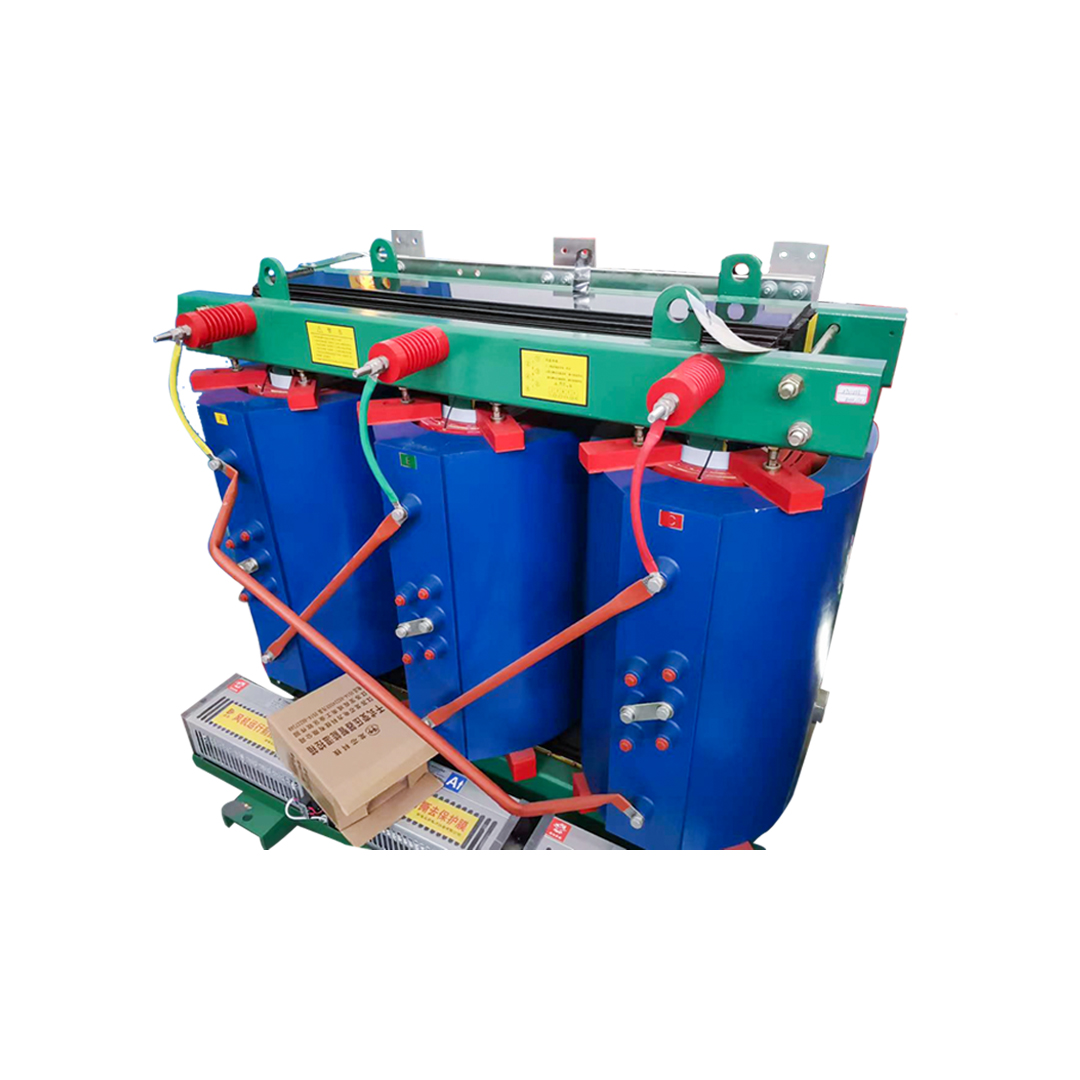
Protective relays are critical components that safeguard the transformer from electrical faults. These relays monitor the current and voltage levels, detecting any irregularities such as short circuits, overcurrent, or undercurrent conditions. When a fault is detected, the relay activates to disconnect the transformer from the power supply, preventing further damage to the system.
Both the tap changer and bushings involve complex connections that allow the transformer to interact with the external electrical grid. These connections are typically housed in a sealed compartment to prevent environmental damage and ensure a secure connection. The tap changer is connected to the primary and secondary windings, while the bushings allow for the safe passage of current into and out of the transformer.
Proper connection of the tap changer and bushings is crucial for the transformer’s efficient operation. Any improper connection could result in electrical faults, overheating, or even transformer failure. Regular inspection and maintenance of these connections are recommended to ensure their continued safety and performance.
Pad mounted transformers are vital components in electrical distribution systems, providing efficient voltage transformation while ensuring safety and reliability. Understanding the various parts of a pad mounted transformer, including the tank, bushings, tap changer, cooling system, and protective relays, is essential for anyone working with or maintaining these systems. Regular inspections and maintenance can extend the life of the transformer, ensuring continuous and safe operation for years to come.
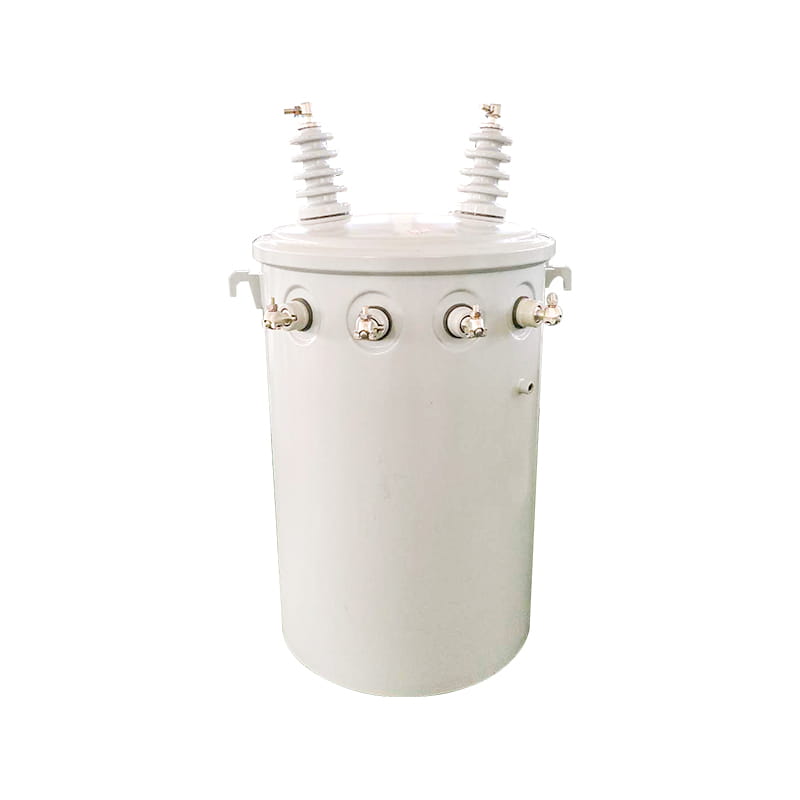
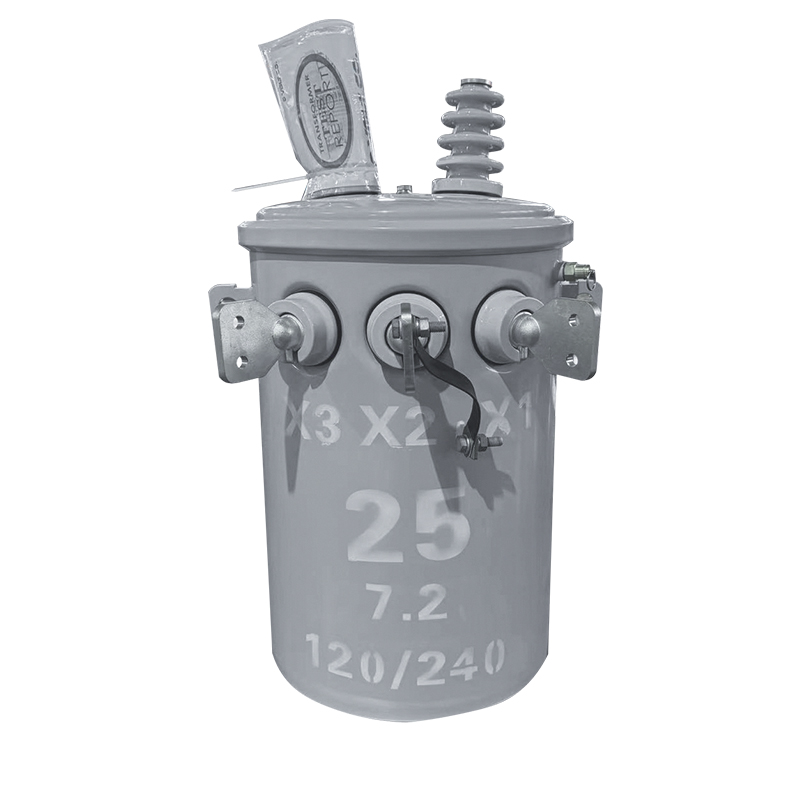
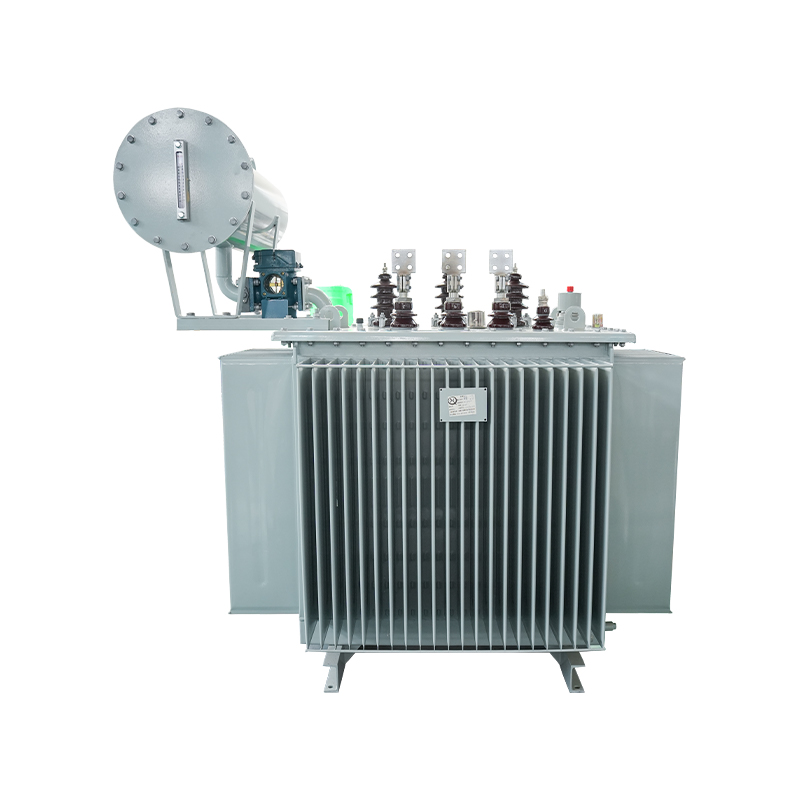
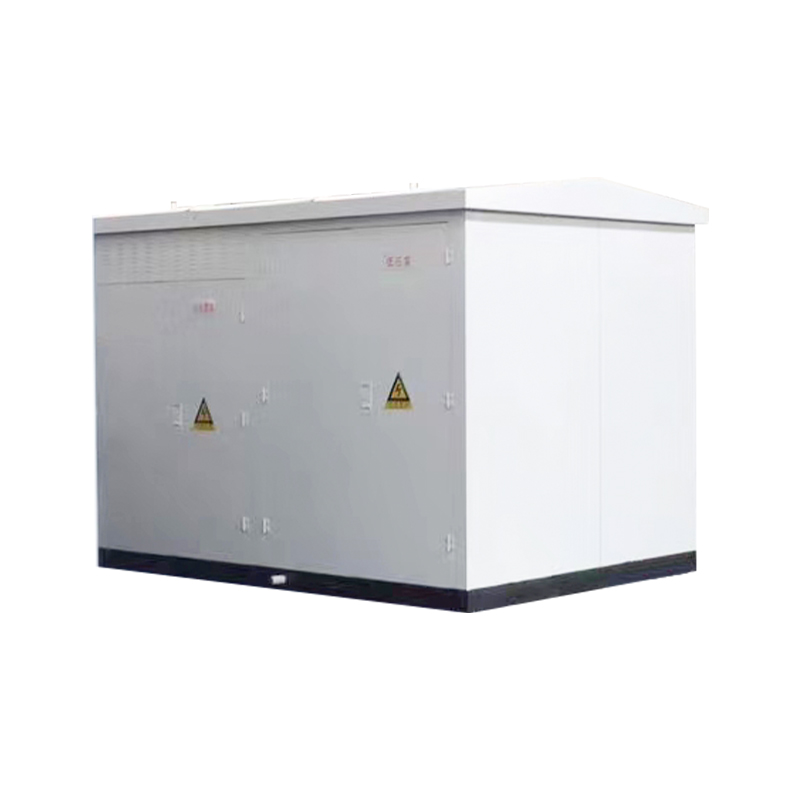
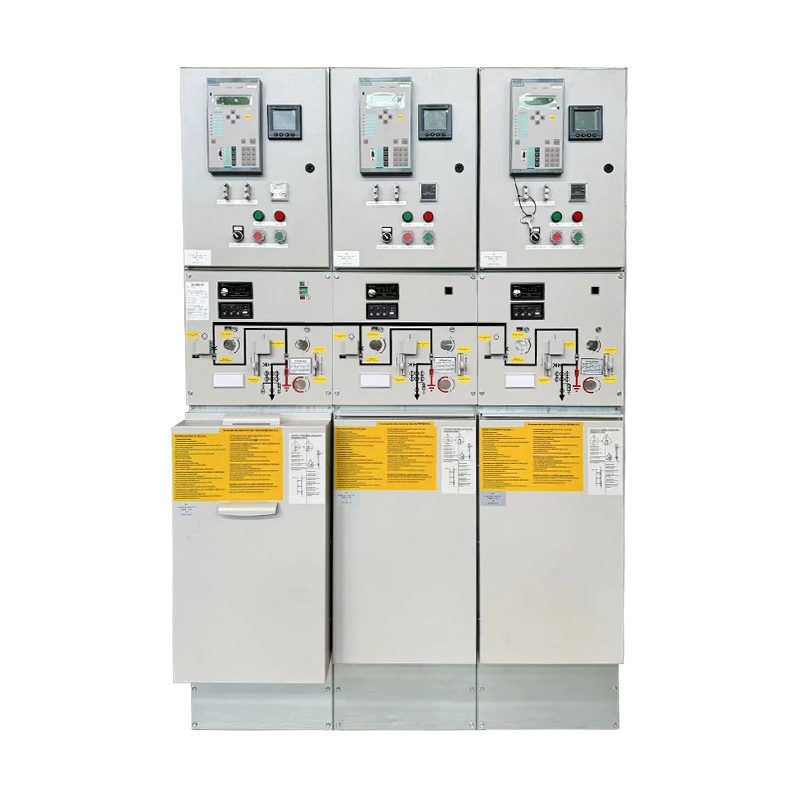
A Cabinet-Type Outdoor Prefabricated Substation, which is a compact, all-in-one electrical distribution solution designed for outdoor installation. Th...
See Details
Copyright © Jiangsu Dingxin Electric Co., Ltd. Rights Reserved.

Energy Efficient Transformers Manufacturers Electrical Transformers Factory
Contact Us