 English
 русский
 Español
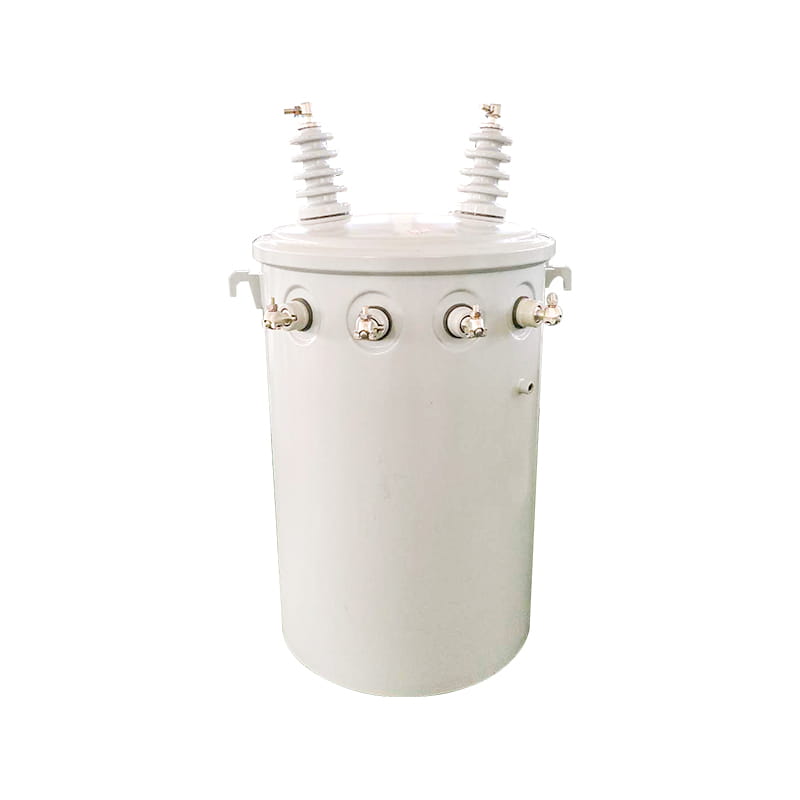
Energy-Saving Single-Phase Oil-Immersed Pole-Mounted Transformer
15KVA 13.8KV/0.4KV
See Details
Content
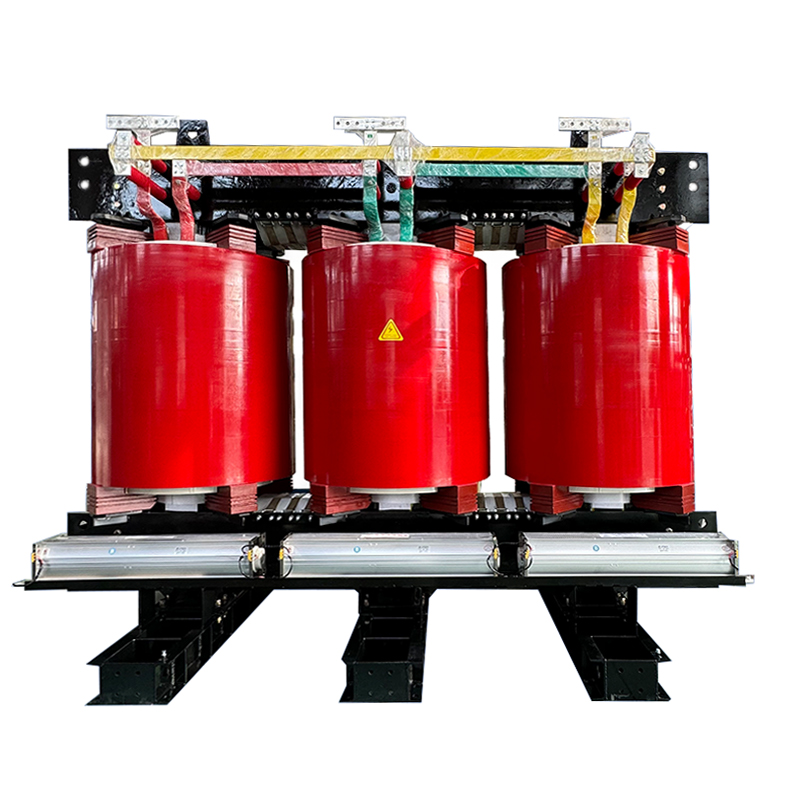
In the field of electrical engineering, transformers play a critical role in the transmission and distribution of electrical power. However, power transformers and distribution transformers serve different functions, and understanding their differences is crucial for anyone working with electrical systems. This article will dive into the distinctions between these two types of transformers, focusing on their purpose, design, and applications.
A power transformer is a large and heavy electrical device used primarily in the transmission of electricity over long distances. Power transformers are designed to operate at high voltages, typically above 33 kV. They are used to step up or step down voltages between the high voltage transmission lines and the lower voltage distribution networks.
These transformers are typically installed at power stations, substations, and other major electrical facilities. They handle large amounts of electricity and are built for high efficiency and long-term durability.
A distribution transformer, on the other hand, is used in the final stage of the electrical distribution process. These transformers operate at lower voltages, typically ranging from 2.5 kV to 33 kV, and they serve to step down voltage from the transmission system to a level that is suitable for homes, businesses, and other end-users.
Distribution transformers are typically smaller in size compared to power transformers, and they are installed closer to where electricity is used. They are crucial for local electricity distribution networks and are often seen mounted on poles or in substations.
To better understand the distinctions between power transformers and distribution transformers, let’s look at the following comparison table:
| Aspect | Power Transformer | Distribution Transformer |
| Voltage Level | Above 33 kV | 2.5 kV to 33 kV |
| Purpose | Long-distance power transmission | Local electricity distribution |
| Size | Large, heavy-duty | Smaller, compact |
| Location | Power stations, substations | Residential areas, commercial spaces |
| Cost | Higher due to capacity | Lower due to smaller capacity |
Power transformers and distribution transformers are both essential components of the electrical grid, but they serve distinct purposes. Power transformers are primarily used in the high-voltage transmission of electricity over long distances, while distribution transformers are used to reduce the voltage for local distribution to end-users. Their designs, applications, and costs differ, reflecting their specific roles in the electrical system.

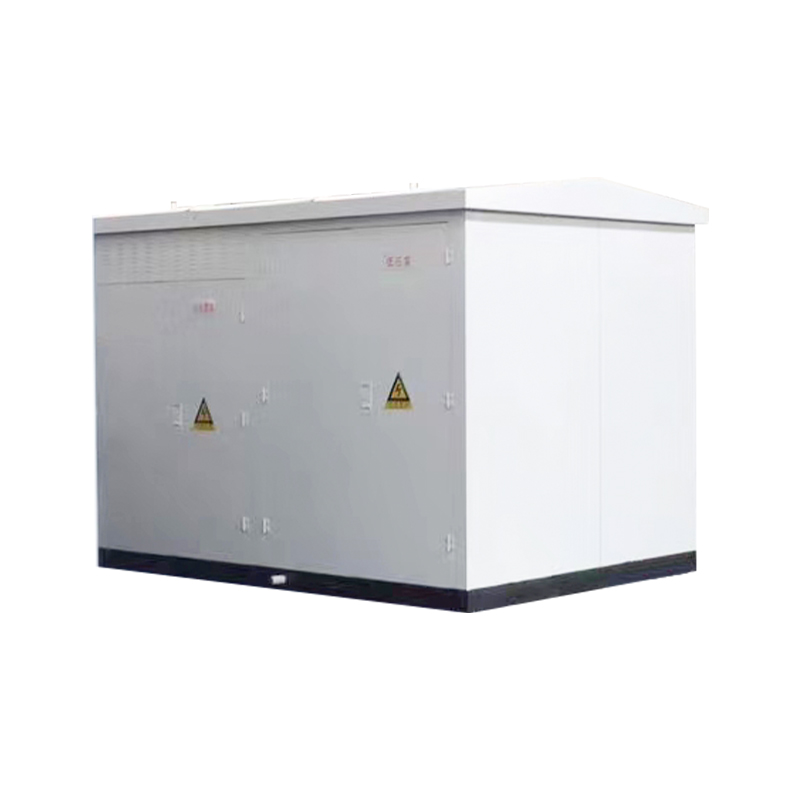
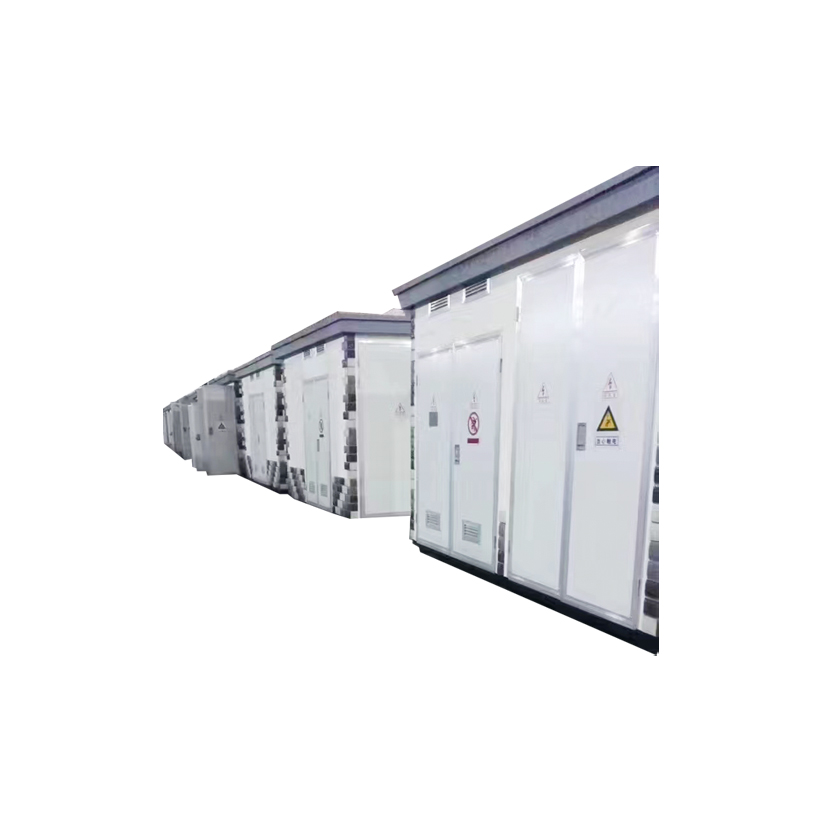
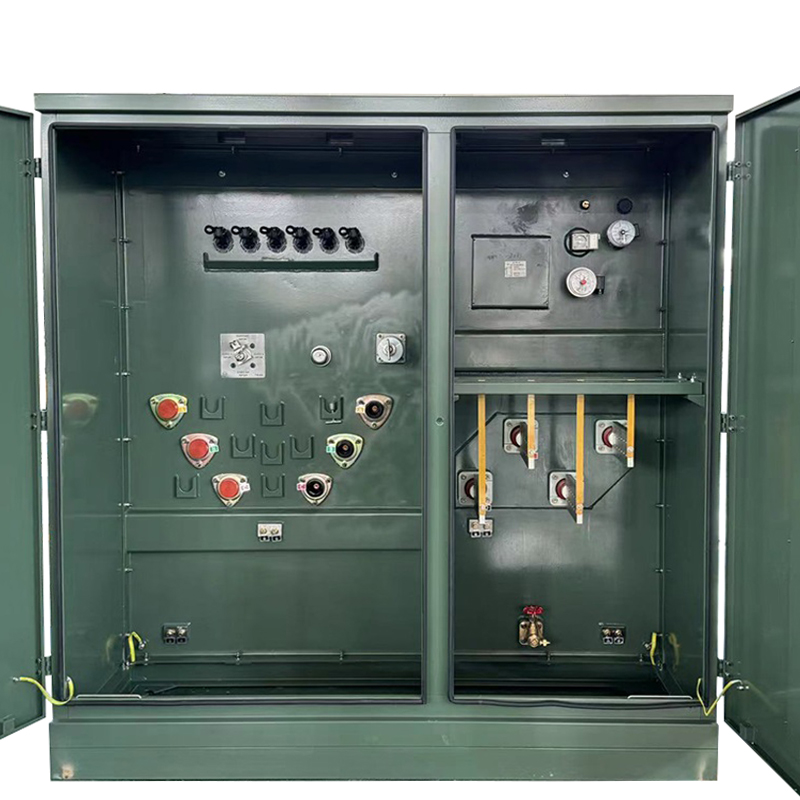
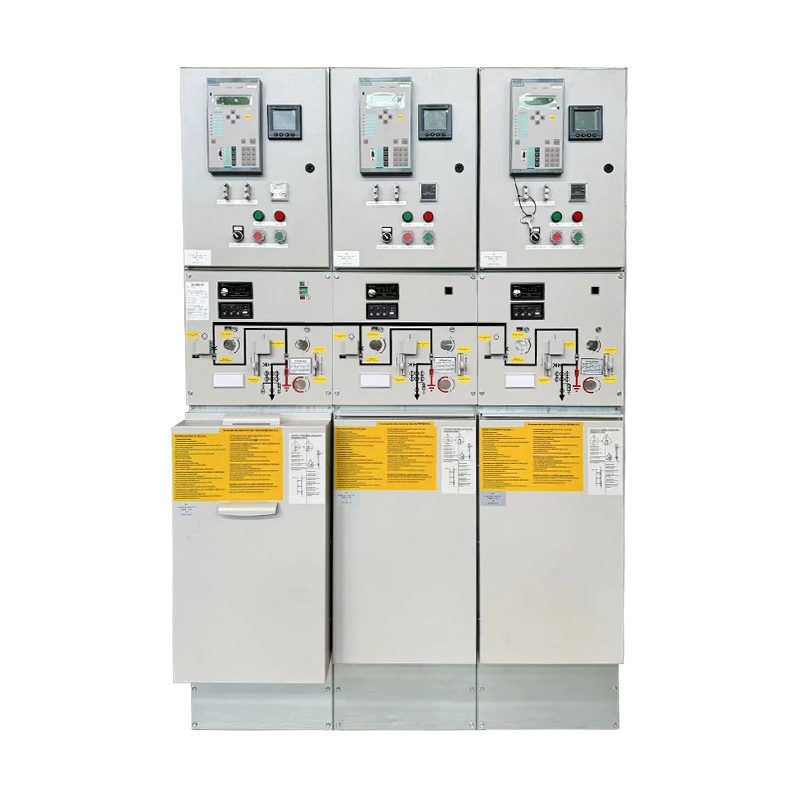
A Cabinet-Type Outdoor Prefabricated Substation, which is a compact, all-in-one electrical distribution solution designed for outdoor installation. Th...
See Details
Copyright © Jiangsu Dingxin Electric Co., Ltd. Rights Reserved.

Energy Efficient Transformers Manufacturers Electrical Transformers Factory
Contact Us