 English
 русский
 Español
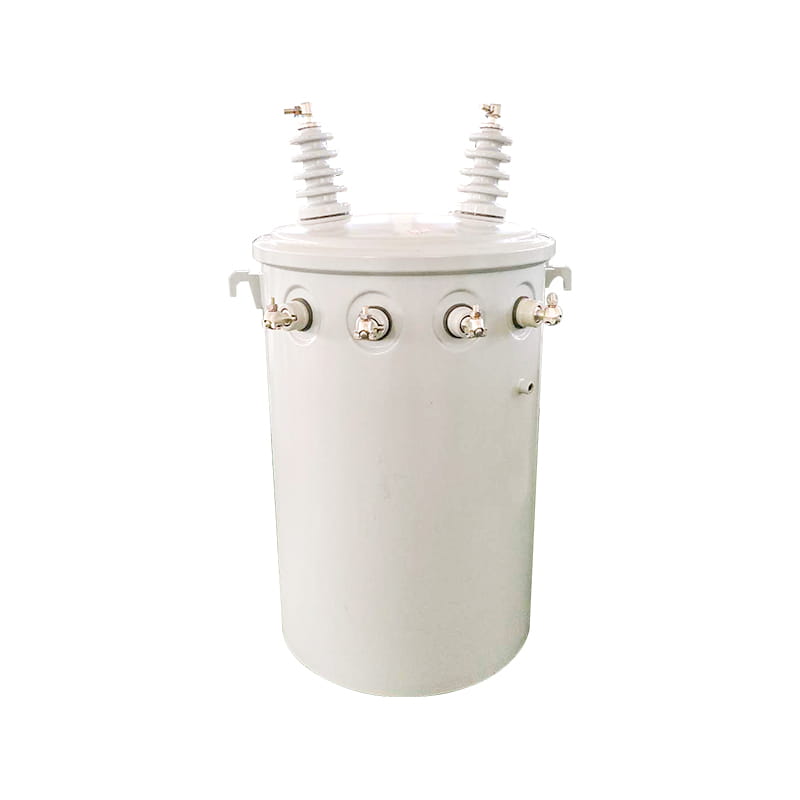
Energy-Saving Single-Phase Oil-Immersed Pole-Mounted Transformer
15KVA 13.8KV/0.4KV
See Details
Content
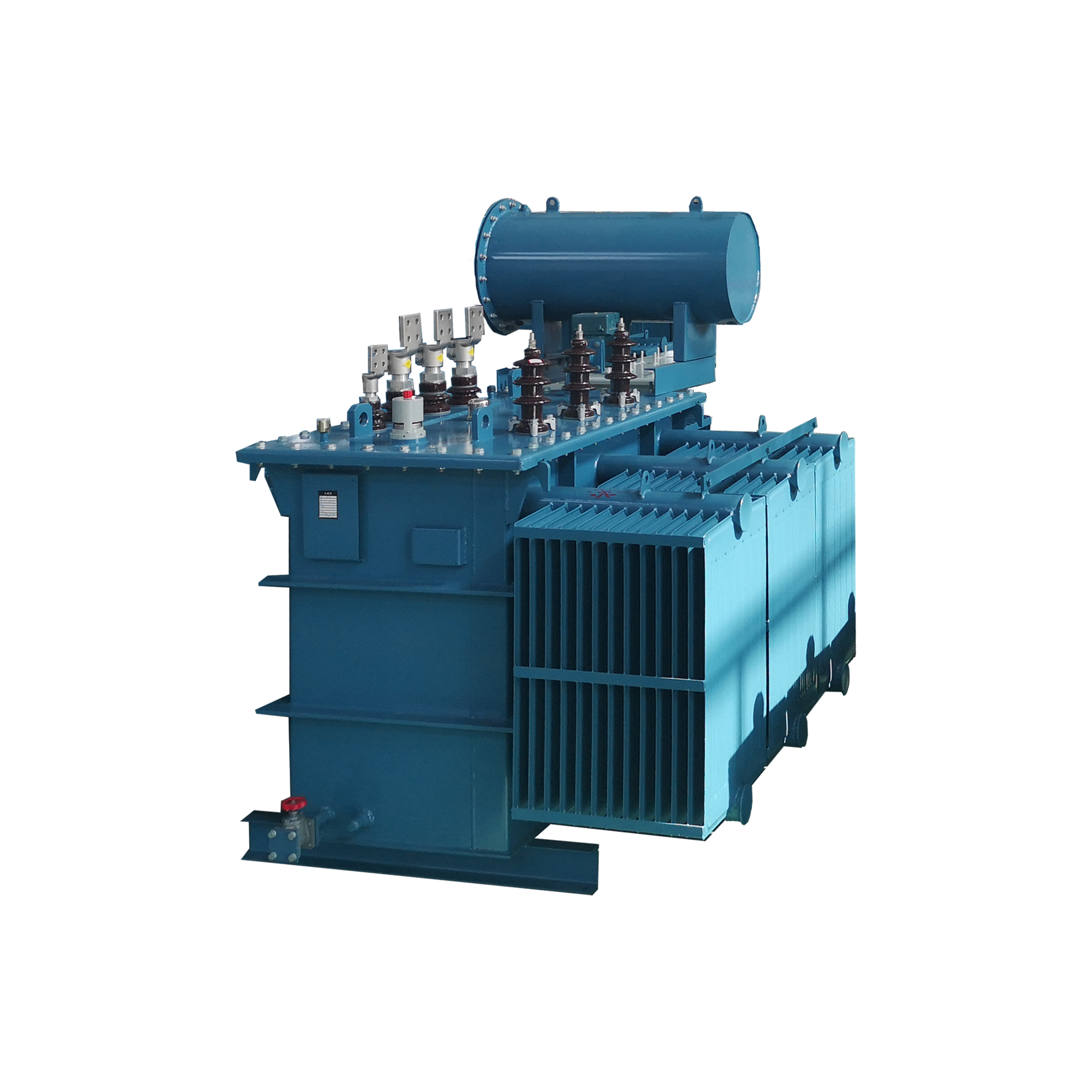
Oil-immersed transformers use insulating oil as both a dielectric medium and a heat-transfer fluid. This dual role is the core reason they remain the default choice for many utility and industrial power applications where high kVA/MVA, compact footprint, and long service life are priorities. Below are the most practical, decision-relevant benefits of oil-immersed transformers, with engineering-based examples and operational implications.
Oil has higher heat capacity and better convection behavior than air in enclosed transformer assemblies. In practical terms, this means the windings and core can run cooler at the same load, or the unit can be designed smaller for the same rating. Common cooling modes such as ONAN (oil natural, air natural) and ONAF (oil natural, air forced with fans) allow staged cooling so the transformer can handle daily peaks efficiently.
A practical takeaway is that oil-immersed units typically achieve higher kVA/MVA per square meter of installed area than air-cooled alternatives, especially when comparing like-for-like voltage class and insulation system.
Oil-immersed transformers benefit from oil’s dielectric properties: it fills voids, reduces partial discharge risk, and provides a more uniform electric field around conductors and insulation structures. This improves reliability under steady-state voltage stress and during transient events (switching surges, lightning impulses) when the insulation system is most challenged.
In distribution networks with frequent switching and fault activity, insulation margins can be the difference between a nuisance outage and a multi-day replacement event. Oil also acts as a “buffer” against localized hot spots because it carries heat away from winding regions that would otherwise age faster.
The practical result is that oil-immersed designs are often preferred where high impulse withstand and robust insulation coordination are critical.
Because the thermal system is more effective, oil-immersed transformers typically provide better short-term overload handling. In many utility and industrial duty cycles, loads are not flat; they peak daily or seasonally. Oil and radiators provide thermal inertia and heat-rejection capacity that supports controlled overloads without immediately pushing winding hot-spot temperatures into high-aging regimes.
For a facility that experiences predictable peaks (for example, batch processes, large motor starts, or weather-driven load ramps), the ability to run above nominal load for limited durations can reduce the need to purchase a larger unit purely for peaks. In lifecycle terms, this can lower capital cost while still meeting operational requirements.
If peak loading is a routine constraint, the key advantage is more usable capacity during peaks per unit of installed base capacity.
Oil-immersed transformers are widely available in high-efficiency designs, and they often provide an attractive cost-per-kVA (or cost-per-MVA) in medium and high ratings. Better heat removal can also allow optimized conductor sizing and reduced resistive losses at target operating temperatures.
Assume two transformers with similar rating and voltage class, but one has 5 kW lower total losses at the facility’s typical loading. If the transformer runs continuously, that difference equates to 5 kW × 8,760 h = 43,800 kWh per year. Multiply by the site’s energy rate to estimate annual savings, then compare against the purchase price delta to get a payback period.
| Factor | Oil-immersed transformer advantage | Operational implication |
|---|---|---|
| Cooling capacity | Higher heat rejection via oil + radiators | Supports higher ratings and peak loads |
| Insulation system | Oil fills voids, improves dielectric uniformity | Better withstand under surges if oil is maintained |
| Cost per kVA | Often lower for medium/high ratings | Lower capex for the same network capacity |
| Condition monitoring | Oil is a diagnostic medium (DGA, moisture, acidity) | Earlier fault detection and planned maintenance |
| Service life potential | Cooler hot spots reduce insulation aging rate | Longer replacement cycles when well maintained |
From a procurement perspective, the benefit is rarely just “better efficiency.” The real value is lower lifetime cost when energy losses, peak capacity needs, and maintenance strategy are considered together.
Transformer end-of-life is often governed by insulation degradation in paper/cellulose systems. Thermal stress is the primary accelerant. A widely used engineering rule of thumb is that insulation aging rate approximately doubles for every 6–8°C increase in winding hot-spot temperature (and conversely, reducing hot-spot temperature can substantially extend life).
If you can lower the typical hot-spot temperature by even 6°C through better cooling margin, optimized fan control, or improved loading management, you are often buying meaningful additional service life and delaying replacement capital.
One of the most practical benefits of oil-immersed transformers is that the oil itself provides condition information. Operators can sample and analyze oil to detect developing issues before they become catastrophic faults. This is a major reliability and maintainability advantage in critical facilities and utility networks.
This diagnostic capability often translates into higher availability, because incipient failures can be addressed during planned outages rather than after a forced trip or internal fault.
Oil-immersed transformers are not universally “better,” but they are particularly advantageous when you need high rating density, proven long-life performance, and robust monitoring options. The following situations are where their benefits are typically most pronounced.
If your decision metric is “capacity, reliability, and lifecycle cost,” the core conclusion is that oil-immersed transformers frequently provide the best overall engineering trade-off in medium and high ratings.
Oil introduces considerations such as spill containment and fire risk management. However, many installations preserve oil-immersed performance benefits while managing these risks with standard engineering controls and compliance practices.
With proper siting and protection, organizations can retain the primary advantages of oil-immersed transformers—high rating density, strong dielectric performance, and long life—while meeting safety and environmental requirements.
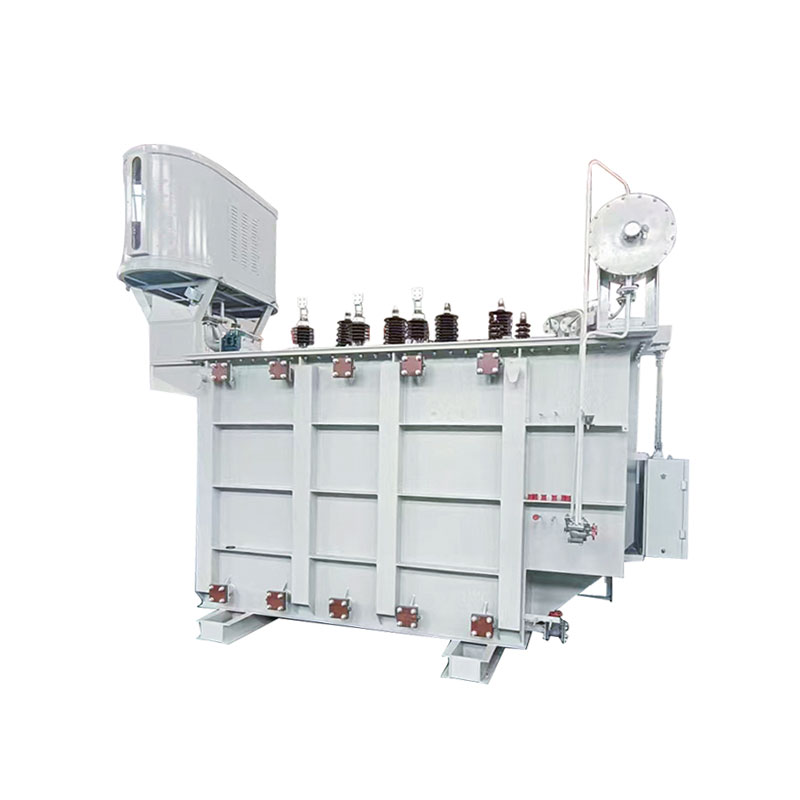
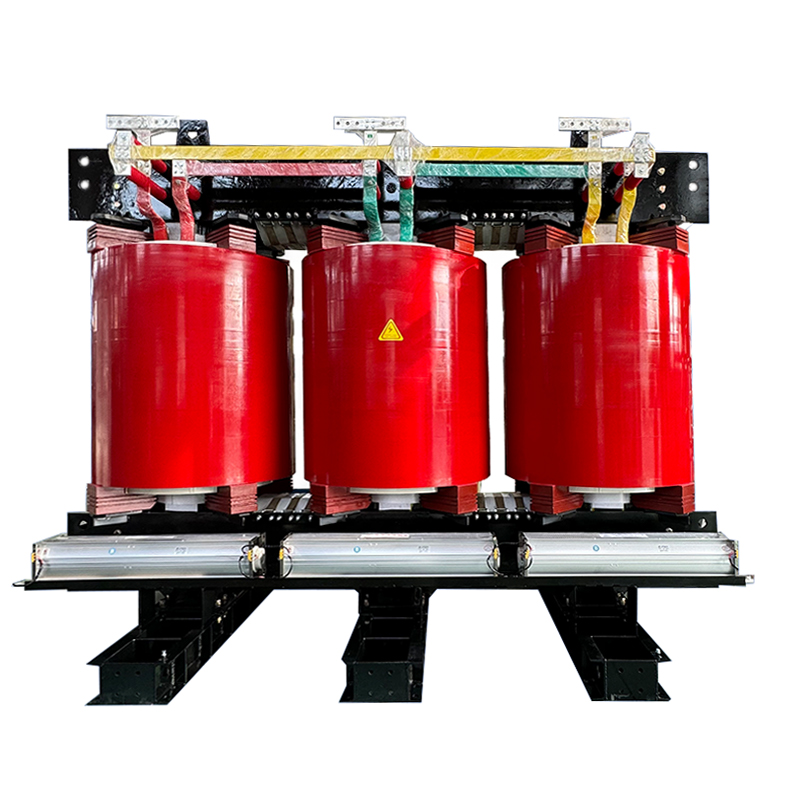
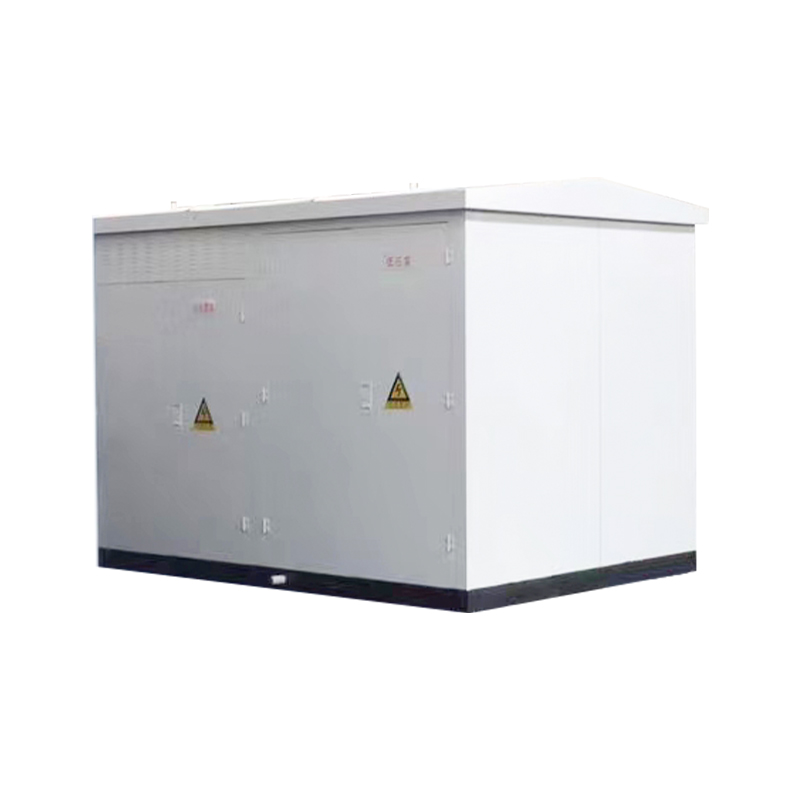
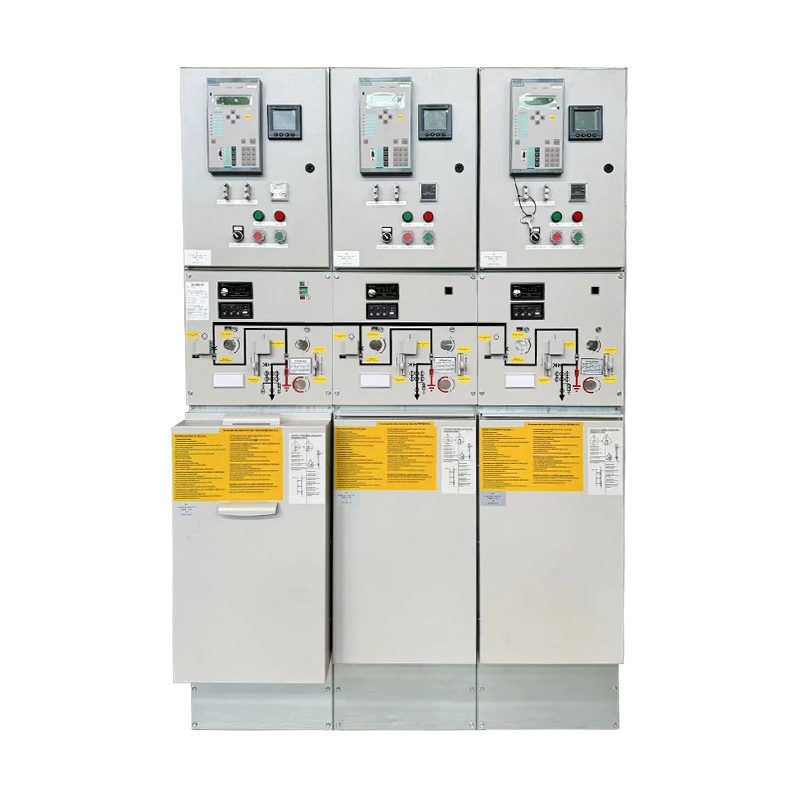
A Cabinet-Type Outdoor Prefabricated Substation, which is a compact, all-in-one electrical distribution solution designed for outdoor installation. Th...
See Details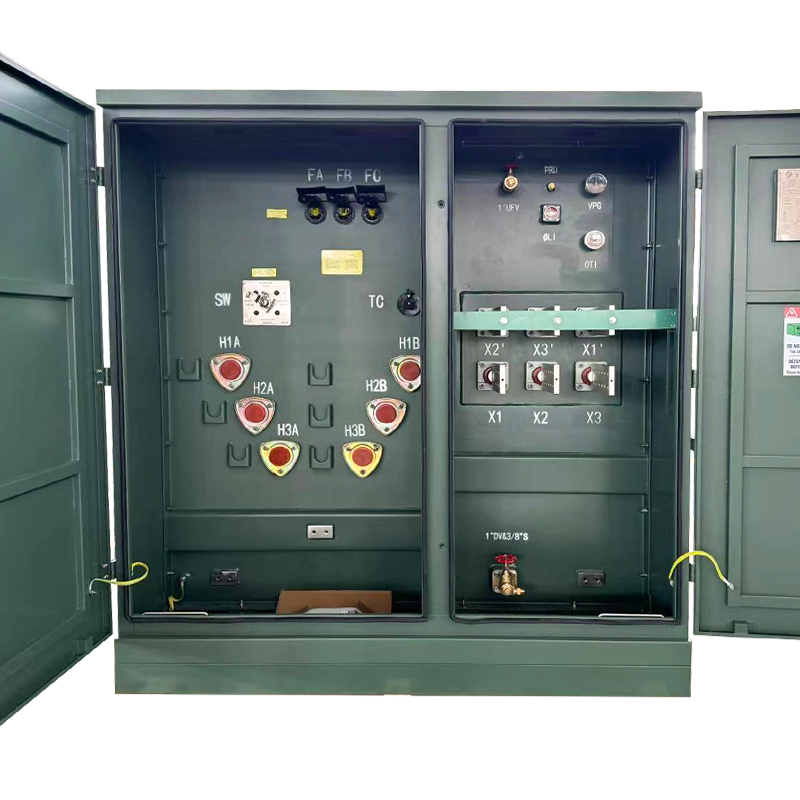
Base kVA: 45 kVA to 12,000 kVA Primary voltage: 2400 V to 46,000 V Secondary voltage: 120 V to 24,940V Basic lmpulse Level (BIL): 30kV to 250kV
See Details
Copyright © Jiangsu Dingxin Electric Co., Ltd. Rights Reserved.

Energy Efficient Transformers Manufacturers Electrical Transformers Factory
Contact Us